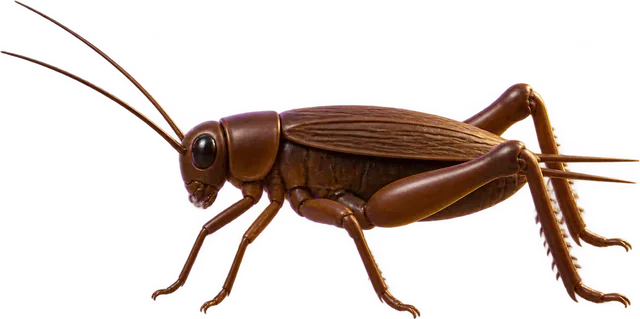
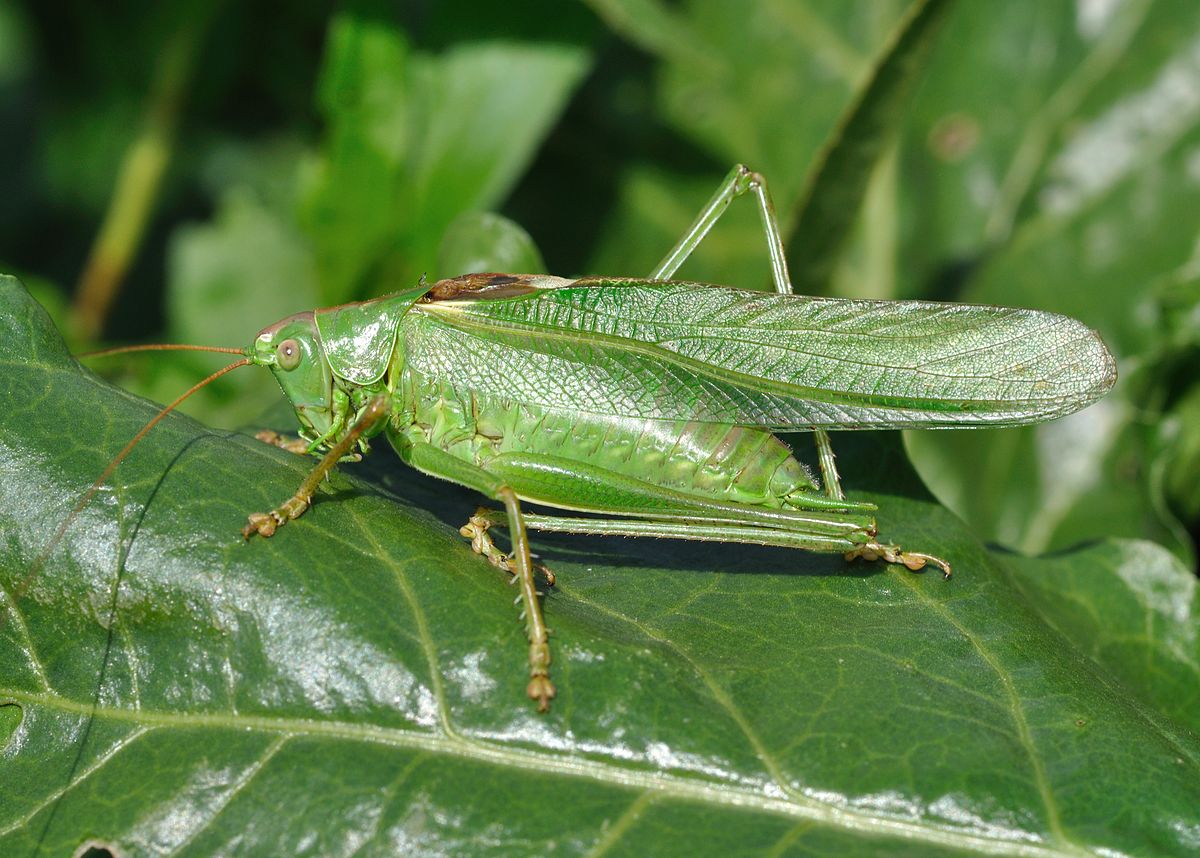
A cricket is a nocturnal, jumping insect related to grasshoppers, belonging to the order Orthoptera and the superfamily Grylloidea. Males produce a loud chirping sound by rubbing the tough edges of their front wings together to attract mates and mark territory. Their chirping rate speeds up predictably as ambient temperature rises, and they detect these sounds through eardrums located on their front legs.
By the edgi team We find the most surprising true thing about an idea and build a 60-second lesson around it.
You can measure the temperature outside without a digital gadget, just listen for a cricket. Physicist Amos Dolbear discovered in 1897 that a cricket's chirping speed is a precise, predictable indicator of the air temperature.
Count the number of chirps in 15 seconds, then add 40. The result is the current temperature in degrees Fahrenheit.
Not a voice
A cricket isn't singing with its throat; it is performing a high-energy mechanical feat. The sound comes from stridulation: the male rubs the serrated edges of his wings together like a bow across a violin.
This belongs to the order Orthoptera, a group of insects that includes grasshoppers and bush crickets.
The biology
Because crickets are cold-blooded, their muscle contractions are governed by chemical reactions that speed up as the air warms. The faster he rubs his wings in the heat, the more he signals his vitality to potential mates in the dark.
It is a territorial broadcast, a mating call, and a biological clock all wrapped into one nightly performance.
Anatomy and sound production
A cricket listens to the world through its front legs. The hearing organs, called tympana, sit directly on the front tibiae rather than on the head. Crickets also possess long, slender antennae, large compound eyes, and three simple eyes called ocelli on the forehead. At the tip of the abdomen, both sexes carry sensory appendages called cerci, while females feature a long, cylindrical egg-laying tube called an ovipositor.
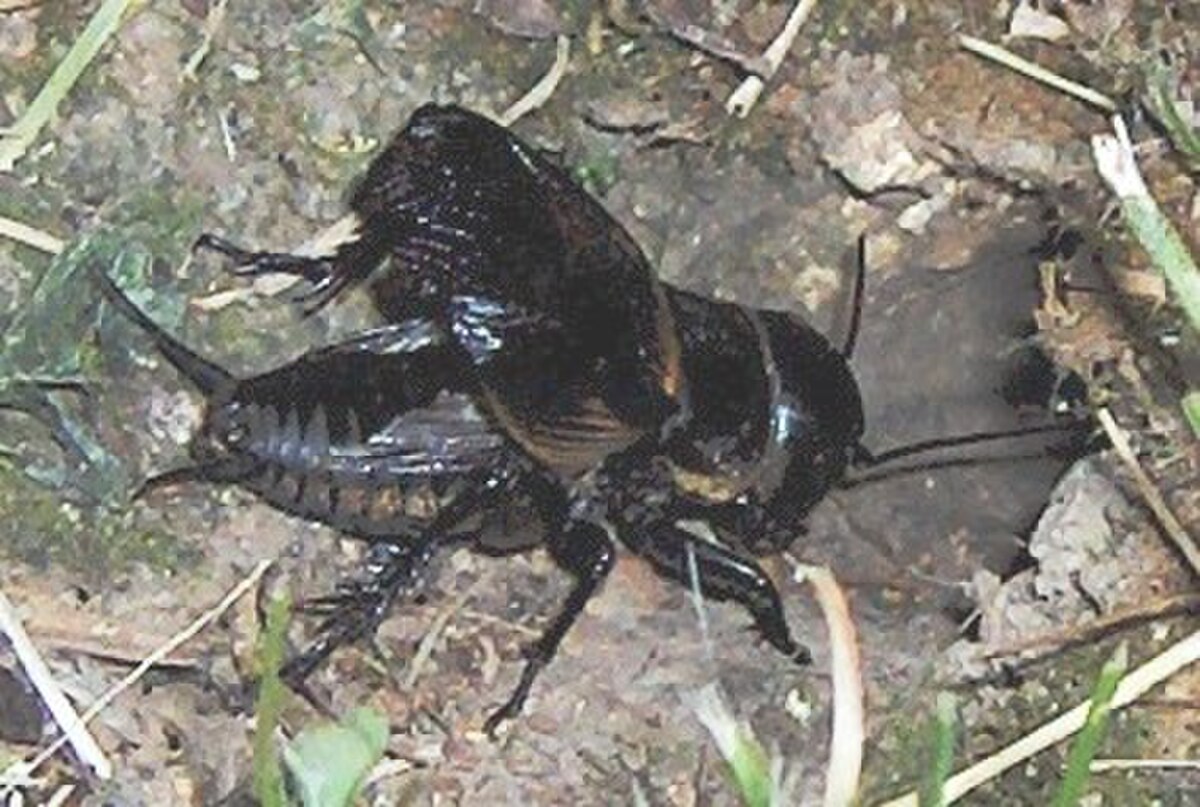
A male field cricket raises its leathery forewings clear of its body to scrape them together in stridulation. CC BY-SA 3.0, via Wikimedia Commons
The insect produces sound without vocal cords. The front wings, known as elytra, are made of tough chitin and protect the soft body underneath. In males, these forewings bear specialized stridulatory structures. By raising their forewings and scraping them across one another, male crickets generate rhythmic vibrations to signal mates and warn competitors, though some species remain completely mute.
Habitats and survival strategies
Crickets live on every continent except in polar regions above 55 degrees latitude north and south, reaching their highest diversity in tropical areas like Malaysia. They occupy tree canopies, bushes, marshlands, beaches, caves, and underground tunnels. The largest variety, the bull cricket, measures up to 5 centimeters long and excavates burrows over a meter deep.
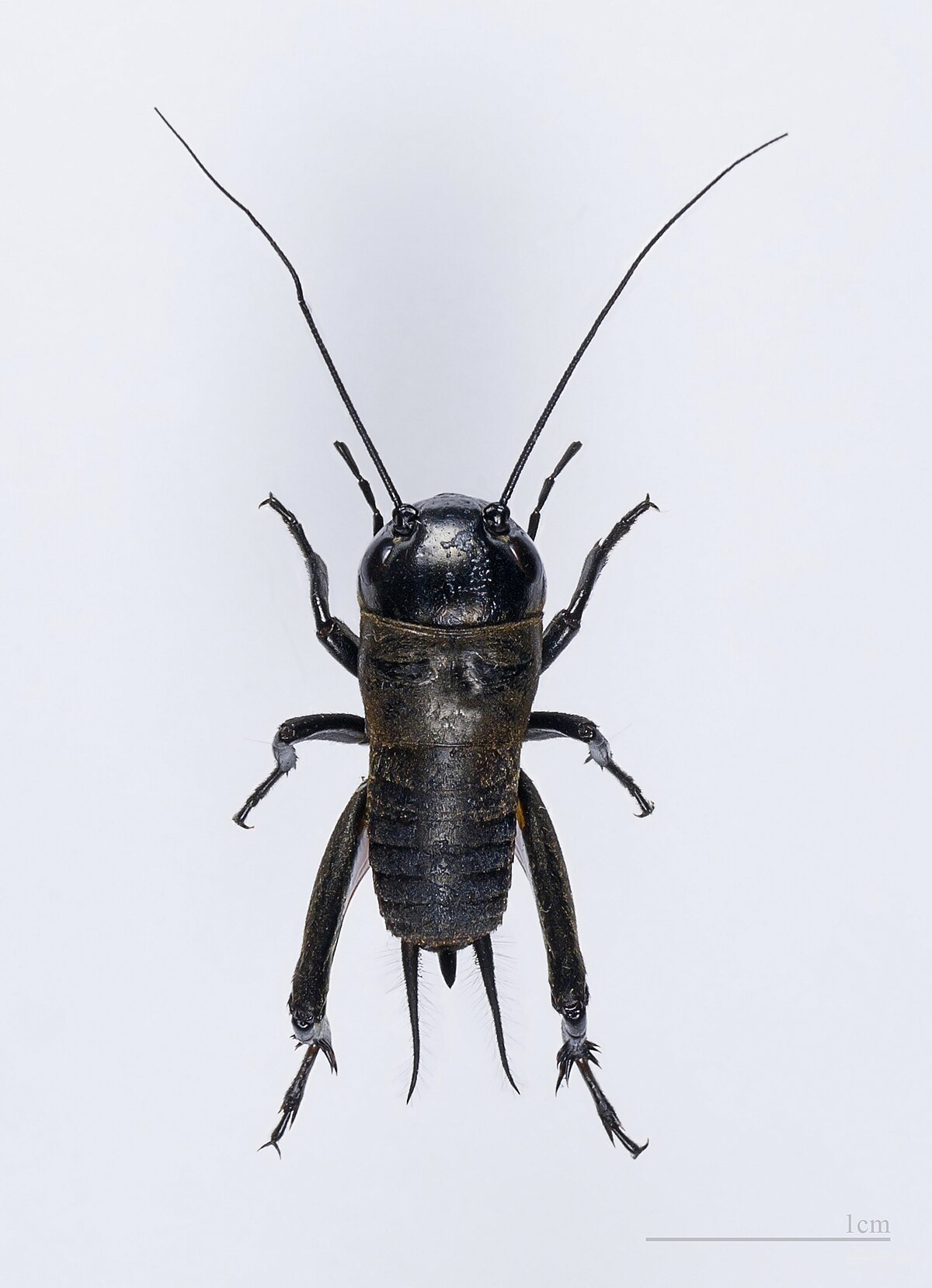
A dorsal view shows the field cricket's dark camouflage, long antennae, and enlarged hind legs built for jumping. Didier Descouens, CC BY-SA 4.0, via Wikimedia Commons
Because crickets are soft-bodied, they rely heavily on daytime concealment. They hide inside leaf litter, rotting wood, curled leaves, and soil cracks. To dig burrows, crickets loosen earth using their mandibles and kick the dirt backwards with their hind legs. When threatened, they rely on dull brown, grey, or pale camouflage and jump away using enlarged hind-leg femora rather than taking flight.
Human culture and food uses
Crickets have appeared as prominent figures across global literature, including Carlo Collodi's 1883 book The Adventures of Pinocchio, Charles Dickens's The Cricket on the Hearth, and poems by John Keats and Du Fu. In countries ranging from China to parts of Europe, people keep them in cages as singing pets or enter them into cricket-fighting contests.
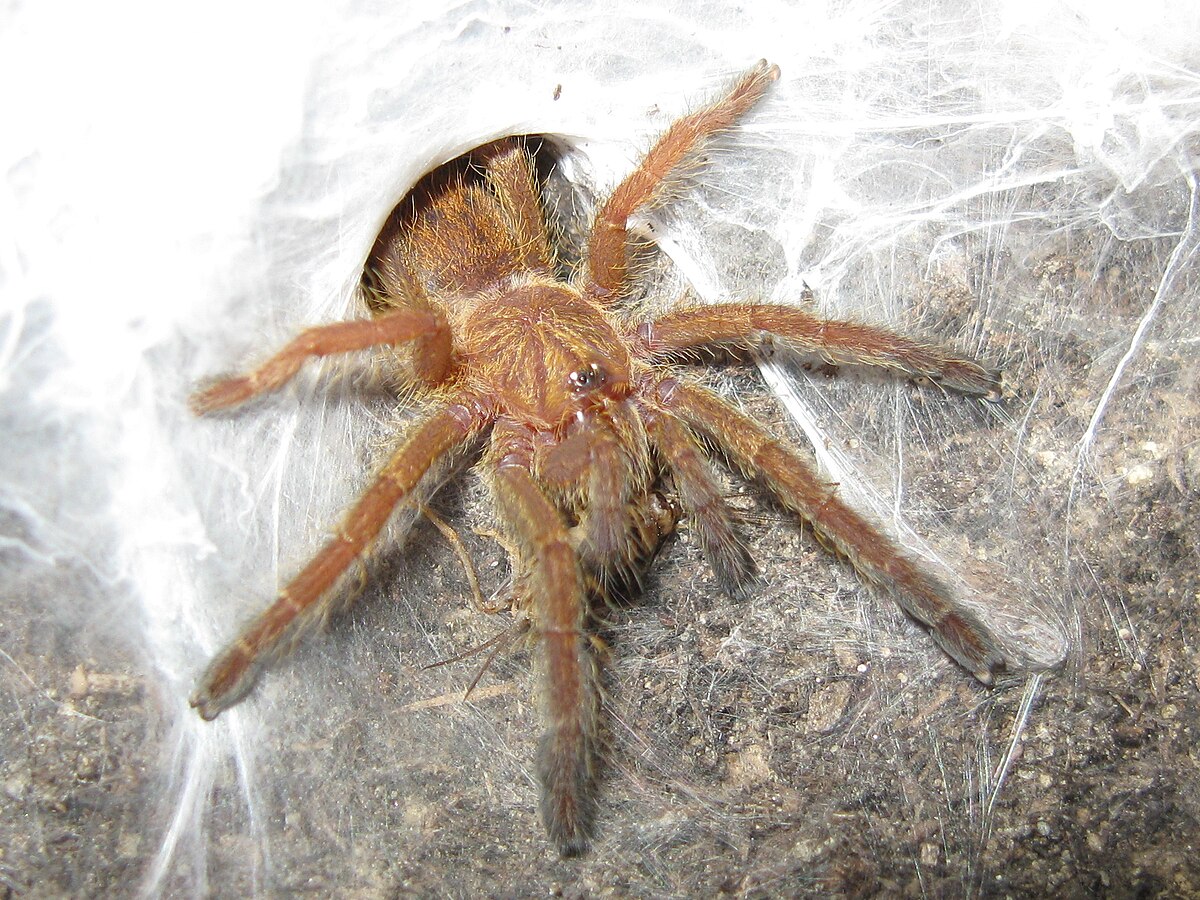
A baboon spider feeds on a cricket, illustrating their common use as food for captive carnivores. Rollopack, CC BY-SA 3.0, via Wikimedia Commons
Due to their efficient conversion of feed into body mass, crickets serve as a practical source of nutrition. In Southeast Asian markets, vendors sell deep-fried crickets as snacks for humans. Facilities also breed them in bulk to feed carnivorous zoo animals and domestic pets, such as reptiles and spiders.
Test yourself
How does Dolbear's law connect a cricket's biology to environmental temperature?
Metabolic rates speed up in warmer air. Cold-blooded chemical reactions accelerate as heat rises, making the mechanical speed of wing rubbing directly track the surrounding temperature.
What drives the chirping speed of a cricket?
Air temperature controlling metabolism. Because crickets are cold-blooded, their muscle contraction rates depend entirely on ambient temperature rather than conscious vocal choices.
Play the lesson in edgi and the card is yours. It lands on your Map next to the ideas it connects to, and turns from matte to foil to gold as you learn more around it.
Crickets belong to the superfamily Grylloidea within the suborder Ensifera, whereas grasshoppers belong to a different, more distantly related branch of Orthoptera. Crickets possess long, thread-like antennae, cylindrical bodies, and tympana on their front legs.
Can all cricket species fly?
No, many cricket species are completely flightless. Even among species that possess membranous hind wings, flight is often clumsy, leading them to hop or scuttle away when threatened.
Do female crickets chirp?
Female crickets do not chirp. Only males possess the specialized stridulatory organs on their tough forewings, which they scrape together to produce calling songs.