Divination is a ritual practice that seeks insight or answers by reading signs, omens, or random patterns. Throughout history, societies used it to organize chaotic events and consult spirits or gods about unknown outcomes. It functions as a structured tool for decision-making, helping people break mental deadlocks or manage the political risk of high-stakes choices.
By the edgi team We find the most surprising true thing about an idea and build a 60-second lesson around it.
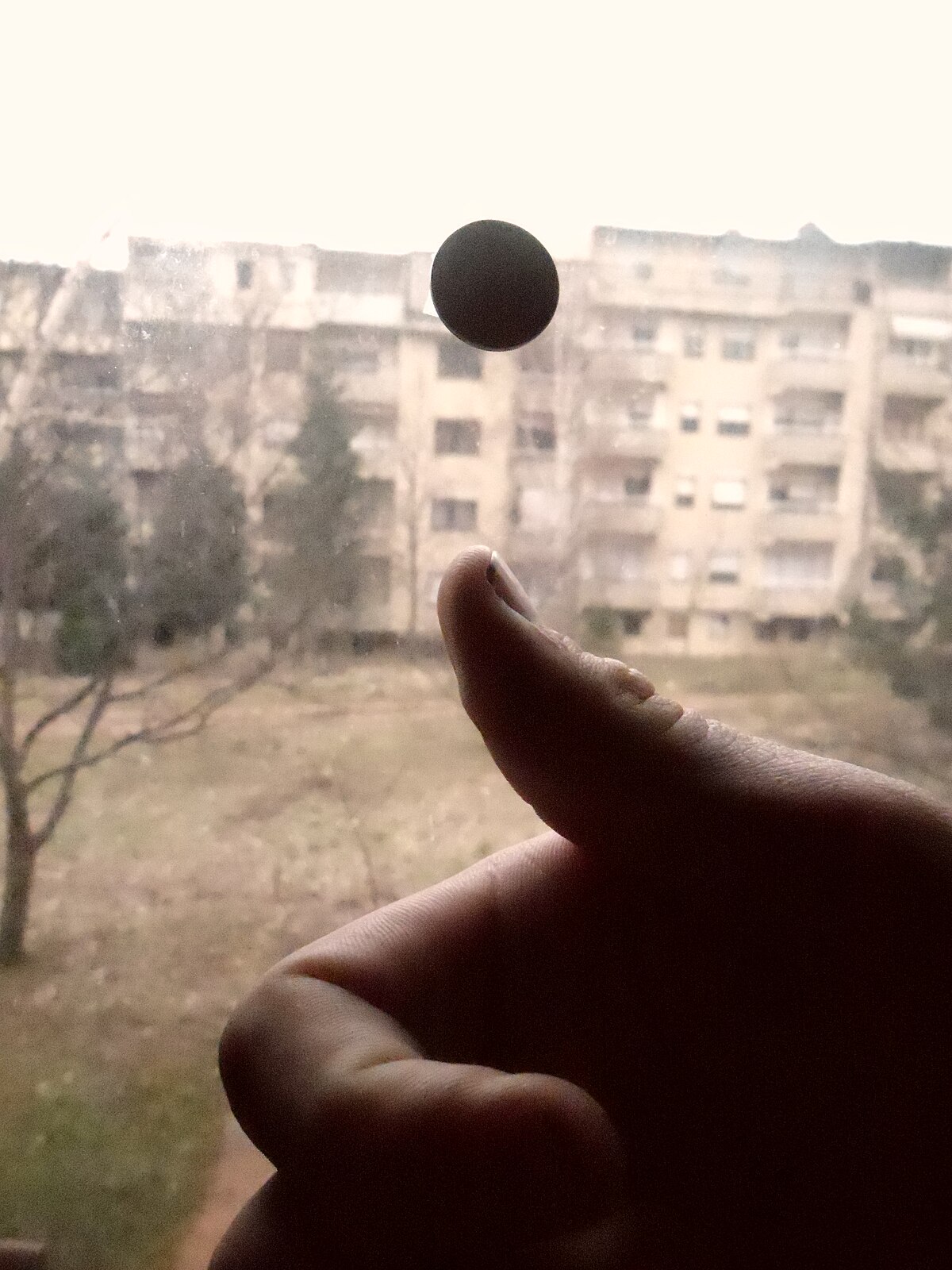
When you flip a coin to make a tough decision, you aren't actually letting the coin decide. You are realizing which outcome you are secretly hoping for while the coin is in the air.
A hand flipping a coin into the air, with a blurred background of buildings and trees. Филип Романски, CC BY-SA 3.0, via Wikimedia Commons
Divination is simply a formal version of that trick. It uses randomness to break a mental stalemate and force your subconscious to show its hand.
The ancient data logs
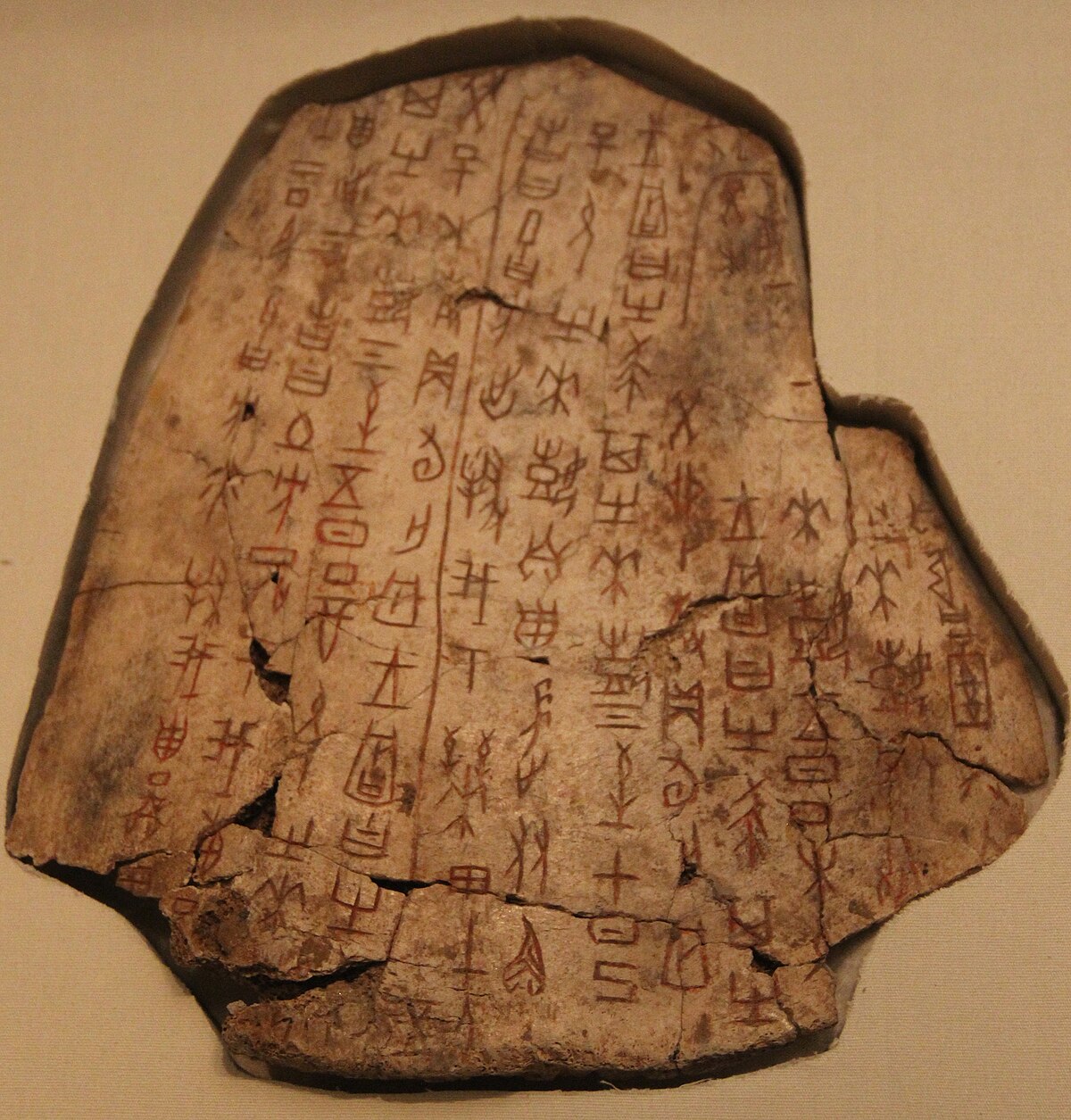
During the Shang Dynasty, Chinese royals used ox shoulder blades as their primary consultants. A diviner would touch a hot metal rod to the bone until it cracked, then interpret the fracture as a message from ancestors.
Shang dynasty inscribed ox scapula used for divination, covered with oracle bone script characters. CC0, via Wikimedia Commons
They carved the question and the result directly into the bone, creating massive, systematic data logs of these decisions using Oracle bone script.
The political shield
This wasn't just mystical; it was a clever way to manage risk. By outsourcing high-stakes decisions to the spirits, leaders could act decisively without carrying the full political blame if things went wrong.
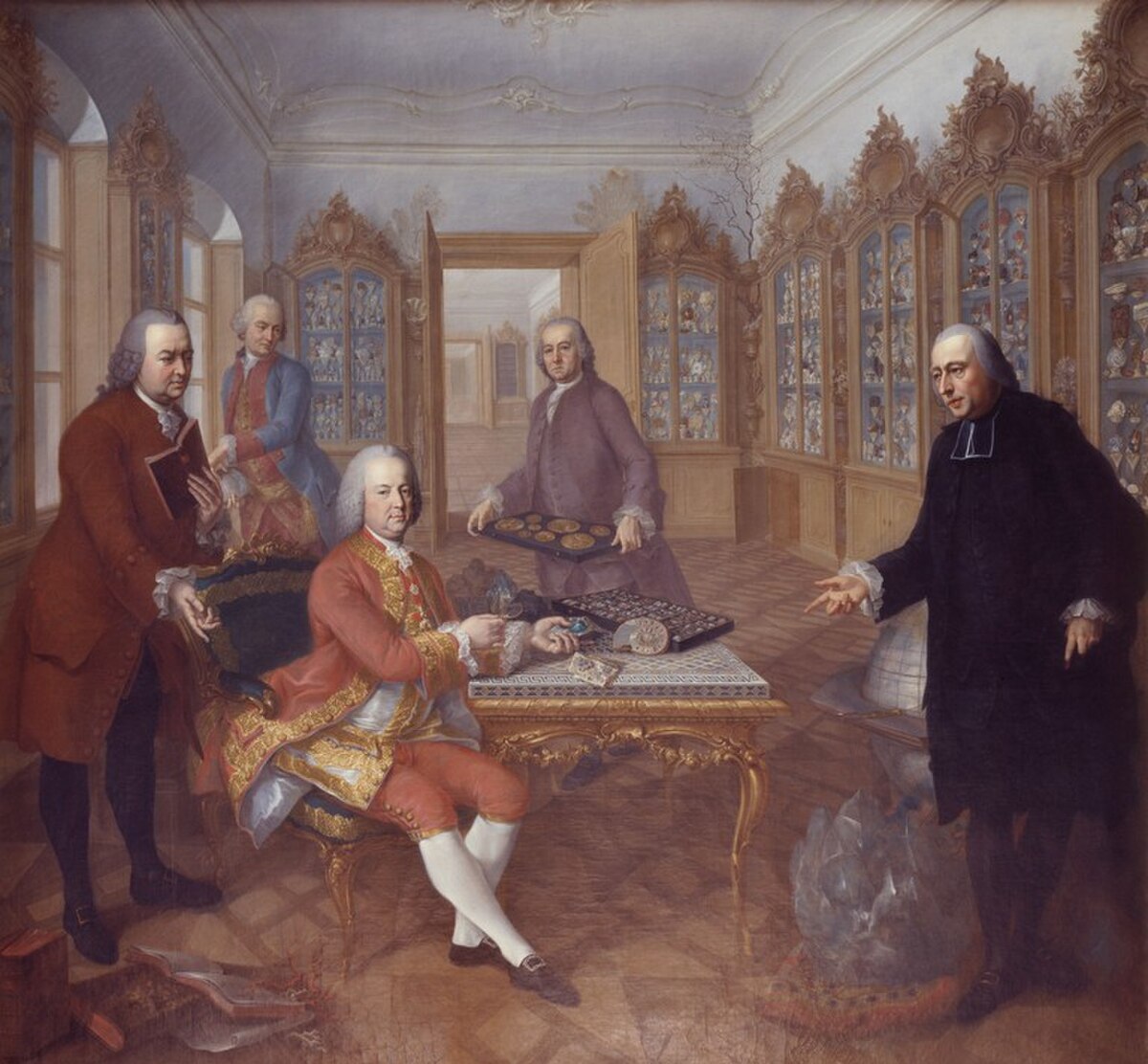
Painting depicting Francis I, Holy Roman Emperor, with his natural science advisors in a room filled with display cabinets. Franz Messmer (portraits) and Jakob Kohl (background), Public domain, via Wikimedia Commons
Whether it involves modern Tarot card reading or ancient Haruspicy, the reading of animal entrails, the goal remains the same: bypass the paralyzing fear of the unknown.
How divination rituals work
Divination attempts to organize seemingly random events to gain clarity on a specific question. In magic systems, it often serves an investigative role: a diviner identifies the cause of an ailment or danger before other rituals are used to treat it.
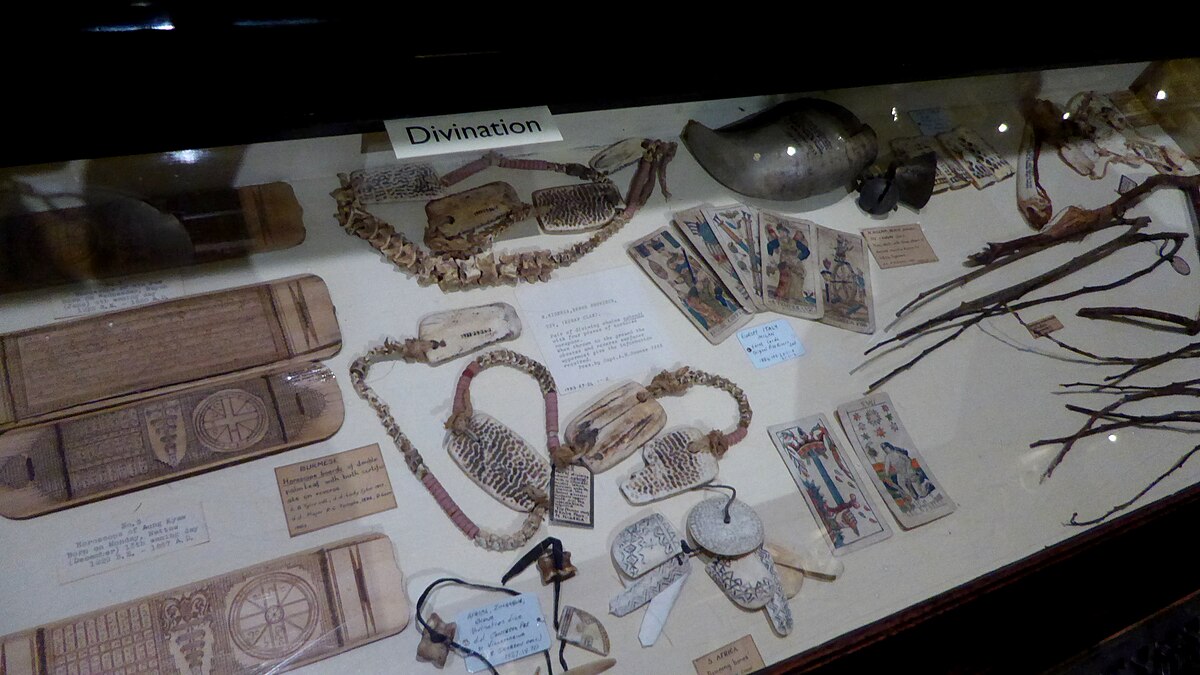
A museum display shows a cross-cultural range of historical objects and tools used by different societies to practice divination. Ethan Doyle White, CC BY-SA 4.0, via Wikimedia Commons
Methods span widely across cultures. Practitioners have examined animal entrails (extispicy), cast lots or dice (cleromancy), observed birds (ornithomancy), or used tools like Tarot cards, pendulums, rune casting, and tea leaves. While fortune-telling is an everyday, personal activity, divination carries a formal, ritual, and often social role within a religion or community.
Ancient military and political decisions
In ancient Greece, military leaders rarely advanced into battle without consulting seers (manteis). Seers performed sacrificial rites like the hiera, which involved inspecting a slaughtered sheep's liver, and the sphagia, which analyzed the throat-slitting, blood flow, and final movements of a young goat right on the front lines.
Greek oracles served as direct conduits for divine speech, but their limited schedules meant mobile seers handled most daily and tactical consultations. Outside Greece, Shang Dynasty rulers heated ox bones to read the resulting fractures, while figures like Alexander the Great sought confirmation from prominent sites like the Oracle of Amun at Siwa Oasis.
Skepticism and criticism
Divination has faced philosophical critique since antiquity. The Roman Academic skeptic Cicero attacked it in De Divinatione, Sextus Empiricus argued against astrologers, and the satirist Lucian wrote an essay exposing the false prophet Alexander.
Modern scientific testing does not support the claim that divination predicts the future more reliably than chance. While ancient groups like the Stoics defended its physical validity, modern critics view it as superstition, focusing instead on its historical and psychological roles.
Test yourself
Does divination primarily function as a method for predicting future events?
No. Divination is not about seeing the future, but rather about breaking mental stalemates by forcing your subconscious to reveal its true preference.
Does Divination function primarily as a way to predict actual future events?
No, it reveals subconscious intent.. Divination uses external randomness to break a mental deadlock. It functions as a mirror for your own hidden preferences rather than a reliable method for forecasting the future.
Play the lesson in edgi and the card is yours. It lands on your Map next to the ideas it connects to, and turns from matte to foil to gold as you learn more around it.
What is the difference between divination and fortune-telling?
Divination is a formal, ritual practice that carries a social or religious role within a culture. Fortune-telling is an informal, everyday activity used for personal purposes.
Did biblical figures practice divination?
Certain biblical texts like Deuteronomy prohibit divination, yet practices like casting lots (cleromancy) and using the Urim and Thummim appear in scripture. In Acts, the remaining eleven disciples cast lots to select a replacement for Judas Iscariot.
What is extispicy?
Extispicy is the practice of inspecting the entrails or abdominal organs of sacrificed animals to interpret divine messages. It was widely used in ancient Near Eastern and Greek rituals.