Hiring your money
Most people spend their lives trading hours for dollars. That is a linear, limited path. Investing is the act of buying an asset, a stock, a bond, or real estate, and hiring it to do the work you no longer want to do.

An investment is the commitment of money or resources into an asset with the goal of gaining more money or value over time. Instead of trading hours for wages, an investor acquires assets such as stocks, bonds, or real estate that generate returns through price increases or periodic income. A genuine investment creates real economic value, setting it apart from schemes that merely shuffle money between participants.

By the edgi team We find the most surprising true thing about an idea and build a 60-second lesson around it.

Most people spend their lives trading hours for dollars. That is a linear, limited path. Investing is the act of buying an asset, a stock, a bond, or real estate, and hiring it to do the work you no longer want to do.
In 1920, Charles Ponzi promised investors a 50% return in just 45 days. He claimed to exploit international postal coupons. In reality, he was just using new investors' cash to pay off the old ones.

That is the difference between an investment and a scam: a real investment creates value, while a scam just moves money around.
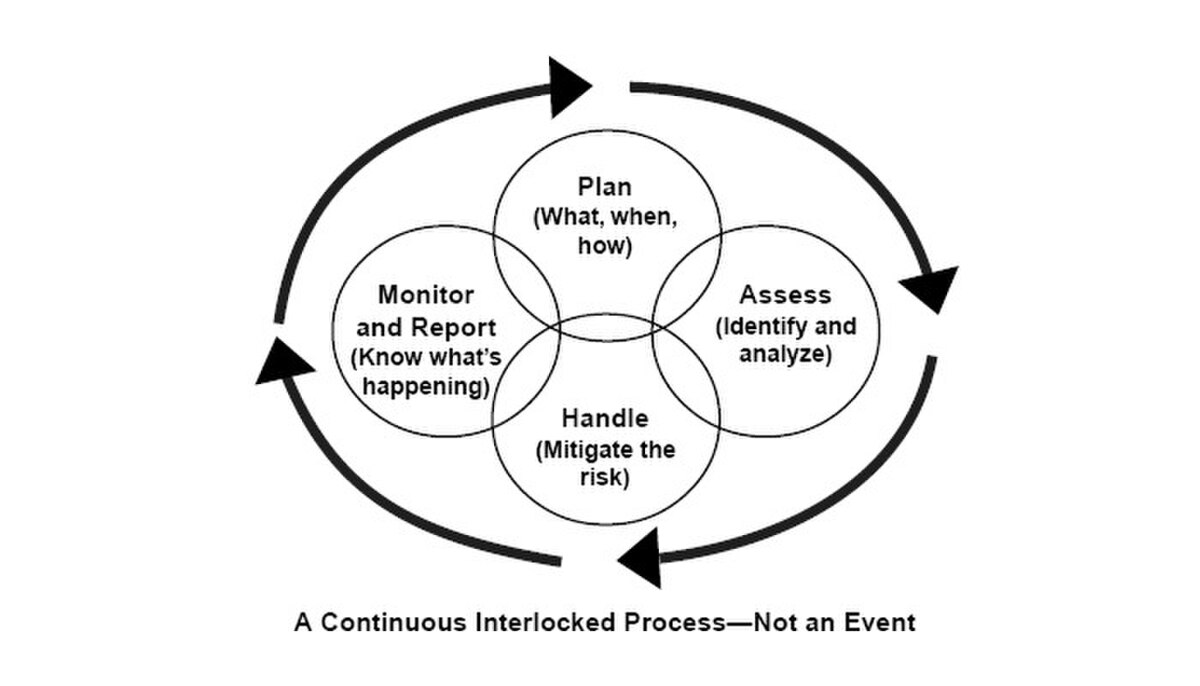
To make this work, you must manage the risk–return spectrum. Through asset allocation, you spread your resources across different vehicles.
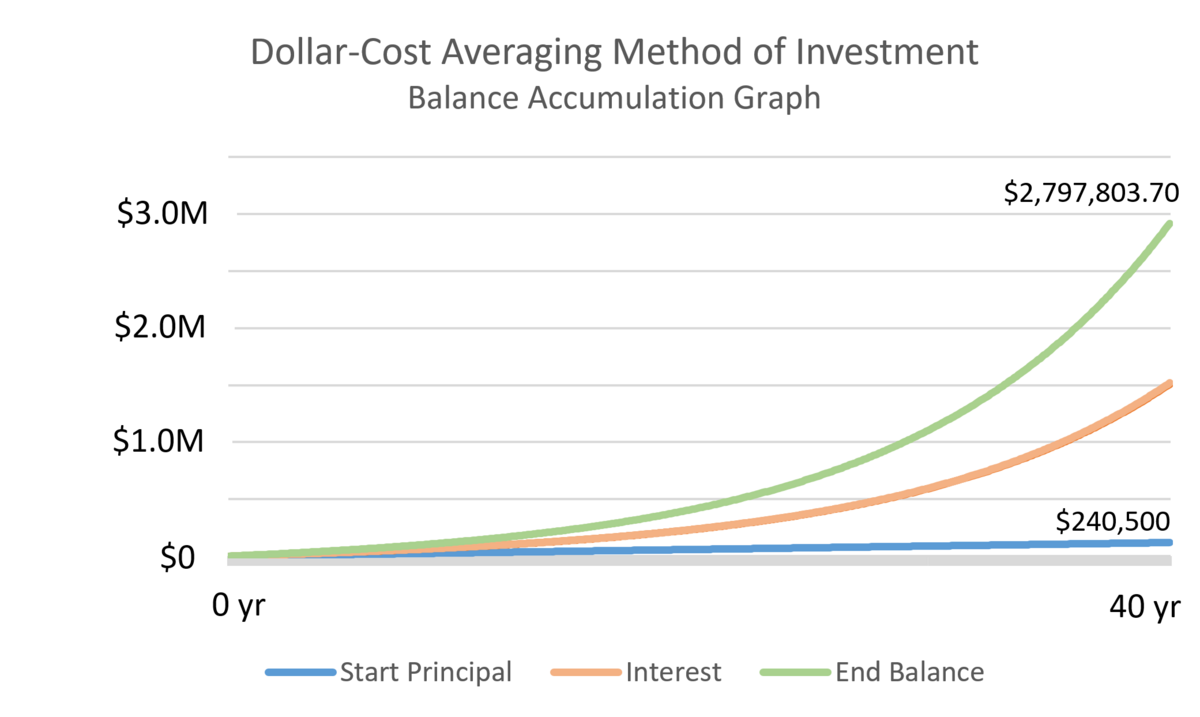
Reinvest what they earn, and your path bends from a linear salary into the exponential curve of compound growth.
In finance, the purpose of investing is to generate a return on the invested asset. That return comes in two primary forms: periodic income (such as dividends from stocks, interest from bonds, or rental income from real estate) and capital gains, which are profits made when an asset is sold for more than its purchase price. If the asset gains value but remains unsold, that profit is considered an unrealised capital gain.
Returns are directly tied to risk. Low-risk assets, such as government bonds or standard cash holdings, generally produce modest returns, while higher-risk assets offer the potential for larger gains alongside the risk of steep losses. In biotechnology, for instance, roughly 90% of researched products fail to reach the market because developing a single drug requires about 10 years and $2.5 billion. Investors reduce overall risk through diversification, which means spreading capital across different assets rather than concentrating it in one place.
Traditional financial investments include stocks, which represent equity ownership in publicly traded companies; bonds, which are loans issued to governments or businesses; cash held in specific currencies; and real estate held for rent or resale.
Beyond traditional assets, alternative investments include private equity, agricultural commodities like potatoes, energy supplies like natural gas, precious metals like gold, collectibles such as vintage cars or art, and digital assets like cryptocurrency. Sophisticated investors also trade derivatives, which are financial contracts such as futures or options whose values depend on the performance of underlying assets.
While historical investment codes date back to 1700 BCE in the Code of Hammurabi, modern investing emerged in the 17th century through maritime trade. Dangerous voyages to Asia prompted British, Dutch, and French ship owners to seek outside backers to finance expeditions in exchange for a share of travel profits.
In 1602, the founding of the Verenigde Oost-Indische Compagnie created the first publicly traded company and established the Amsterdam Stock Exchange. In America, organized trading formally began on May 17, 1792, with the signing of the Buttonwood Agreement, expanding from trading Alexander Hamilton's Revolutionary War bonds to over 300 stocks and bonds by the end of the Civil War in 1865.
What fundamentally separates a legitimate investment from a Ponzi scheme?
Real investments create economic value. A genuine investment generates new value through productive assets or businesses, whereas a scam merely redistributes cash from newer participants to older ones.
Is a Ponzi scheme an investment because it returns capital to early investors?
False. An investment requires the creation of actual value, whereas a Ponzi scheme merely redistributes money from new participants to existing ones without generating any underlying gain.
An investment always guarantees a positive return as long as the resources are committed for more than one year.
False. Investing involves risk, meaning there is no guarantee that value will increase regardless of the time horizon.
Collectible card
Play the lesson in edgi and the card is yours. It lands on your Map next to the ideas it connects to, and turns from matte to foil to gold as you learn more around it.
Investment requires committing capital and accepting the risk of financial loss. Arbitrage generates profit without committing capital or bearing risk.
Value investing is a strategy where an investor analyzes company financial reports and accounting ratios, such as earnings per share, to buy assets priced below their actual worth.
Short selling is an investment strategy that typically uses borrowed money and derivatives to profit from the decline in a stock's price.
Lesson complete
You finished the lesson. In edgi, the card goes on your Map next to everything else you learn.