The static myth
For a long time, scientists believed the adult brain was a static, unchanging machine. The prevailing dogma was that once you reached adulthood, your neural circuitry was locked in place.
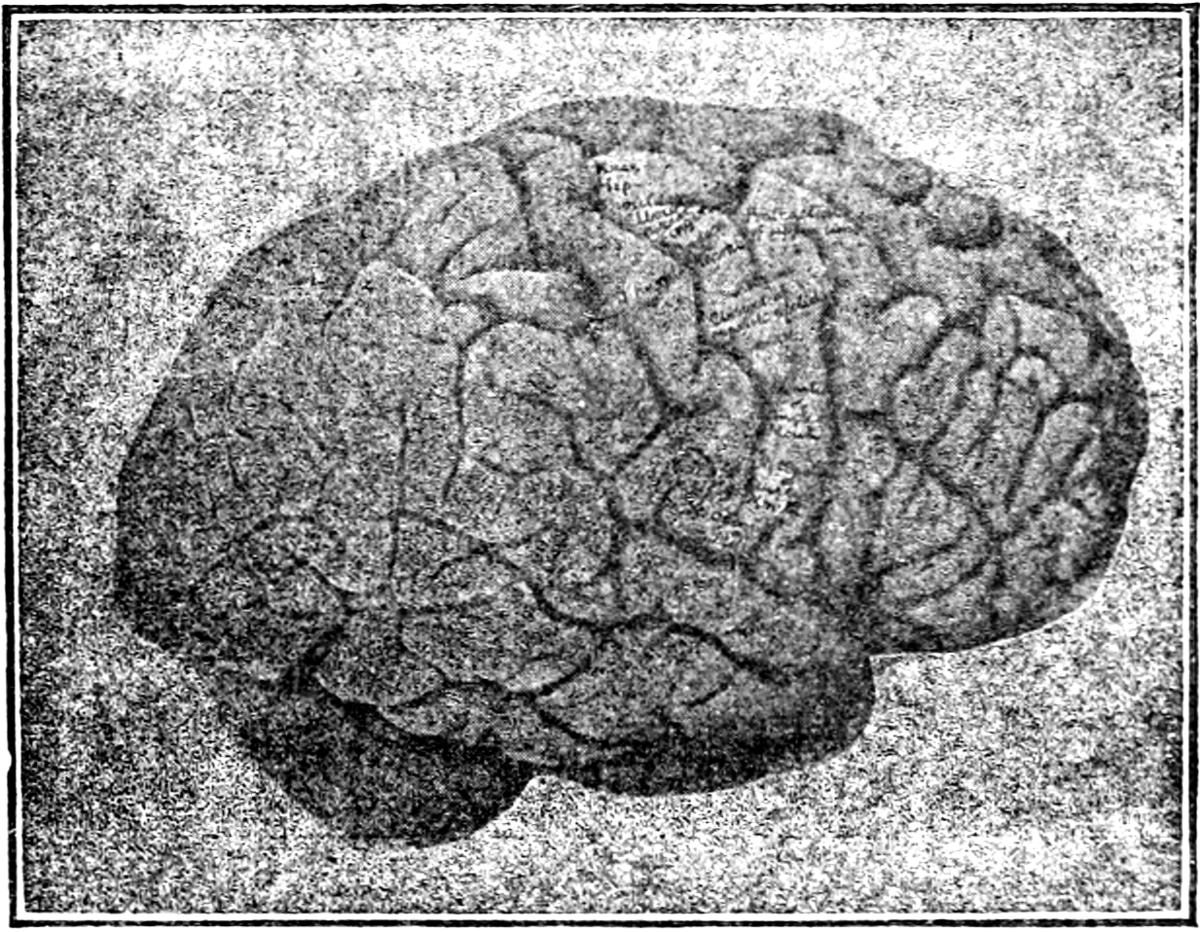
Neuroscience is the scientific study of the nervous system, including the brain, spinal cord, and peripheral nerves. Rather than operating like a static hard drive, the brain is an adaptive organ that physically rewires its circuits in response to experience and environment. It draws on biology, psychology, chemistry, and physics to explain how cellular activity produces learning, perception, and consciousness.

By the edgi team We find the most surprising true thing about an idea and build a 60-second lesson around it.
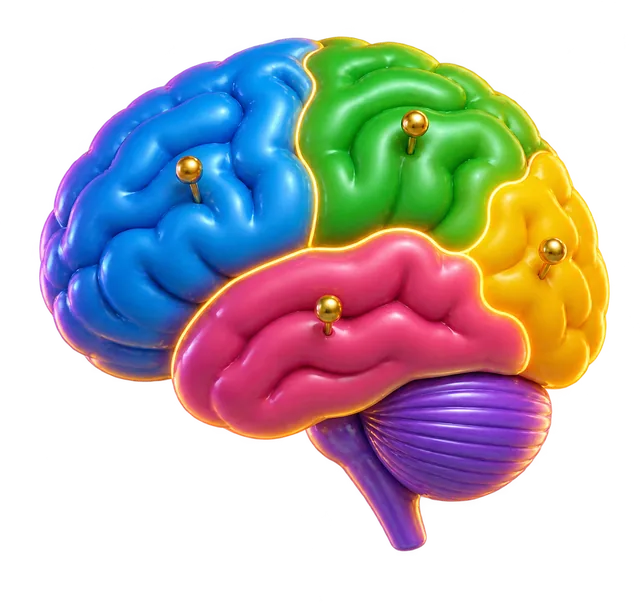
For a long time, scientists believed the adult brain was a static, unchanging machine. The prevailing dogma was that once you reached adulthood, your neural circuitry was locked in place.
In the 1960s, neuroscientist Marian Diamond decided to test this assumption. She placed rats in "enriched" environments filled with toys and social companions.
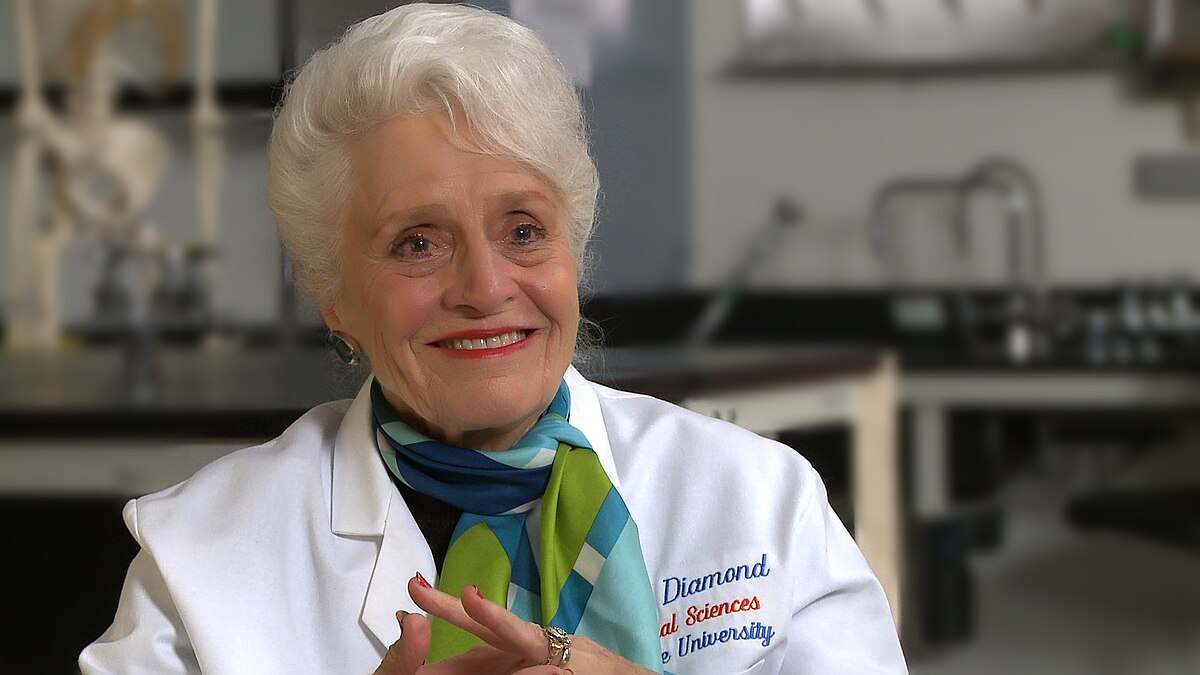
Their cerebral cortex grew physically thicker and heavier than those of rats kept in isolation. This experiment proved the brain is a living, adaptive organ that responds to its environment.
This constant physical rewiring is called neuroplasticity. It is the mechanism that allows us to recover from brain injuries and master complex new skills.
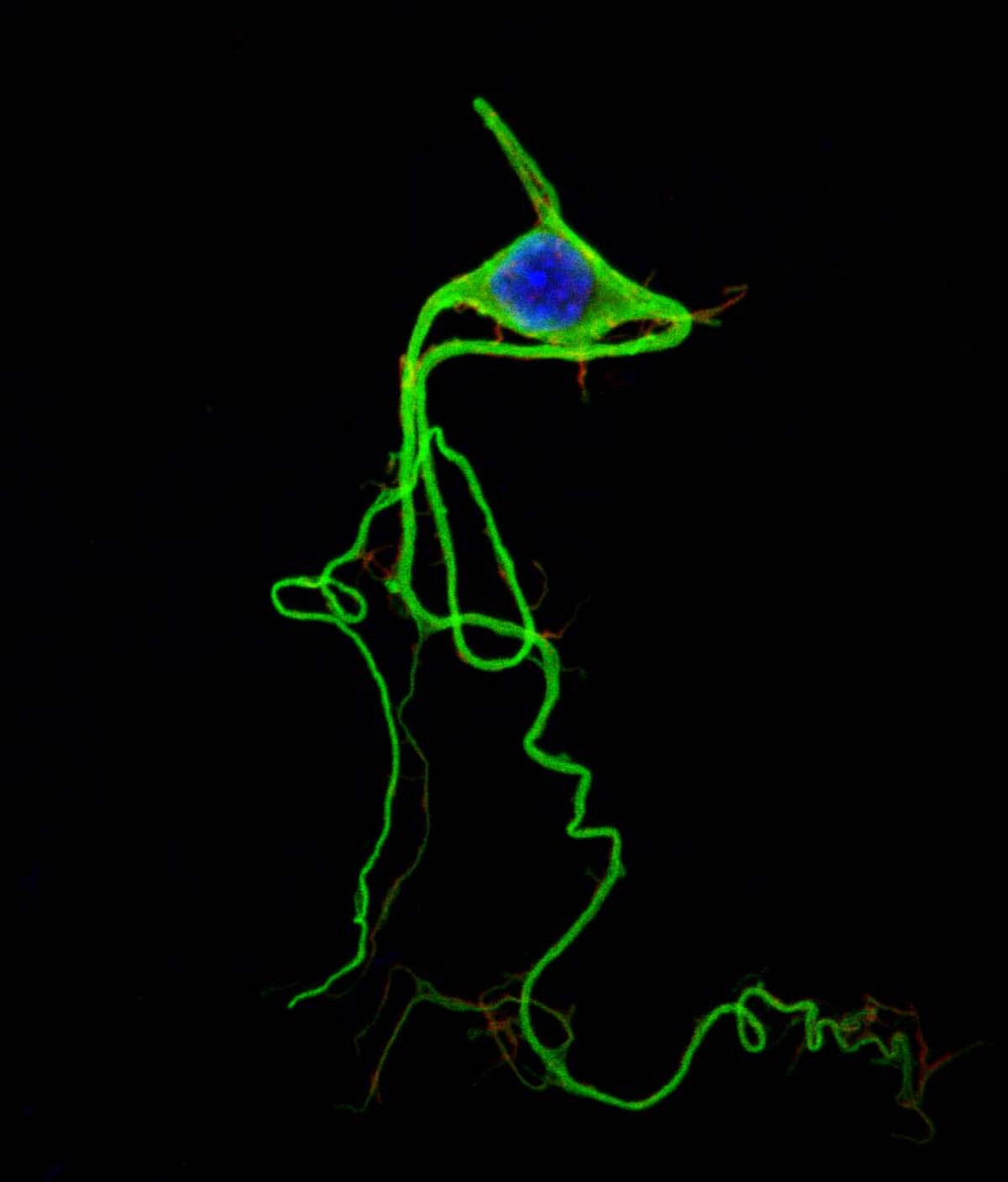
Your brain is not just a hard drive storing memories; it is a machine that builds its own hardware as it runs.
Ancient Egyptian embalmers scooped the brain out through the nostrils with an iron hook because they viewed it as useless cranial stuffing and believed the heart was the true seat of intelligence. While Greek thinkers like Hippocrates and Roman physicians like Galen noticed that head injuries destroyed mental faculties, the modern biological understanding of the brain did not emerge until researchers could see individual nerve cells.
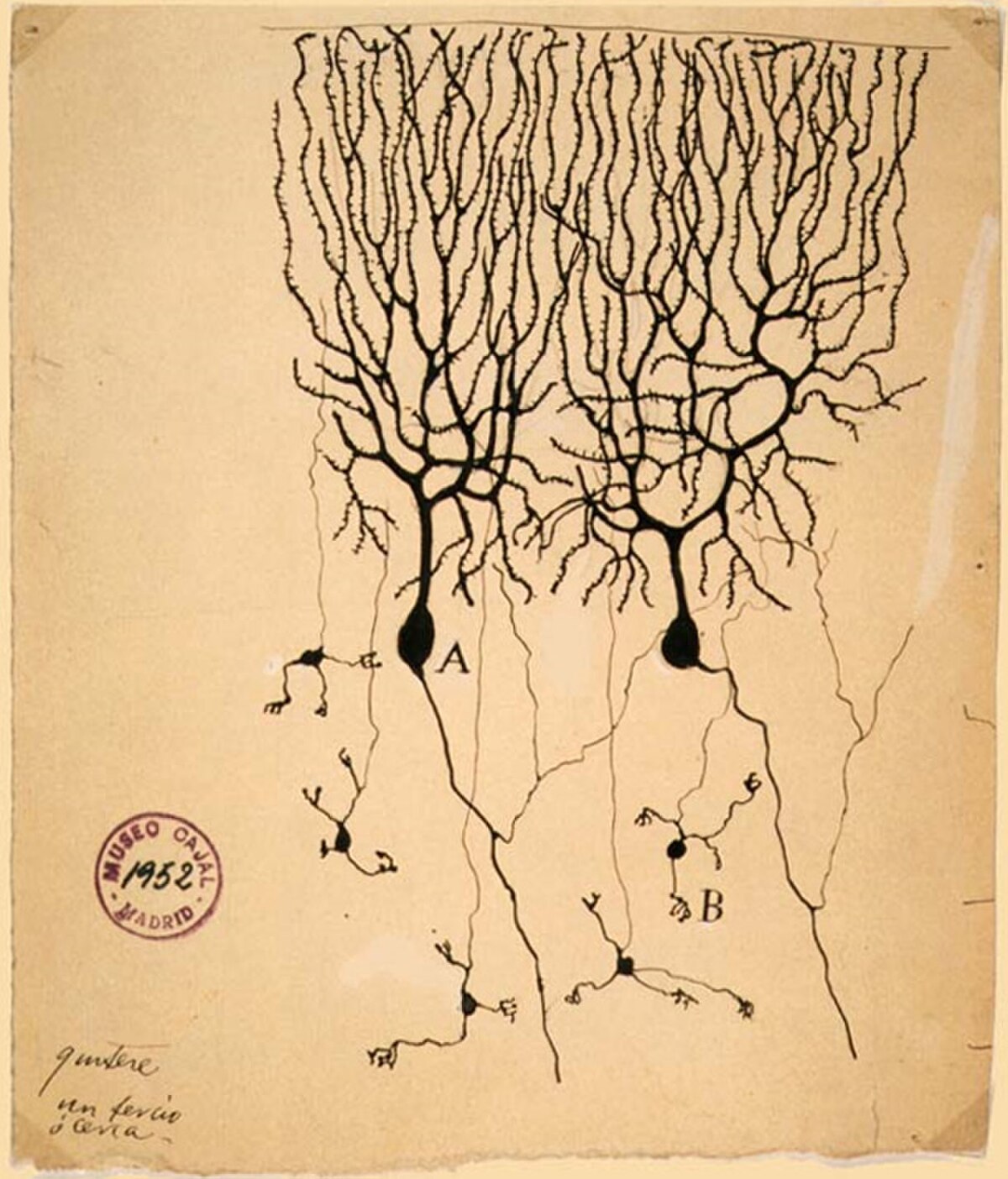
In the late 1890s, Camillo Golgi invented a staining technique using silver chromate salt to make nerve cells visible under a microscope. Santiago Ramón y Cajal used this stain to formulate the neuron doctrine: the principle that individual neurons are the fundamental functional units of the nervous system. In 1897, Charles Scott Sherrington introduced the term synapse to describe the junction where these individual neurons connect and communicate.
In the late 1700s, Luigi Galvani demonstrated that nerve and muscle tissue rely on electrical excitability. Emil du Bois-Reymond showed the electrical nature of nerve signals in 1843, and Hermann von Helmholtz soon measured their speed.
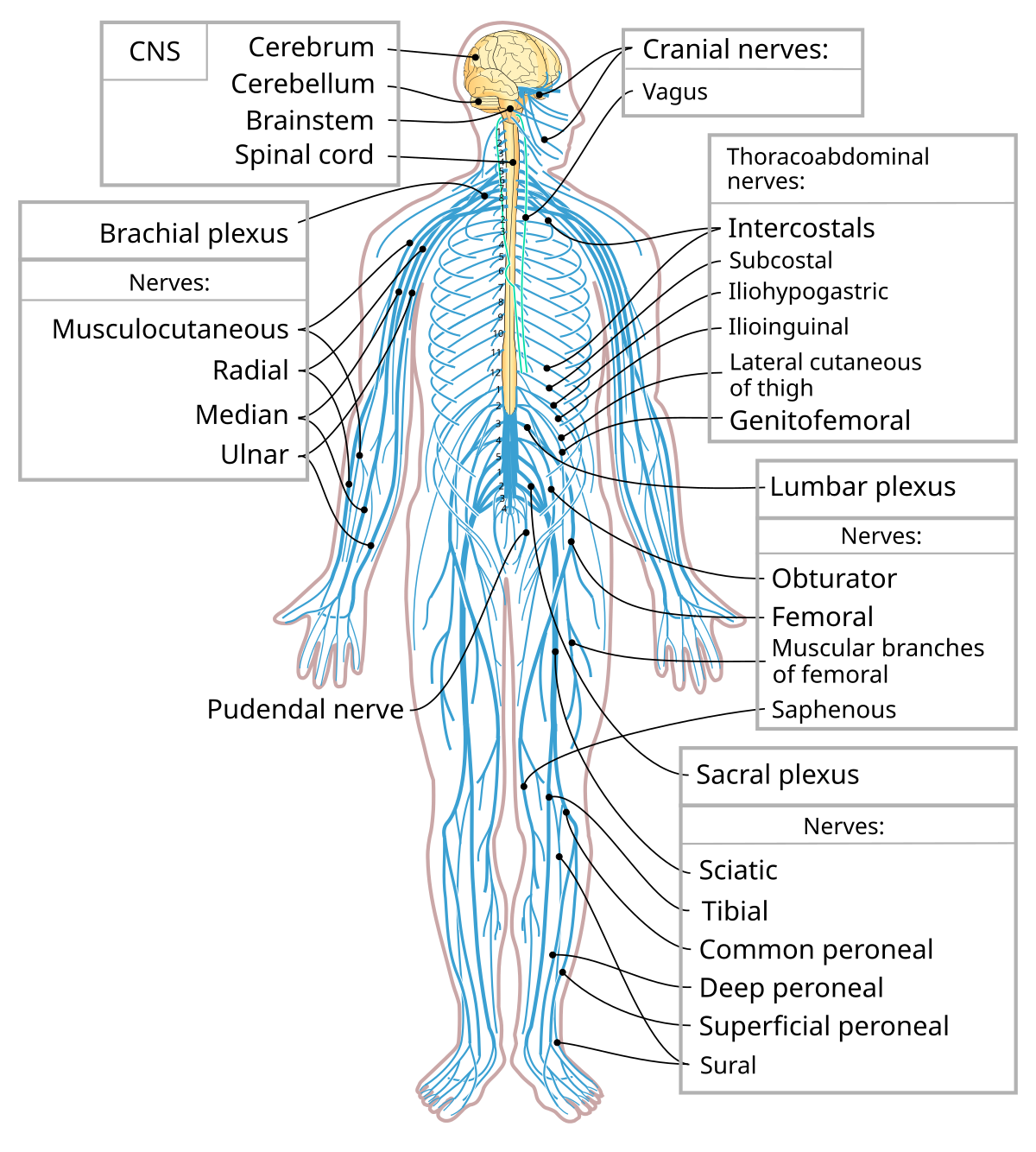
Researchers also discovered that specific functions belong to distinct anatomical regions. Marc Dax and Paul Broca linked specific brain lesions to language loss, while John Hughlings Jackson deduced the layout of the motor cortex by observing how epileptic seizures spread across the body. In 1909, Korbinian Brodmann published a cytoarchitectonic map dividing the cerebral cortex into 52 distinct areas based on cell structure, a classification system modern neuroimaging still uses to identify regions activated during cognitive tasks.
Which finding best shows experience reshaping a human brain?
Taxi drivers had a larger posterior hippocampus. Brain scans of London taxi drivers who learned the city's streets showed a larger memory region. The other options are not human brain measurements.
Why is human enrichment research harder than rat research?
People can't be randomly assigned to bare rooms. Rat studies randomly assign animals to cages. For people, groups already differ in income, schooling, and health, so causes are tangled.
A synapse gets stronger after repeated use. What has most likely happened at the receiving neuron?
It has added more AMPA receptors. Calcium entry triggers insertion of more AMPA receptors, so the same glutamate signal now produces a bigger response.
Collectible card
Play the lesson in edgi and the card is yours. It lands on your Map next to the ideas it connects to, and turns from matte to foil to gold as you learn more around it.
Trepanation is a surgical procedure dating back to the Neolithic period where a hole is drilled or scraped into the skull. Ancient practitioners used it to treat head injuries, alleviate cranial pressure, and manage mental disorders.
Brodmann areas are 52 distinct regions of the cerebral cortex mapped out by German anatomist Korbinian Brodmann in 1909. He categorized these areas based on their cellular structure, and researchers still use his anatomical map to track brain activation during tasks.
Neuroscience emerged as an independent academic discipline in the 20th century. Pioneers like David Rioch, Francis O. Schmitt, and Stephen Kuffler established the field by combining basic anatomical and physiological research with clinical psychiatry.
Lesson complete
You finished the lesson. In edgi, the card goes on your Map next to everything else you learn.

