Nutrition is the biological process where an organism takes in food and water to create energy and build living tissue. Getting enough calories is not the same as getting proper nutrition, because cells require specific raw materials they cannot manufacture on their own. Missing even tiny amounts of an essential nutrient can cause severe disease and malnutrition.
By the edgi team We find the most surprising true thing about an idea and build a 60-second lesson around it.
In the 1880s, Japanese sailors were dying of beriberi despite eating full, daily meals of polished white rice. Doctors searched for a mystery germ, but naval doctor Takaki Kanehiro suspected a dietary cause.
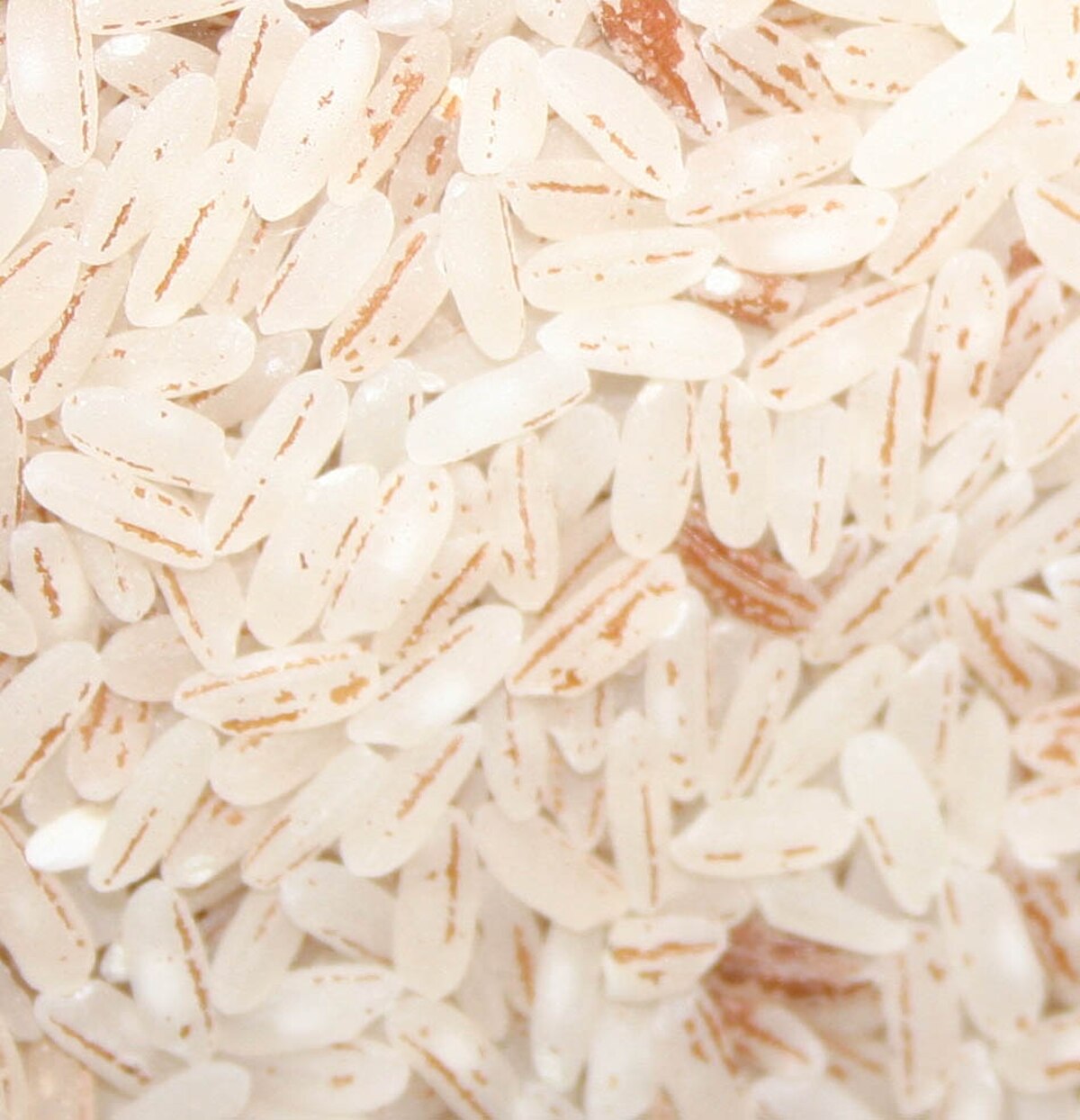
Close-up view of white African rice grains (Oryza glaberrima) after the bran and germ have been removed. CC BY-SA 2.0 de, via Wikimedia Commons
He realized the rice lacked essential micronutrients. By adding meat and barley to the rations, he cured the entire fleet, proving that a lack of nutrients is as deadly as a poison.
The body as a factory
Nutrition is not just fuel for energy; it is the raw material for your biological machinery. Your body is a constant construction site that needs specific vitamins and minerals to repair DNA and build enzymes.
When you lack these parts, the body begins to break down its own tissues to scavenge for them, literally eating itself to keep the lights on.
Calories are not enough
We often confuse nutrition with calories, but calories are just raw energy units. You can meet your energy needs with sugar or fat, but you will still suffer from malnutrition if you lack the micro-level components needed to process that energy.
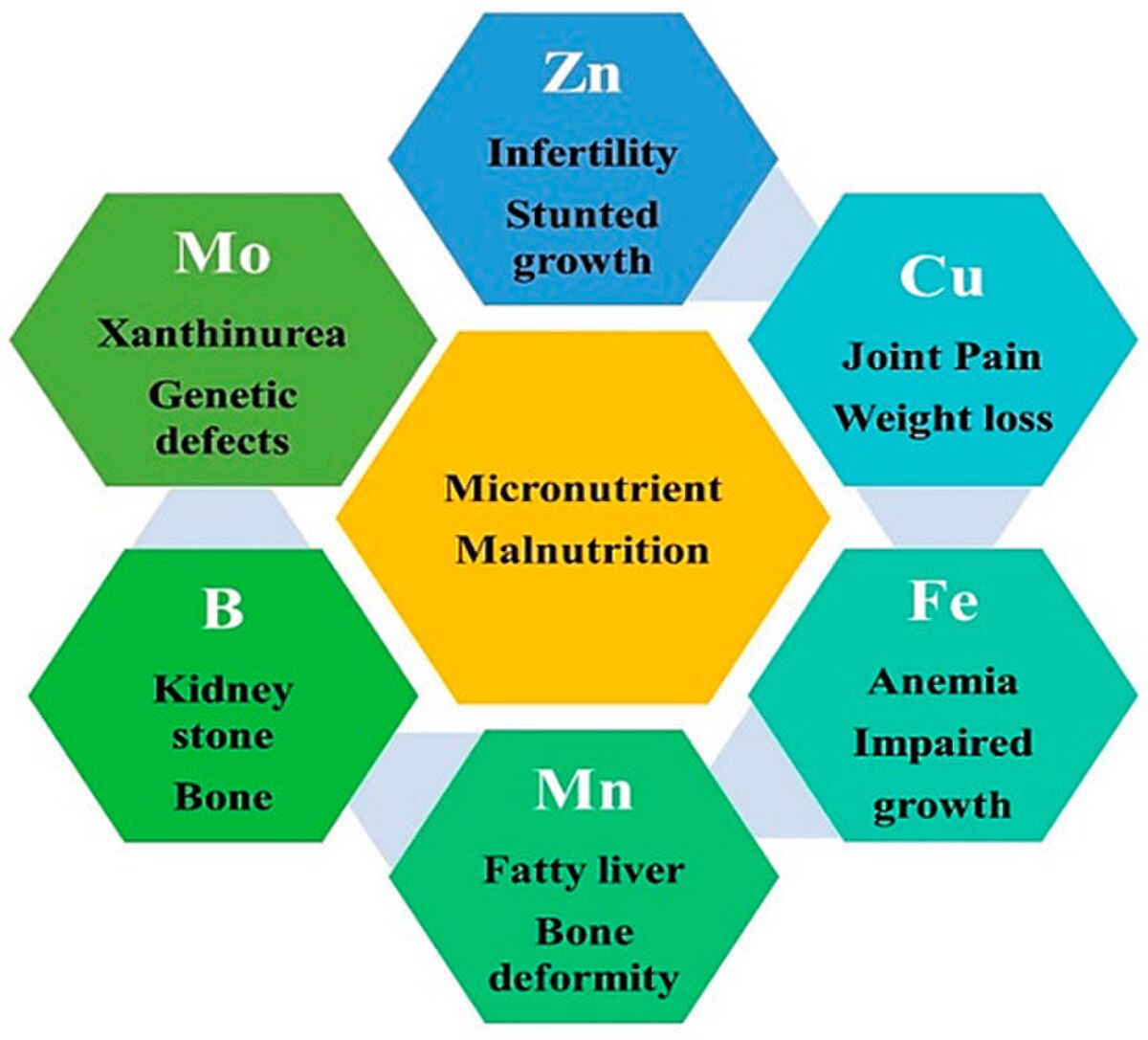
A diagram illustrates the effects of trace element malnutrition (micronutrient malnutrition) on human health, with a central hexagon labeled "Micronutrient Malnutrition". Salwinder Singh Dhaliwal, CC BY 4.0, via Wikimedia Commons
Food is the instruction manual and the supply crate for your cells.
How cells turn food into physical structures
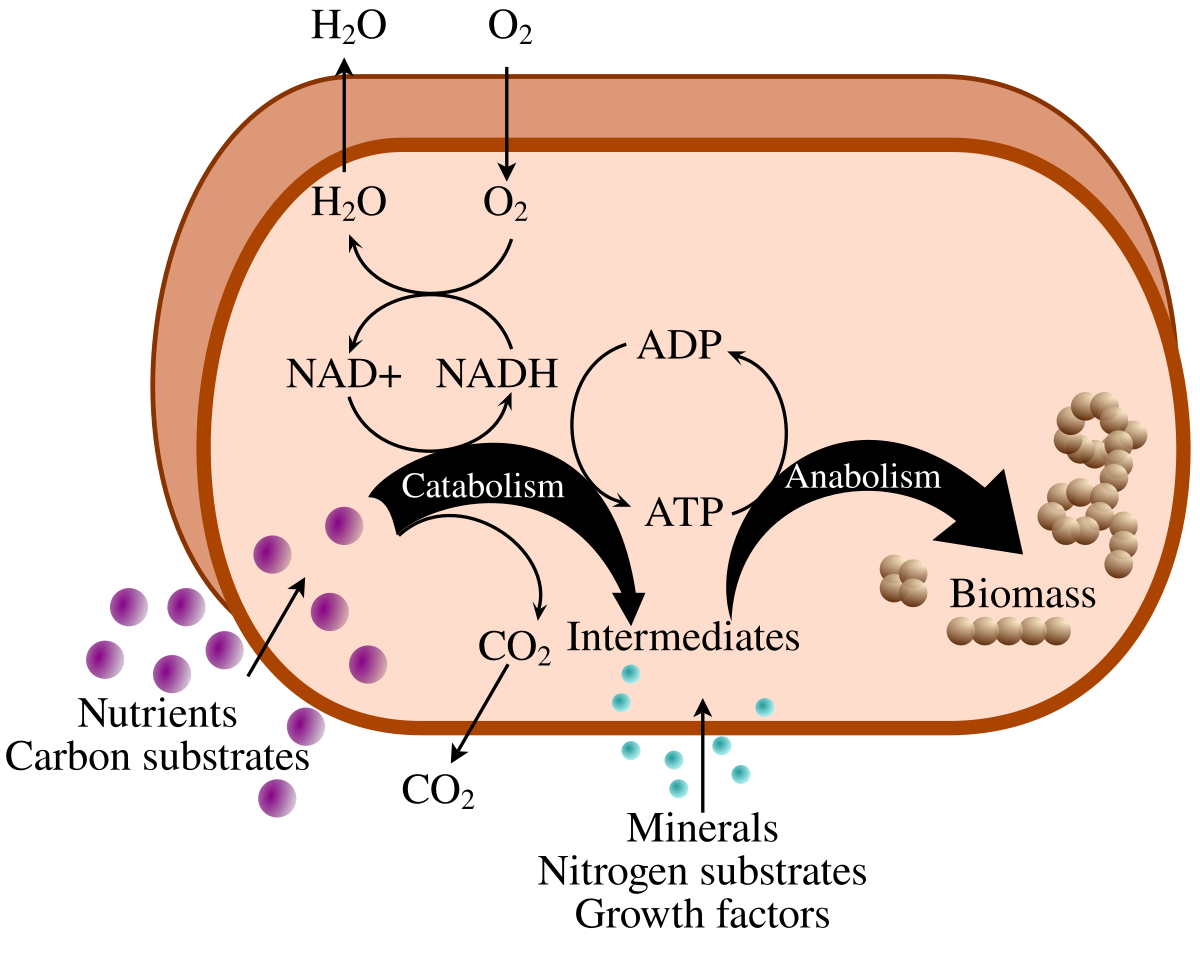
Cells do not simply burn food for heat. They run four connected stages of metabolic reactions to turn what you eat into physical structures. Fueling reactions break down nutrients to yield energy and basic precursor molecules.
This chart illustrates how metabolic pathways convert raw chemical inputs into the energy and molecules that cells need to function. Д.Ильин: vectorization, CC0, via Wikimedia Commons
Biosynthetic reactions convert those small precursors into building block molecules, which polymerizations join together into long chains. Assembly reactions then use these chains to build and repair the physical components of the cell.
The difference between macronutrients and micronutrients
An essential nutrient is a compound that an organism cannot synthesize on its own and must consume directly. Nutrients fall into two main categories: macronutrients, which the body requires in large quantities, and micronutrients, which it needs only in trace amounts.
Carbohydrates, fats, and proteins provide the primary mass and energy needed for daily survival. Micronutrients consist of organic vitamins and inorganic minerals. Modern nutrition science grew rapidly in the 1910s as researchers began identifying these trace compounds, isolating thiamine in 1926 and vitamin C in 1932. Consuming too many macronutrients increases the risk of obesity, type 2 diabetes, stroke, and heart disease, while lacking specific micronutrients halts the body's internal repair machinery.
How different organisms acquire nutrients
Every living organism needs carbon, energy, and water, but species obtain them through distinct survival strategies. Autotrophs manufacture their own nutrients using inorganic carbon from substances like carbon dioxide. Heterotrophs, including animals, must eat other organisms to obtain organic carbon, complex proteins, and fats.
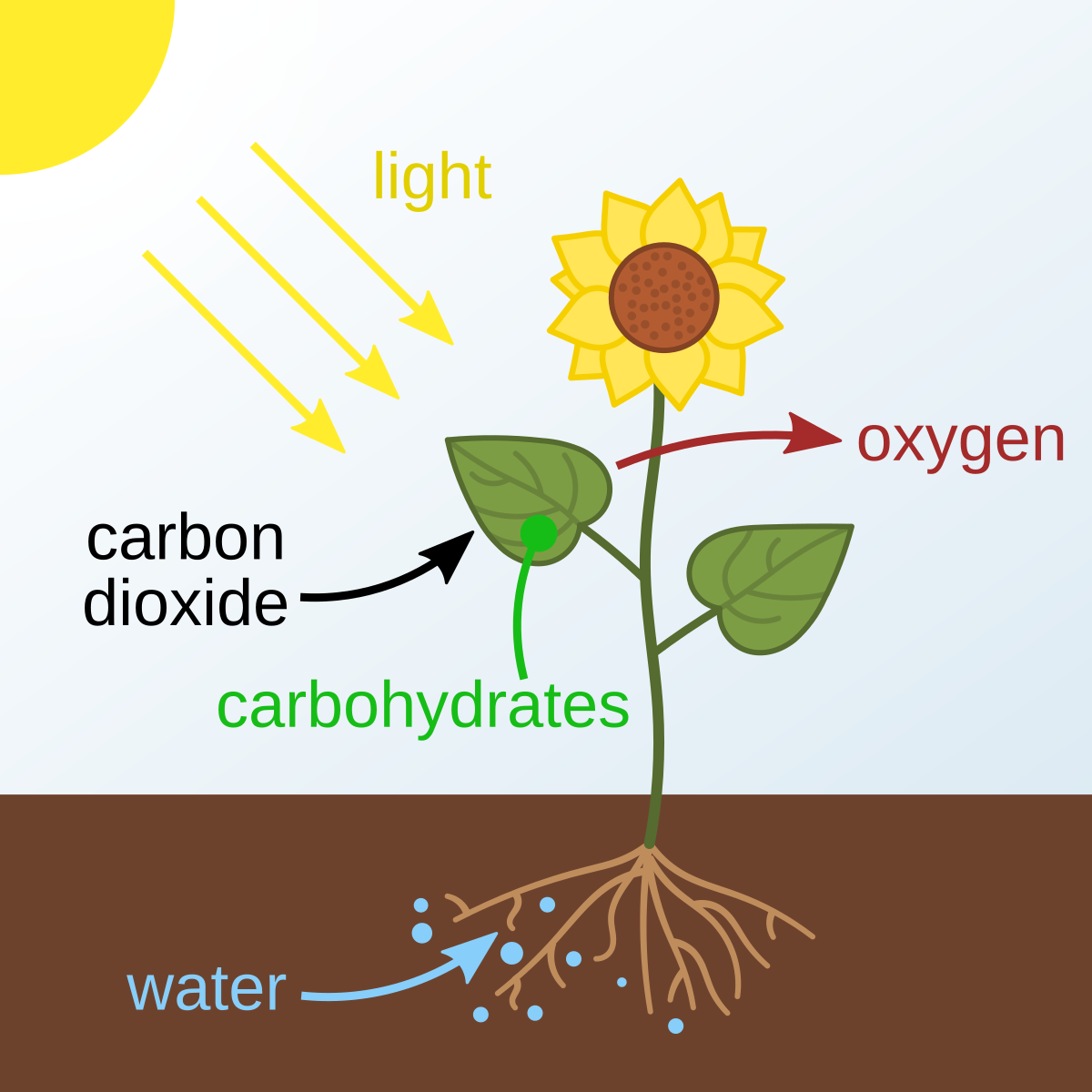
This diagram shows how autotrophic plants capture light energy to produce carbohydrates from inorganic carbon dioxide and water. At09kg, Wattcle, Nefronus At09kg: original Wattcle: vector graphics Nefronus: redoing the vector graphics, CC BY-SA 4.0, via Wikimedia Commons
Some species cross these boundaries. Mixotrophs combine both strategies; examples include certain plankton and carnivorous plants. Plants draw minerals and water through soil while absorbing light, and fungi break down matter externally to absorb nutrients through their mycelium.
Test yourself
What do cells do with the protein you eat?
Rebuild it from amino acids. Digestion splits food protein into amino acids. Cells then follow their own genes to assemble the proteins they need.
An enzyme is built correctly but is inactive. Which missing item could explain it?
A cofactor such as zinc. Many enzymes need a non-protein helper called a cofactor to work. Without it, a properly folded enzyme cannot catalyze its reaction.
An animal eats enough daily calories but loses muscle mass. What is the most likely cause?
Scavenging tissues for missing nutrients. Calories alone cannot maintain the body; without essential building blocks, the organism cannibalizes its own tissues to find them.
Play the lesson in edgi and the card is yours. It lands on your Map next to the ideas it connects to, and turns from matte to foil to gold as you learn more around it.
Why were the first recommended dietary allowances created?
Governments developed the first dietary standards during the Great Depression and the Second World War. They were designed to prevent widespread diseases caused by nutrient deficiencies during times of food scarcity.
What is the difference between an autotroph and a heterotroph?
Autotrophs produce their own nutrients from inorganic sources such as carbon dioxide and sunlight. Heterotrophs cannot make their own food and must consume other living or dead organisms to obtain carbon and energy.
What happens during a nutrient cycle?
Inorganic elements like carbon, nitrogen, sulfur, and phosphorus cycle continuously between soil, air, water, and living tissue. This recycling allows essential elements to return to the environment after organisms use them.