Sonic BoomWhy it is continuous, not a one-time pop
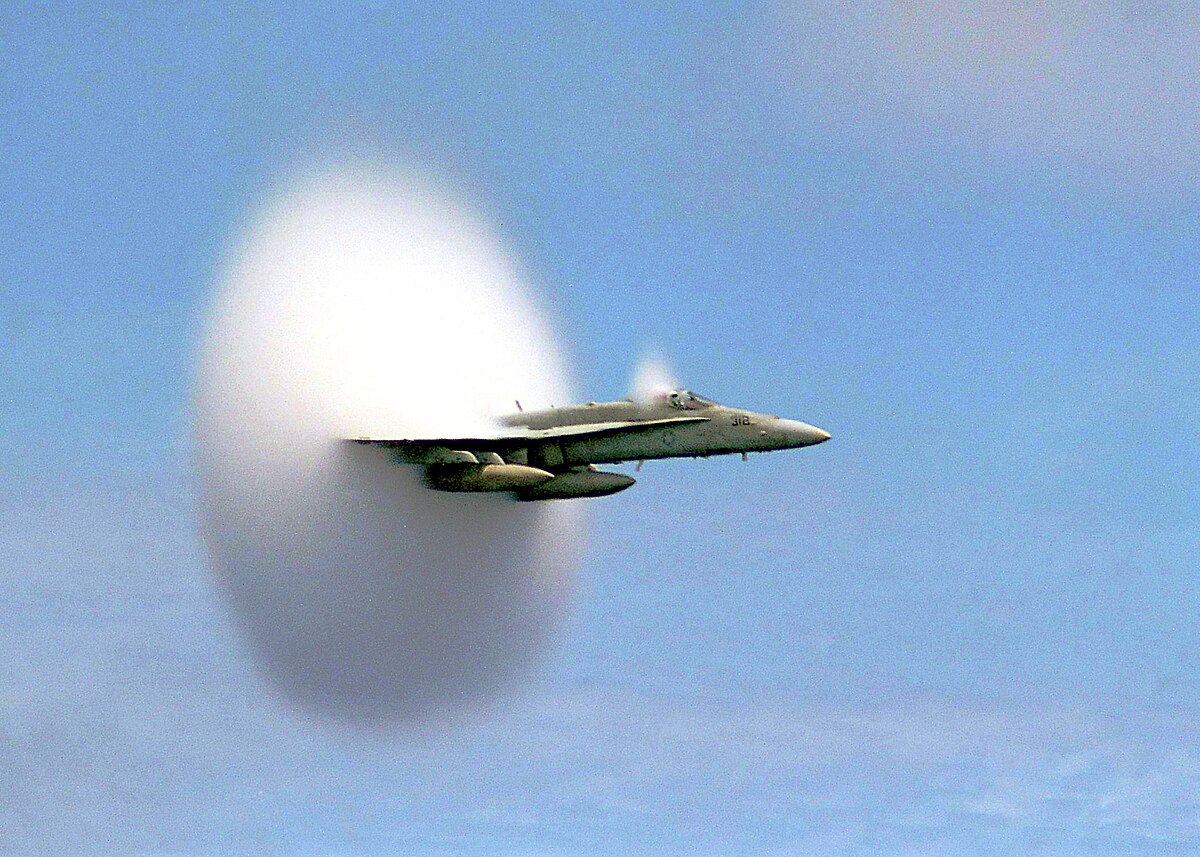
A sonic boom is a loud sound resembling an explosion caused by shock waves when an object moves faster than the speed of sound. It does not occur only at the instant an object breaks the sound barrier. Instead, it is a continuous wake of compressed air trailing the moving object that observers hear whenever the cone passes over them.
By the edgi team We find the most surprising true thing about an idea and build a 60-second lesson around it.
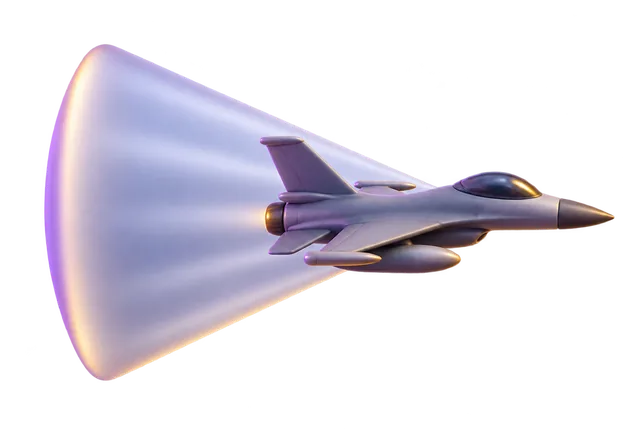
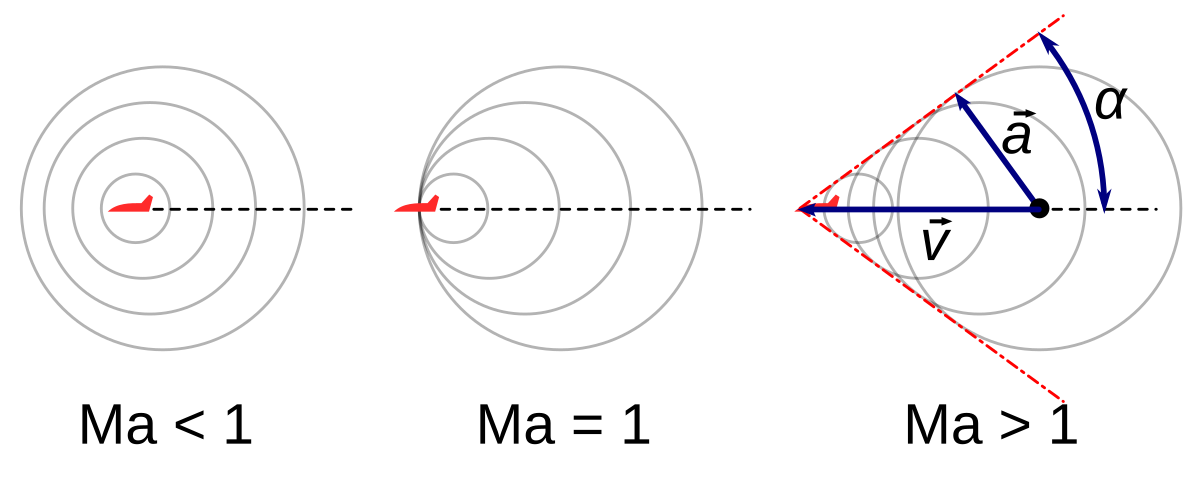
When an object travels at supersonic speed, it moves faster than the sound waves it produces. These waves pile up into a massive, conical shock wave that trails behind the object like a wake behind a boat.
Diagram comparing sound wave propagation at different Mach numbers. F l a n k e r, Public domain, via Wikimedia Commons
You only hear the 'boom' when that invisible cone of compressed air finally sweeps over your ears.
The oklahoma experiment
In 1964, the U.S. government spent six months sonic-booming Oklahoma City 1,253 times to see if residents could 'get used' to them. The results were disastrous: windows shattered, plaster cracked, and citizens were driven to the brink of madness.
The interior of the Drama Theatre in Chelyabinsk shows extensive damage caused by the shock wave from a meteor event. Nikita Plekhanov, CC BY-SA 3.0, via Wikimedia Commons
It proved the human ear cannot adapt to the shock wave, effectively killing the future of overland supersonic flight.
Smaller booms
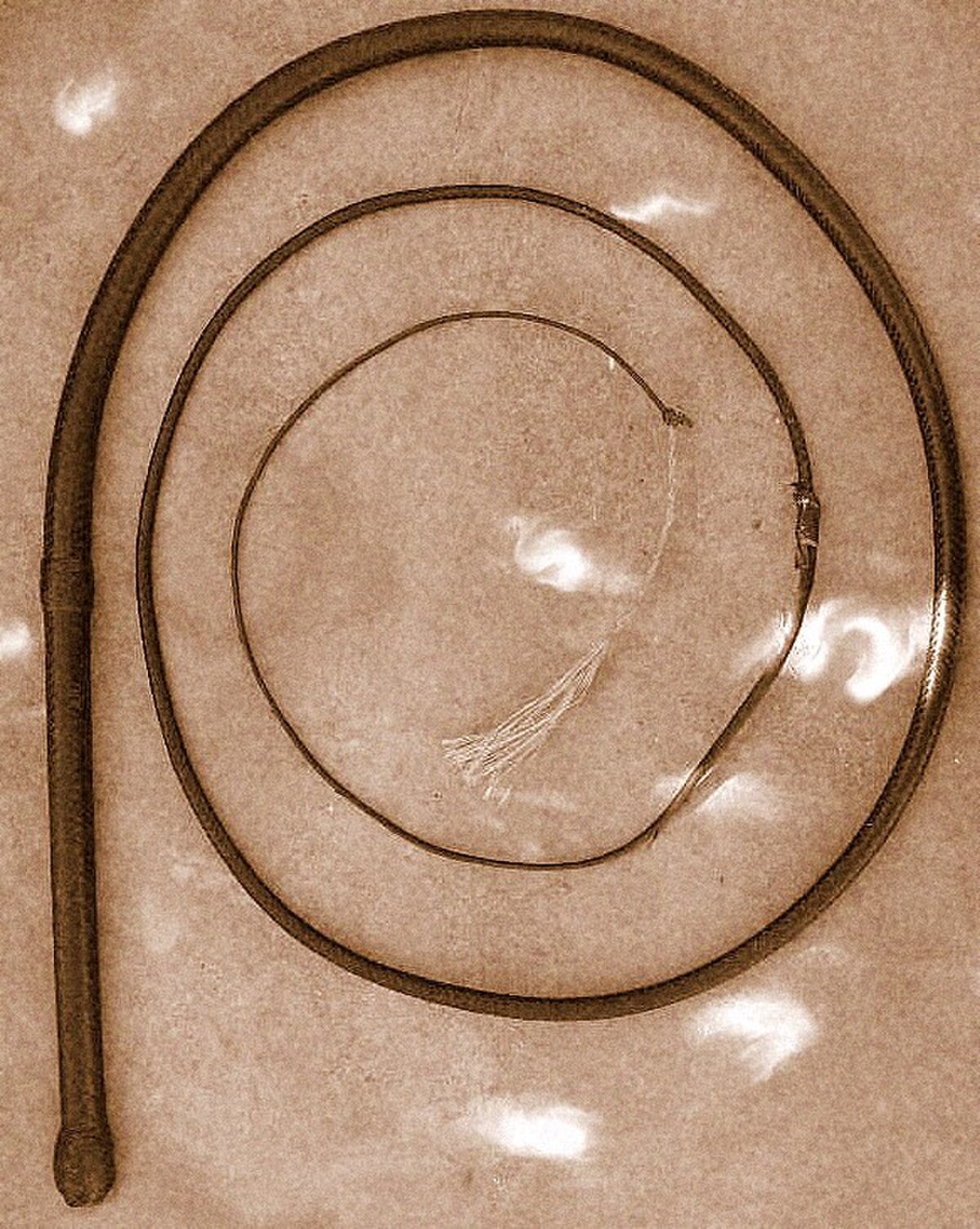
Sonic booms aren't just for heavy jets. They happen whenever something exceeds the speed of sound. The sharp crack of a bullwhip is actually a miniature sonic boom created by the tip breaking the sound barrier.
An Australian bullwhip, coiled on a light-colored surface, showing its long braided thong, cracker, and handle. Cgoodwin, CC BY-SA 3.0, via Wikimedia Commons
Today, engineers are testing planes like the Lockheed Martin X-59 to try and reshape the air into a quieter 'thump'.
How shock waves form a Mach cone
As an aircraft flies, it pushes air out of its path, producing pressure waves at its nose and tail that travel at the speed of sound, roughly 1,192 km/h (741 mph) at sea level and 20 °C (68 °F). When the aircraft reaches this speed, known as Mach 1, these pressure waves cannot move out of the way quickly enough. They compress and merge into a single shock wave.
In smooth flight, this shock wave radiates outward as a conical surface called a Mach cone, with the aircraft positioned at the tip. The faster the plane flies relative to the speed of sound, the narrower and more pointed this cone becomes.
Why supersonic jets create a double boom
A passing supersonic jet does not produce just one abrupt pressure spike. The pressure rises rapidly at the nose of the plane, drops steadily to a negative pressure near the tail, and then snaps abruptly back to normal ambient pressure once the aircraft passes. This pressure signature forms an N-wave.
Because human ears perceive sudden pressure jumps as distinct sounds, an N-wave produces two separate booms in quick succession: one from the initial rise at the nose, and a second when the pressure returns to normal at the tail. When an aircraft maneuvers, these pressure variations can shift into amplified U-waves.
The boom carpet and structural impact
Because an aircraft produces shock waves continually throughout supersonic flight, the conical wave sweeps across the ground along the entire flight path. This affected strip of terrain is called the boom carpet, and its total width depends directly on the altitude of the plane.
Under standard conditions, peak overpressure from an N-wave ranges between 50 and 500 pascals (1 to 10 pounds per square foot). Buildings in good repair generally endure up to 530 pascals without damage, though stronger shock waves can shatter glass. The highest overpressure ever recorded reached 7,000 pascals, generated by an F-4 jet flying just above the speed of sound at an altitude of 100 feet (30 meters).
Play the lesson in edgi and the card is yours. It lands on your Map next to the ideas it connects to, and turns from matte to foil to gold as you learn more around it.
A sonic boom is not limited to supersonic jets. The crack of a bullwhip, the snap of a rolled-up towel, and a supersonic bullet passing overhead are all small-scale sonic booms caused by objects exceeding the speed of sound.
Why were overland supersonic flights banned?
Large supersonic aircraft create loud, startling booms that disrupt communities and risk minor structural damage like broken glass. These continuous disturbances led regulators to prohibit routine supersonic flights over land.