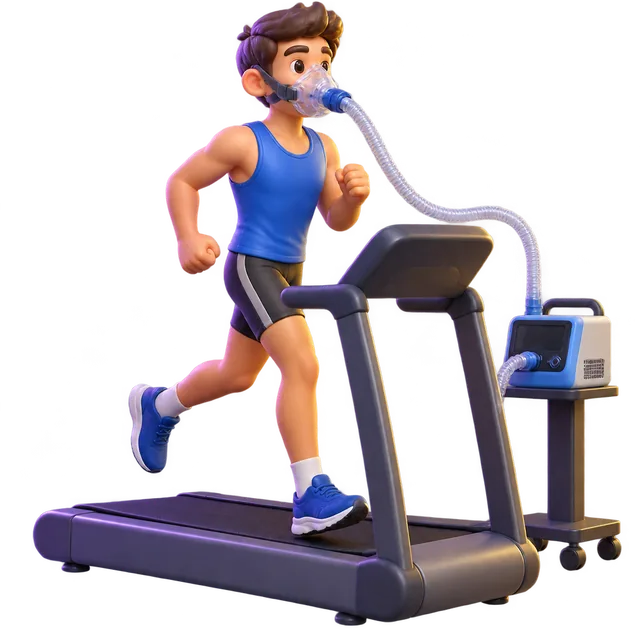
Sports science is the study of how the healthy human body responds and adapts to physical exercise. It analyzes everything from cellular processes to full-body movement to improve athletic performance and overall health. Instead of relying on guesswork, it turns physical training into a data-driven branch of human biology.
By the edgi team We find the most surprising true thing about an idea and build a 60-second lesson around it.
In the 1960s, athletic training was mostly trial and error. Today, it is a high-stakes branch of biology. Sports science treats the athlete as a biological system to be optimized. Researchers track everything from cellular stress to the biomechanics of a stride.
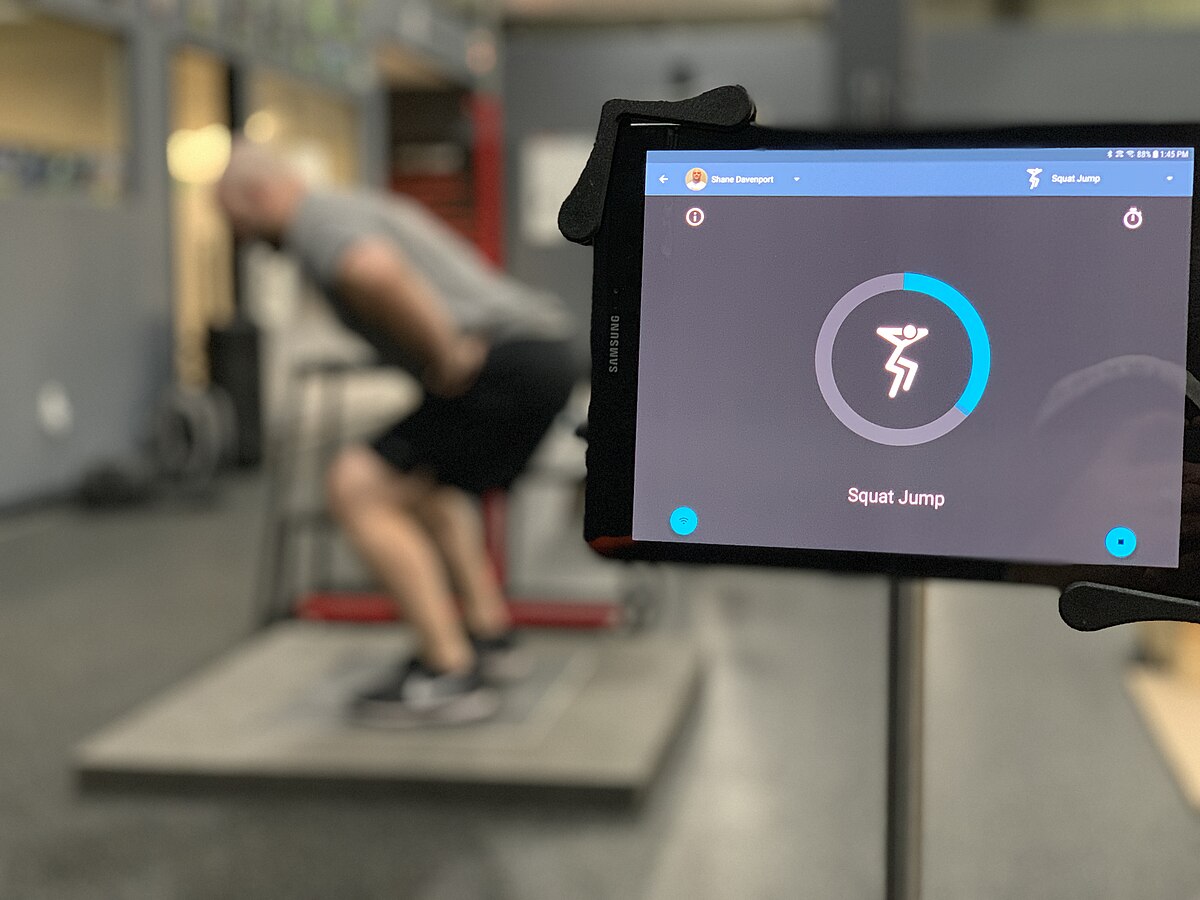
If you see an athlete running over force plates, they are measuring exactly how much power they push into the ground.
A person performs a squat jump on Hawkin Dynamics force plates, with a tablet in the foreground displaying a "Squat Jump" application interface. Sciencereviewer2, CC BY-SA 4.0, via Wikimedia Commons
Hacking biology
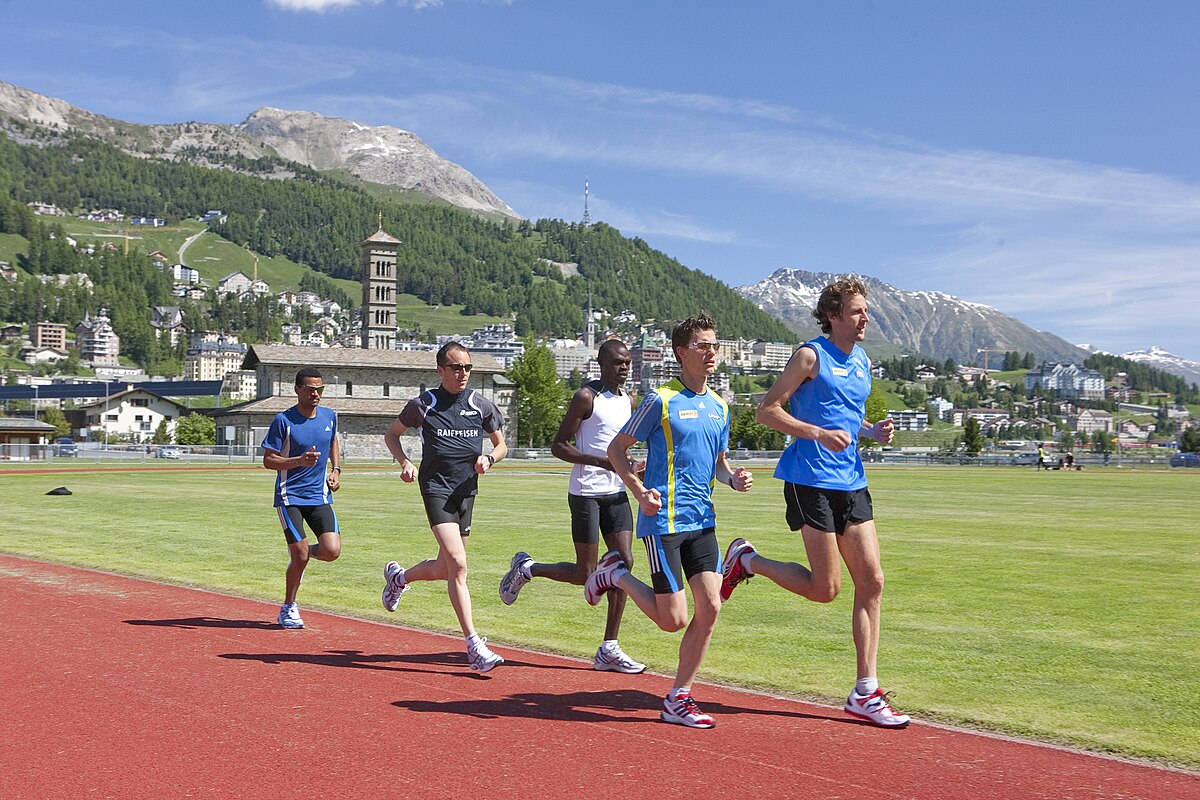
Modern training often involves altitude training to force the body to produce more red blood cells. By exercising in low-oxygen environments, athletes boost their oxygen-carrying capacity before returning to sea level.
Athletes performing altitude training at the Swiss Olympic Training Base in St. Christof Sonderegger von Photoplus.ch, CC BY-SA 3.0, via Wikimedia Commons
It is a legal, scientifically measured version of performance enhancement.
Beyond the gym
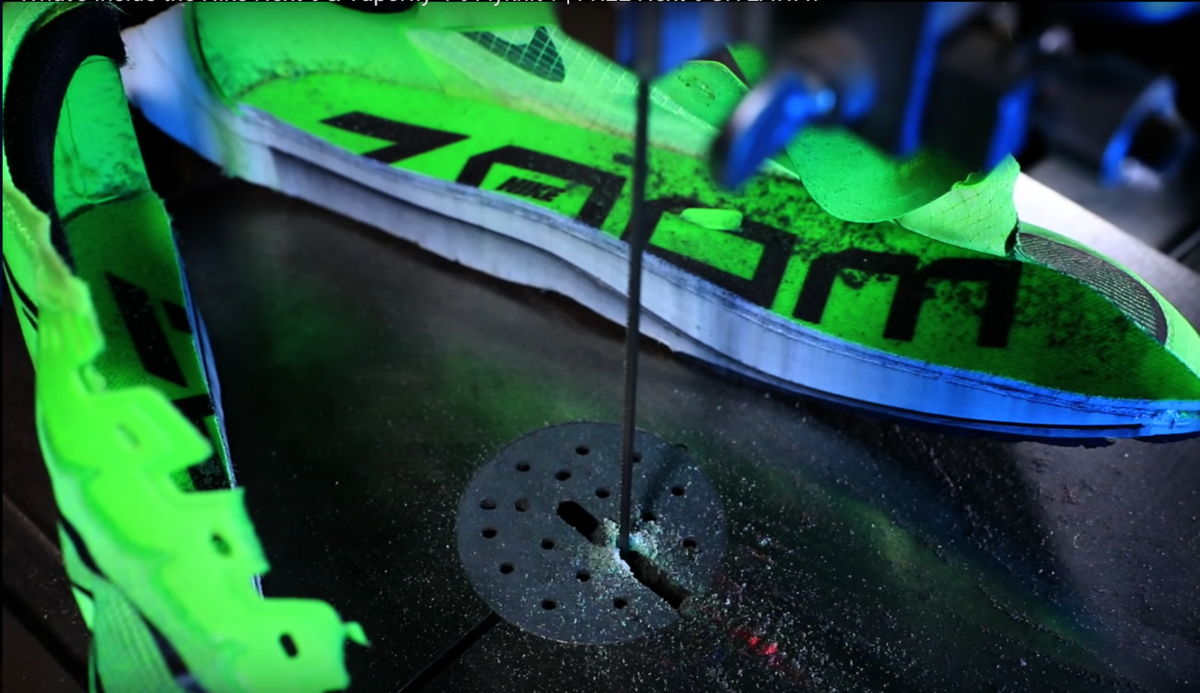
Sports science doesn't just build faster runners. It changes how we design equipment for everyday gyms. Everything from the curve of a shoe sole to the resistance of a weight machine is modeled after human physiological data.
A Nike Vaporfly running shoe cut in half by a saw, revealing the internal layers of the sole. Seth James DeMoor, CC BY 3.0, via Wikimedia Commons
Performance isn't just talent anymore; it is the application of data to the human body.
What disciplines make up sports science?
Sports science unites several fields to study physical activity from the cellular level to the whole body. It traditionally draws on exercise physiology, sport psychology, anatomy, biochemistry, kinesiology, and sports biomechanics.
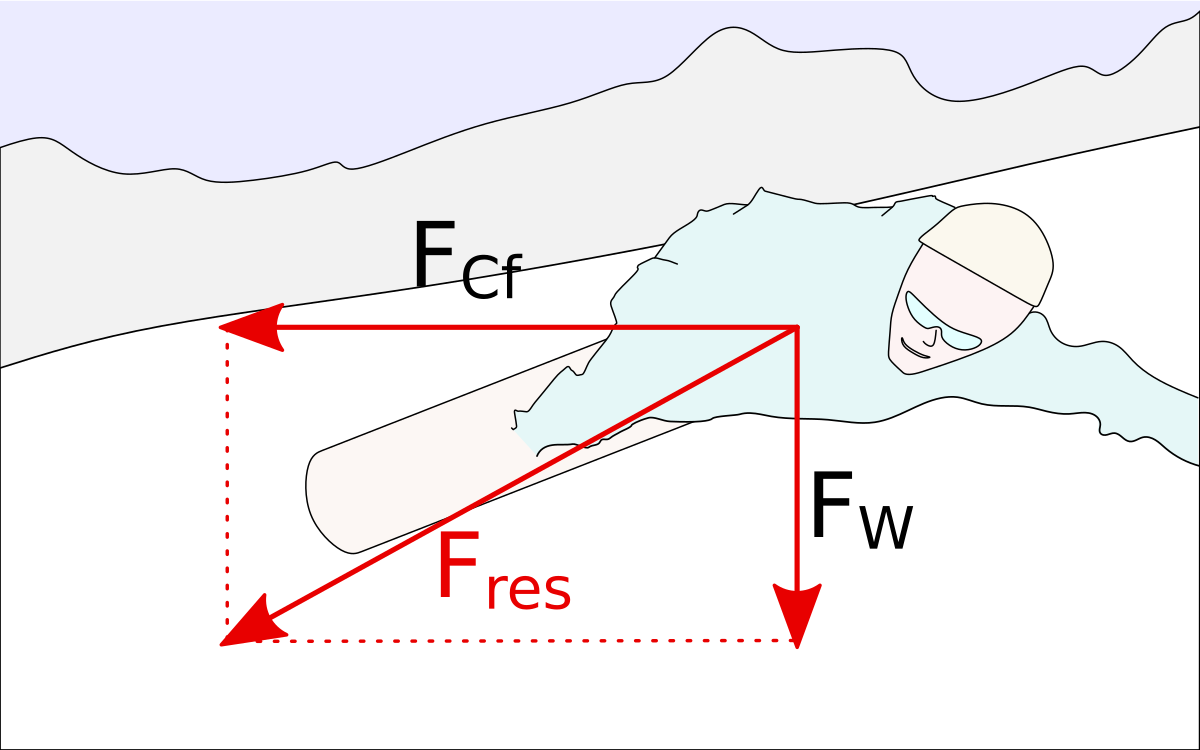
A force diagram shows how vertical weight and horizontal forces combine into a single diagonal force vector during an athletic turn. Mrmw, CC0, via Wikimedia Commons
Biomechanics applies physics directly to human movement. Researchers analyze athletic motions with force diagrams, calculating how vertical weight forces and horizontal centrifugal forces combine when an athlete turns or pushes against the ground.
How did sports science develop?
The origins of sports science date back to Ancient Greece, where the physician Galen wrote 87 essays covering nutrition, aerobic fitness, and muscle strengthening. Renaissance anatomists later challenged early Greek ideas as the printing press spread detailed findings about the circulatory and digestive systems.
The ancient Greek physician Galen wrote 87 essays on nutrition, aerobic fitness, and muscle building. Pierre-Roch Vigneron, Public domain, via Wikimedia Commons
Formal academic study expanded across the 19th and 20th centuries. George Wells Fitz created the first departmental major in anatomy, physiology, and physical training at Harvard University in 1891, and August Krogh won the 1920 Nobel Prize for uncovering how capillary blood flow is controlled in active muscle.
Applications beyond elite athletics
While elite competitors use sports science for training adaptations like altitude conditioning, the field also studies the aging body. It gives older adults structured exercise methods to maintain physical competence, avoid falls, and complete daily tasks independently without framing the work around anti-aging.
Graduates in the field work as strength and conditioning specialists, sports dieticians, performance analysts, and research scientists. In research environments, sports scientists study athletes in laboratories and field settings, though the discipline faces ongoing reforms to improve statistical practices and experimental replication.
Test yourself
After three months of daily running, which change is most likely in the leg muscles?
More mitochondria and capillaries. Endurance work adds mitochondria and capillaries so muscle can use oxygen steadily. Thicker fibers and high peak force come mainly from heavy lifting.
Which kind of training mainly causes muscle hypertrophy?
Heavy strength training. Heavy loads strain and damage muscle fibers, and the repair adds protein that thickens them. Endurance work mostly improves oxygen delivery and use rather than size.
How does technology most effectively improve physical performance?
By quantifying physiological constraints. Technology advances performance by identifying the specific biological bottlenecks, like oxygen capacity or force production, and manipulating them, rather than just increasing effort volume.
Play the lesson in edgi and the card is yours. It lands on your Map next to the ideas it connects to, and turns from matte to foil to gold as you learn more around it.
What is the difference between sports science and exercise science?
The terms cover largely the same subject matter. In the United States, the label exercise science has slowly replaced sports science in academic and professional settings.
Why has sports science research faced criticism regarding reproducibility?
A 2018 study noted issues with low replication rates, poor reporting of null results, and insufficient transparency. Critics have also challenged the use of magnitude-based inference, a statistical method that can make noisy data appear meaningful.