Mattachine SocietyThe secret cells of early gay activism
The Mattachine Society was one of the earliest gay rights organizations in the United States, founded in Los Angeles in 1950. Because gay people faced severe legal and social persecution, the group operated as a secret society to protect its members while advocating for civil rights and legal defense. Its early legal victories against police entrapment laid the groundwork for modern American gay rights activism.
By the edgi team We find the most surprising true thing about an idea and build a 60-second lesson around it.
In 1950, being openly gay in the United States meant risking your job, your family, and your freedom. To survive, the first major gay rights organization operated in total secrecy, using pseudonyms and darkened rooms to protect members.
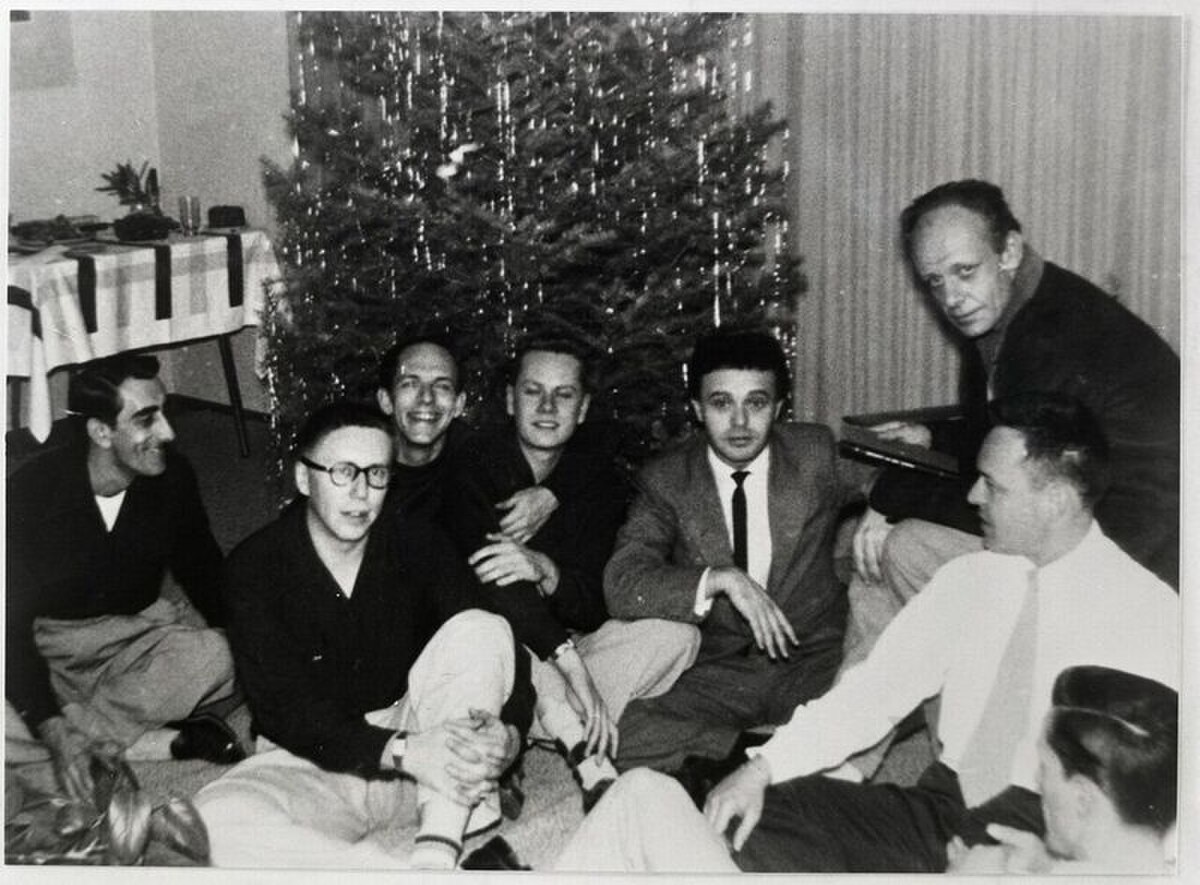
A black and white photograph of eight men from The Mattachine Society gathered around a Christmas tree in 1951. Jim Gruber, Public domain, via Wikimedia Commons
The group was founded in Los Angeles by Harry Hay, a communist and labor organizer who adapted cell-based tactics to build a movement.
The mask of truth
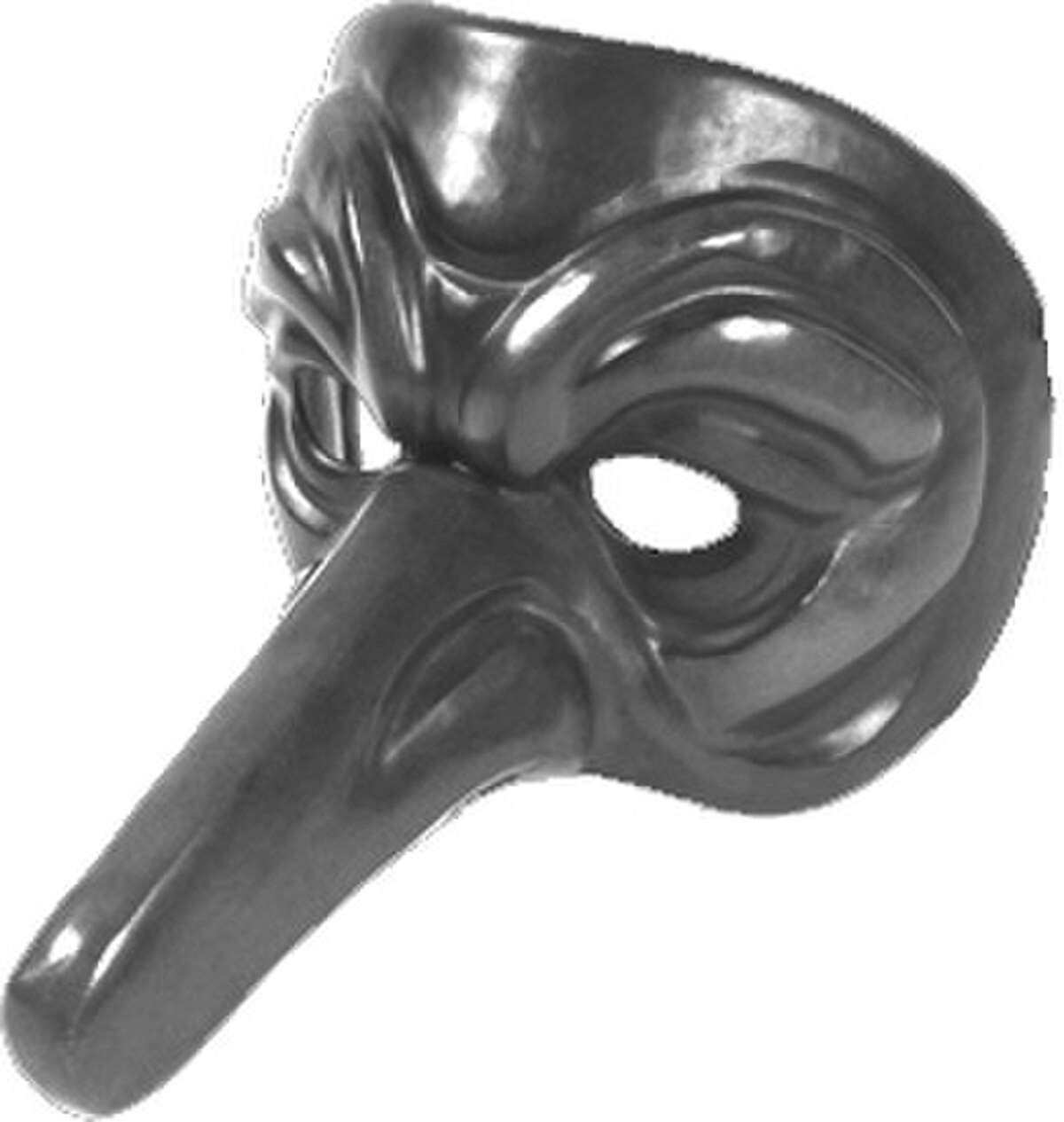
The group took its name from medieval French masked dancers called Mattachine, who performed plays and spoke truths to kings without losing their heads. They called themselves homophile activists rather than gay rights advocates, emphasizing love and community over clinical psychiatric labels.
A black mask with a prominent, elongated nose, characteristic of certain commedia dell'arte characters. Dalbera, CC BY-SA 3.0, via Wikimedia Commons
Fighting back
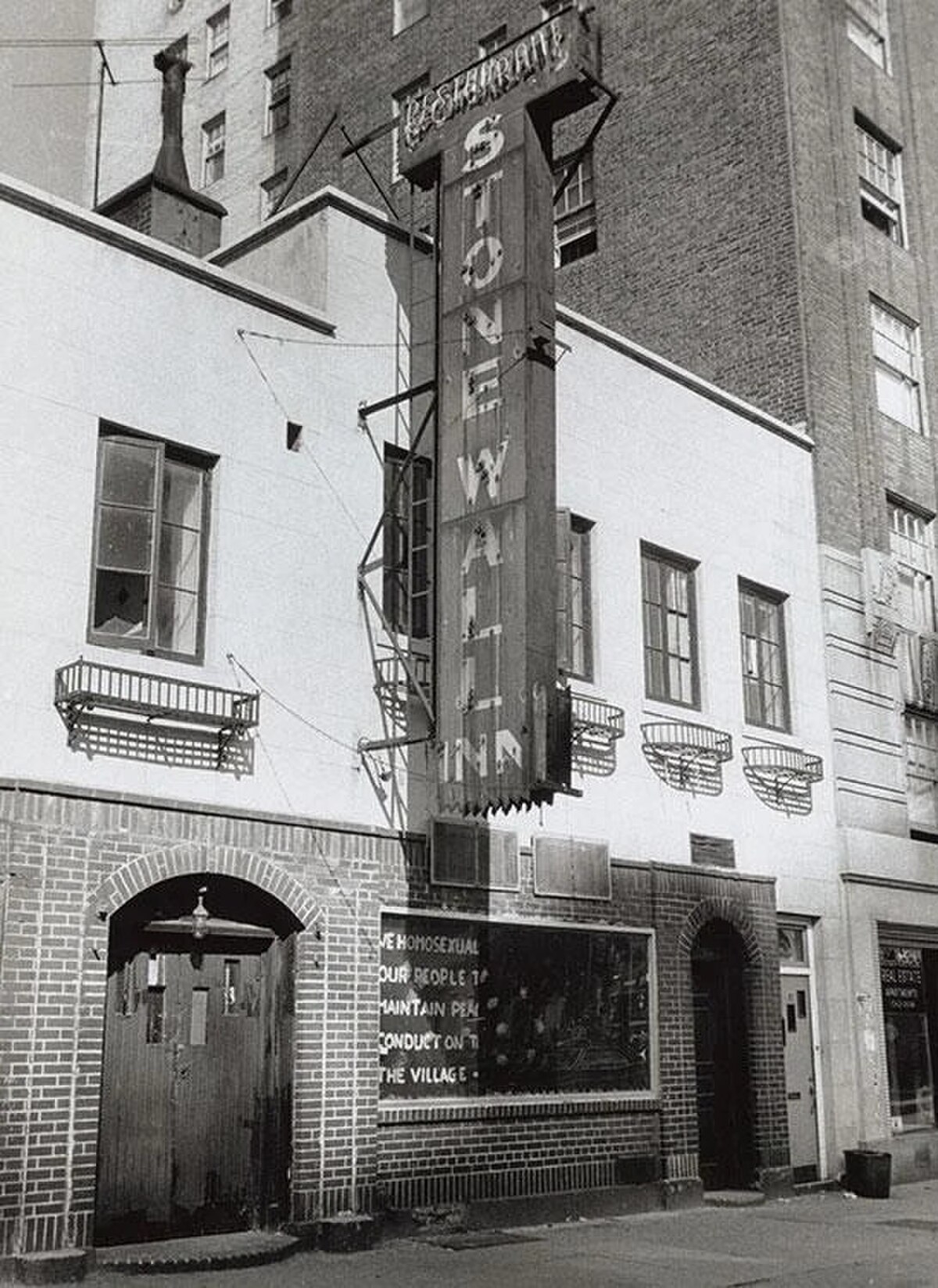
In 1953, the Society achieved a major legal victory when a member fought a lewd vagrancy arrest in court, proving the community could defend itself. Though eventually eclipsed by the more confrontational gay liberation movement after the Stonewall Inn riots, the Mattachine Society built the early legal blueprint for resistance.
The exterior of the Stonewall Inn, a two-story building with a prominent vertical sign reading "STONEWALL INN RESTAURANT." A banner below the sign displays text, partially visible, that includes "NEW… Public domain, via Wikimedia Commons
How the secret cell system worked
The founders structured the Mattachine Society like the Communist Party USA, relying on strict oaths of secrecy and five tiered levels of membership. Founding members sat at the top as the Fifth Order and kept their identities completely anonymous. Each level required deeper commitment and could divide into new local cells, allowing the network to expand across cities without exposing the leadership to public exposure or arrest.
Harry Hay originally drafted the group's organizing principles in 1948 in a document he called The Call, initially imagining a support group styled after Alcoholics Anonymous. When the founders held their first official meeting on November 11, 1950, they briefly called themselves the Society of Fools before renaming the group after medieval French masked performers. The society adopted an emblem of four harlequin diamonds grouped into a larger diamond.
From secret meetings to public protests
In February 1952, founder Dale Jennings was arrested in a Los Angeles park for alleged lewd behavior, a common police entrapment tactic. Instead of quietly pleading guilty, Jennings and the Fifth Order formed the Citizens Committee to Outlaw Entrapment. Jennings admitted his sexual orientation in court while denying the charge. The resulting deadlocked jury gave the group its first major victory and triggered a wave of new members and funding.
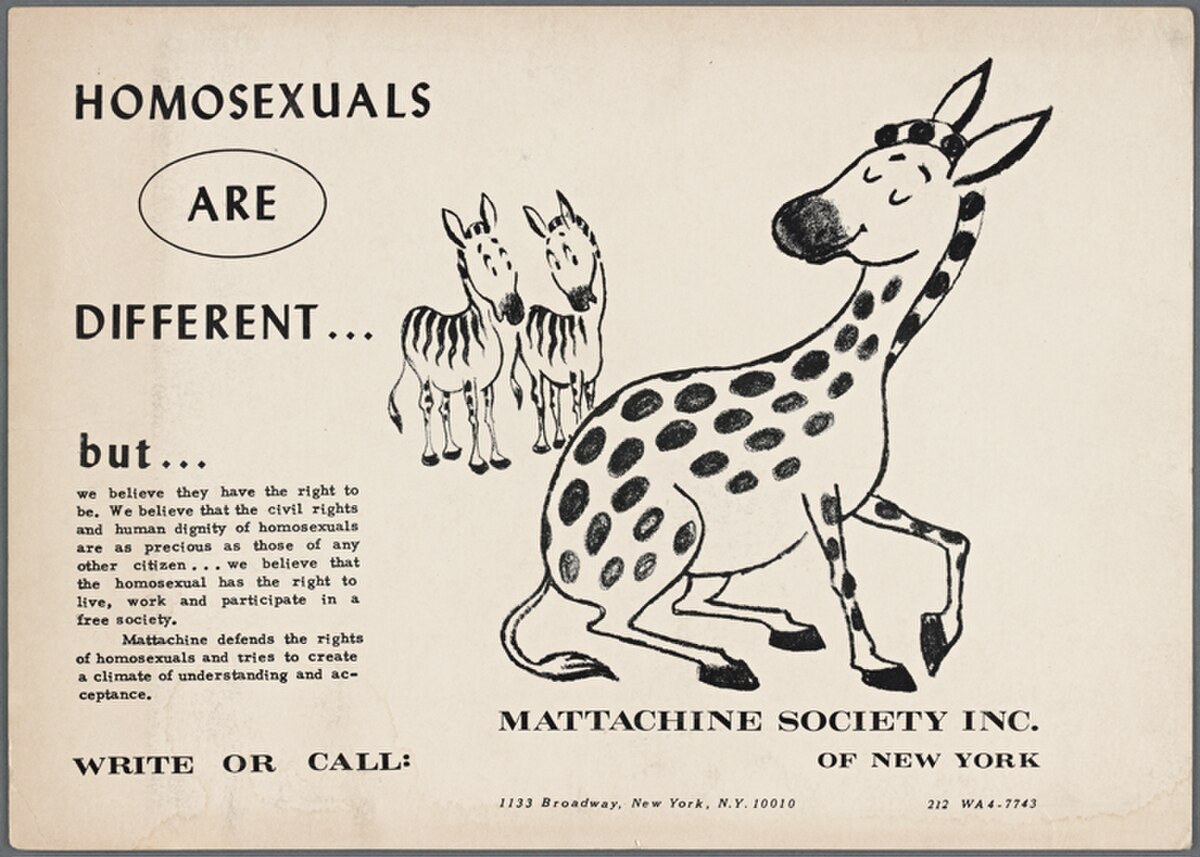
A 1960 promotional poster illustrating the public educational outreach of the Mattachine Society as it expanded. Unknown authorUnknown author, Public domain, via Wikimedia Commons
By 1961, the national organization had splintered into autonomous regional chapters. As tactics shifted toward public visibility, news of Cuban prison work camps for homosexuals led the Mattachine Society to organize pickets at the United Nations and the White House in 1965.
Test yourself
What shaped the Mattachine Society’s early organizational structure?
Cell-based communist organizing. Harry Hay adapted cell-based communist organizing to build the Mattachine Society. Its small, protected structure differed from open mass organizing.
Which approach did the Mattachine Society use to survive during its early years?
Secretive, cell-based organization. To protect members from job loss and legal persecution, the founders adopted cell-based secrecy rather than open street activism.
Play the lesson in edgi and the card is yours. It lands on your Map next to the ideas it connects to, and turns from matte to foil to gold as you learn more around it.
Founding member James Gruber suggested the name based on the Société Mattachine, medieval French secret societies of masked, unmarried men who performed dances and satirized oppressive rulers without fear of retaliation. Founder Harry Hay felt gay people in the 1950s were similarly masked and anonymous.
Why did Harry Hay leave the Communist Party?
The Communist Party USA prohibited gay members, viewing homosexuality as capitalist degeneracy. Hay feared his activist work would harm the party, so he asked leaders to expel him. The party expelled him as a security risk while naming him a Lifelong Friend of the People.