History
14 ideas, each explained on one page with a 60-second lesson you can play right there.
-

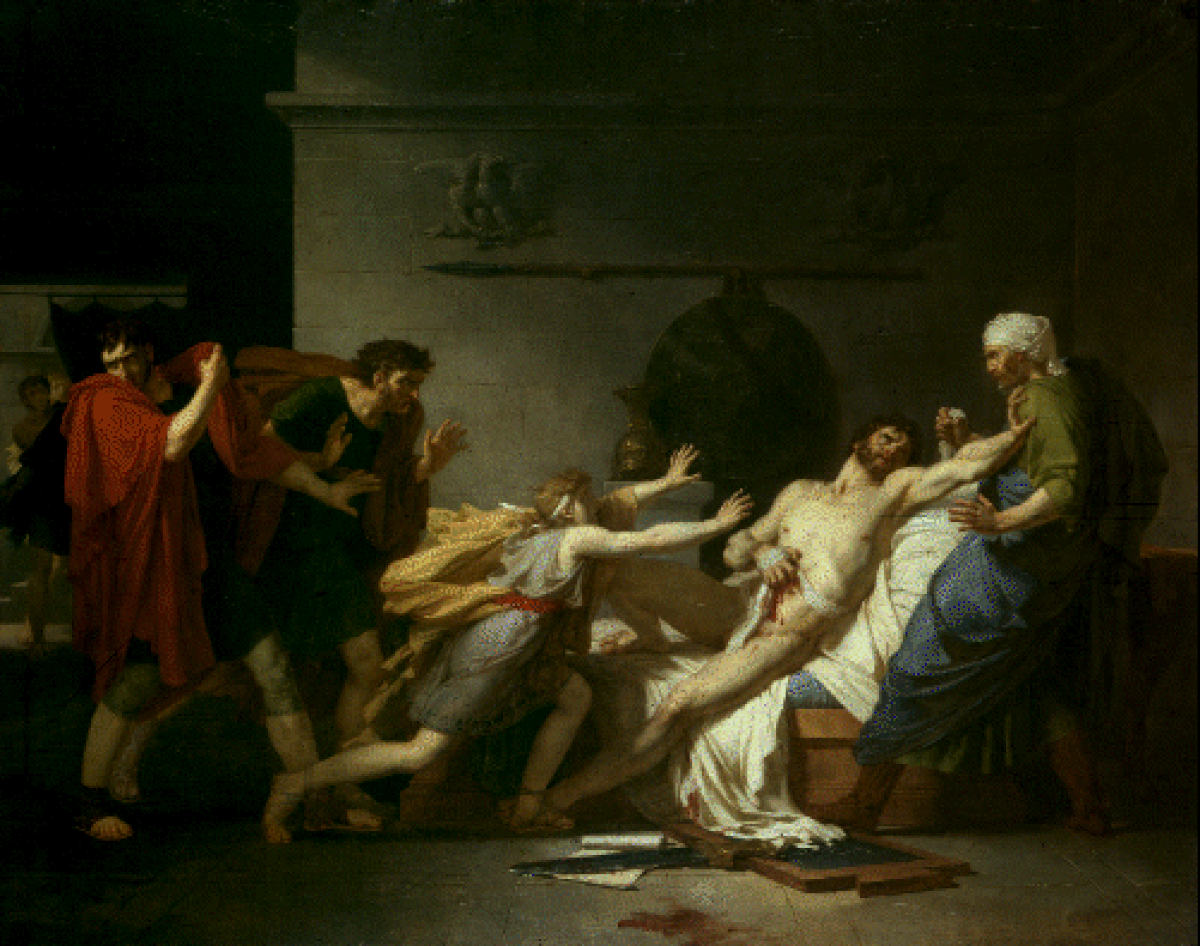 Cato the Younger
 was an influential, uncompromising Roman senator and Stoic philosopher during the fall of the Roman Republic.
Cato the Younger
Cato the Younger was an influential, uncompromising Roman senator and Stoic philosopher during the fall of the Roman Republic.
-
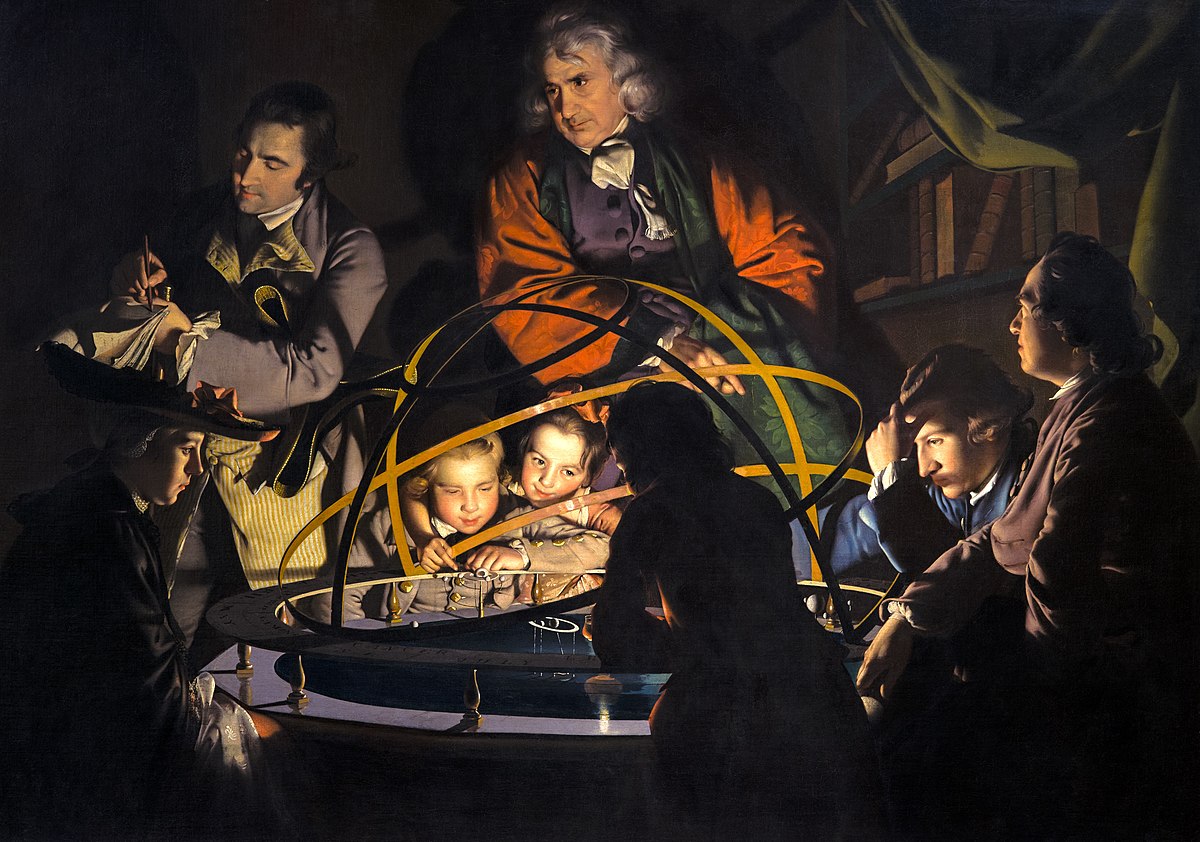 Chiaroscuro
 is the artistic technique of using strong light and dark contrasts to model three-dimensional volume on a flat surface.
Chiaroscuro
Chiaroscuro is the artistic technique of using strong light and dark contrasts to model three-dimensional volume on a flat surface.
-
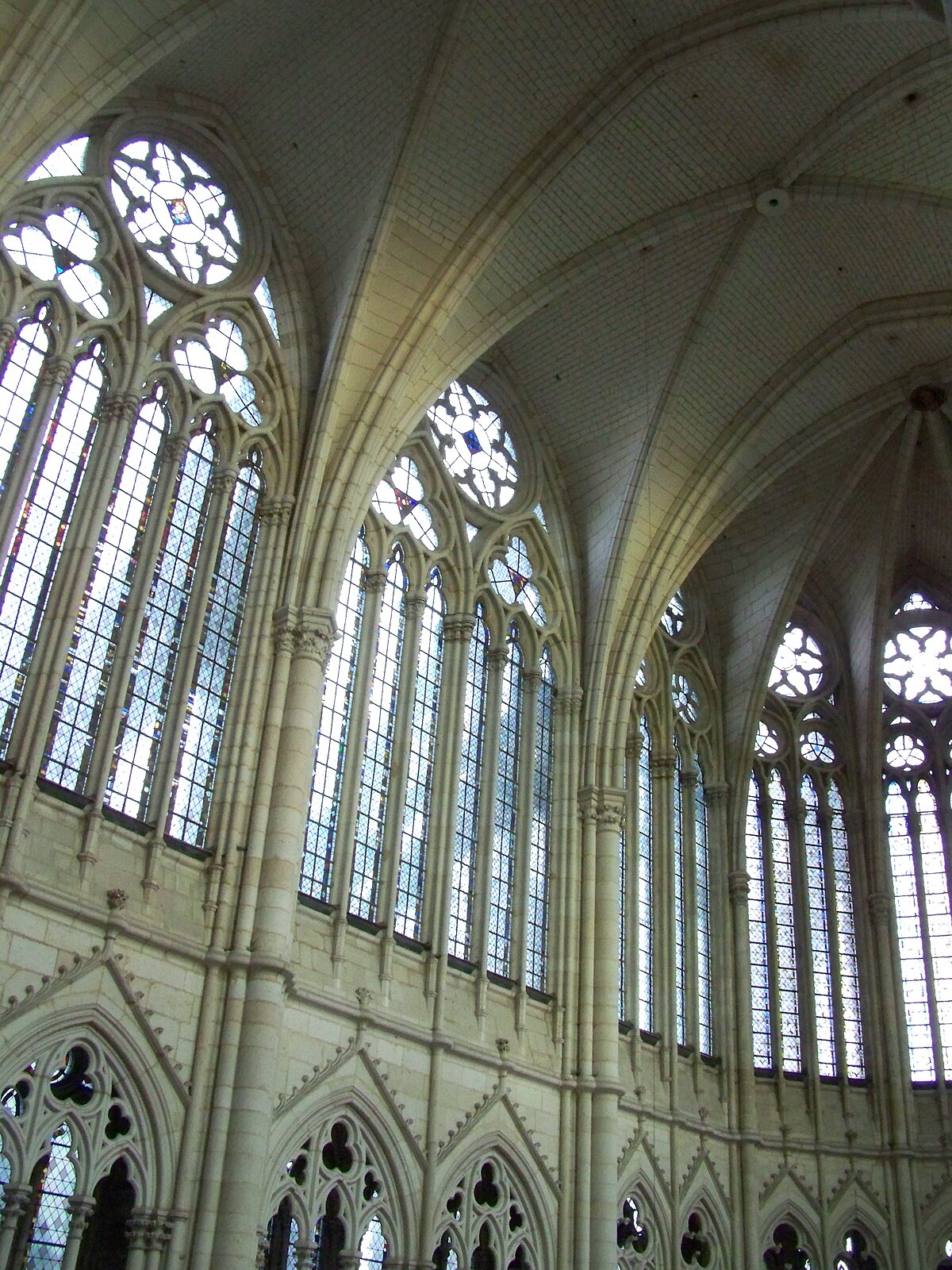 Clerestory
A clerestory is a high wall section containing windows set well above eye level.
Clerestory
A clerestory is a high wall section containing windows set well above eye level.
-
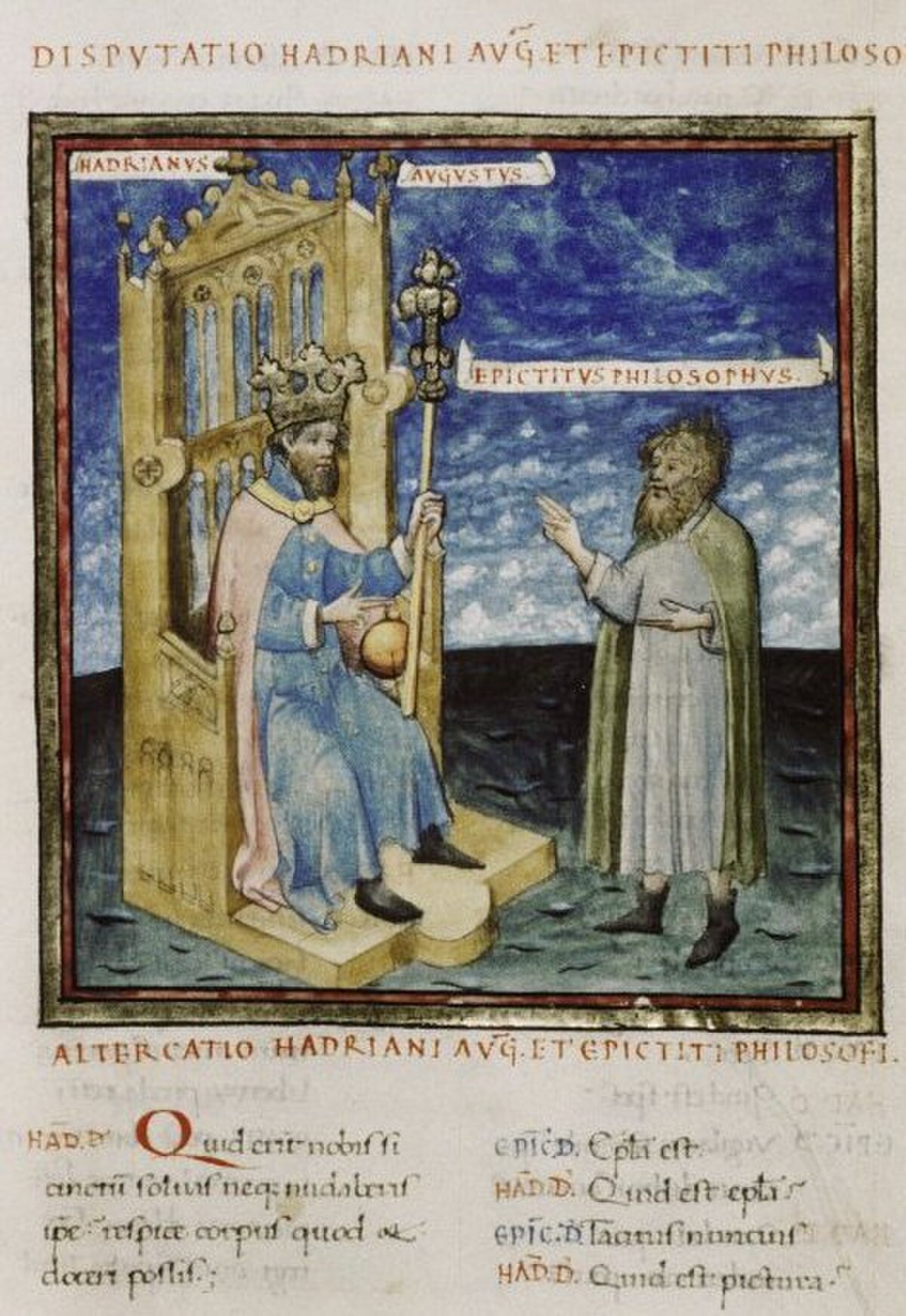 Epictetus
 was a Greek Stoic philosopher who taught that suffering comes from trying to control external events rather than our own actions.
Epictetus
Epictetus was a Greek Stoic philosopher who taught that suffering comes from trying to control external events rather than our own actions.
-
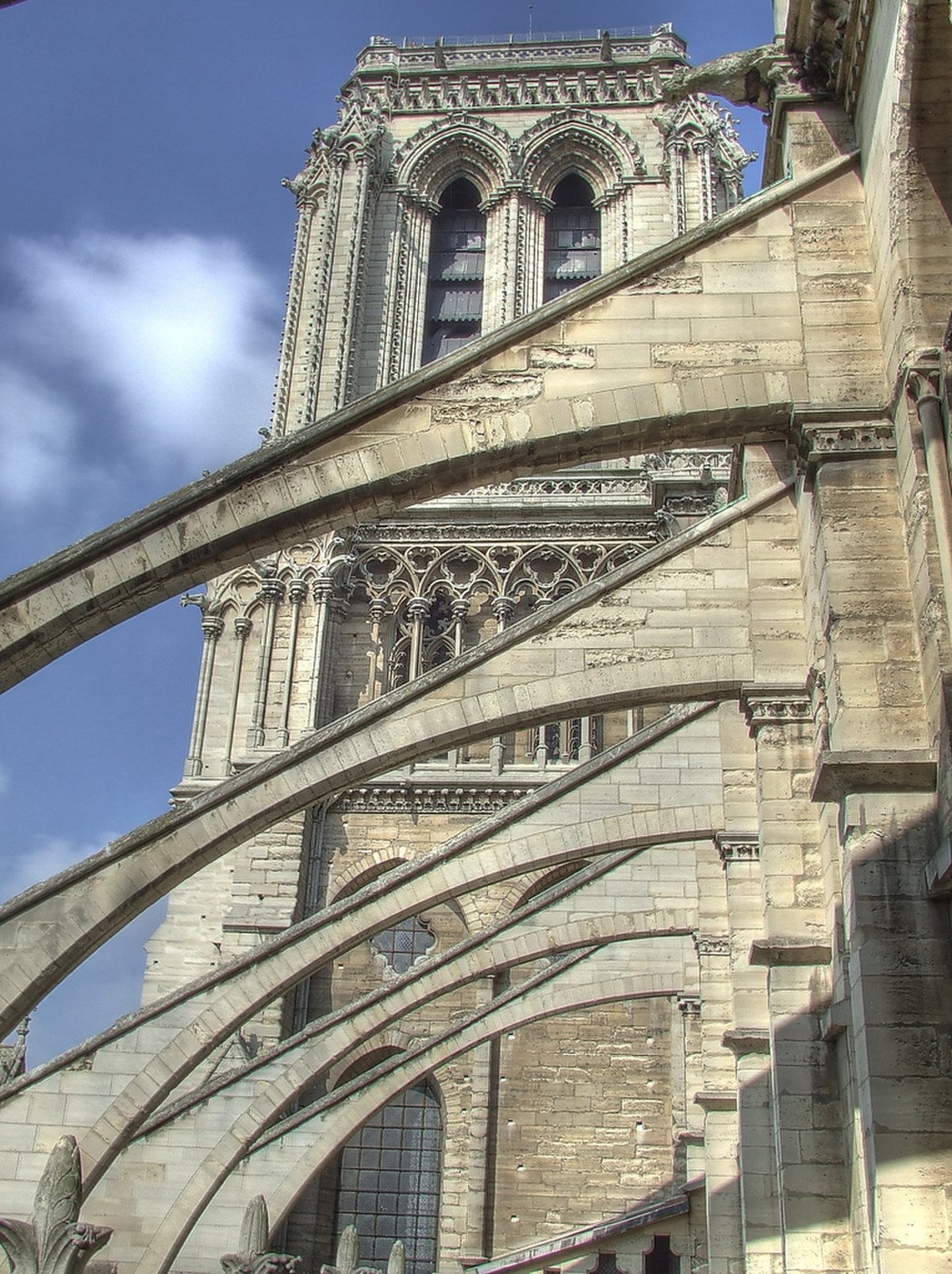 Flying buttress
How external arched flyers redirected heavy vault forces to massive outer piers, creating space for Gothic stained-glass windows.
Flying buttress
How external arched flyers redirected heavy vault forces to massive outer piers, creating space for Gothic stained-glass windows.
-
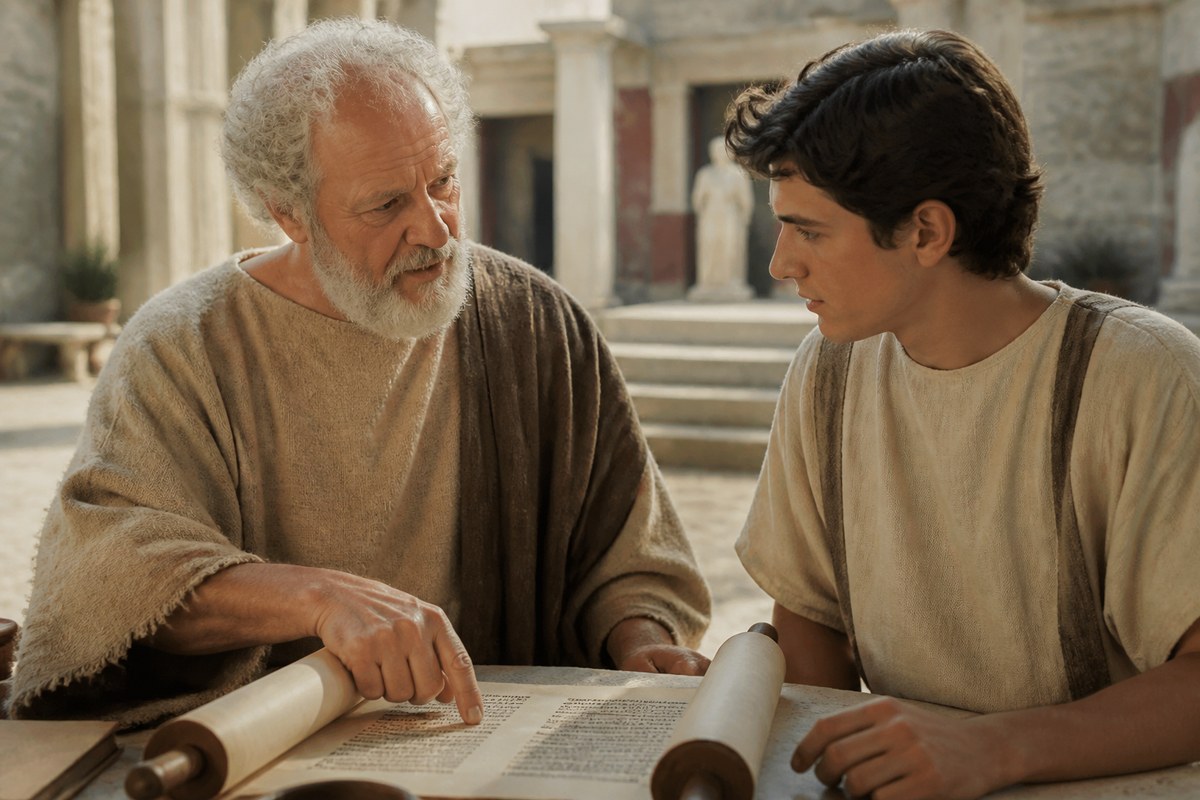 Gaius Musonius Rufus
 was a 1st-century Roman Stoic philosopher who taught Epictetus and advocated equal philosophical education for women.
Gaius Musonius Rufus
Gaius Musonius Rufus was a 1st-century Roman Stoic philosopher who taught Epictetus and advocated equal philosophical education for women.
-
 Laplace's Demon
 is a thought experiment about a hypothetical intellect that knows the exact position and motion of every particle in existence.
Laplace's Demon
Laplace's Demon is a thought experiment about a hypothetical intellect that knows the exact position and motion of every particle in existence.
-
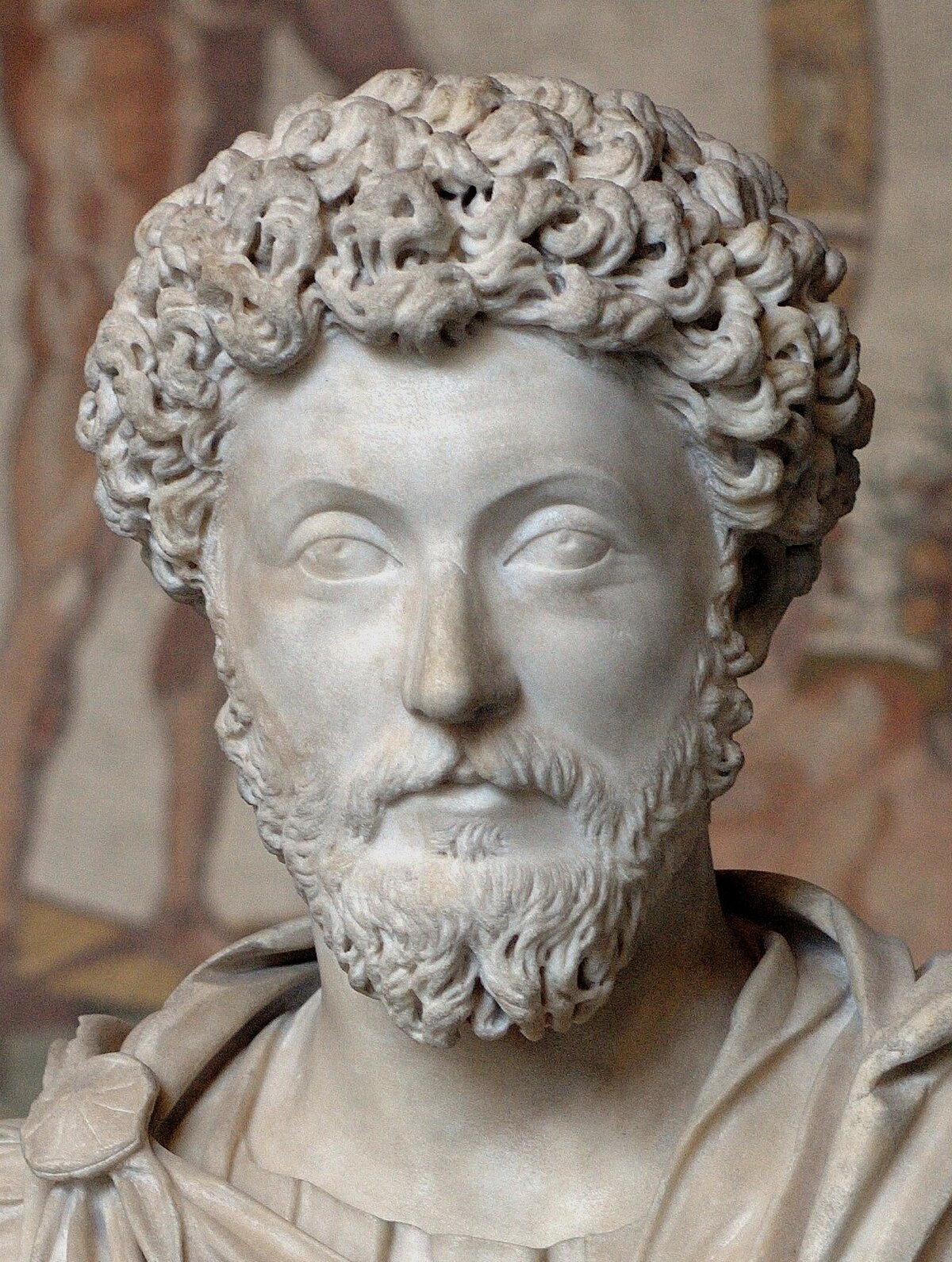
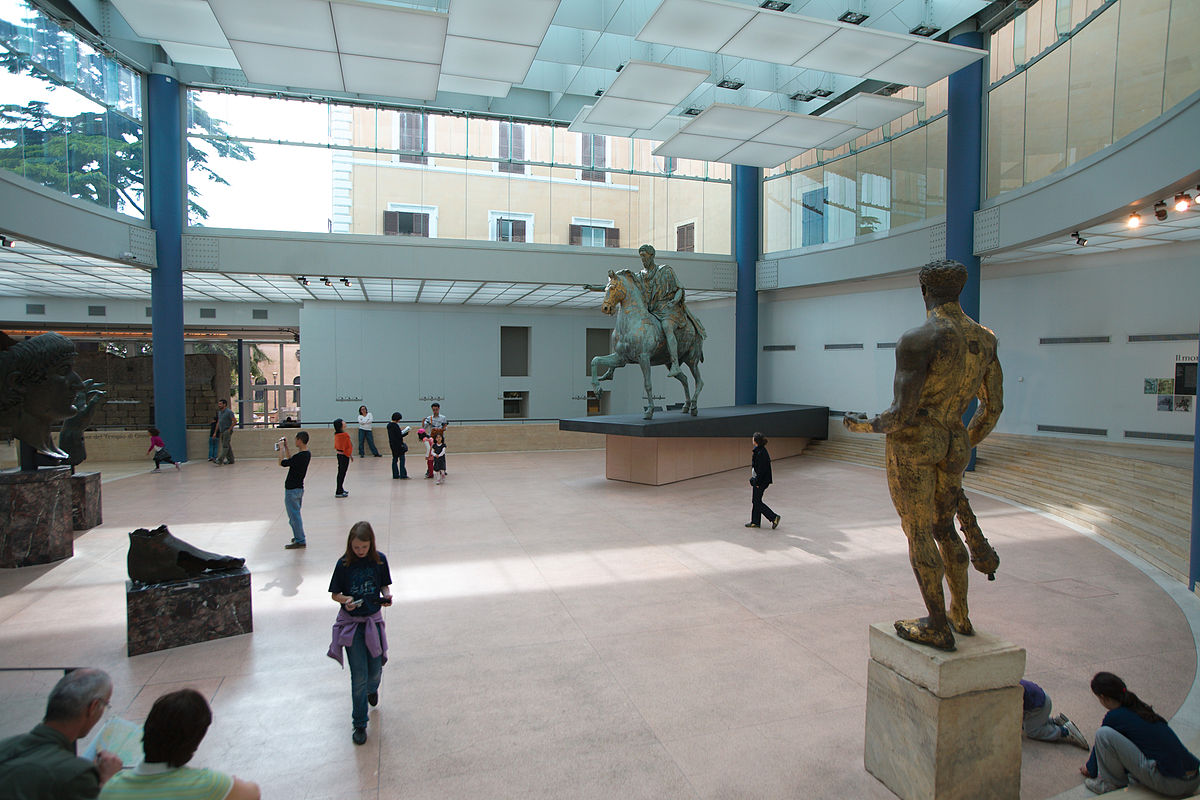 Marcus Aurelius
 was a Roman emperor and Stoic philosopher who governed the Roman Empire from 161 to 180 AD.
Marcus Aurelius
Marcus Aurelius was a Roman emperor and Stoic philosopher who governed the Roman Empire from 161 to 180 AD.
-
 Meditations
Marcus Aurelius wrote Meditations as a private journal of Stoic reflections while running the Roman Empire and leading military campaigns.
Meditations
Marcus Aurelius wrote Meditations as a private journal of Stoic reflections while running the Roman Empire and leading military campaigns.
-
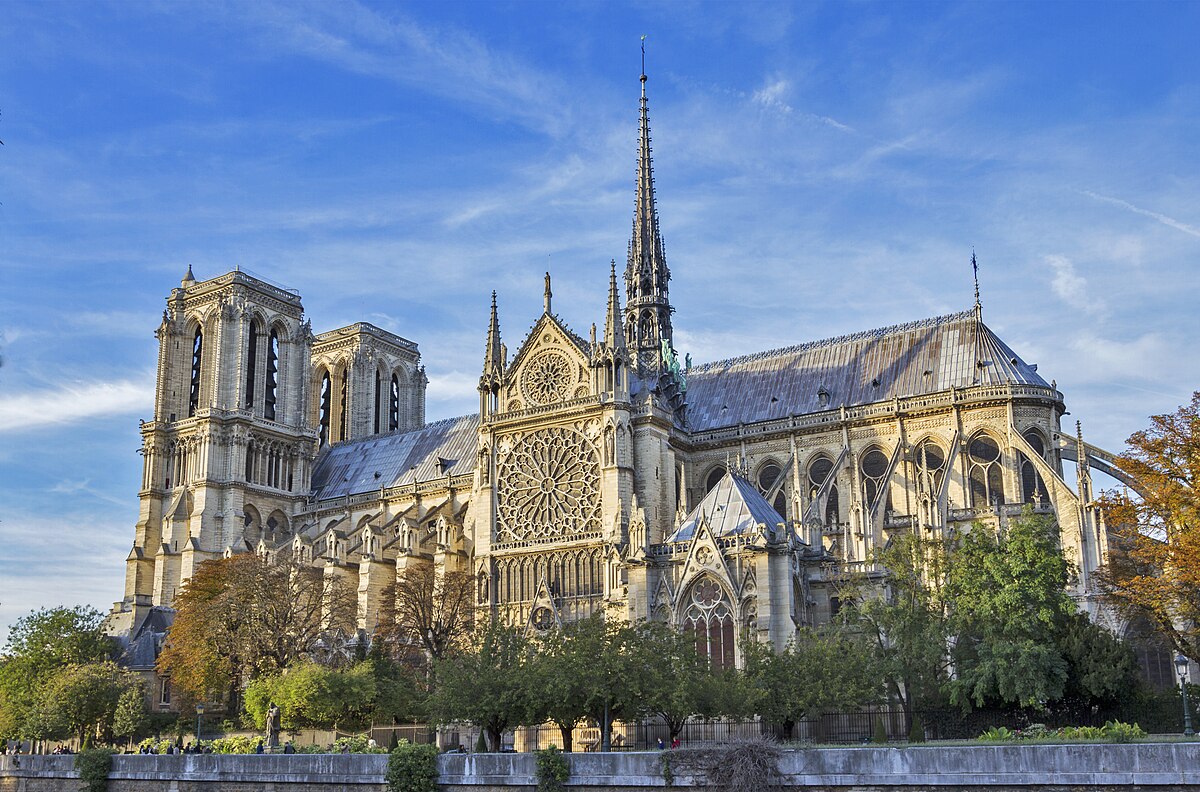 Notre Dame Cathedral
 is a medieval Catholic cathedral and basilica located on the Île de la Cité in Paris, France.
Notre Dame Cathedral
Notre Dame Cathedral is a medieval Catholic cathedral and basilica located on the Île de la Cité in Paris, France.
-
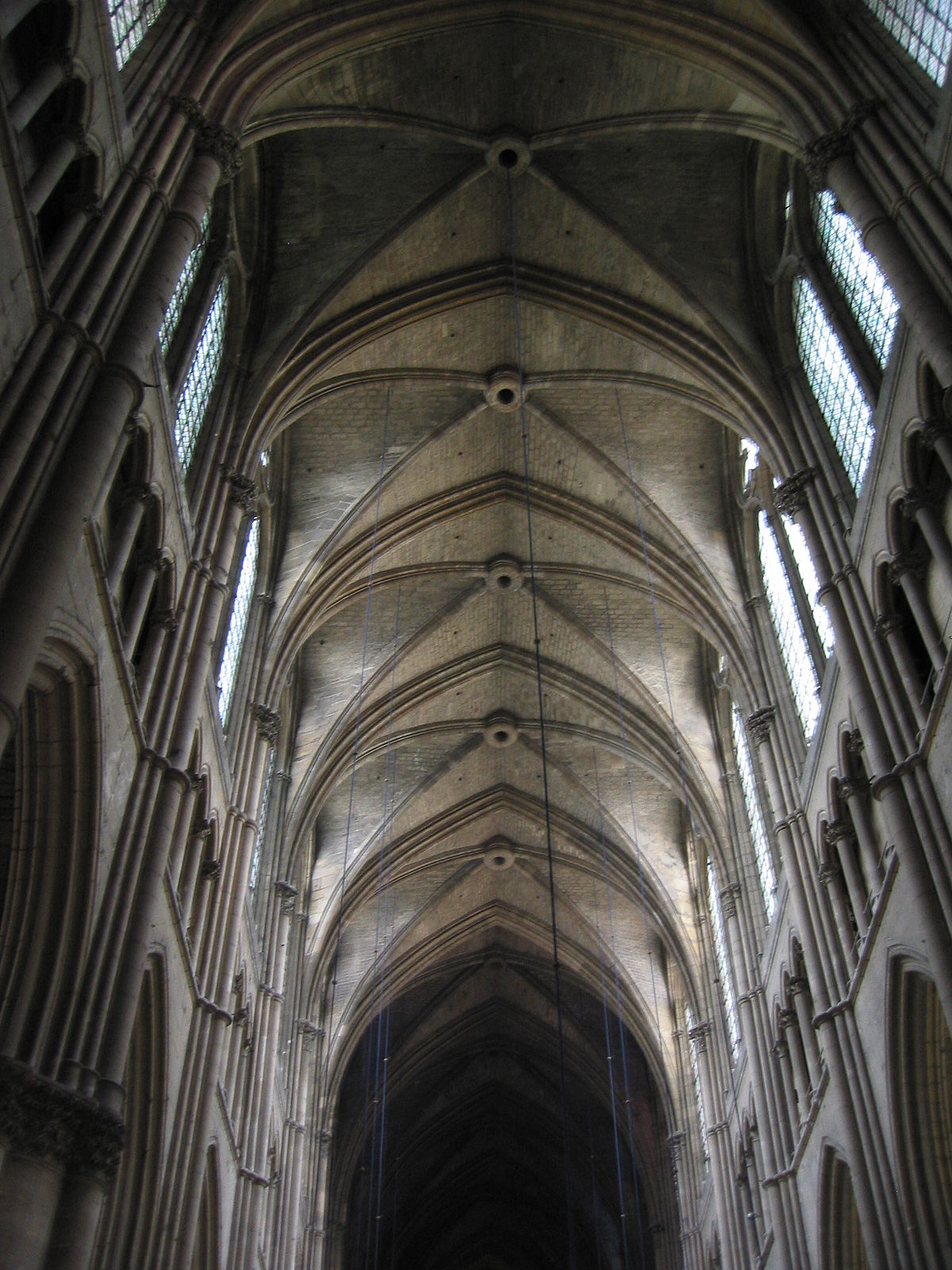 Rib vault
A rib vault is an arched ceiling frame made of crossed stone ribs filled in with thin masonry panels.
Rib vault
A rib vault is an arched ceiling frame made of crossed stone ribs filled in with thin masonry panels.
-
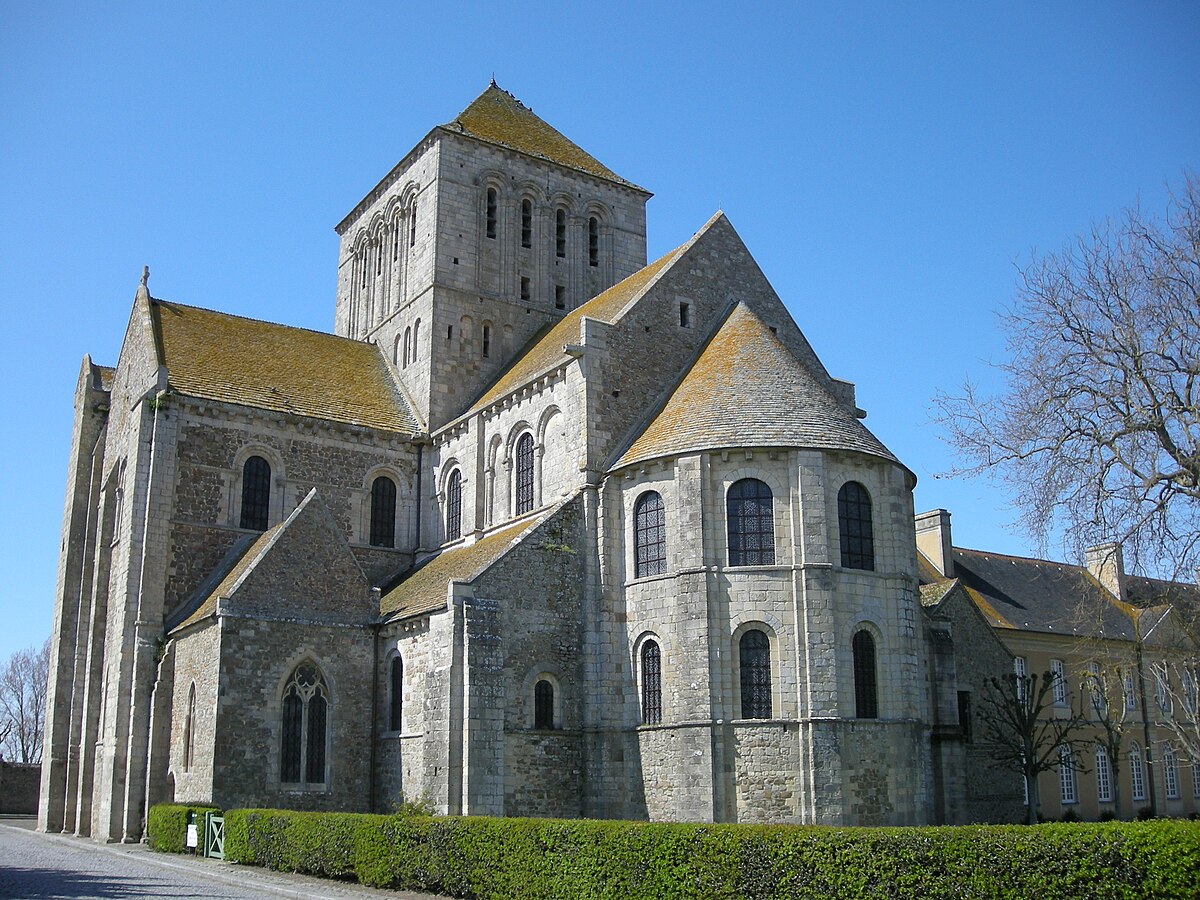 Romanesque architecture
 is a medieval European building style defined by thick stone walls, sturdy pillars, and semicircular arches.
Romanesque architecture
Romanesque architecture is a medieval European building style defined by thick stone walls, sturdy pillars, and semicircular arches.
-
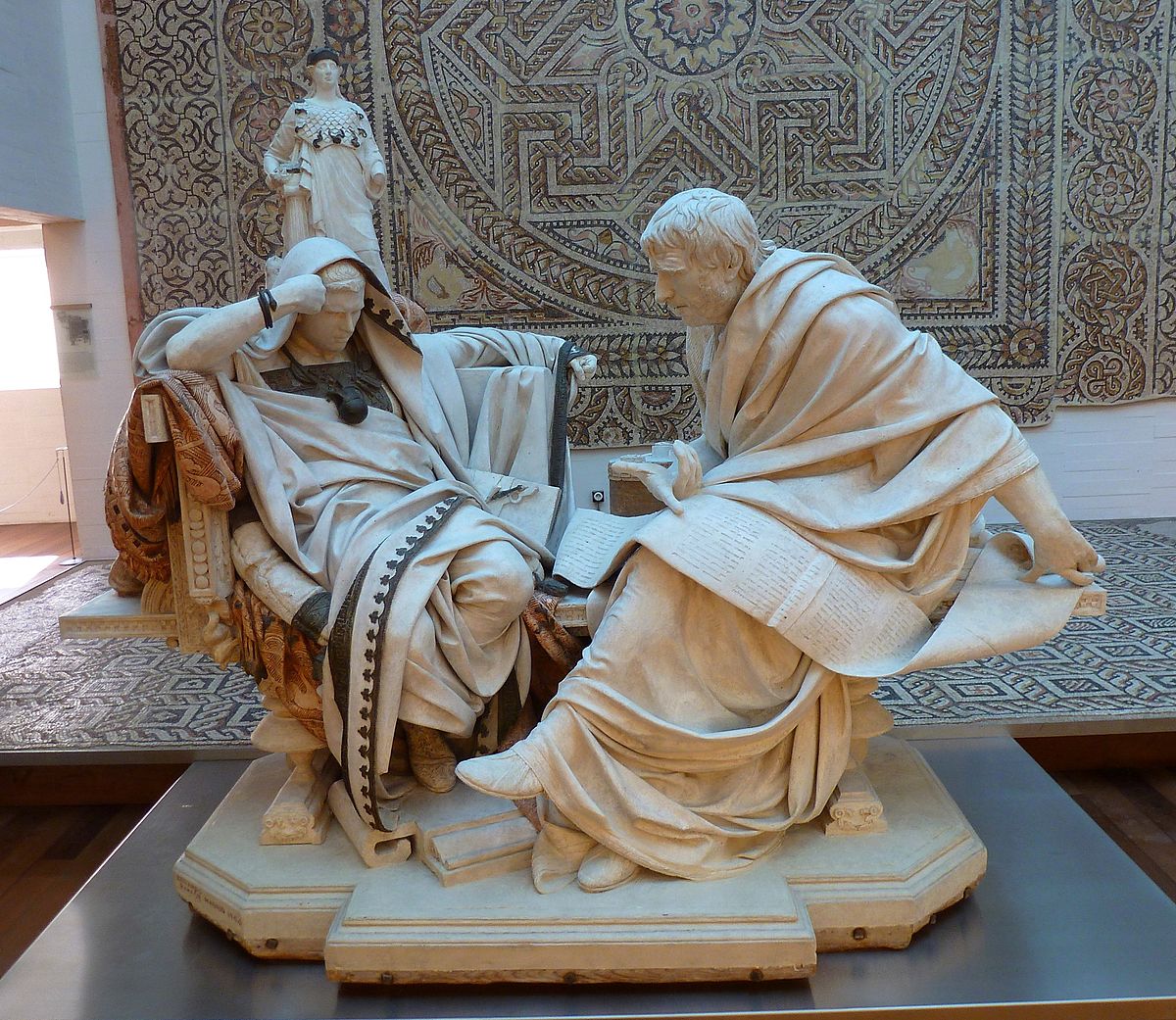 Seneca the Younger
 was a Roman Stoic philosopher, dramatist, and imperial advisor who managed Emperor Nero while writing major moral texts.
Seneca the Younger
Seneca the Younger was a Roman Stoic philosopher, dramatist, and imperial advisor who managed Emperor Nero while writing major moral texts.
-
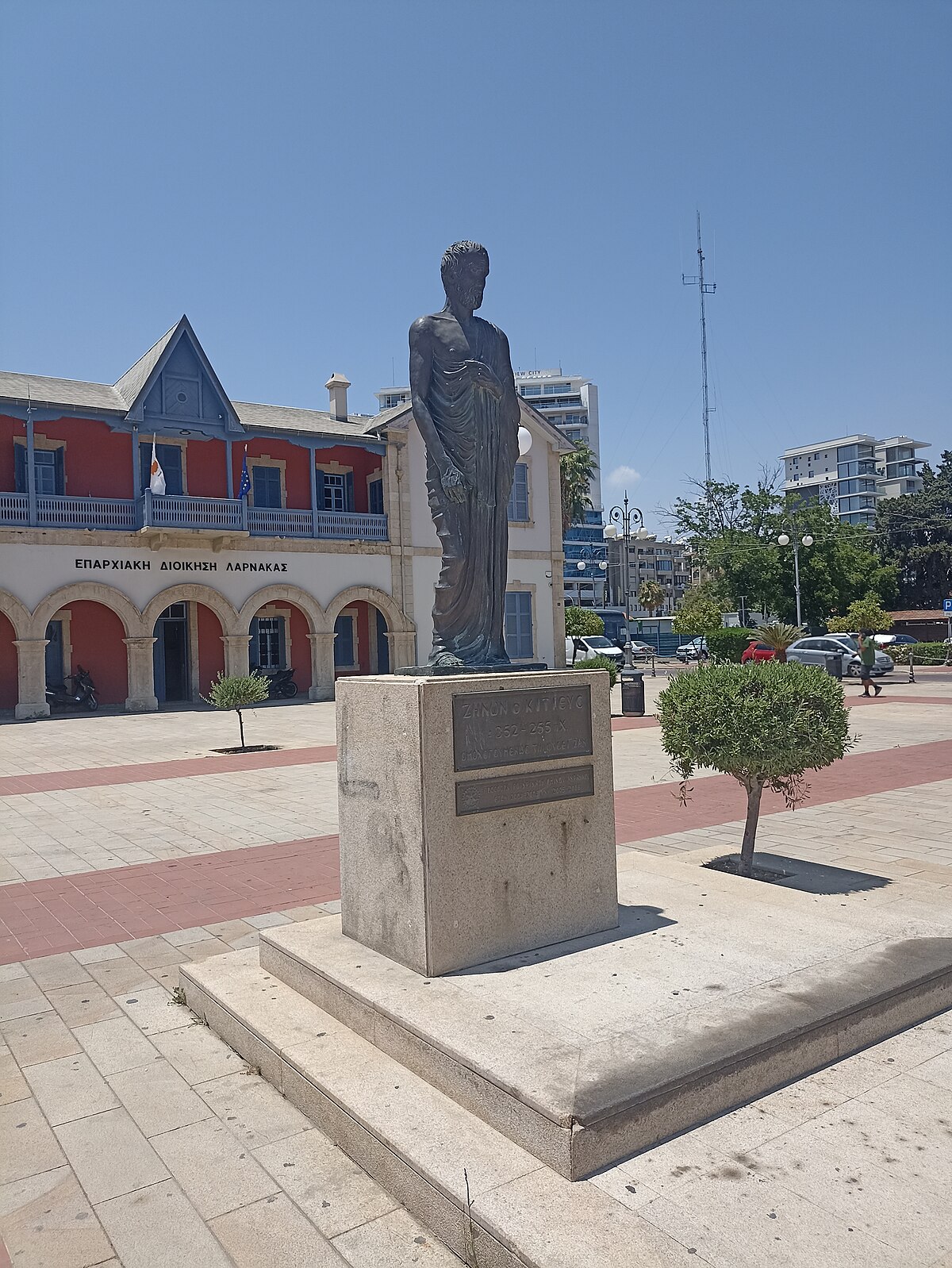 Zeno of Citium
 was a Hellenistic philosopher from Cyprus who founded the Stoic school of philosophy around 300 BC.
Zeno of Citium
Zeno of Citium was a Hellenistic philosopher from Cyprus who founded the Stoic school of philosophy around 300 BC.