The turning point
You are almost never breathing equally through both nostrils. Your body operates on a subconscious rhythm called the nasal cycle.
Every few hours, your nose switches which side handles the bulk of the airflow.
The nasal cycle is the subconscious process where your body alternates airflow between your left and right nostrils throughout the day. It works by swelling the blood vessels on one side of your nose to restrict air, while opening the other side up. This alternating rhythm keeps your nasal passages moist and helps you detect a wider range of scents.

By the edgi team We find the most surprising true thing about an idea and build a 60-second lesson around it.
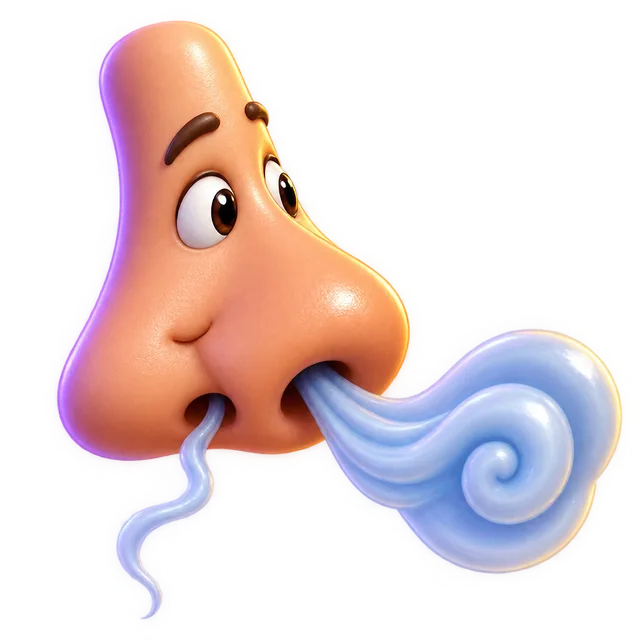
You are almost never breathing equally through both nostrils. Your body operates on a subconscious rhythm called the nasal cycle.
Every few hours, your nose switches which side handles the bulk of the airflow.
Inside your nose are curled structures called nasal turbinates. The hypothalamus triggers the autonomic nervous system to swell the blood vessels in these tissues.
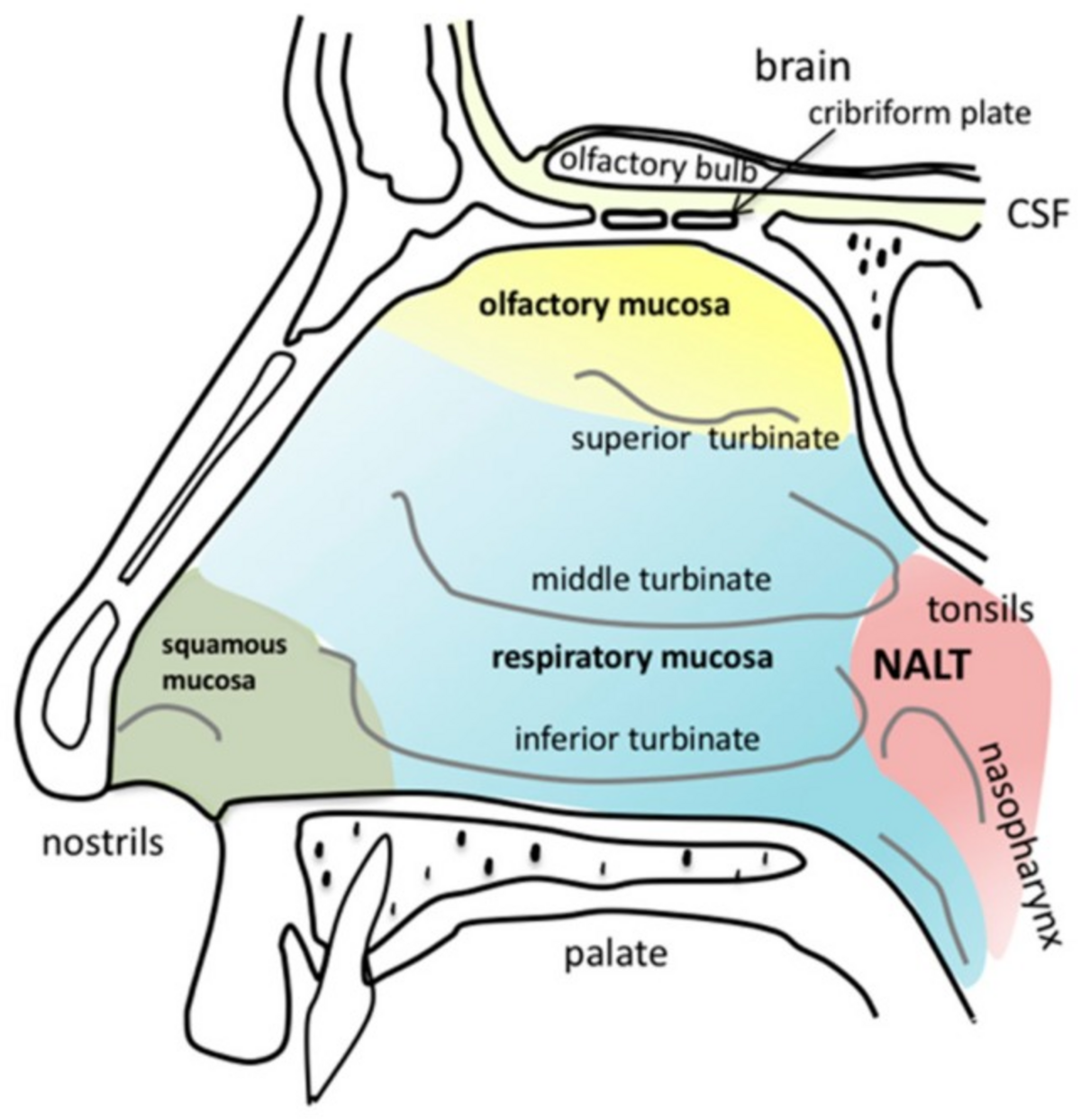
This congestion restricts air on one side, forcing the delicate lining to rest and rehydrate.
You can feel this cycle yourself. Lie on your side, and the down nostril will often plug up completely. Gravity pulls blood into the lower turbinates, accelerating the congestion process on that side.
German physician Richard Kayser first documented this rhythmic switching in 1895.
This isn't just about breathing; it actually sharpens your sense of olfaction. Some scents are better detected in fast-moving air, while others require a slower, more deliberate flow to be absorbed by your sensors.
That stuffy feeling isn't always a cold; sometimes it's just your nose doing its routine maintenance.
Inside each nasal cavity are curled bony structures covered in erectile tissue, known as nasal turbinates or nasal conchae. The hypothalamus selectively activates one half of the autonomic nervous system, filling the erectile tissue on one side with blood while shunting blood away from the opposite side.
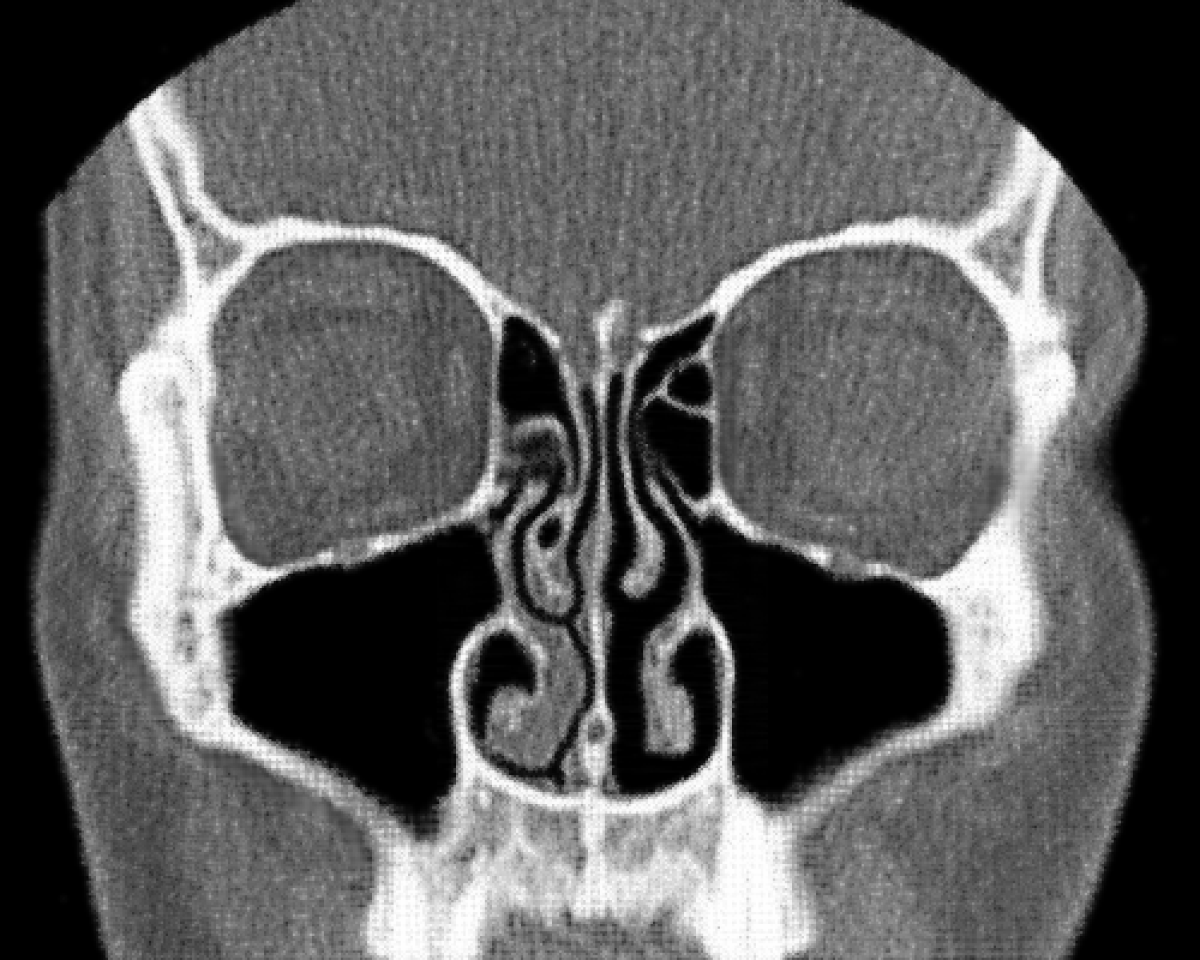
The congested side restricts airflow, while the open side carries the bulk of your breathing. Even though the airflow through each nostril constantly shifts, the total resistance across your entire nose remains constant. This cycle lasts an average of two and a half hours before switching sides, though its duration varies based on age, posture, and other conditions.
Your nose does not just move air; it warms, filters, and humidifies everything you breathe. While one nostril handles the fast-moving airflow, the cilia on the congested side temporarily suspend their movement. This rest phase allows the resting nasal lining to stay moist and rehydrate.
The alternating airflow also expands the variety of scents you can smell. Some odor molecules bind quickly to olfactory receptors in fast-moving air. Other odor molecules require slow, low-airflow conditions to bind properly. By running high airflow on one side and low airflow on the other, your nose detects a broader range of chemicals simultaneously.
German physician Richard Kayser first documented this alternating cycle in 1895. In 1927, researcher Heetderks confirmed that alternating swelling of the inferior turbinates occurs in roughly 80% of the normal population.
Most people never notice the cycle during normal breathing. However, lying on your side causes gravity to pull blood into the lower turbinates, which accelerates congestion on the downward side. In people with a deviated septum or a common cold, the cycle can make congestion feel much more pronounced on whichever side is currently resting.
What is the primary mechanical purpose of the nasal cycle shifting airflow between nostrils?
To rest and rehydrate nasal tissues. Shifting airflow lets one side congest and recover while the other handles the airflow, preventing the delicate lining from drying out.
True or false: The nasal cycle causes equal airflow through both nostrils.
False. The nasal cycle alternates dominance between nostrils, meaning you are almost never breathing equally through both sides simultaneously.
Collectible card
Play the lesson in edgi and the card is yours. It lands on your Map next to the ideas it connects to, and turns from matte to foil to gold as you learn more around it.
No, the nasal cycle is normal physiological congestion, not a disease. However, during a cold, the lack of ciliary movement on the resting side can make mucus feel harder to blow out.
Early studies suggested alternating nostril breathing might influence brain hemisphere symmetry on EEG scans. Recent research, however, shows no statistically significant association between spontaneous nostril dominance and active brain hemispheres.
When you lie down, gravity pulls blood into the turbinates of the lower nasal cavity. This fills the tissue on the dependent side, accelerating the congestion phase of the cycle.
Lesson complete
You finished the lesson. In edgi, the card goes on your Map next to everything else you learn.


