World War II was a global conflict fought from 1939 to 1945 between two major alliances: the Allies and the Axis powers. It was the deadliest war in human history, claiming between 60 and 75 million lives, mostly civilians. Beyond vast military clashes across multiple continents, the conflict was heavily shaped by intelligence operations and strategic deceptions that altered military outcomes.
By the edgi team We find the most surprising true thing about an idea and build a 60-second lesson around it.
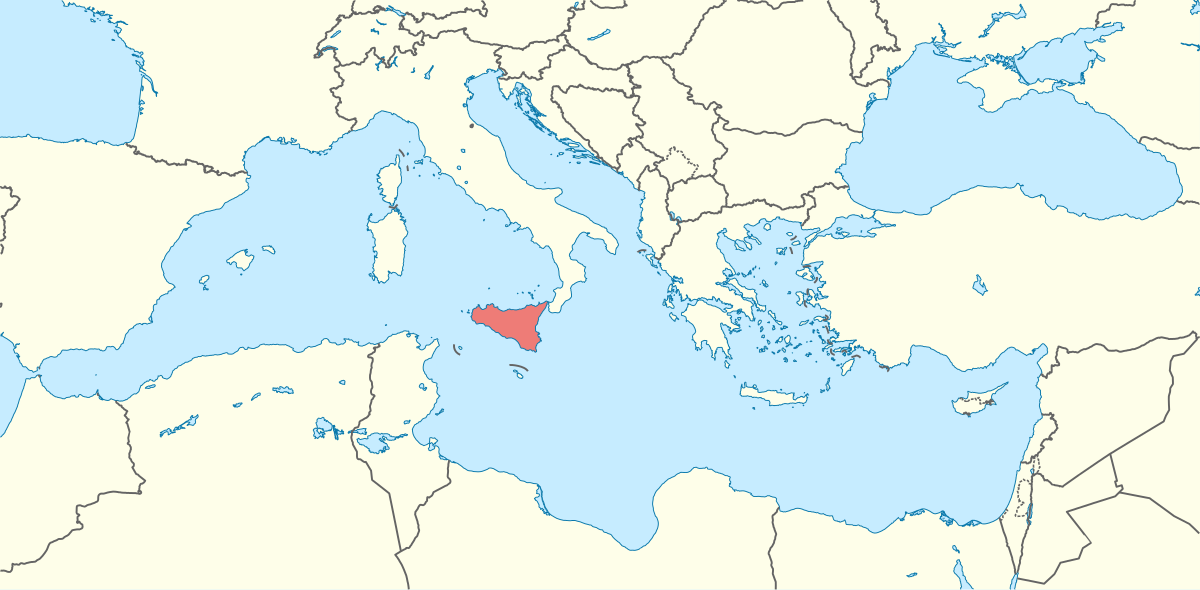
In 1943, the Allied forces needed to invade Sicily, but they were terrified of the heavy German defenses waiting there. Their solution was Operation Mincemeat: a bizarre, high-stakes gamble to trick Hitler into defending Greece instead.
Map of the Mediterranean Sea region, highlighting the island of Sicily in red. Mediterranean_Sea_location_map.svg: NordNordWest derivative work: Yiyi, CC BY-SA 3.0, via Wikimedia Commons
The "major"
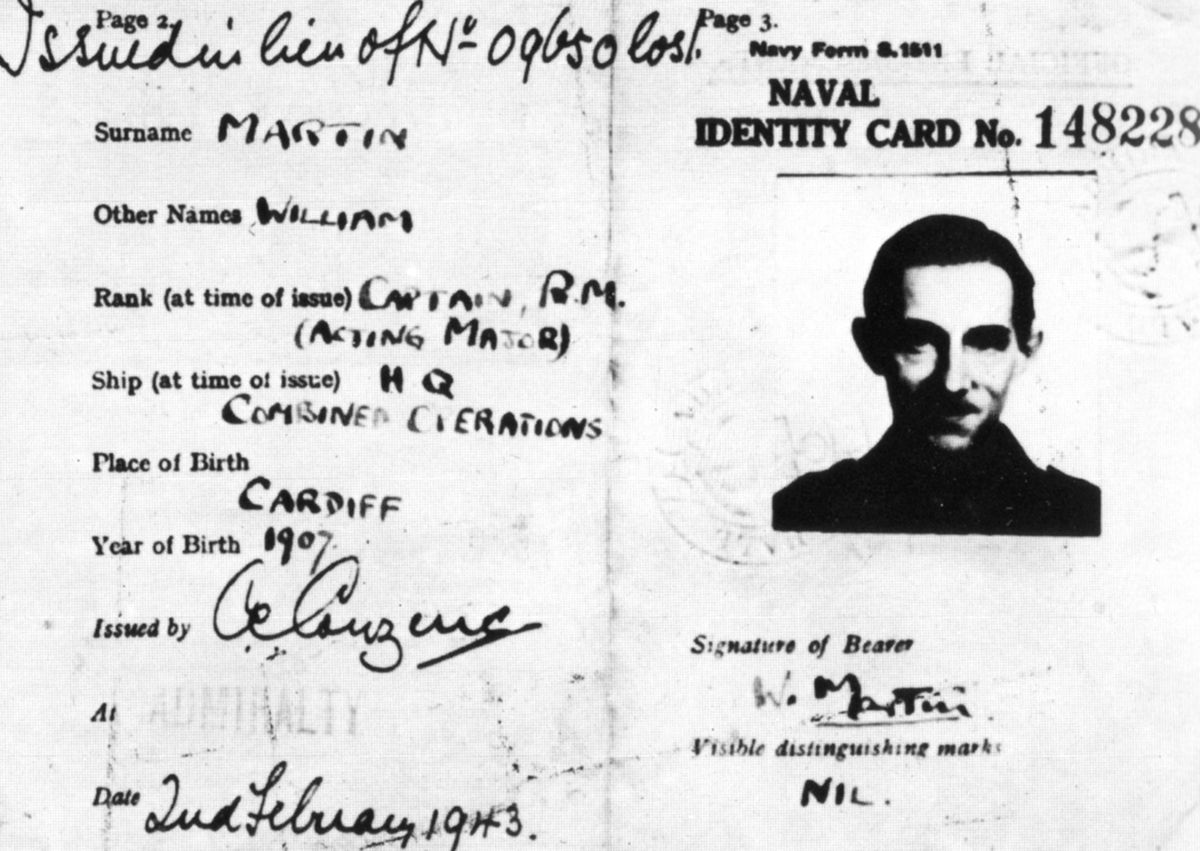
They found the body of a homeless man and dressed him as a Royal Marine officer named Major William Martin. They chained a briefcase to his wrist containing fake love letters and top-secret documents detailing an Allied invasion of Greece.
A black and white image of the naval identity card for "Major Martin," issued in lieu of a lost one, with a photograph of Captain Ronnie Reed. Ewen Montagu Team, Public domain, via Wikimedia Commons
The switch
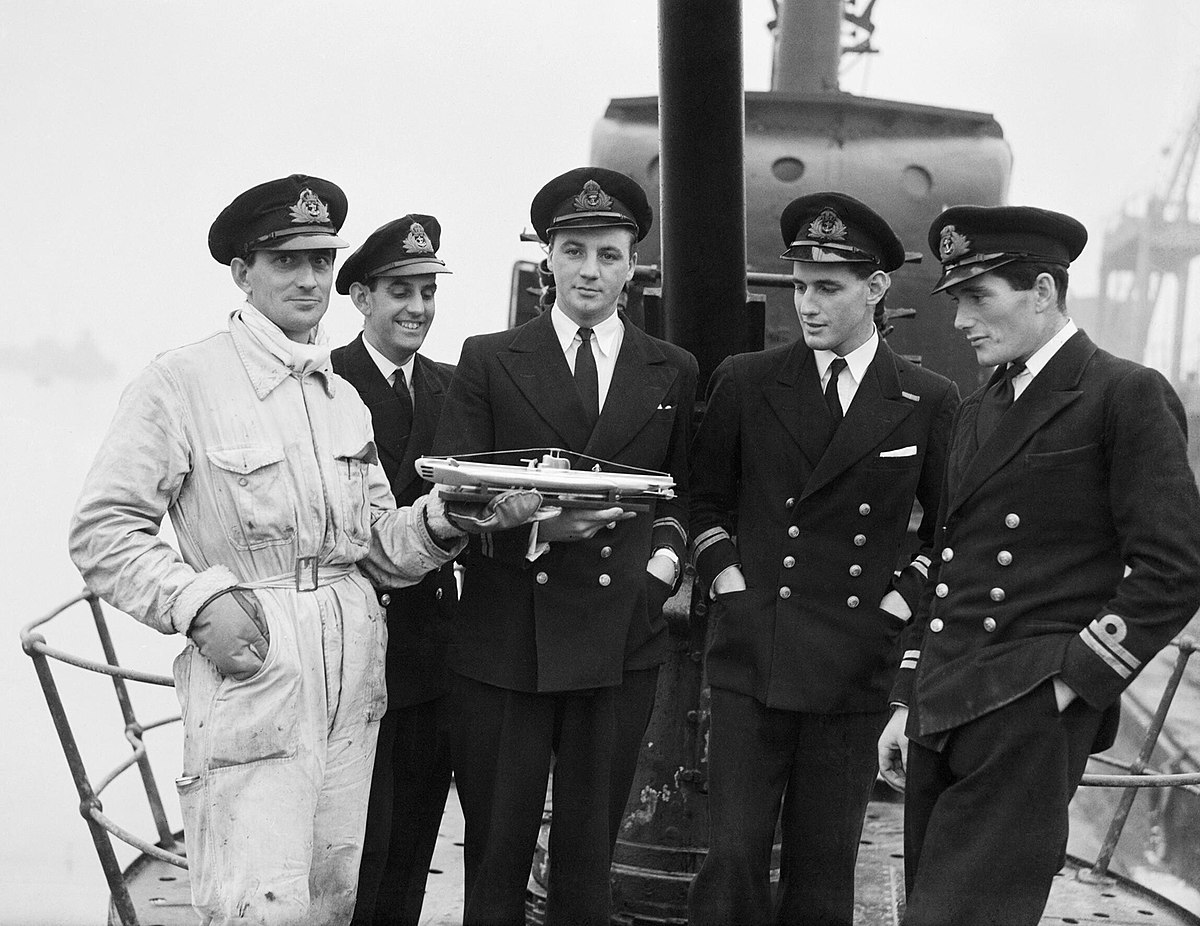
The body was floated off the coast of Spain, where they knew it would be found by local authorities and handed to German intelligence. Hitler swallowed the bait. He ordered elite Panzer divisions to move from Sicily to Greece, leaving the real invasion route vulnerable.
A black and white photograph of five officers from HMS Seraph standing on the deck of the submarine in December 1943. Pelman, L (Lt), Royal Navy official photographer, Public domain, via Wikimedia Commons
Total war
The invasion of Sicily succeeded with far fewer casualties than expected. This wasn't just a war of tanks and aircraft; it was a conflict of spies, fictions, and deceptions that reshaped the map of the world.
How did World War II begin and expand?
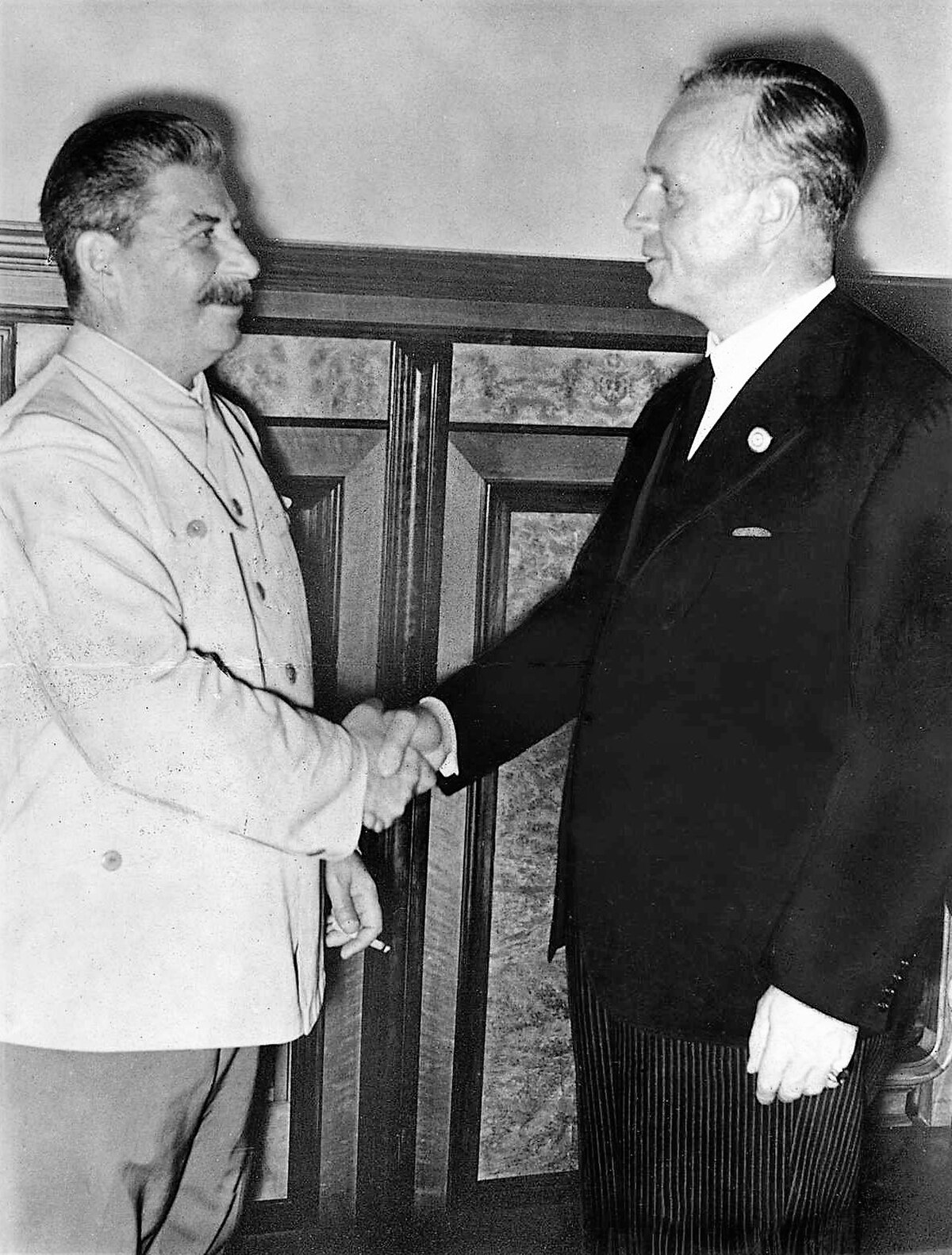
Nazi Germany initiated the European conflict by invading Poland on September 1, 1939, prompting Britain and France to declare war two days later. The Soviet Union also invaded Poland later that month under the secret Molotov-Ribbentrop Pact, partitioning the nation between them.
Joachim von Ribbentrop and Joseph Stalin stand together in August 1939 following the signing of the non-aggression pact that divided Eastern Europe between Germany and the Soviet Union. Template:Helmut Laux, CC BY-SA 3.0 de, via Wikimedia Commons
The war rapidly widened across multiple continents. In 1940, Germany conquered Norway, Denmark, Belgium, Luxembourg, the Netherlands, and France. Fighting spread through North Africa, the Balkans, and the skies over Britain. In June 1941, Germany broke its pact by invading the Soviet Union. Six months later, Japan attacked American forces at Pearl Harbor, bringing the United States directly into the global conflict.
What turned the tide against the Axis?
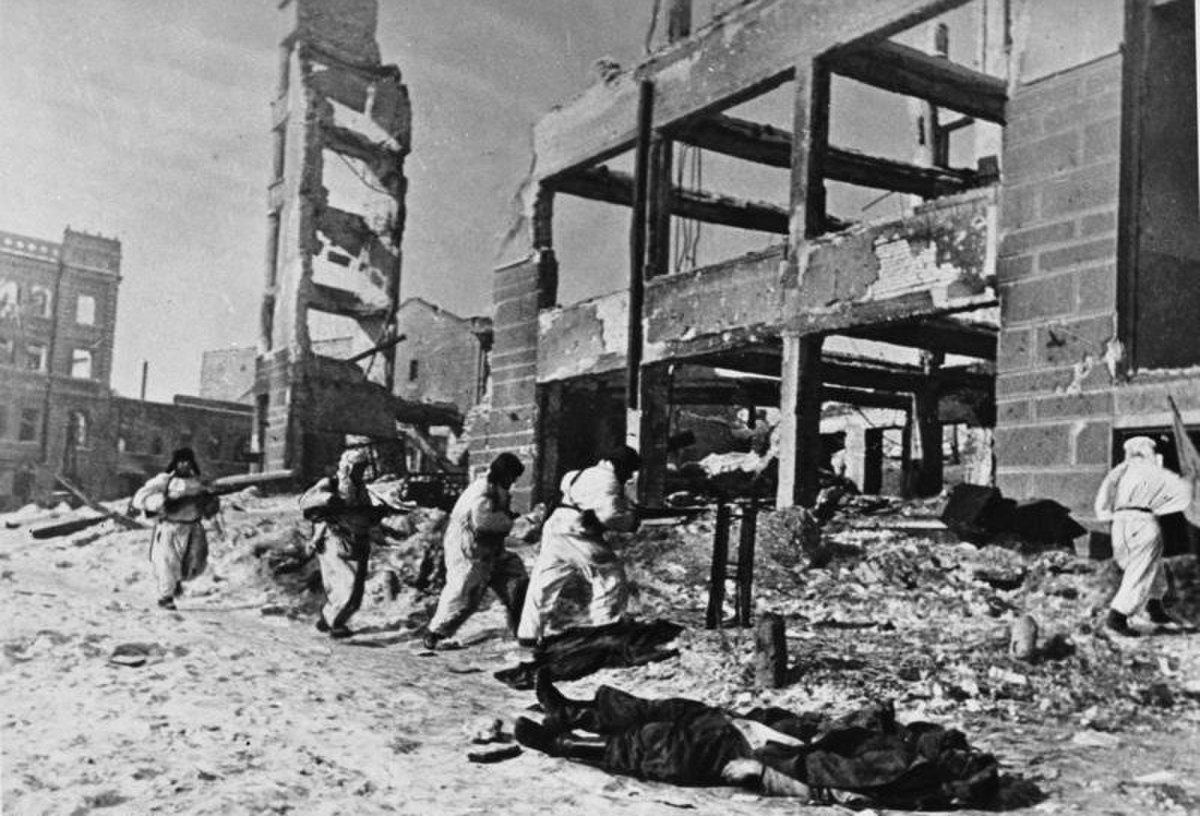
Strategic misdirection and brutal defensive victories crippled Axis momentum starting in late 1942 and early 1943. In the Pacific, the United States halted Japanese expansion at the Battle of Midway in June 1942. Months later, Soviet forces dealt Germany a catastrophic defeat at Stalingrad.
Soviet soldiers move through the ruins of Stalingrad, where the German advance into the Soviet Union was decisively crushed in early 1943. UnknownUnknown, CC BY-SA 3.0 de, via Wikimedia Commons
Allied military intelligence often tilted the odds before troops landed. Deceptions like Operation Mincemeat fooled Adolf Hitler into moving elite Panzer divisions away from Sicily to defend Greece, allowing Allied forces to invade Italy with reduced resistance and topple its fascist regime. By 1944, Allied forces opened a Western Front in Normandy while Soviet armies pushed into Central Europe.
How did the war reshape the modern world?
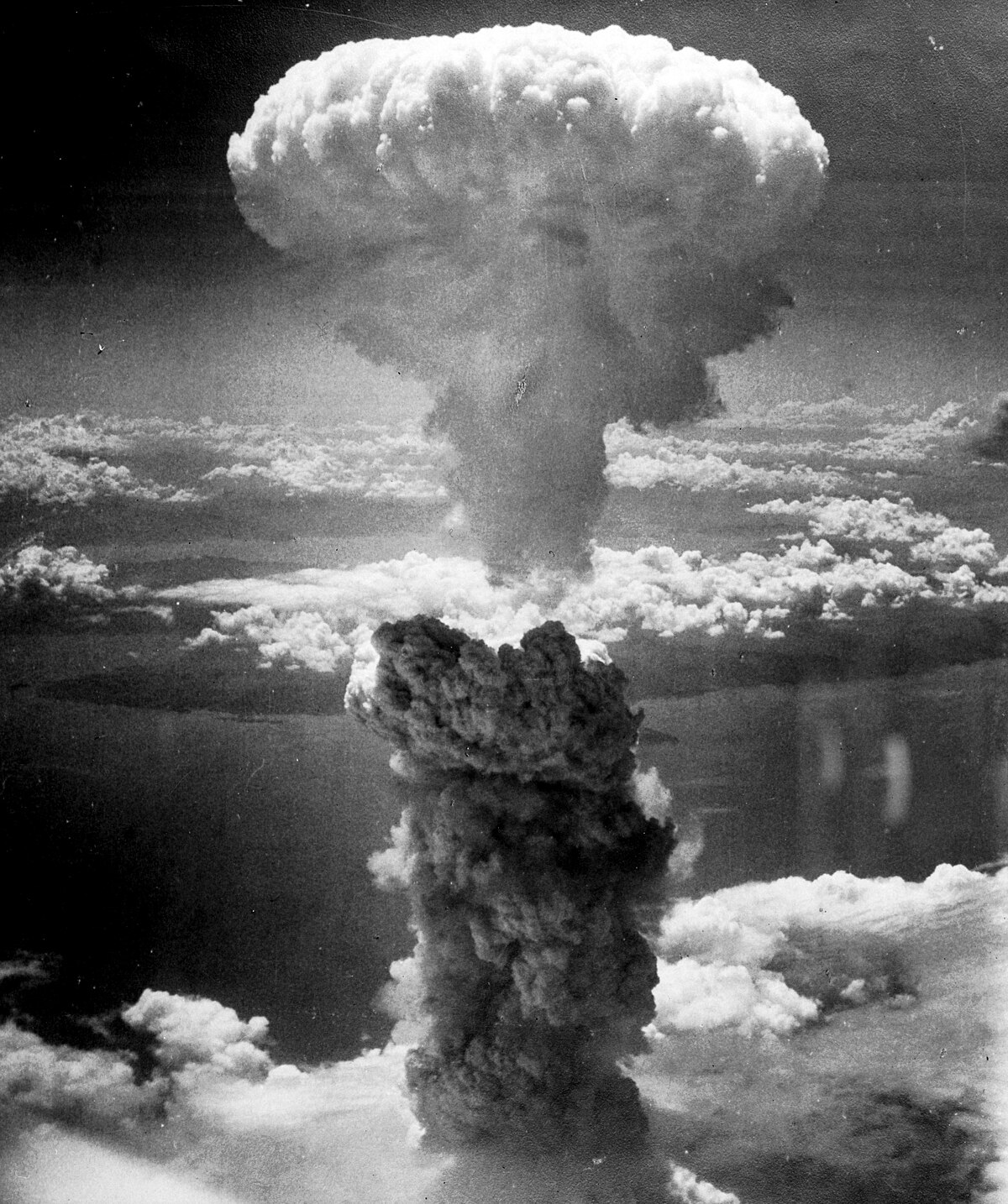
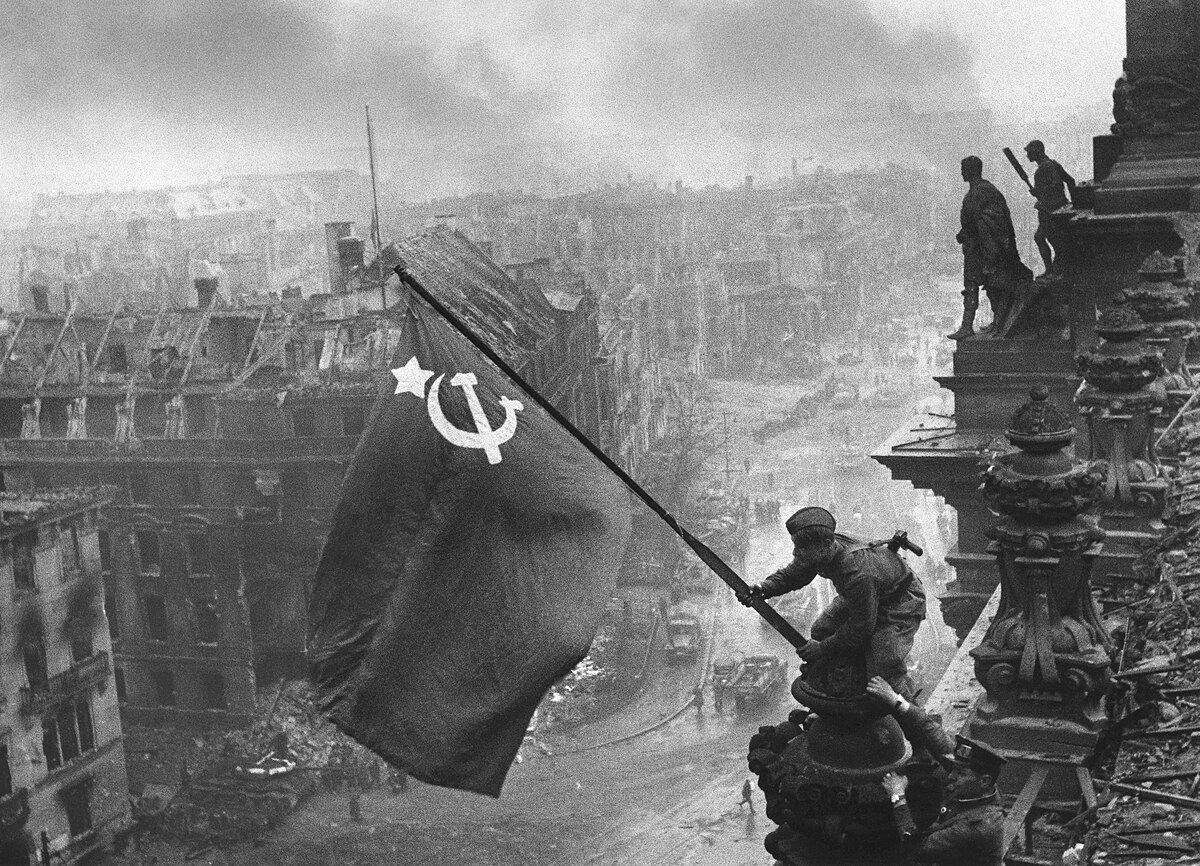
The conflict ended in 1945 after the fall of Berlin in May and the dropping of atomic bombs on Hiroshima and Nagasaki in August, forcing Japan to surrender on September 2. Germany, Austria, Japan, and Korea were placed under Allied military occupation, and leadership figures faced war crimes trials.
A mushroom cloud rises over Nagasaki on August 9, 1945, marking one of the final catastrophic events that forced Japan to surrender unconditionally. Charles Levy, Public domain, via Wikimedia Commons
Europe's devastation triggered the decolonisation of Africa and Asia. The United States and the Soviet Union emerged as rival superpowers, initiating the Cold War. To prevent future global conflicts, the victorious powers established the United Nations, assigning permanent Security Council seats to Britain, France, China, the Soviet Union, and the United States.
Test yourself
What made the war truly global by the end of 1941?
The USSR and US joined the Allies. Germany's invasion of the Soviet Union and Japan's attack on Pearl Harbor drew in the two largest Allied powers, joining separate wars into one.
Why did Britain and France declare war in September 1939?
Germany invaded Poland. Both had promised to defend Poland. When Germany invaded on September 1, 1939, they declared war two days later.
A forged secret memo is meant to fool a rival. Which feature most helps it be trusted?
Mundane details and a second source. Ordinary, checkable details and confirmation from other sources look like real mail, which is what made Martin's documents believable.
Play the lesson in edgi and the card is yours. It lands on your Map next to the ideas it connects to, and turns from matte to foil to gold as you learn more around it.
The conflict stemmed from unresolved tensions after World War I, including German resentment over the Treaty of Versailles. The rise of fascism in Europe and aggressive military expansion by Japan in Asia further destabilised international peace.
When did the war officially end?
Japan announced its unconditional surrender on August 15, 1945, and signed the formal surrender document on September 2, 1945. A formal peace treaty between Japan and the Allies was later signed in 1951.