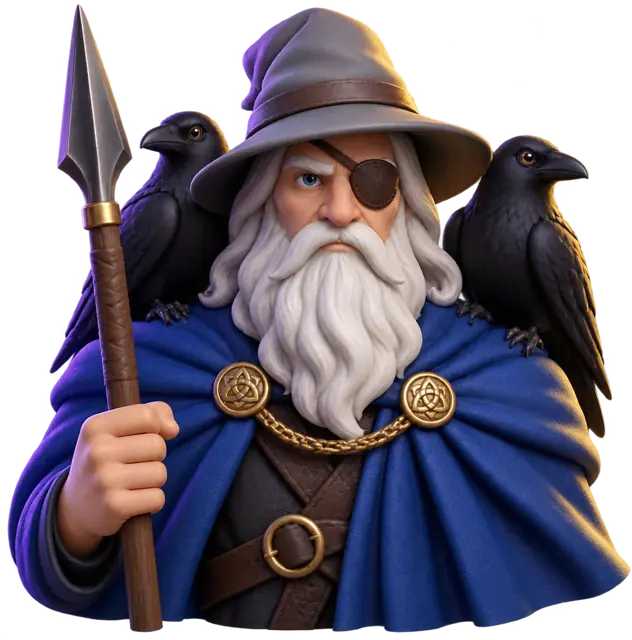
Odin is the chief god of the Norse pantheon, ruling Asgard and overseeing war, death, and poetry. Instead of reigning as an all-powerful protector, he is defined by relentless sacrifice to gain prophetic wisdom, knowing he is fated to die at Ragnarök. His worship spans over a millennium across Northern Europe under dozens of regional names.
By the edgi team We find the most surprising true thing about an idea and build a 60-second lesson around it.
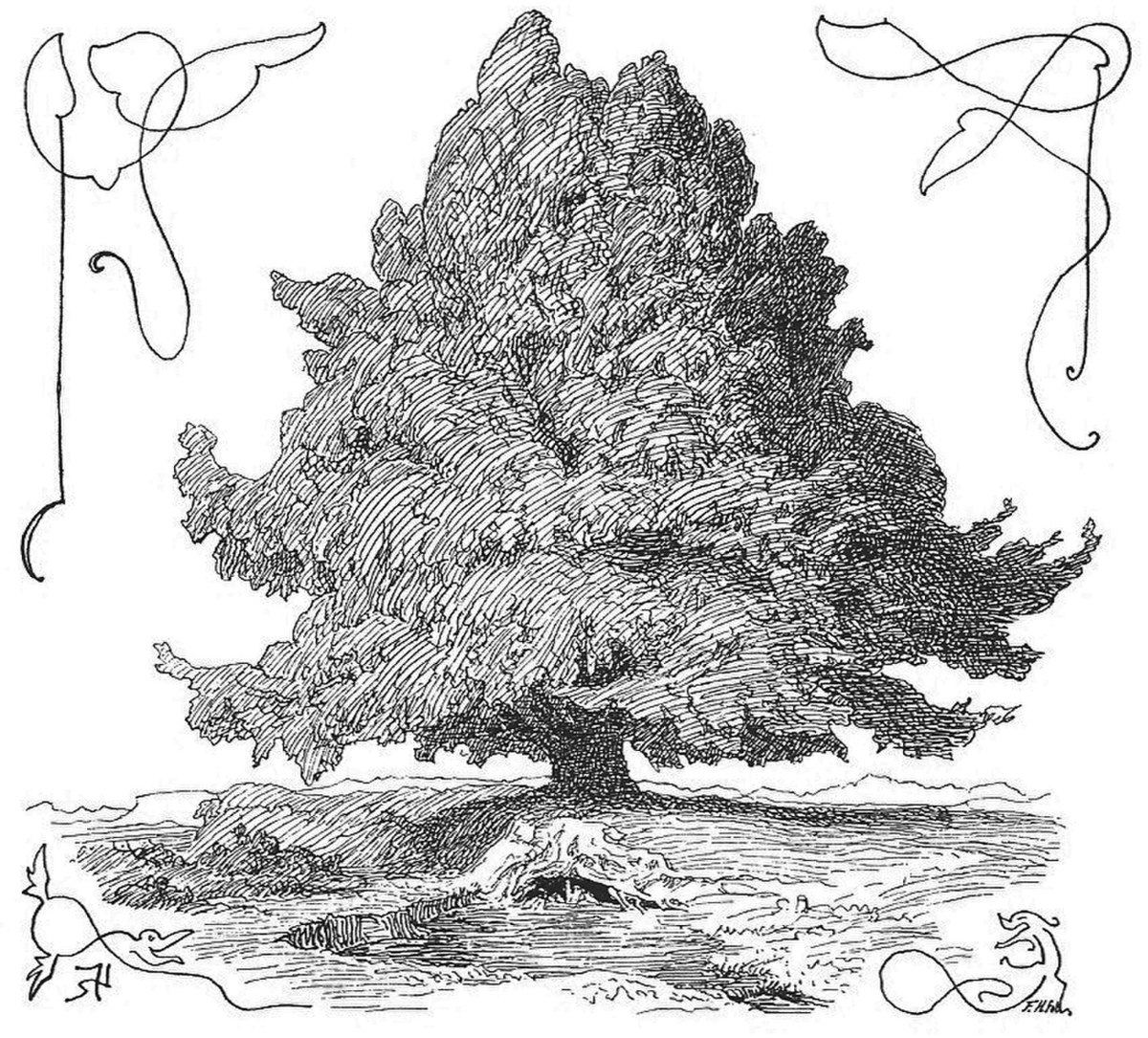
To gain the wisdom of the ages, Odin traveled to the roots of the world tree, Yggdrasil, to find the Well of Mimir. The well's guardian demanded a permanent price: Odin had to pluck out his own right eye and drop it into the water.
An intricate black and white illustration by Lorenz Frølich from 1895 depicts a large, full-leafed tree, identified as Yggdrasil, with decorative swirling patterns in the corners. Lorenz Frølich, Public domain, via Wikimedia Commons
Later, he hung himself from the same tree for nine nights, pierced by his own spear, just to unlock the secrets of the runes.
The doomed army
He did not endure these horrors for mere power, but because he had already seen the coming apocalypse and was terrified by it. He spends eternity gathering the bravest fallen souls in Valhalla, building an army for Ragnarök.
It is a war he wages knowing his ultimate defeat is already written, making the All-Father a god defined by the shadow of his own certain demise.
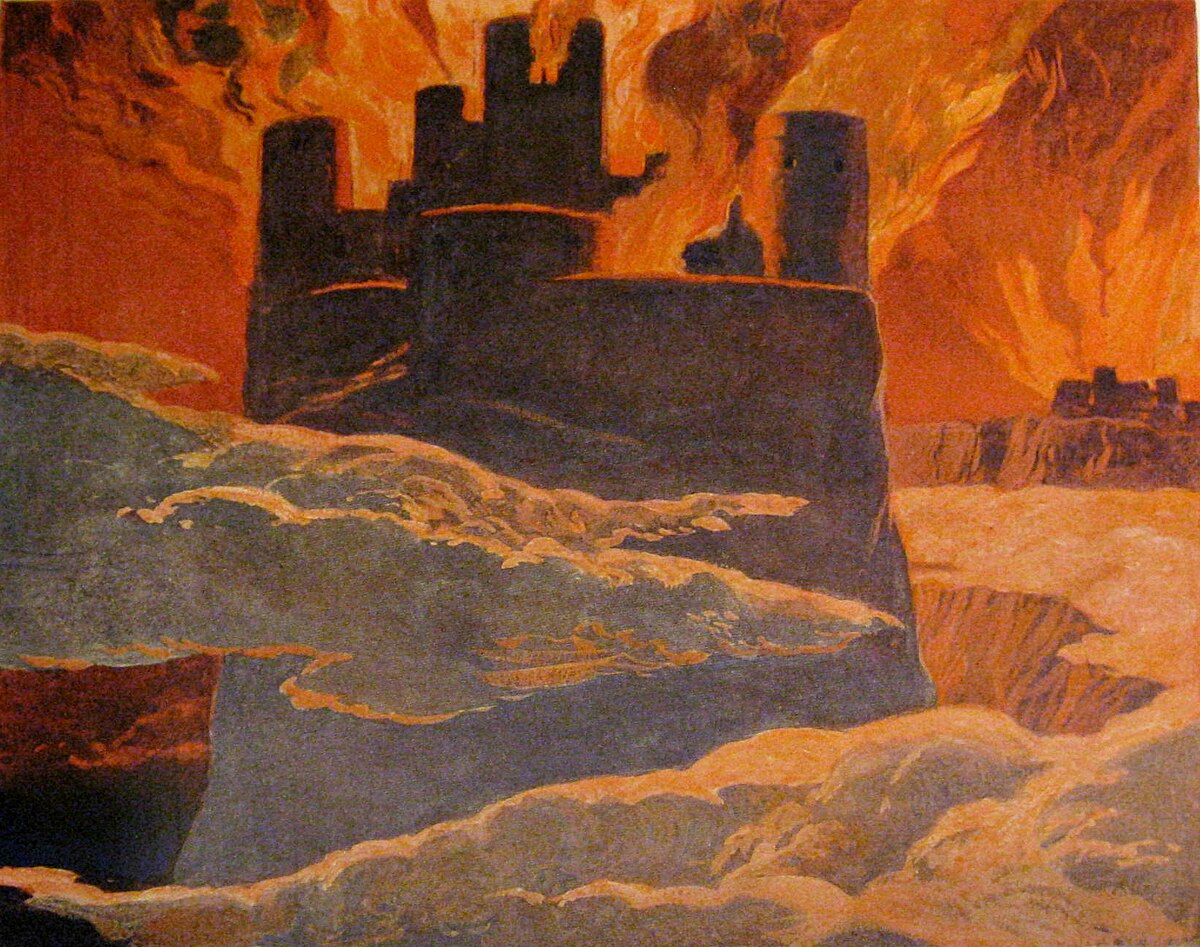
Painting by Emil Doepler from 1905 depicting a scene from the final phase of Ragnarök, showing a dark, fortified city engulfed in massive flames and smoke. Emil Doepler, Public domain, via Wikimedia Commons
What does Odin's name mean?
Odin's original name stems from violent ecstasy rather than serene wisdom. Linguists trace the Old Norse name Óðinn back to the Proto-Germanic name Wōðanaz, which translates to 'lord of frenzy' or 'leader of the possessed'. The base root wōðaz refers to rage, madness, and divine poetic inspiration.
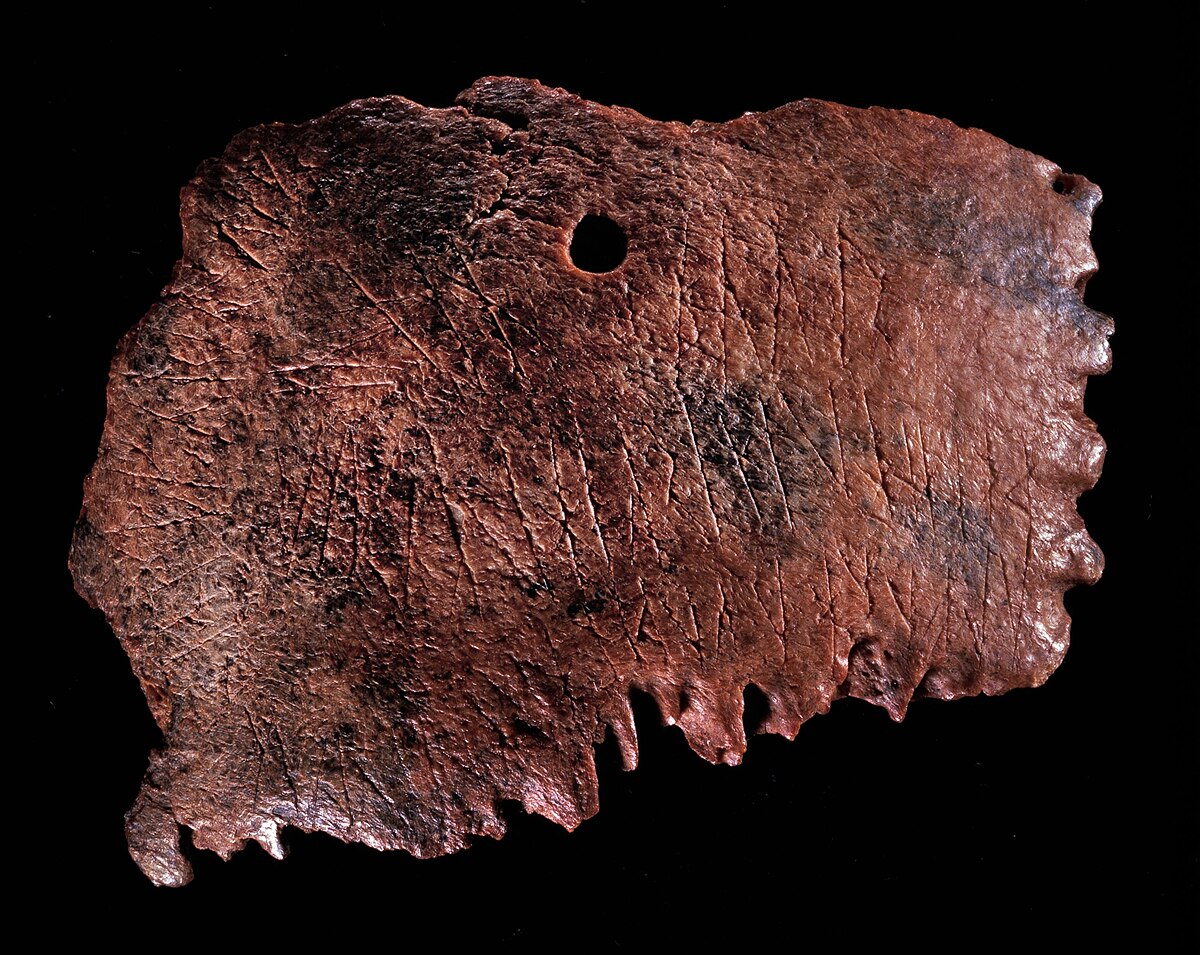
A human skull fragment found in Ribe, Denmark, inscribed with the runic name of Odin. Lennart Larsen, Nationalmuseet, Danmark, CC BY-SA 4.0, via Wikimedia Commons
In the 11th century, chronicler Adam of Bremen recorded this exact quality, noting that Wodan translates directly to the Latin word furor, meaning fury or madness. Over time, Germanic languages produced related cognates, including Old English Wōden and Old High German Wuotan.
Who were Odin's family and companions?
In the 13th-century Prose Edda, Odin is the son of the primordial figures Bestla and Borr. Alongside his brothers Vili and Vé, Odin created the world by slaying the giant Ymir and gave life to Ask and Embla, the first two humans.
Odin rules alongside his wife, the goddess Frigg, with whom he fathered Baldr. He also fathered the thunder god Thor with the earth-goddess Jörð. In many myths, Odin travels accompanied by animal familiars, including the twin ravens Huginn and Muninn and the wolves Geri and Freki.
How was Odin worshipped across Europe?
Odin's historical worship extended far beyond the Viking Age. Evidence of his veneration appears in records from the Roman Empire's occupation of Germania around 2 BCE through the Migration Period and into late medieval folklore.
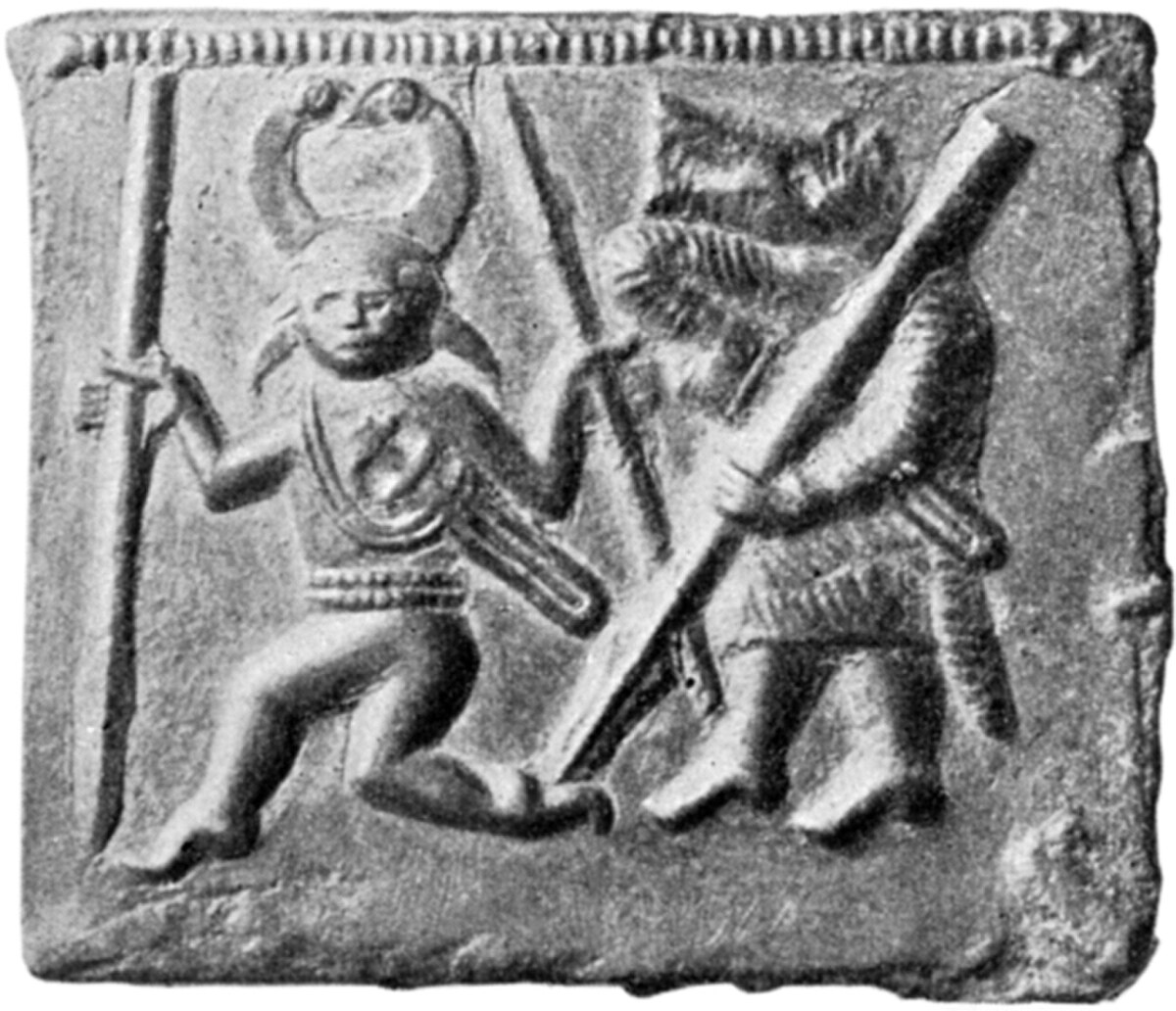
A bronze plate from Torslunda showing a figure whose right eye was deliberately removed after casting. Knut Stjerna (1874-1909), Public domain, via Wikimedia Commons
Early travelers recorded human sacrifices dedicated to Odin. In Old English genealogies, rulers traced their royal bloodlines directly back to Odin as an ancestral founder. In later European folklore, traditions recast him as the leader of the Wild Hunt, a ghostly procession of the dead riding across the night sky.
Test yourself
Why did Odin assemble the bravest fallen fighters in his hall?
To build an army for Ragnarok. Odin gathered and trained fallen champions through daily combat so they would stand alongside the gods during the final battle of Ragnarok.
Who did Odin send to select fallen warriors on the battlefield?
The Valkyries. Odin dispatched the Valkyries, whose name means choosers of the slain, to identify the bravest fighters killed in combat.
Why did Odin endure severe self-sacrifice to acquire the runes?
To master cosmic magic and fate. In Norse myth, runes were magical symbols that held the hidden laws of reality, which Odin sought to master cosmic fate.
Play the lesson in edgi and the card is yours. It lands on your Map next to the ideas it connects to, and turns from matte to foil to gold as you learn more around it.
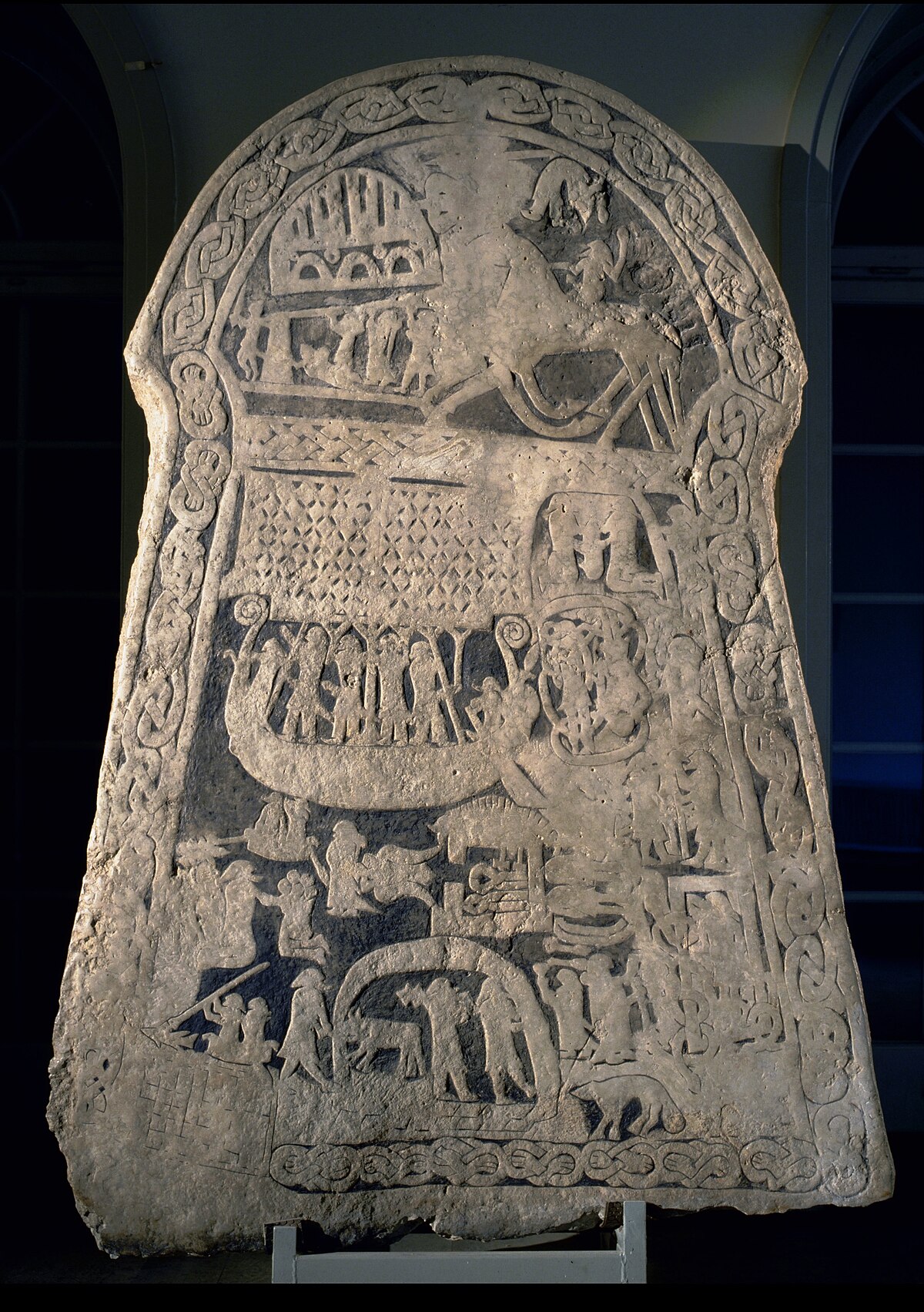
In Norse eschatology, Odin leads the slain warriors of Valhalla into the final battle of Ragnarök. During this cataclysmic conflict, the monstrous wolf Fenrir kills and swallows him.
Which day of the week is named after Odin?
Wednesday is named after Odin. It derives from the Old English form of his name, Wōden, becoming 'Wōdenesdæg' or Woden's day.
What is Odin's role with the dead?
Odin acts as a primary god of warfare and the slain. He commands the Valkyries to gather fallen warriors from the battlefield and brings them to his hall, Valhöll, in Asgard.