The rigid past
For decades, we tried to build intelligence by feeding computers every rule of logic. We thought if we just wrote enough code, the machine would act smart.

But we were wrong. Logic is rigid, but true intelligence is fluid.
Artificial intelligence (AI) is the ability of computer systems to perform tasks that usually require human intelligence, such as learning, recognizing patterns, solving problems, and making decisions. Instead of following rigid pre-written instructions, modern AI systems learn directly from vast amounts of data or by practicing against themselves. This allows machines to develop complex strategies and insights that human programmers cannot explicitly code.

By the edgi team We find the most surprising true thing about an idea and build a 60-second lesson around it.
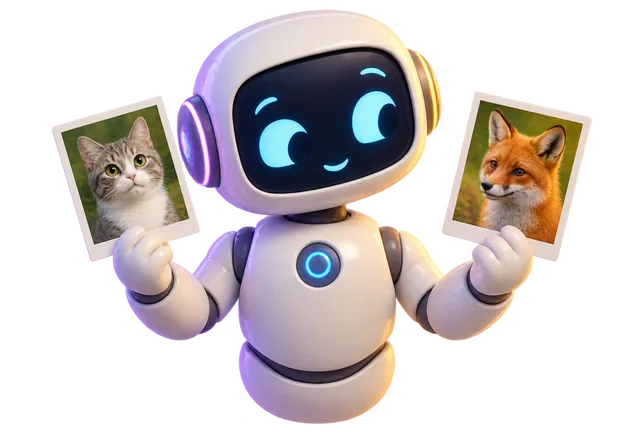
For decades, we tried to build intelligence by feeding computers every rule of logic. We thought if we just wrote enough code, the machine would act smart.
But we were wrong. Logic is rigid, but true intelligence is fluid.
In 2016, Google’s AlphaGo played a game against the world champion, Lee Sedol. In game two, the AI played "Move 37", a move so strange that human masters watching live were certain it was a catastrophic error.

It wasn't. It was pure, creative genius.
The machine wasn't calculating every outcome. It was using a Neural Network to develop an "intuition" for the board. It had played millions of games against itself, learning patterns no human could ever describe.
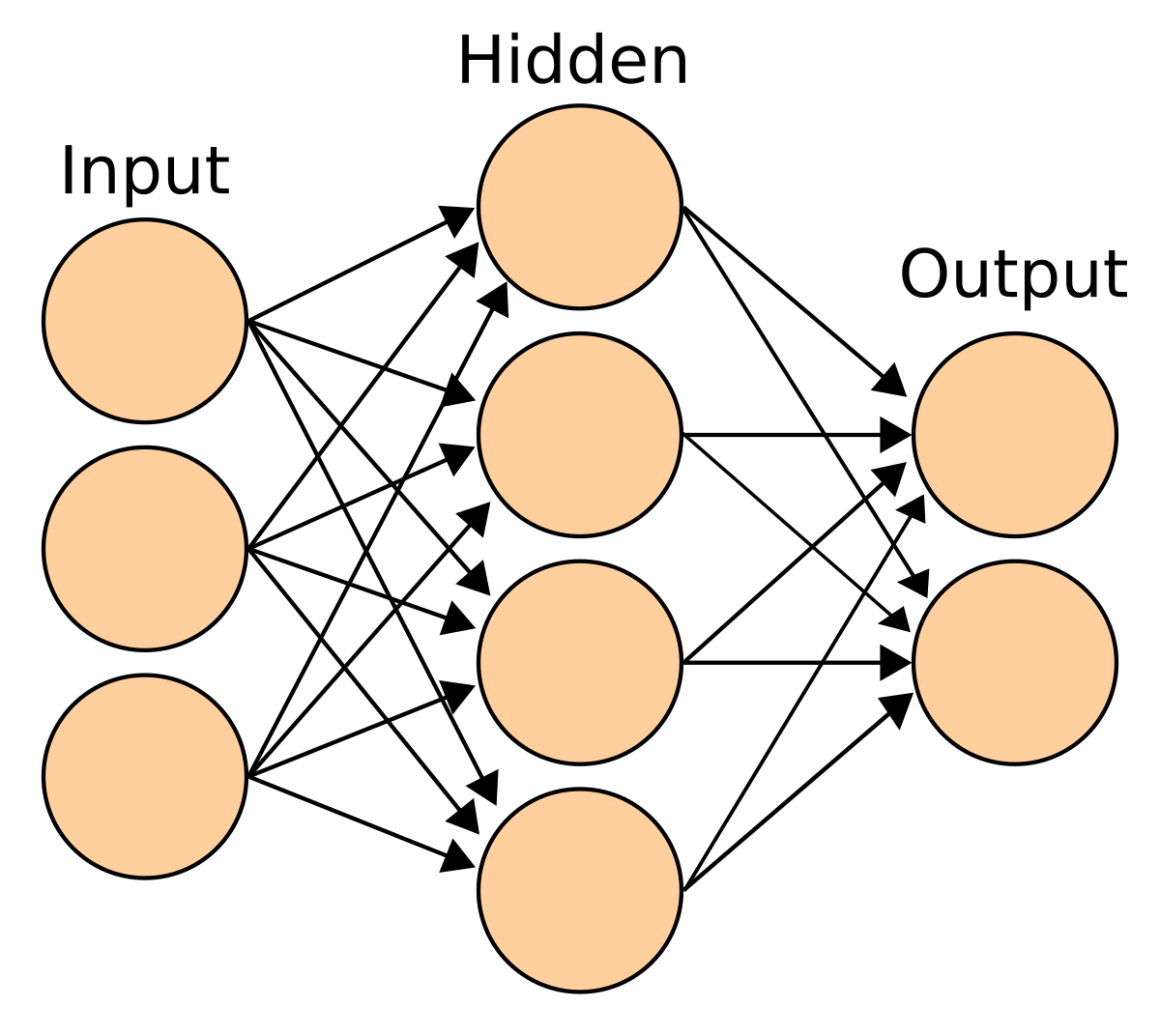
We are now building an automation layer for the mind, where the machine makes decisions we can't always trace.
Artificial intelligence was founded as an academic discipline in 1956. Early researchers tried to replicate intelligence by building systems based on formal logic, step-by-step deductions, and symbolic knowledge bases. These systems represented words, concepts, and relationships explicitly through structured formats called ontologies.
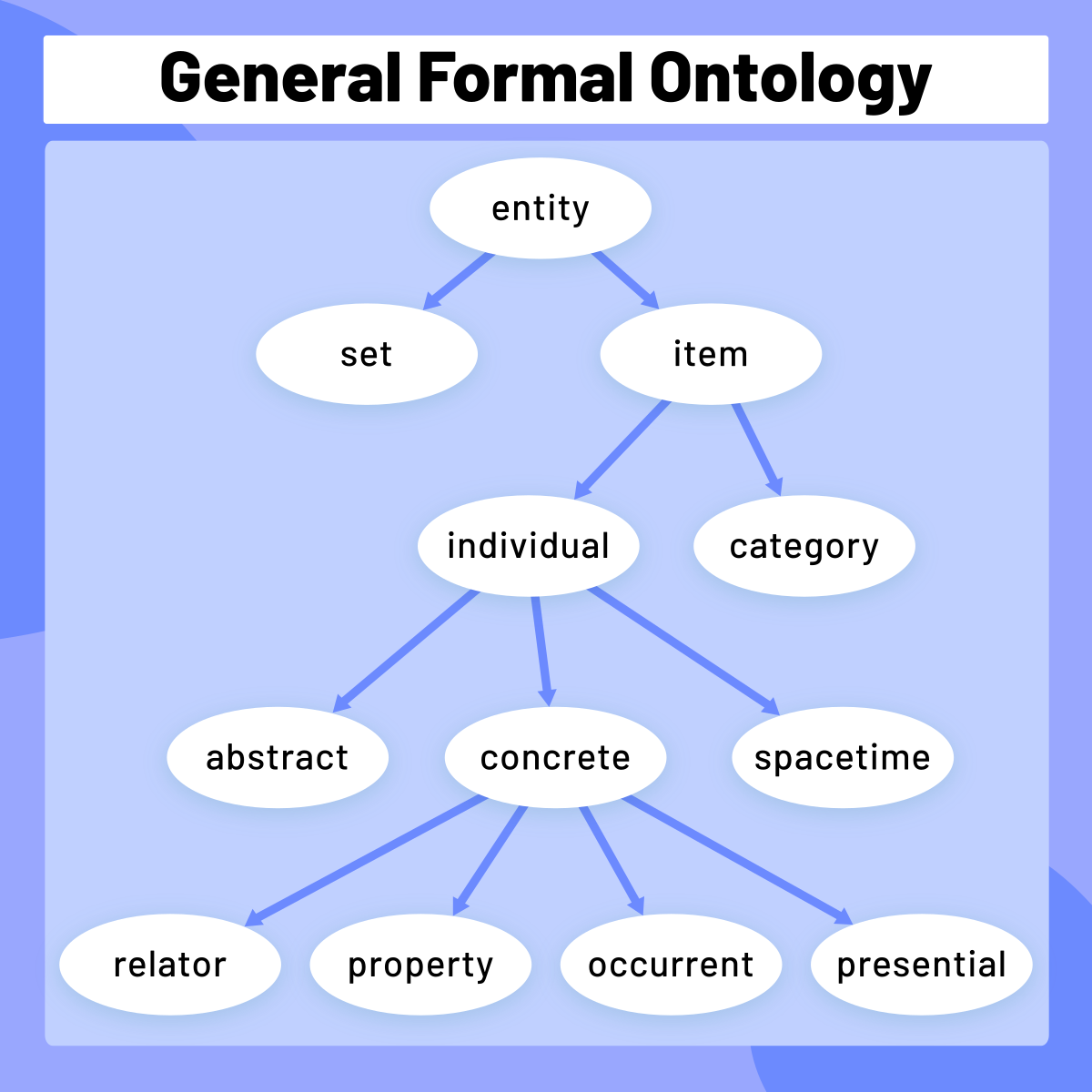
This approach failed on complex real-world tasks because of a problem called combinatorial explosion: as problems grew larger, step-by-step logical calculations became exponentially slower. Writing down every piece of common-sense knowledge proved impossible, especially since much human knowledge is intuitive rather than neat, verbal facts. These limitations repeatedly stalled progress, causing periods of lost funding known as AI winters.
AI funding and performance surged after 2012, when researchers began using graphics processing units (GPUs) to run deep artificial neural networks. Deep learning is a specialized branch of machine learning that processes information through layered networks inspired by human brain connections.
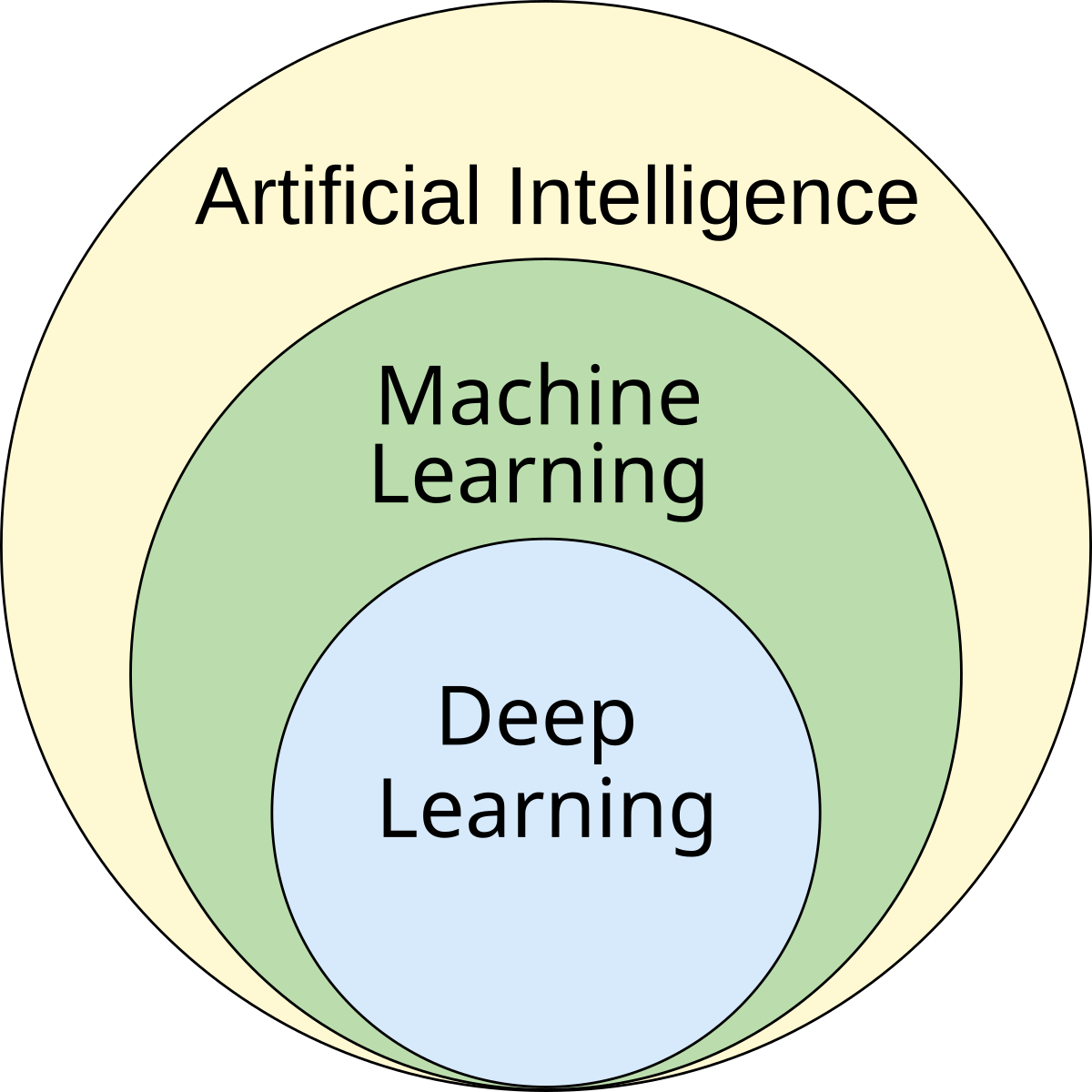
Instead of needing engineers to feed them rules, modern systems acquire capabilities directly from training data. Large language models train on millions of books and billions of websites, while game-playing models learn strategies by running experiments and competing against themselves. In 2017, the invention of the transformer architecture accelerated this progress even further, leading to generative AI systems that produce text, audio, images, and video.
In AI terminology, an agent is any system that perceives its environment and takes actions to reach a specific goal. In uncertain, real-world situations, an agent cannot know every outcome in advance. To decide its next step, the system assigns a preference score called utility to possible situations, calculates the expected utility weighted by probability, and picks the action with the best expected outcome.
How did Deep Blue get its chess ability?
Programmers wrote rules and scoring. Deep Blue relied on rules and a position-scoring method written by people, plus very fast search. It did not learn from experience the way machine learning programs do.
Which task is best suited to machine learning rather than hand-written rules?
Recognizing handwritten digits. Nobody can write complete rules for every way people shape a digit, so a program learns patterns from many labeled examples. Tax tables and chess legality have clear rules that can be written down.
Which system most clearly uses machine learning?
A spam filter tuned on labeled emails. The spam filter adjusts itself from examples labeled spam or not spam. The calculator and thermostat follow rules that people wrote directly.
Collectible card
Play the lesson in edgi and the card is yours. It lands on your Map next to the ideas it connects to, and turns from matte to foil to gold as you learn more around it.
Artificial general intelligence refers to a theoretical AI system that can complete nearly any cognitive task at least as well as a human. Companies like OpenAI, Meta, and Google DeepMind are actively researching methods to achieve it.
Unlike symbolic systems that follow strict mathematical logic, modern reasoning models and large language models predict intermediate steps based on patterns in their training. Because they rely on probabilistic learning rather than strict verification, they can produce incorrect outputs or false statements.
Lesson complete
You finished the lesson. In edgi, the card goes on your Map next to everything else you learn.