The Barnum effect is a psychological phenomenon where people believe generic personality descriptions apply specifically to them, even though the claims fit almost anyone. It works through subjective validation, where your brain searches its memories to find evidence matching vague statements. This explains why practices like astrology, fortune telling, and bogus personality tests feel accurate.
By the edgi team We find the most surprising true thing about an idea and build a 60-second lesson around it.
In 1948, psychologist Bertram Forer gave his students a personality test. He ignored their answers and handed every student the exact same profile.
The text was stitched together from a newsstand astrology column. He asked them to rate its accuracy on a scale of zero to five. The average score was a staggering 4.26 out of 5.
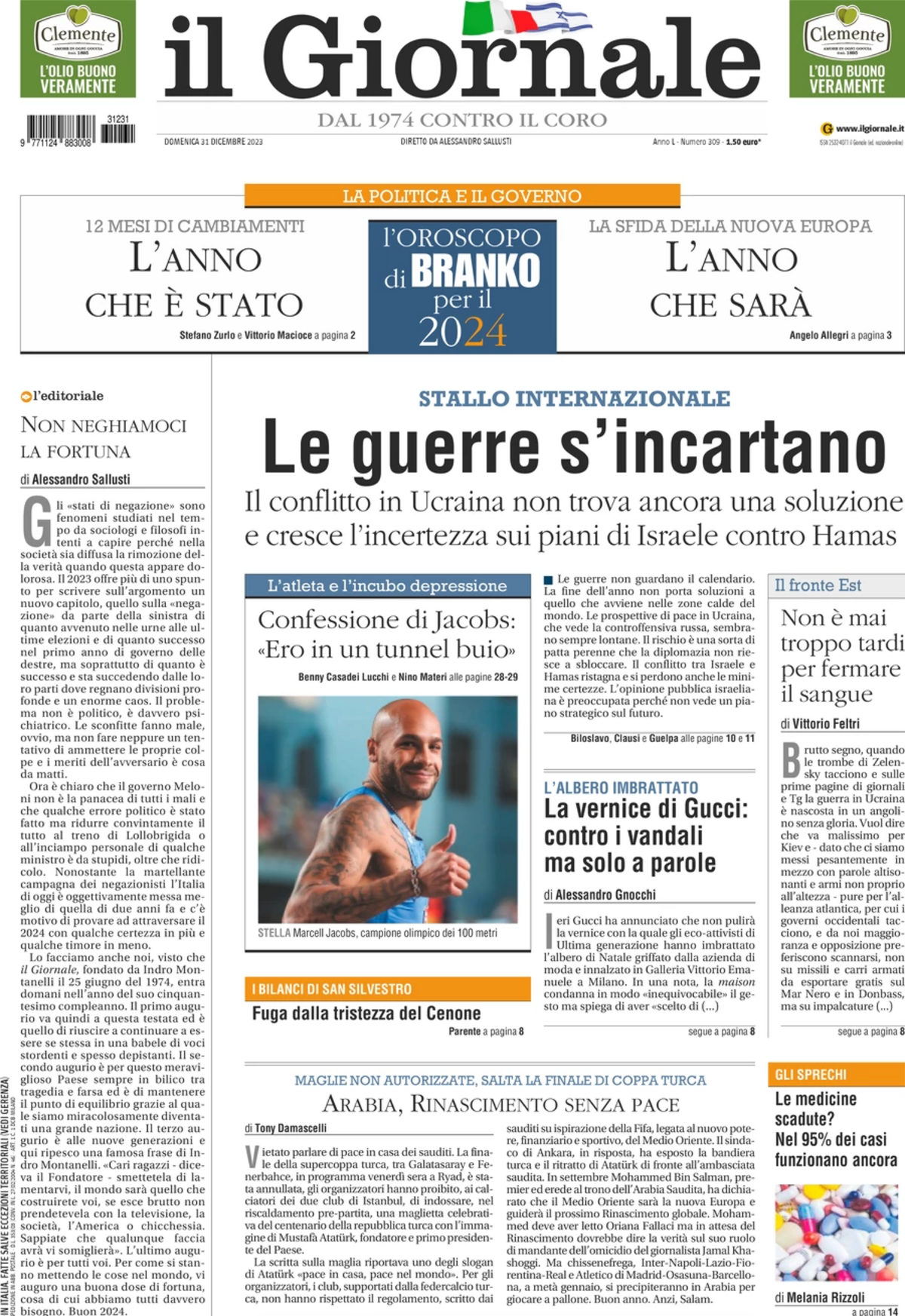
Front page of the Italian newspaper "il Giornale" from December 31, 2023, featuring headlines such as "Le guerre s'incartano" (The wars get complicated) and "L'OROSCOPO di BRANKO per il 2024"… Nathanielrose, CC0, via Wikimedia Commons
Double-headed claims
The secret lies in statements carefully engineered to fit almost anyone. You prefer a certain amount of change and variety and become dissatisfied when hemmed in by restrictions.
At times you have serious doubts as to whether you have made the right decision. These double-headed statements offer a positive trait while quietly smuggling in its opposite.
Filling in the blanks
When people read vague statements, they rely on subjective validation. Your brain automatically sifts through its own memories to find the one specific time that matches the claim.
You ignore the generic fluff and laser-focus on the hit, convincing yourself the description is a bullseye. This psychological trap, known as the Barnum effect, is the secret engine behind astrology and cold reading.
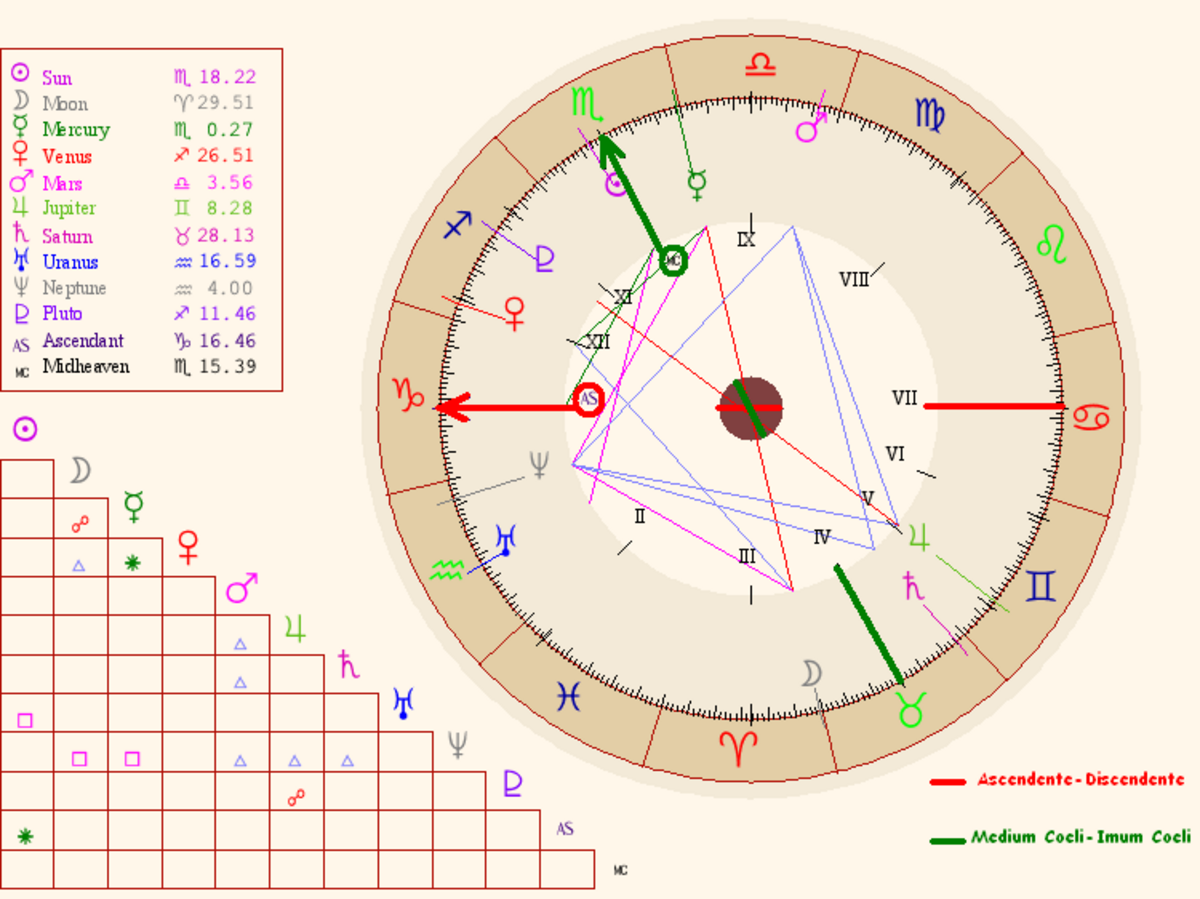
An example birth chart or horoscope, displaying astrological symbols, planetary positions, and houses in a circular diagram. No machine-readable author provided. Leopanza~commonswiki assumed (based on copyright claims)., CC BY-SA 3.0, via Wikimedia Commons
How Barnum statements trick the brain
The effect relies on statements that sound tailored but describe universal human experiences. Phrases that include qualifiers like 'at times' allow statements to cover both sides of a personality, such as being sociable in some situations while remaining reserved in others.
People project their own specific meanings onto generic phrasing. Because humans have a general tendency to accept bogus personality feedback, the brain searches for personal memories that confirm the statement while ignoring parts that do not fit.
Conditions that make the effect stronger
People give higher accuracy ratings when they believe an assessment is uniquely personalized and when they trust the authority or honesty of the evaluator. In fact, individuals are more likely to accept negative assessments when delivered by high-status professionals.
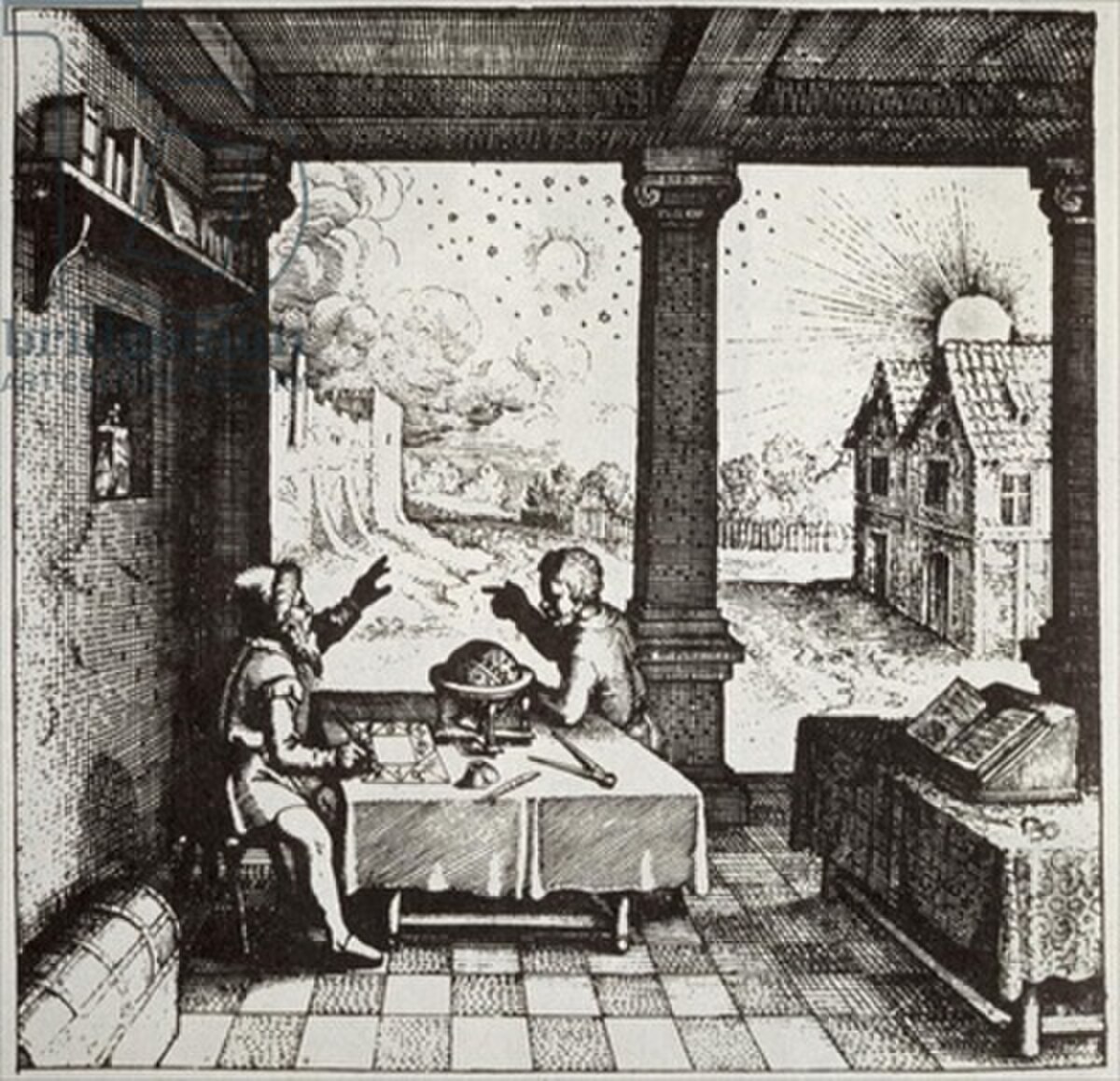
Bertram Forer demonstrated in 1948 that students would rate identical astrology snippets as highly accurate personality assessments. Ekathelimiel, CC0, via Wikimedia Commons
The balance of traits also matters. Following the Pollyanna principle, subjects accept descriptions much more readily when the analysis lists mostly positive traits. People with neurotic personalities, authoritarian traits, or a higher need for approval show a stronger Barnum effect.
Test yourself
In the Barnum effect, why can the same vague profile feel personally accurate to many people?
Readers match its broad claims to their own memories. People focus on personal memories that seem to fit broad claims, making a generic profile feel uniquely accurate.
What is the primary mechanism behind the Barnum effect?
Subjective validation of vague traits. People convince themselves descriptions are accurate by mining their own memories for specific hits while ignoring the fluff. The descriptions are too generic to be inherently precise.
Play the lesson in edgi and the card is yours. It lands on your Map next to the ideas it connects to, and turns from matte to foil to gold as you learn more around it.
Psychologist Paul E. Meehl coined the name in 1956. He connected the vague descriptions used in pseudo-successful tests to the showmanship of P. T. Barnum.
Who first demonstrated the Barnum effect experimentally?
Psychologist Ross Stagner tested personnel managers with generic feedback from horoscopes in 1947. Bertram Forer conducted his classic student experiment one year later in 1948.
How do cold readers and fortune tellers exploit it?
Practitioners use props like crystal balls or tarot cards while projecting confidence. They weave in population statistics and surveys to make broad claims that feel intimate to their marks.