Personal finance is the way an individual or family manages money through budgeting, saving, and spending while preparing for future risks and life events. It is driven by psychological habits rather than complex mathematics. Learning simple controls helps curb unconscious spending, protect against unexpected emergencies, and steadily build wealth over time.
By the edgi team We find the most surprising true thing about an idea and build a 60-second lesson around it.
Most people assume financial success requires being a math whiz or a stock market genius. In reality, your brain is wired for immediate survival, not long-term planning.
A Bloomberg Terminal setup is displayed with two monitors showing financial data and charts, and a specialized keyboard with color-coded keys. Travis Wise, CC BY 2.0, via Wikimedia Commons
We make financial decisions based on ego, fear, and social pressure, not on a spreadsheet.
The kakeibo method
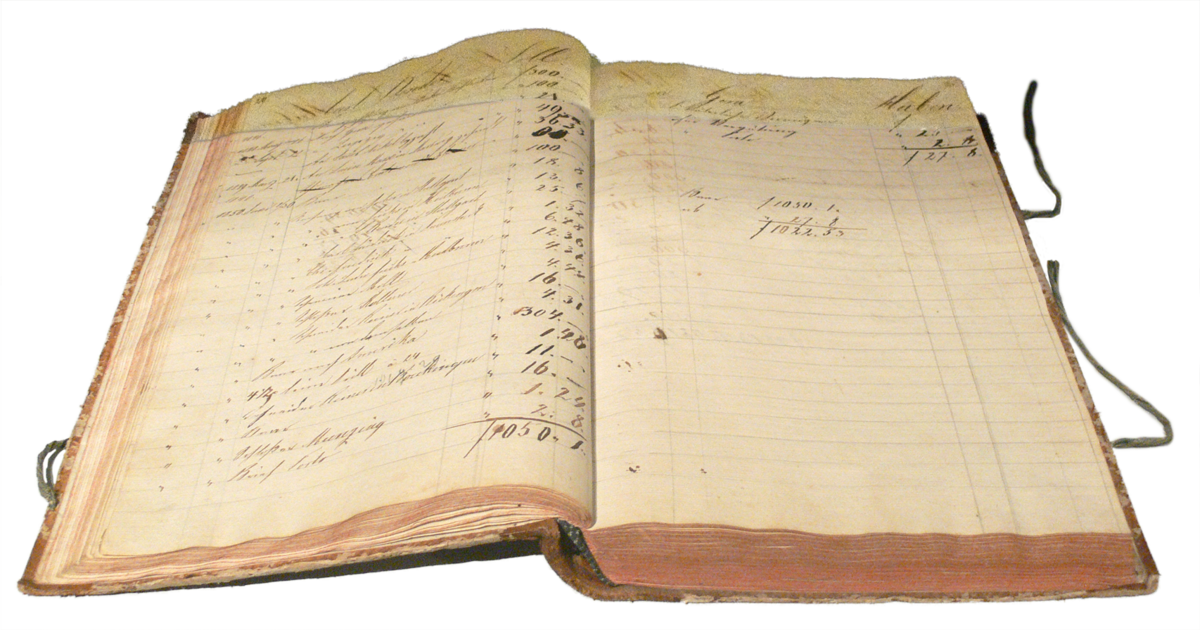
In 1904, a Japanese journalist named Motoko Hani noticed that household stress was boiling over due to invisible spending. She created Kakeibo, a physical ledger system designed to make money management mindful.
An open antique ledger book with handwritten entries in ink, showing columns of numbers and text. RaphaelQS, CC0, via Wikimedia Commons
The rule was simple: you had to handwrite every expense and reflect on your mood while doing it.
Why it works
Digital spending is frictionless; it feels like nothing at the moment of purchase. Writing it down creates a cooling-off period where you must confront your own behavior.
This simple act is the best way to stop lifestyle creep, which is the slow, unconscious rise in spending that keeps you broke.
The real goal
Once you control the outflow, you can finally harness compound interest, the mathematical force that builds wealth while you sleep. The goal is not just a high net worth.
It is building an emergency fund so you can survive a real-life crisis without panic.
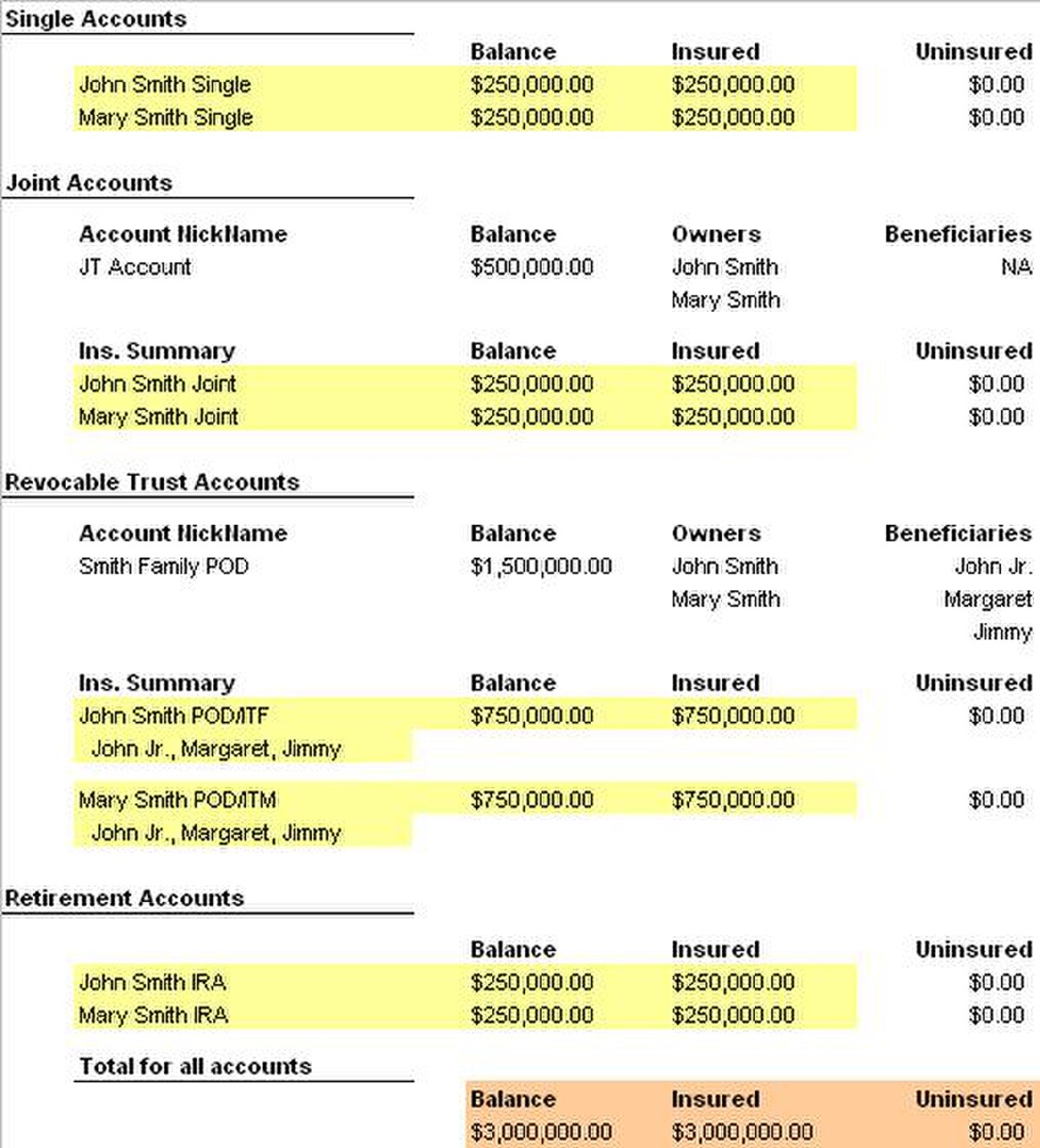
A table illustrating FDIC insurance coverage for various account types, including Single Accounts, Joint Accounts, Revocable Trust Accounts, and Retirement Accounts. Chriscd, CC0, via Wikimedia Commons
The five steps of financial planning
Financial planning is a dynamic cycle that requires regular reassessment rather than a one-time calculation. The process begins with an assessment, where you list all personal assets such as cars, homes, and bank accounts alongside liabilities like mortgages and credit card debt on a personal balance sheet.
A stack of three coins representing accumulated savings and capital. Iain Hector, CC BY 3.0, via Wikimedia Commons
Next, you set short-term and long-term targets, such as saving for a computer next month or aiming for a specific retirement balance decades later. From there, you build a plan to cut unnecessary expenses or increase income, execute that strategy through disciplined daily spending, and routinely monitor progress.
Managing this cycle also involves selecting appropriate banking accounts, insurance policies, and tax-advantaged retirement funds while monitoring credit scores and income taxes.
Core rules of personal money management
While individual situations and tax laws vary, broad consensus outlines several simple rules for household money. These include paying off monthly credit card balances in full, dedicating 10 to 20 percent of post-tax income to savings and investments, and keeping an emergency fund that covers at least six months of living costs.
When investing for the long term, experts recommend avoiding the trading of individual securities in favor of low-cost, diversified mutual funds. If hiring a financial advisor, ensure they commit to a fiduciary duty to act strictly in your best interest.
How the field developed
Personal finance grew out of home economics, family economics, and consumer economics taught in colleges for over a century. In 1920, Hazel Kyrk's dissertation at the University of Chicago helped establish consumer and family economics, followed by pioneering work on household behavior from professor Margaret Reid.
In 1947, Nobel laureate Herbert A. Simon observed that people fail to make optimal financial choices because of personal inclinations and limited educational resources. Despite this early research, standard personal finance curricula were rare until after the 2008 financial crisis, when the United States President's Advisory Council on Financial Capability formed to establish structured financial literacy standards.
Test yourself
You have $0 saved and a 22% card balance. What is the best first move?
Save a small cushion, then pay the card. A small starter cushion keeps a surprise bill from landing back on the 22% card. After that, extra money can go to the debt.
A card charges 24%. Savings pay 4%. Where should extra cash go?
Toward the card balance. Paying down the card avoids 24% interest, a guaranteed return far above the 4% the savings account earns.
Your emergency fund should be based on which figure?
Your essential monthly expenses. The fund replaces what you must pay during a gap, so it is sized to essential expenses like rent, food and insurance, not to what you earn.
Play the lesson in edgi and the card is yours. It lands on your Map next to the ideas it connects to, and turns from matte to foil to gold as you learn more around it.
What is the difference between a personal balance sheet and an income statement?
A personal balance sheet lists what you own, such as savings and real estate, against what you owe, such as credit card debt and loans. A personal income statement tracks the flow of incoming earnings and outgoing expenses over a specific period.
What are common tax-advantaged accounts in personal finance?
In the United States, common options include 401(k) retirement funds, Individual Retirement Accounts (IRAs), and 529 education savings plans. These accounts offer specific tax benefits to encourage long-term saving for retirement and schooling.