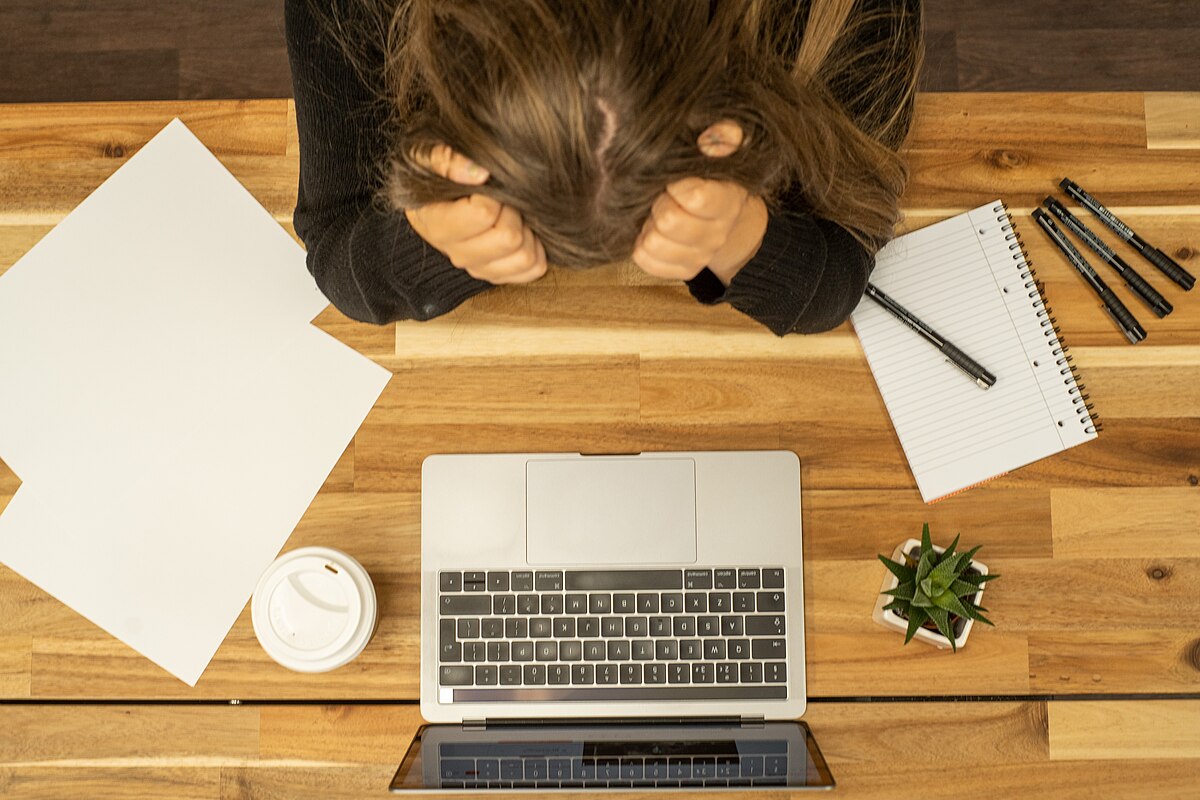
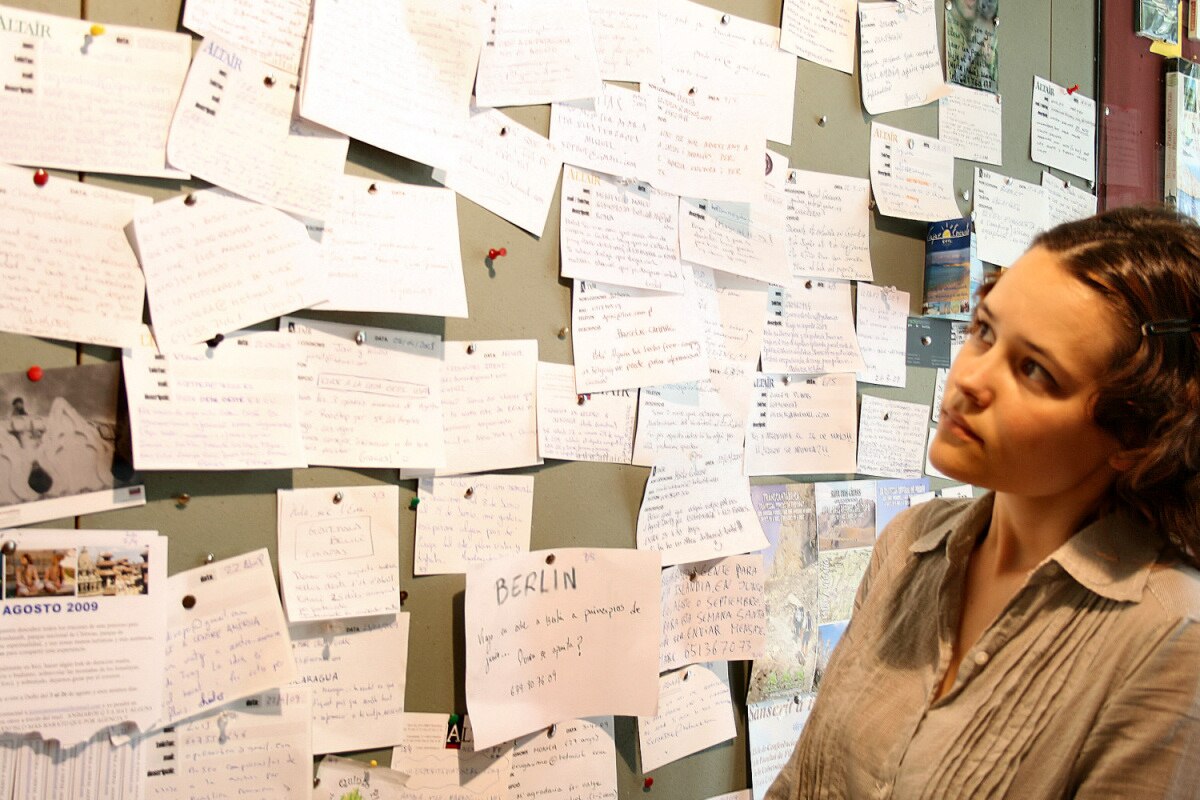
Fear of negative evaluation is the psychological dread of being judged unfavorably, distress when criticism occurs, and the expectation that others will see you in a bad light. It drives behaviors like staying quiet, avoiding evaluation, and over-conforming to gain approval. People high in this trait often misjudge their own performance, assuming they appear far more awkward than they actually are.
By the edgi team We find the most surprising true thing about an idea and build a 60-second lesson around it.
People often perform differently when they know someone is watching. Researchers had people do a task alone, in front of two spectators, and in front of two spectators wearing blindfolds.
People performed differently only when the spectators could see the task. Psychologists call this social facilitation. Having people nearby was not enough. The possibility of being judged made the difference.
When avoidance feels reasonable
Fear of being judged has a name: fear of negative evaluation. It can look like an ordinary choice: staying quiet in a meeting, keeping a draft private, or choosing an essay instead of a presentation.
In the moment, those choices can feel like preferences, not fear. That makes the fear easy to miss. You can keep avoiding judgment without recognizing that fear is making the choice. At its strongest, fear of negative evaluation is central to social anxiety.
The barry manilow shirt
Researchers gave students a Barry Manilow T-shirt they found embarrassing and sent each one into a room of strangers. The wearers guessed that 46 percent of the room could identify the singer. Only 23 percent could.
A portrait of Barry Manilow from 1979, showing him in profile, smiling, wearing a dark suit with a patterned tie and a red rose boutonnière. Alan Light, CC BY 2.0, via Wikimedia Commons
This gap is called the spotlight effect. Other people pay less attention to us than we think. Before you start, nobody has seen your work. You are reacting to judgment you expect, not judgment anyone has made.
How fear of negative evaluation affects perception
People with high fear of negative evaluation are unusually accurate at detecting negative facial expressions in others, but they severely misjudge their own behavior. When giving speeches, high-scoring individuals overestimate awkward pauses and underestimate their own confidence. Low-scoring individuals do the opposite, overestimating how effective they were.
This distorted self-view creates unnecessary distress even when performance is strong. In studies of public speaking, high-scoring speakers communicated their points effectively to listeners, matching the audience's actual comprehension, yet still believed they did poorly.
Under physical pressure, this fear directly hurts results. In basketball studies, players with low fear of negative evaluation sustained their performance levels under high stakes, while players with high scores suffered a significant drop in their game.
The link between social anxiety and health
While social anxiety is an emotional reaction to a social setting, fear of negative evaluation is the underlying dread of being judged unfavorably within it. People diagnosed with social phobia score exceptionally high on measures of this fear. In lab tests, seeing negative faces before giving a speech causes high scorers to spike in apprehension, while low scorers show no increase at all.
This evaluation dread extends into physical self-image. Fear of being judged on appearance is a direct cause of eating disorders linked to social anxiety, ranking above depression and social comparison as a foundation for body dissatisfaction and bulimic attitudes.
How psychologists measure and trace the trait
David Watson and Ronald Friend introduced the concept in 1969 alongside a 30-item true-or-false test taking ten minutes to complete. In 1983, Mark Leary created a brief 12-item version using a five-point scale, which closely matches the original's results.
Twin studies using the brief scale show that fear of negative evaluation has a genetic component. The genes influencing this fear correlate with a broader range of anxiety-linked traits, including submissiveness, anxiousness, and social avoidance.
Test yourself
What does the spotlight effect cause people to overestimate?
How much others notice them. The spotlight effect describes the tendency to believe that others are paying much more attention to our appearance and actions than they actually are.
Does social facilitation depend on actual observation or mere presence?
Actual observation. Social facilitation requires the possibility of being judged, which means spectators must actually be able to observe the task.
You are sure everyone noticed you stumble in a meeting. How many actually did?
Far fewer than you think. Students wearing an embarrassing Barry Manilow T-shirt guessed that 46 percent of the room could identify him. Only 23 percent could. Other people were paying about half as much attention as the wearers expected.
Play the lesson in edgi and the card is yours. It lands on your Map next to the ideas it connects to, and turns from matte to foil to gold as you learn more around it.
What is the alternative name for fear of negative evaluation?
It is also known as fear of failure or atychiphobia. Psychologists treat it as a distinct construct related to anxiousness, social avoidance, and submissiveness.
How does fear of negative evaluation influence behavior in groups?
People who score high on this scale are highly concerned with seeking social approval and avoiding disapproval. Because they are more responsive to situational factors, they show higher rates of conformity and pro-social behavior.
Does fear of negative evaluation overlap with all social anxiety tests?
No, it does not correlate strongly with certain other measures of social apprehension. Tests like the SAD PERSONS scale and the Interaction Anxiousness Scale measure different aspects of social discomfort.