Analysis paralysisWhy more information stops decisions
Analysis paralysis is a state where overanalyzing a situation stops a person or group from making a decision within a reasonable time. It happens when the fear of choosing wrong or missing a better option outweighs the real benefit of deciding quickly. As extra research piles up, decision-making stalls in an unconscious effort to keep all options open.
By the edgi team We find the most surprising true thing about an idea and build a 60-second lesson around it.
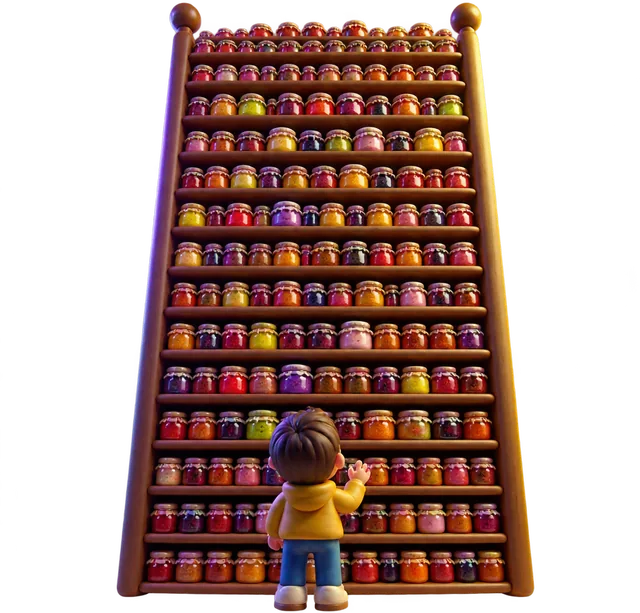
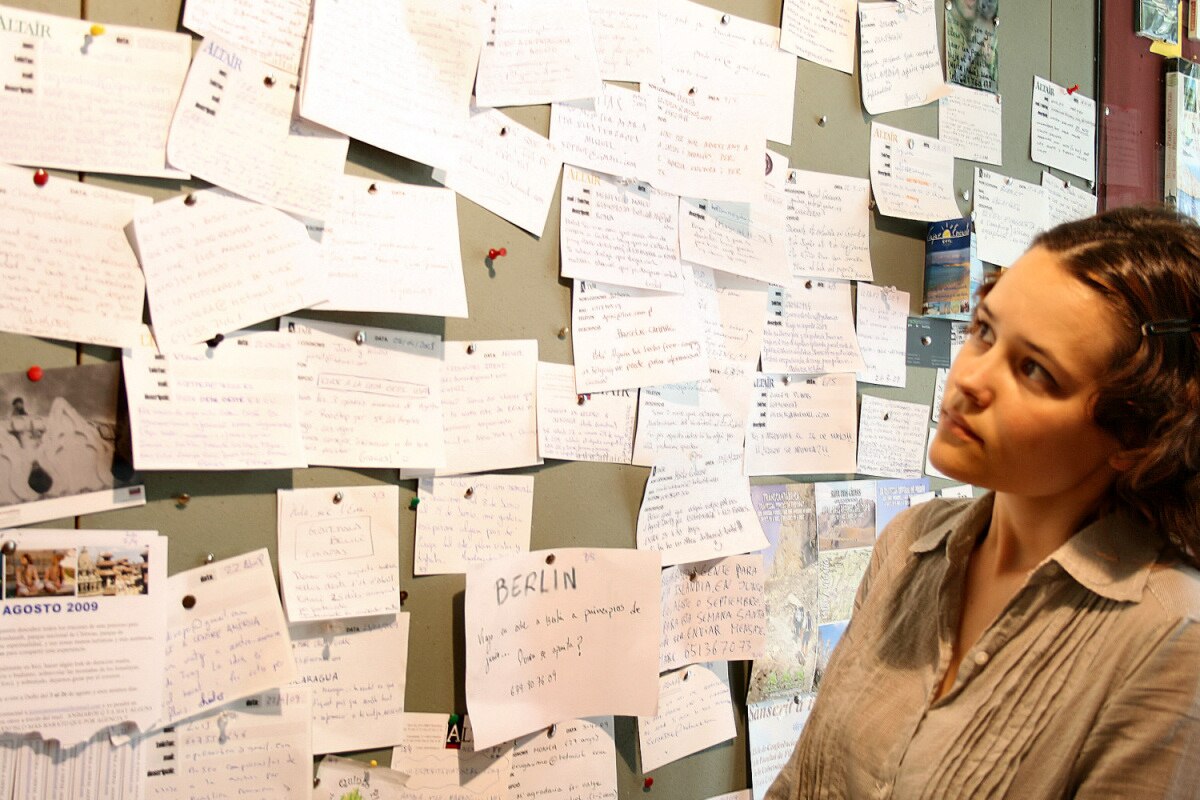
Think of the last thing you researched instead of started. Fourteen tabs on a camera, a course, a first sentence. The comparing felt like work. That stall has a name: analysis paralysis. It rests on one sentence: I will decide once I know the perfect option.
Some choices cannot be settled before you act. You can only reduce the uncertainty, not read your way to a guaranteed right answer. The search has no natural end. It ends when a deadline arrives or when you give up, and neither is a decision.
More facts, same answer
Stuart Oskamp handed a group of psychologists one man's case file in four instalments and asked the same 25 questions after each one. Accuracy stopped rising after the first instalment. As the psychologists got more of the case file, their confidence rose to the last page. Their accuracy did not. That is overconfidence, not progress.
Your fourteen tabs work the same way. Somewhere early on you stopped finding things that would change the pick, and you kept reading anyway.
Doing nothing feels free
Picking wrong and waiting too long can cost the same amount. They do not feel the same. Offer people a vaccine that very rarely kills a child, against a disease that kills far more children, and some of them refuse the shot. A death from the disease is a thing that happened. A death from the shot is a thing somebody chose.
That gap between doing and allowing is called omission bias, and it is why the freeze is comfortable. A wrong choice is a thing you did. A fortnight of comparing is a thing that happened to you. Set the stopping point before you start. Herbert Simon won a Nobel partly for describing what people do when weighing every option is impossible: fix a standard first, then take the first thing that clears it. He called it satisficing.
So decide what would be good enough before you open the first tab. It is the only thing in the search that can tell you to stop.
Why searching for the best option backfires
Extra analysis yields diminishing returns. A person often delays a choice because they believe a superior solution is only one step away, or because they fear making an error on the way to a better answer. Gathering more information feels like steady progress, but it quickly stops improving the final pick.
An overload of options overwhelms judgment. Instead of reducing uncertainty, considering too many possibilities increases the mental burden until choosing feels impossible. In critical situations, failing to act in time frequently creates a worse outcome than making an imperfect choice immediately.
Where analysis paralysis appears in work and history
In business and software development, analysis paralysis is considered an anti-pattern, which is a common response to a problem that usually produces bad results. It often appears in the traditional waterfall project model, where teams spend months on planning, requirements gathering, and data modeling before writing any code. These lengthy planning phases emphasize bureaucratic paperwork over functional work and create little practical value.
Both beginners and experts fall into this trap. Inexperienced workers get stuck because of rigid company cultures or fear of speaking up, while seasoned specialists get trapped because their deep expertise exposes too many variables at every step. Agile development methods try to prevent this freeze by using short, iterative cycles that prioritize working products over endless specifications.
The problem is ancient. In Aesop's fable of The Fox and the Cat, the fox boasts of having hundreds of escape routes while the cat has only one. When hounds approach, the cat climbs a tree right away, while the fox hesitates among his options and gets caught. Centuries later during World War II, Winston Churchill criticized landing craft designers who stalled production by debating endless design revisions, writing that the maxim 'Nothing avails but perfection' could simply be spelled 'Paralysis.'
Test yourself
Does analysis paralysis stem from too little data or too much complexity?
Too much complexity. Overanalyzing does not fix a lack of information; instead, every new data point increases the decision's complexity until action stops.
Does analysis paralysis stem from lacking willpower or from seeking absolute optimization?
Seeking absolute optimization. Analysis paralysis is driven by the impossible quest to find the single best option rather than accepting a good enough threshold.
What is the primary effect of gathering extra case details on decision accuracy during analysis paralysis?
Confidence rises while accuracy stalls. As seen in Oskamp's study, getting more information inflates confidence without improving actual judgment.
Play the lesson in edgi and the card is yours. It lands on your Map next to the ideas it connects to, and turns from matte to foil to gold as you learn more around it.
The opposite extreme is known as 'extinct by instinct.' This occurs when someone makes a fatal decision based entirely on a hasty judgment or a blind gut reaction without reviewing the facts.
What is satisficing?
Satisficing is a decision-making strategy described by Herbert Simon. Instead of searching endlessly for the single best option, you set a clear standard of what is good enough before you begin, and you pick the first option that meets it.
Why does doing nothing feel safer than making an imperfect decision?
This comfort comes from omission bias, which is the tendency to view bad results from inaction as less blameworthy than bad results caused by direct action. An error caused by a choice feels like a personal failure, while a delay caused by endless research feels like something that merely happened to you.