5-HT2A receptorThe main target of psychedelic drugs
The 5-HT2A receptor is a protein dock on the surface of cells that responds to serotonin, a chemical messenger used for cell-to-cell communication. It is the primary excitatory serotonin receptor in the nervous system, boosting electrical activity rather than dampening it. It is famous because classic psychedelics like LSD and psilocybin bind directly to it, altering perception and consciousness.
By the edgi team We find the most surprising true thing about an idea and build a 60-second lesson around it.
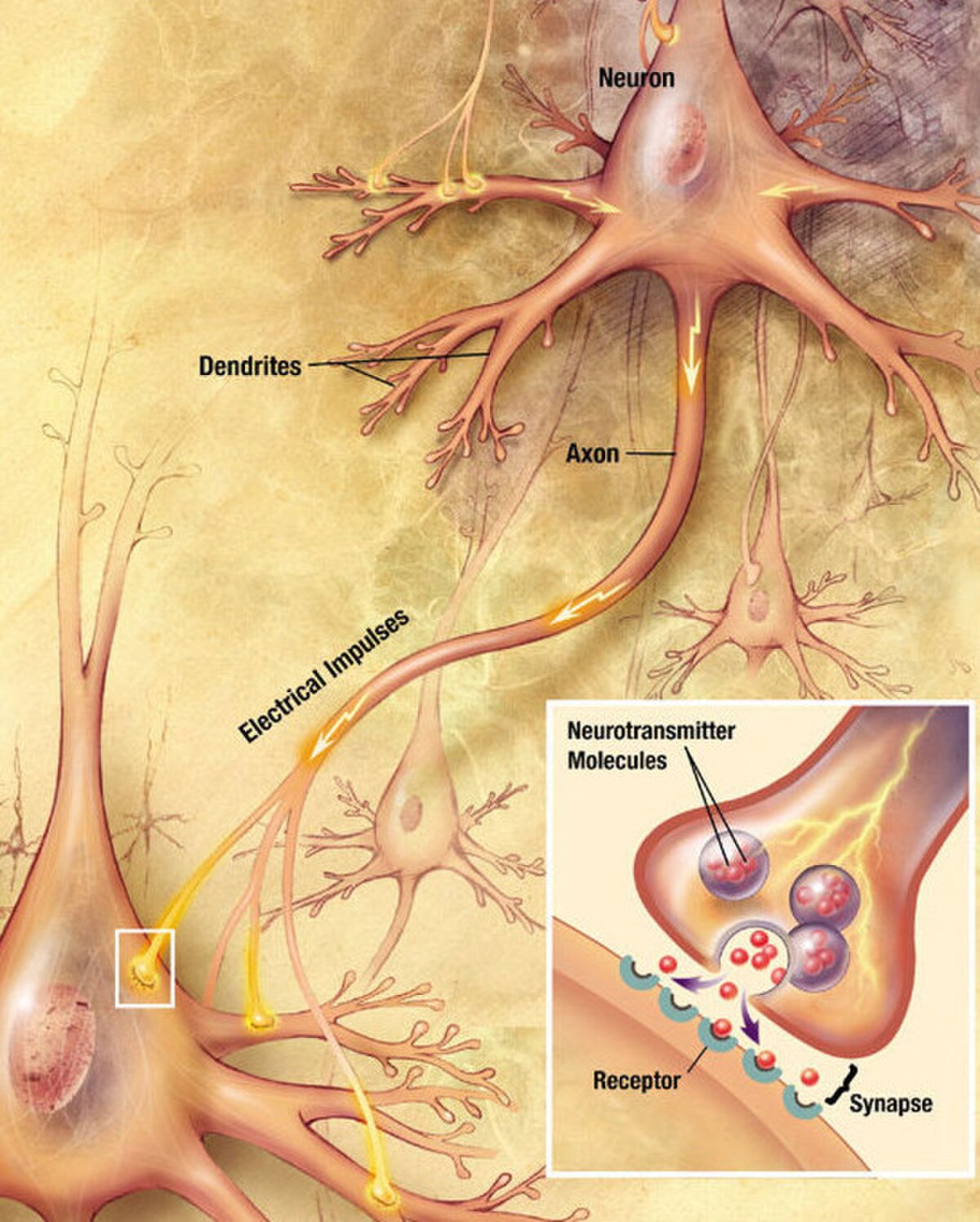
Your brain uses chemical messengers called neurotransmitters to let neurons talk to one another. Serotonin is one of the most famous, regulating mood, sleep, and perception across the entire nervous system.
Diagram illustrating a chemical synapse, showing two neurons with dendrites and an axon. user:Looie496 created file; Illustrator: Christy Krames, MA, CMI, for US National Institutes of Health, National Institu, Public domain, via Wikimedia Commons
It binds to specialized docking sites on cell surfaces known as serotonin receptors.
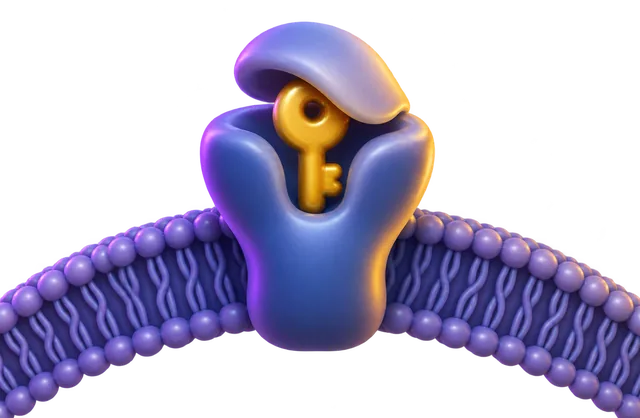
The psychedelic key
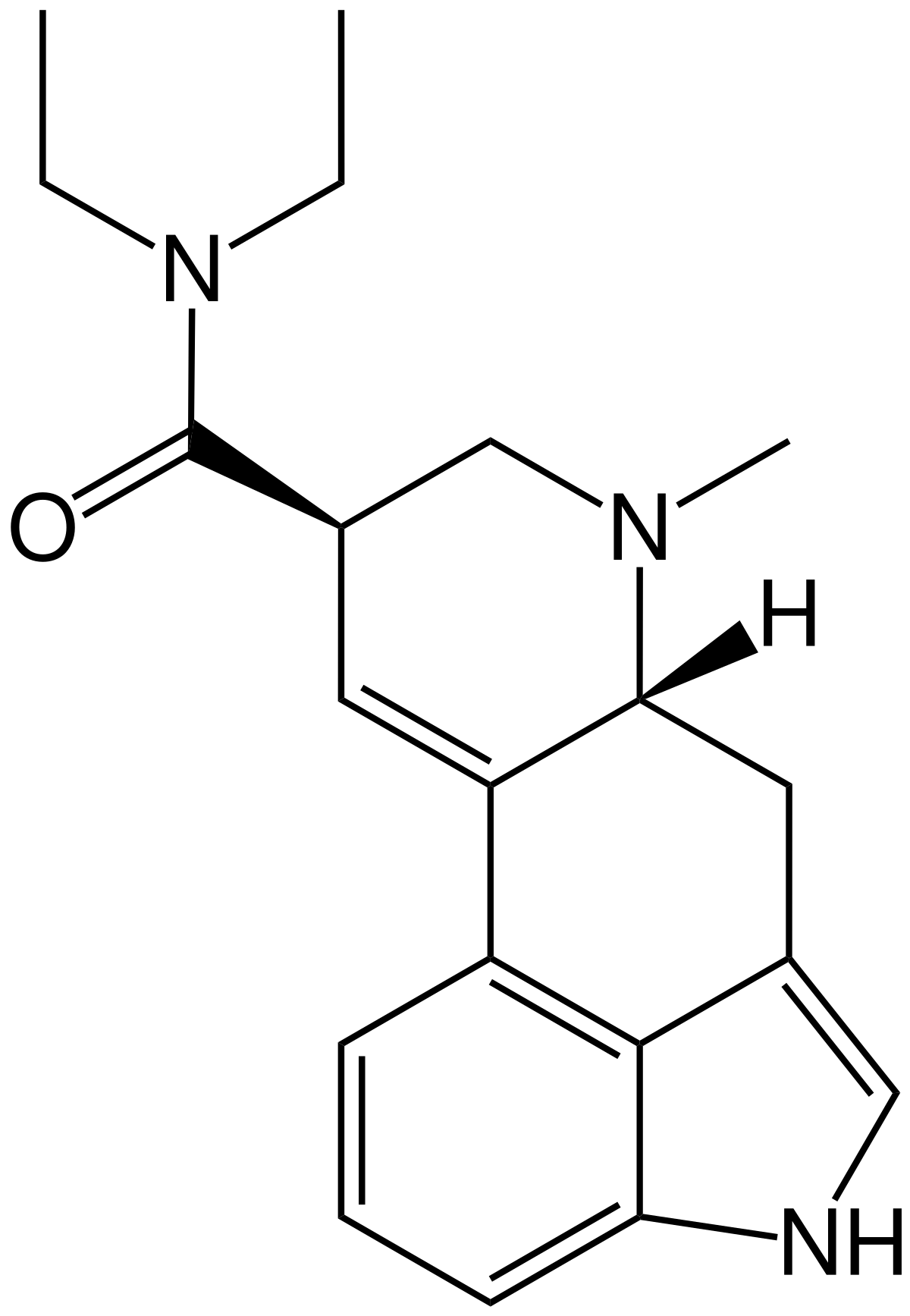
Among these docking sites, one specific subtype stands out for its profound effects on consciousness. The 5-HT2A receptor is the primary target for classic psychedelics like LSD and psilocybin.
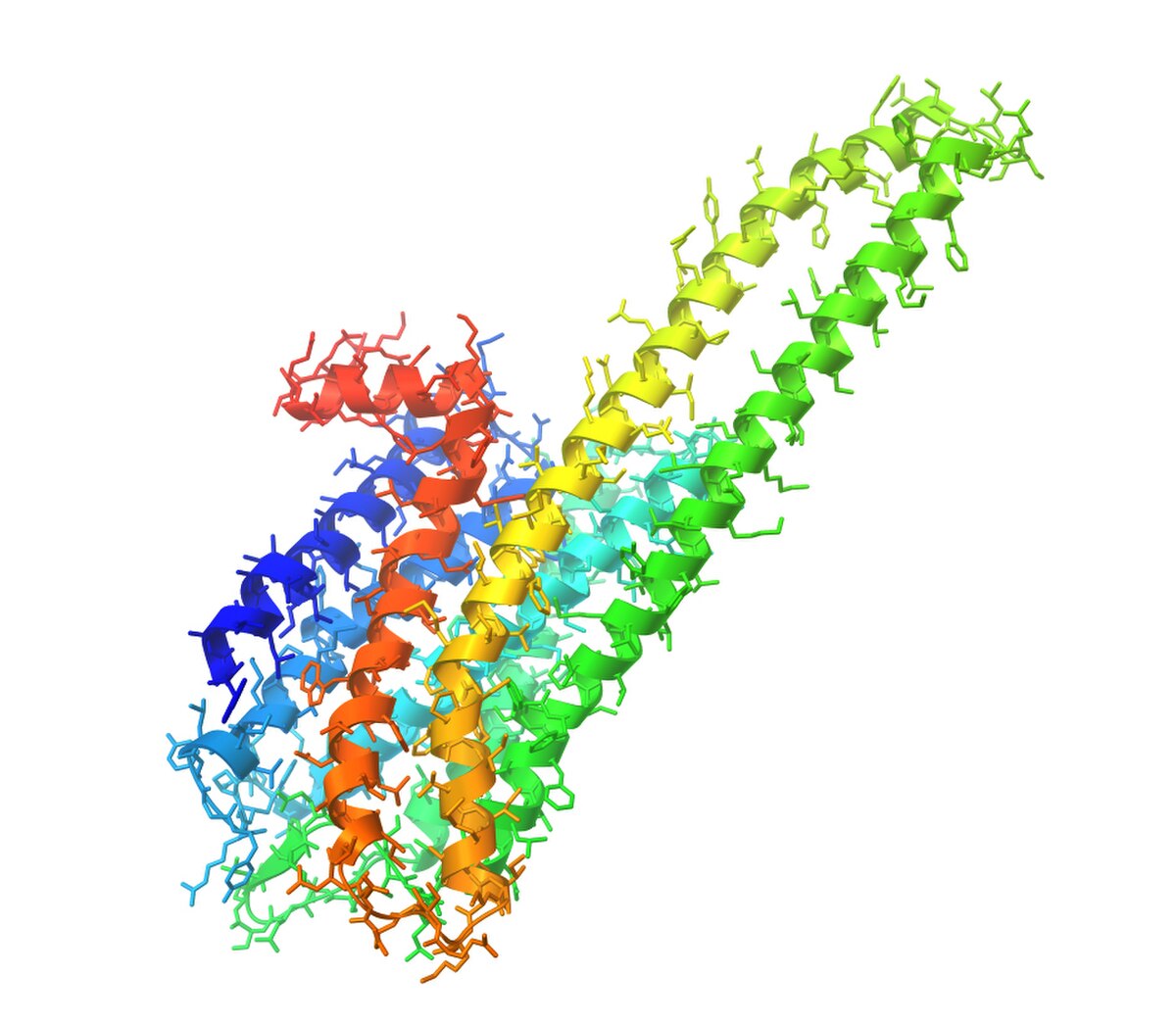
Ribbon diagram of the 5-HT2A receptor, a G protein-coupled receptor, colored in a rainbow gradient from blue to red. DrLee, CC0, via Wikimedia Commons
When these molecules slip into the receptor, they mimic serotonin but trigger a much larger, cascading wave of electrical activity.
Melting the default mode
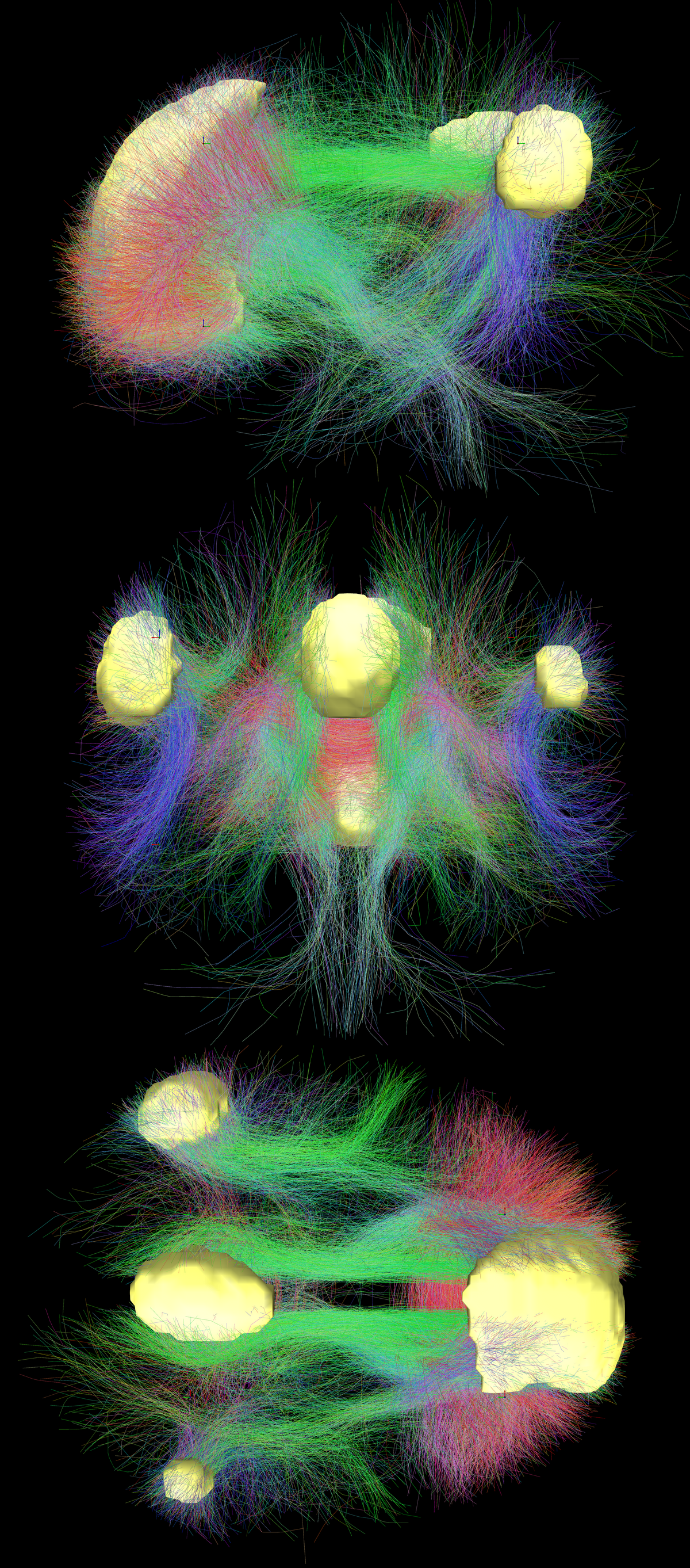
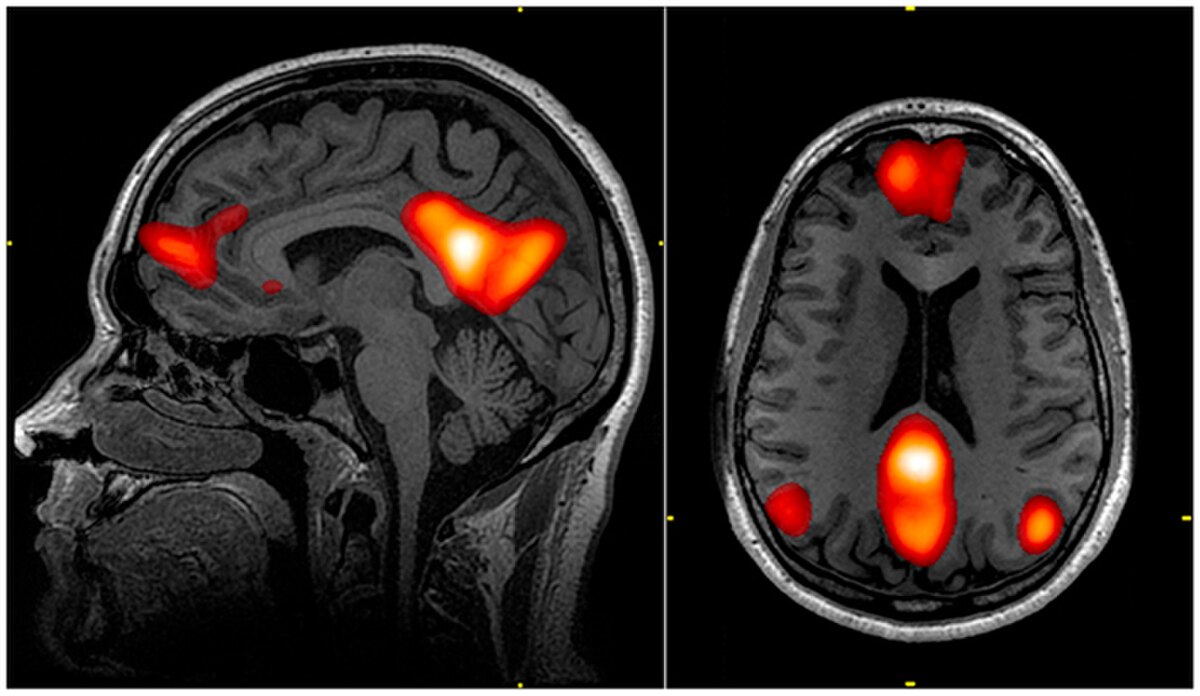
Activating these receptors overwhelms the default mode network, the brain region responsible for your ego and sense of self. As that rigid network quiets down, sensory areas in the brain start communicating wildly across regions they normally ignore.
Three views (top, front, side) of the default mode network connectivity in the brain, showing main regions in yellow and connectivity between regions color-coded by structural traversing direction… Andreashorn, CC BY-SA 4.0, via Wikimedia Commons
This chaotic crosstalk is what creates vivid visual hallucinations and the sensation of dissolved boundaries.
How does the 5-HT2A receptor work?
The 5-HT2A receptor is a G protein-coupled receptor built from seven distinct spiral helices that weave across the cell membrane. Inside, its docking site features two connected pockets, an orthosteric binding pocket and an extended binding pocket.
When serotonin or a drug binds, the receptor triggers an internal chain reaction through the Gq/G11 signaling pathway. Because it acts as an excitatory receptor, activating it stimulates the host cell rather than quieting it down. This pathway enables the receptor to activate several intracellular cascades that alter cell activity.
Where is the receptor located in the body?
In the brain, these receptors cluster in dense numbers on the apical dendrites of layer V pyramidal cells within the neocortex. In regions like the prefrontal, parietal, and somatosensory cortex, they enhance the release of glutamate and may help shape working memory, attention and other cognitive processing.
The receptor is not limited to the brain. In the peripheral body, it is expressed heavily in blood platelets, cardiovascular cells, fibroblasts, and neurons of the peripheral nervous system. It has also been detected in human monocytes.
The genetics behind the receptor
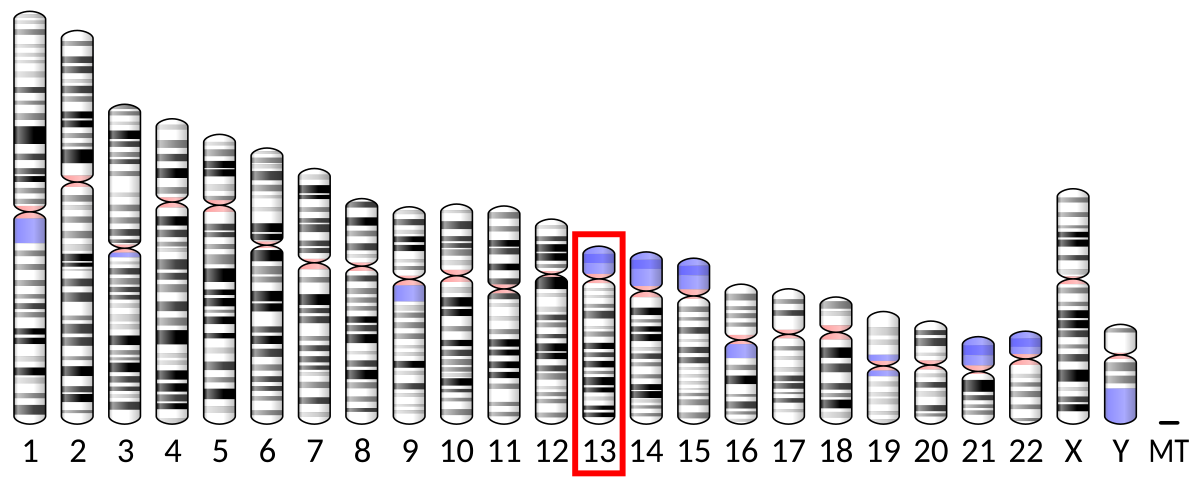
In humans, the receptor is coded by the HTR2A gene on chromosome 13, which is thought to span four exons and three introns. The gene produces diverse messenger RNA variants through alternative splicing, allowing cells to make different receptor forms with varied functions.
Look at the highlighted box around chromosome 13, which houses the human HTR2A gene. National Center for Biotechnology Information, U.S. National Library of Medicine, Public domain, via Wikimedia Commons
Researchers have logged hundreds of genetic variations in HTR2A. For example, the T102C variation is common in patients with fibromyalgia.
Play the lesson in edgi and the card is yours. It lands on your Map next to the ideas it connects to, and turns from matte to foil to gold as you learn more around it.
John Gaddum and Picarelli first divided gut serotonin receptors into M and D subtypes in 1957. The D subtype is thought to match the receptor identified as 5-HT2 through radioligand binding studies in the late 1970s and cloned as 5-HT2A in humans in 1990.
What medicines target this receptor besides psychedelics?
Many antipsychotic medications, particularly atypical antipsychotics, produce their effects in part by interacting with the 5-HT2A receptor.
What other receptors belong to the 5-HT2 family?
The 5-HT2 family includes three distinct subtypes: 5-HT2A, 5-HT2B, and 5-HT2C. All of them couple to the Gq/G11 signaling pathway inside the cell.