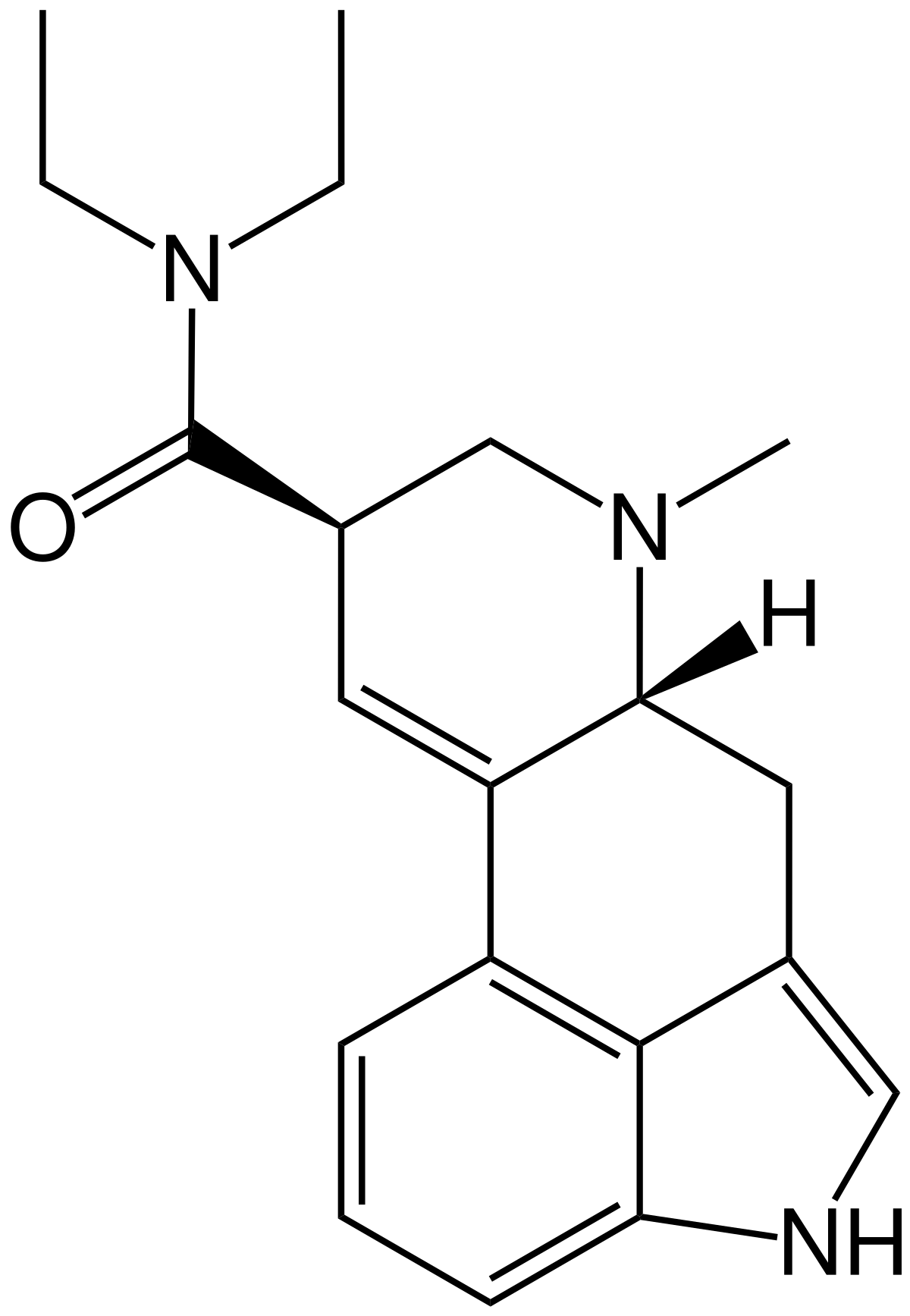
LSD is a powerful semisynthetic psychedelic drug derived from ergot, a fungus that grows on rye. It alters conscious perception by binding tightly to serotonin receptors in the brain, triggering profound shifts in thought, emotion, and sensory processing. It is extraordinarily potent, producing noticeable psychological changes at doses as low as twenty micrograms.
By the edgi team We find the most surprising true thing about an idea and build a 60-second lesson around it.
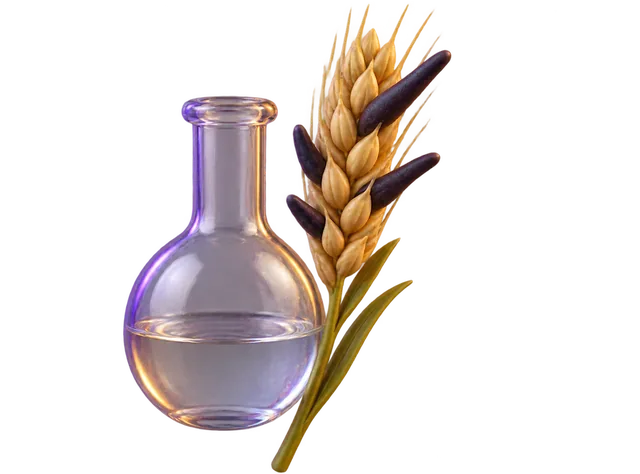
In 1938, Swiss chemist Albert Hofmann synthesized a compound while studying ergot, a fungus that grows on rye. He ignored it for five years until a hunch led him to re-synthesize it in 1943. He accidentally absorbed a tiny amount through his skin.
Close-up photograph of a head of rye with a dark, elongated ergot fungus (Claviceps purpurea) growing on it. Kasper Malmberg, CC BY 4.0, via Wikimedia Commons
He soon felt dizzy and restless, deciding to bike home through the streets of Basel. This became the world's first intentional acid trip, now celebrated as Bicycle Day.
The brain hijack
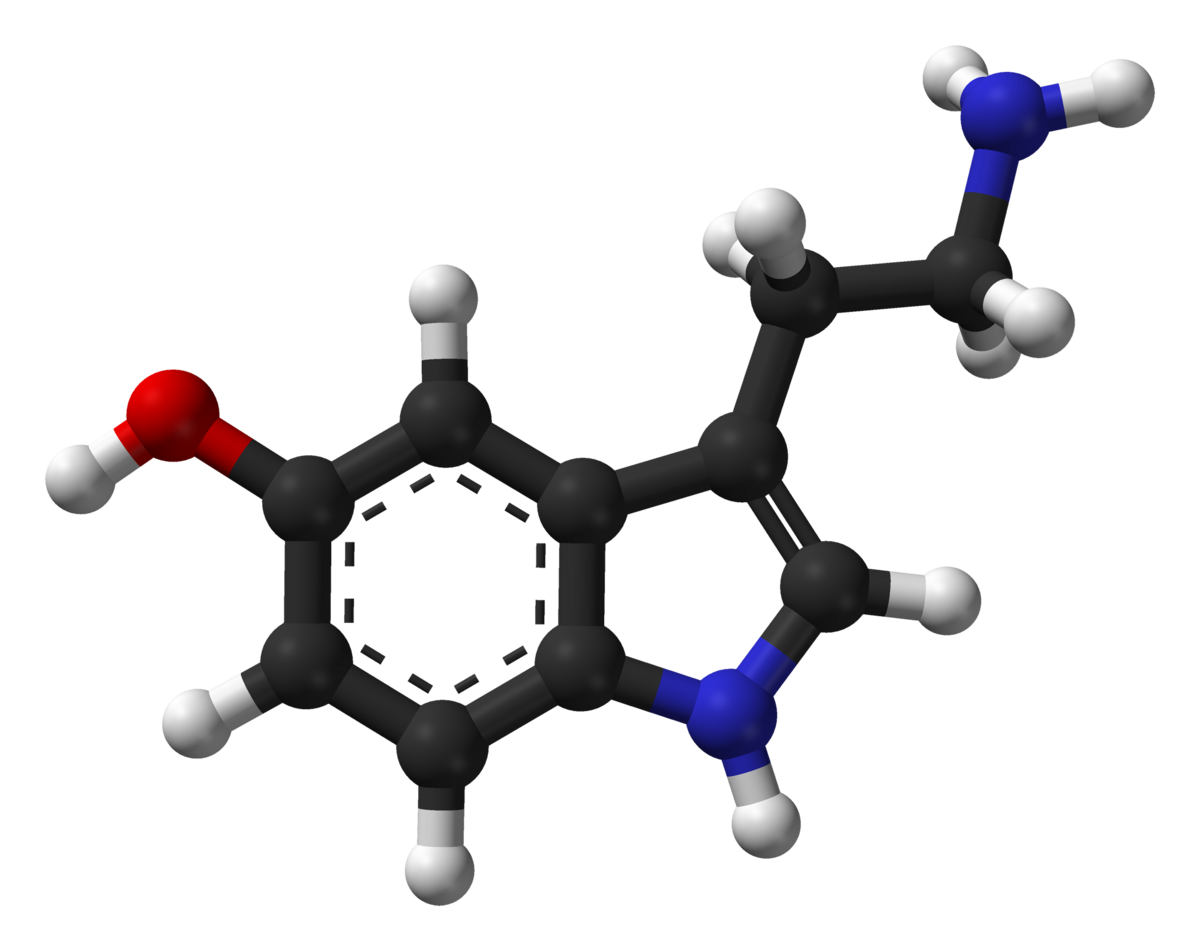
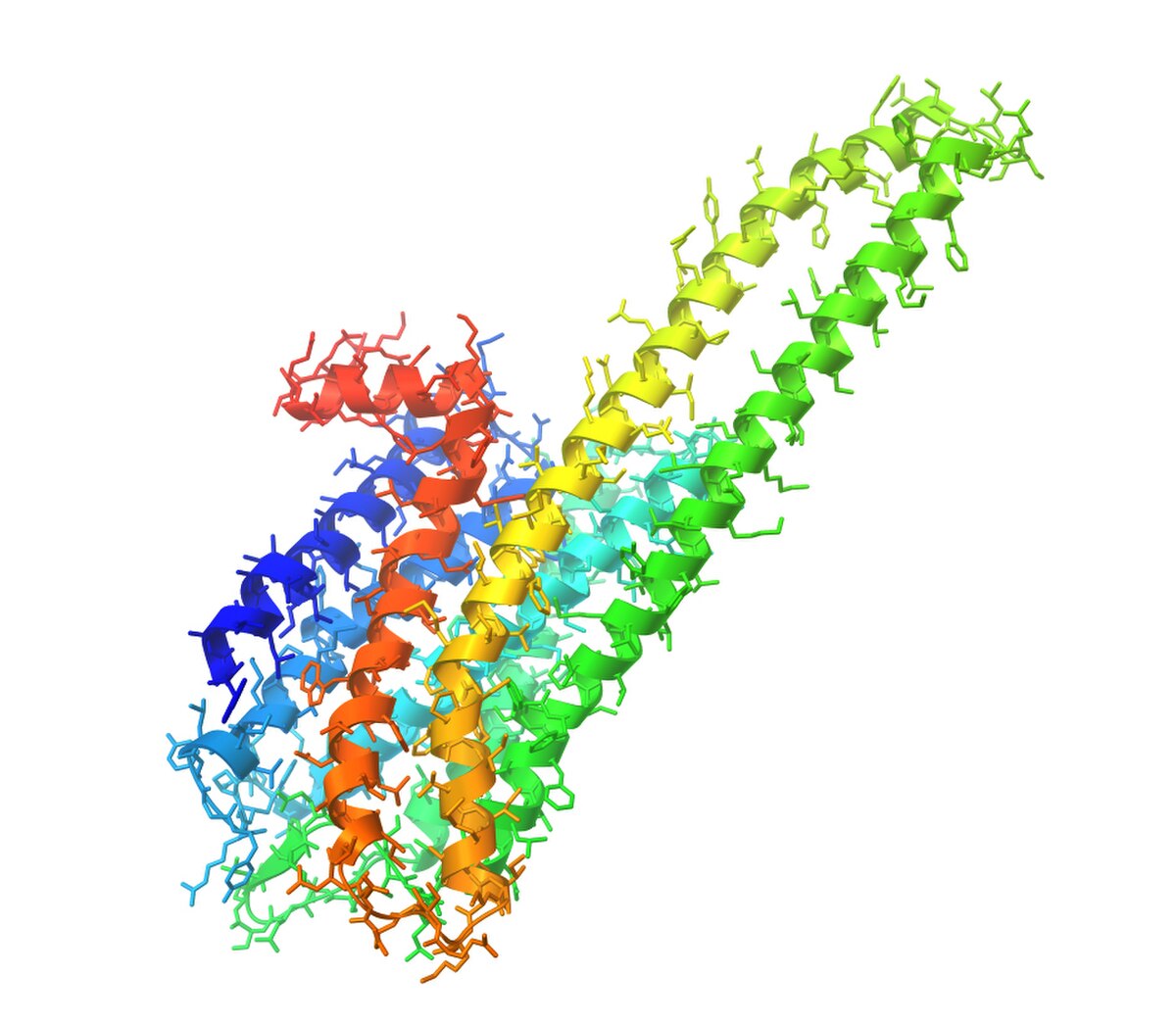
LSD is unimaginably potent; a single gram can provide 10,000 doses. It works by mimicking serotonin, a key chemical messenger in the brain. By 'locking' into serotonin receptors, the drug forces neurons to fire in patterns they never would normally.
3D ball-and-stick model of a serotonin molecule. Ben Mills, Public domain, via Wikimedia Commons
This creates a state where the brain's visual processing and emotional centers begin to communicate directly. The boundaries between senses blur, a phenomenon often called synesthesia.
A complex legacy
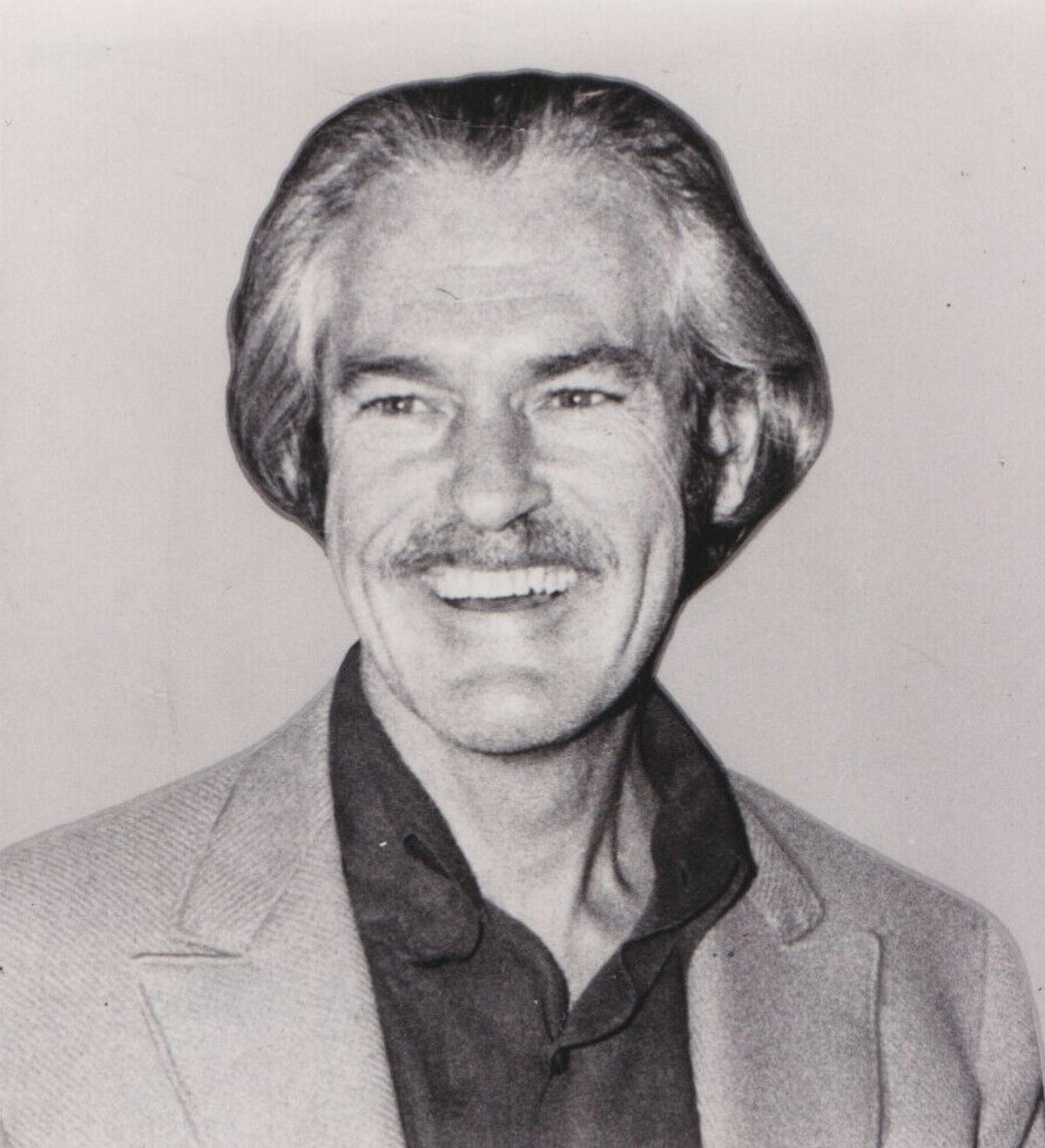
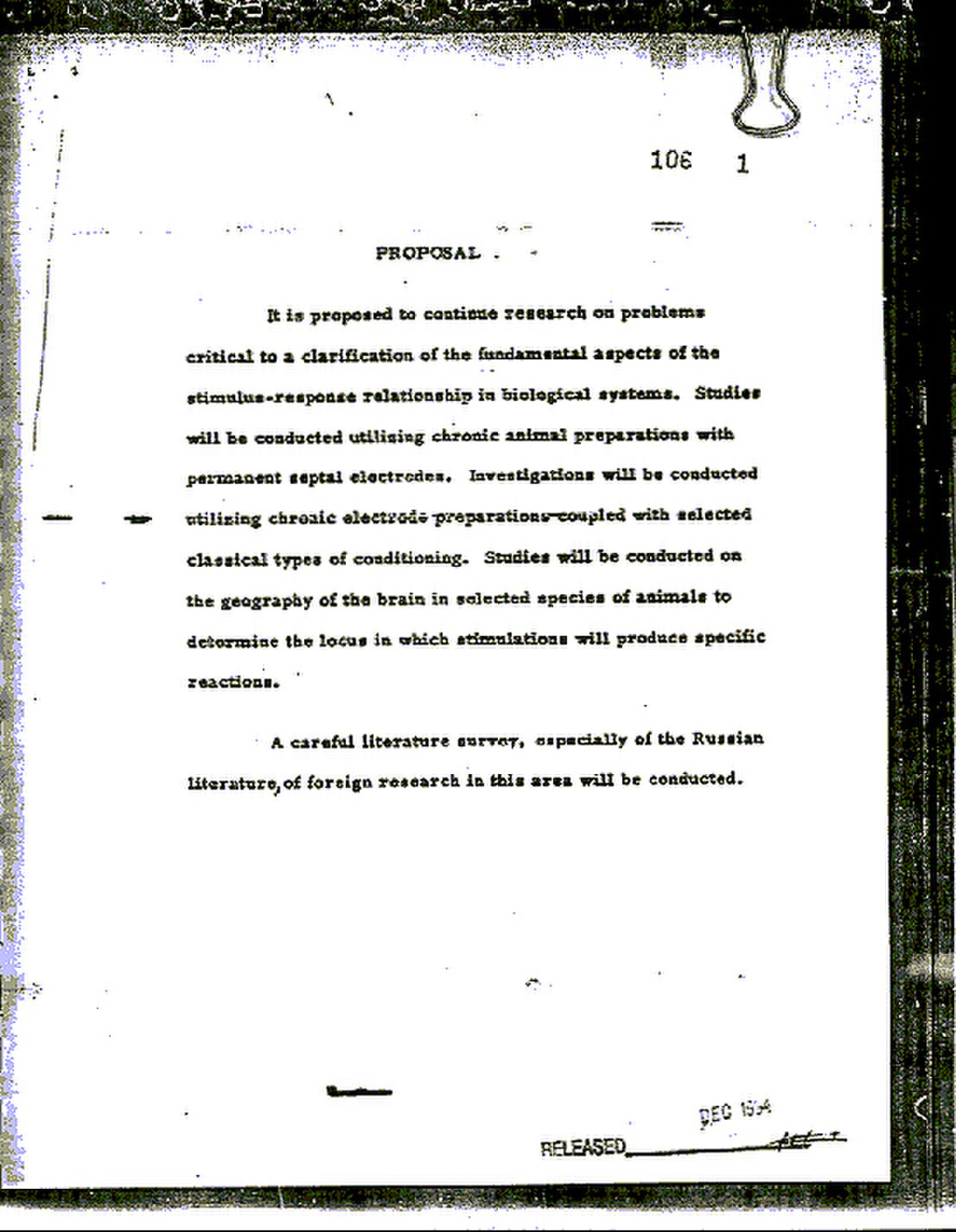
The drug didn't stay in the lab. It was weaponized by the CIA in the MKUltra program and championed by Timothy Leary as a tool for social revolution. Its immense impact on 1960s culture made it a symbol of rebellion and artistic exploration.
A black and white AP Photo of Dr. AP News, Public domain, via Wikimedia Commons
Today, after decades of strict prohibition, scientists are returning to its roots to study how it might 'reset' the brain to treat depression and anxiety.
How does LSD change the brain?
A dose around one-two-hundredth the mass of a single grain of sand is enough to cause noticeable psychological effects. LSD is roughly 200 times more potent than psilocybin and 5,000 times more potent than mescaline.
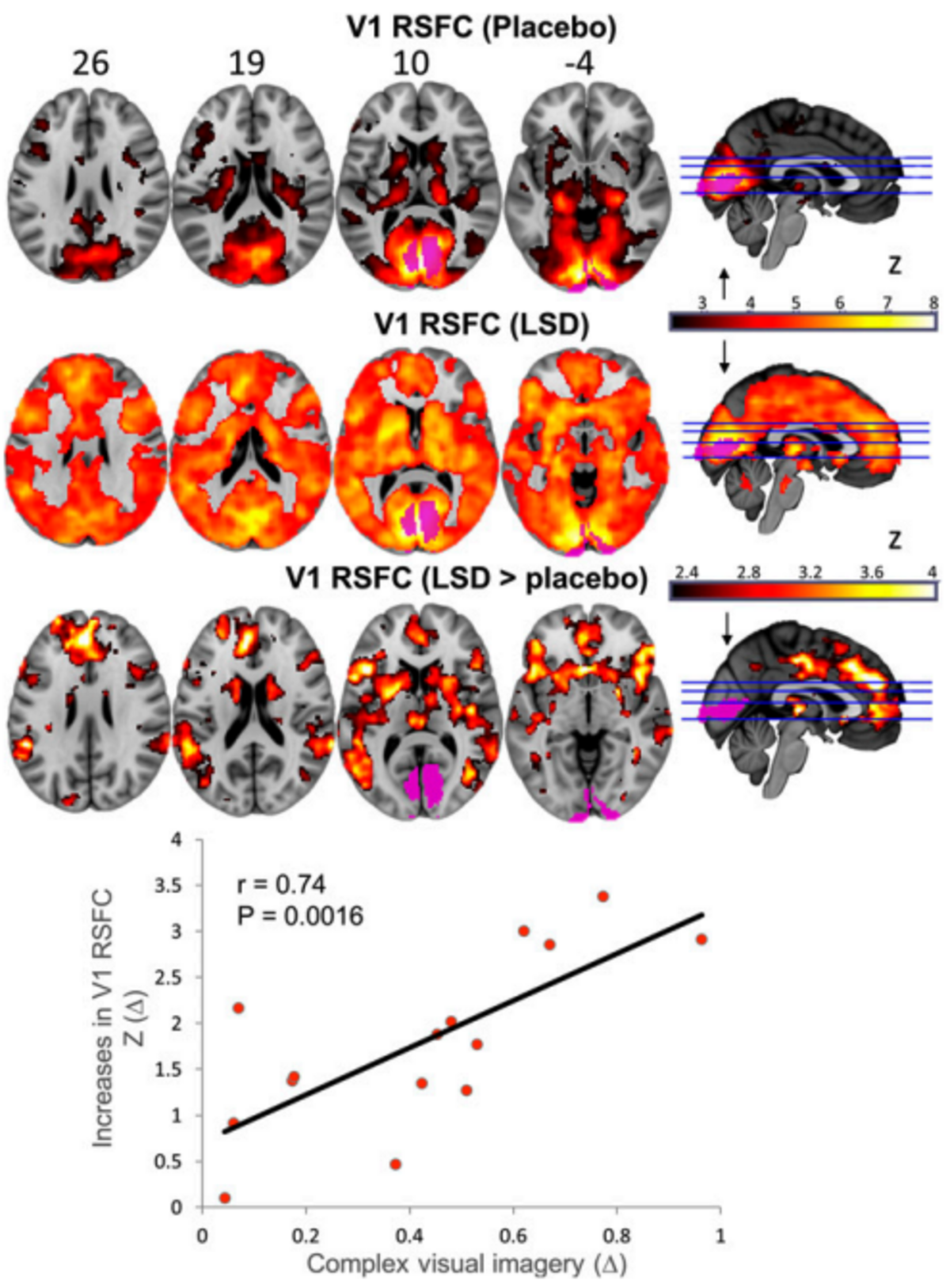
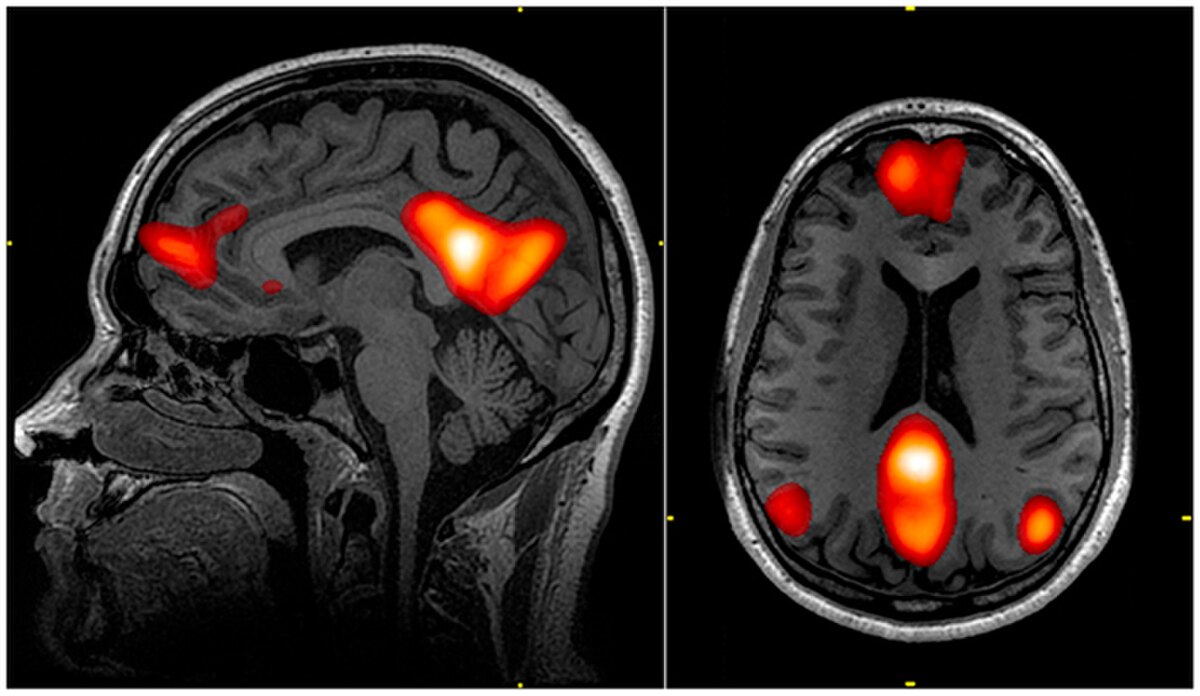
Brain scans show differences in visual cortex connectivity between a placebo and an active dose of LSD. Robin L. Carhart-Harris, Suresh Muthukumaraswamy, Leor Roseman, Mendel Kaelen, Wouter Droog, Kevin Murphy, Enzo Tagliazu, CC0, via Wikimedia Commons
Inside the brain, the drug works primarily by binding with high affinity to serotonin receptors, especially the 5-HT2A receptor, alongside dopamine and adrenergic targets. This binding reduces the thalamus's ability to filter incoming sensory signals, producing a flood of sensory information. Brain scans show that it decreases power within the default mode network and flattens the brain's normal hierarchical organization.
What are the psychological effects and risks?
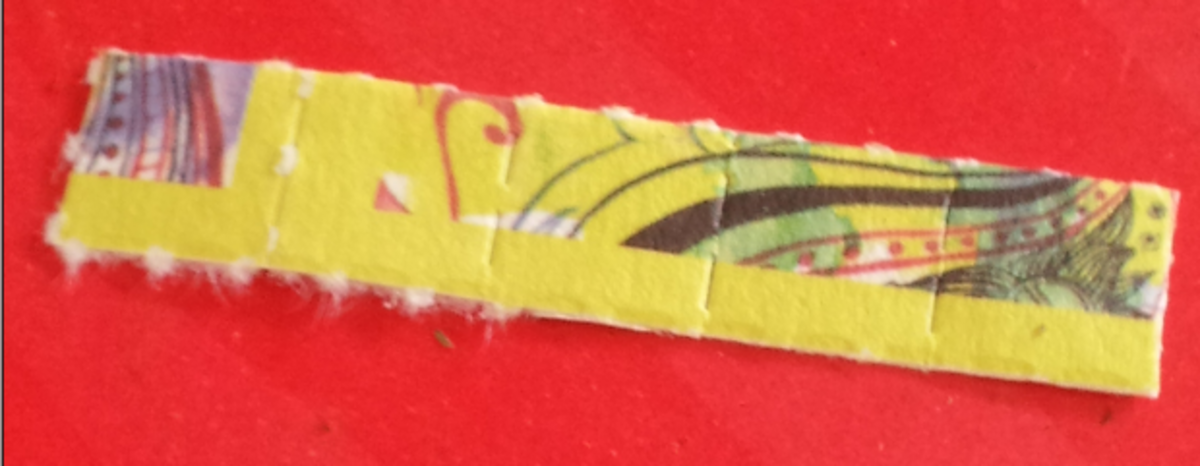
Taken orally, LSD takes roughly 24 to 60 minutes to take effect and lasts between 7 and 12 hours. Users often experience visual pseudohallucinations, altered thought patterns, synesthesia, and ego dissolution, often followed by an afterglow of improved mood lasting days or weeks. In recreational settings, it is commonly distributed on small tabs of blotter paper.
A strip of paper blotters used to administer recreational doses of LSD. Motorbase, CC BY-SA 3.0, via Wikimedia Commons
While there are no documented fatal human overdoses and the drug is not considered addictive, it carries distinct psychological risks. Higher doses can provoke anxiety, bad trips can bring panic and paranoia, and use can lead to hallucinogen-induced psychotic disorder. Some users also develop hallucinogen persisting perception disorder, which causes lingering visual disturbances long after the drug has cleared the body.
How is LSD used in medicine?
LSD was widely studied in psychiatry during the 1950s and 1960s to treat alcoholism and schizophrenia before its association with the 1960s counterculture led to a Schedule I ban in the United States in 1970. Clinical interest resurged after 2009.
In 2024, the United States Food and Drug Administration granted breakthrough therapy designation to an LSD formulation for generalized anxiety disorder. In Switzerland, regulated programs allow physicians to supervise limited medical treatments with LSD for patients suffering from serious, treatment-resistant conditions.
Play the lesson in edgi and the card is yours. It lands on your Map next to the ideas it connects to, and turns from matte to foil to gold as you learn more around it.
Microdosing refers to consuming subthreshold amounts of LSD, typically less than ten micrograms. These doses are much lower than the standard 20 to 200 microgram range required for a full psychedelic experience.
Why is it called Bicycle Day?
Bicycle Day marks April 19, 1943, when chemist Albert Hofmann intentionally ingested LSD and experienced its intense psychological effects while riding his bicycle home through Basel, Switzerland.