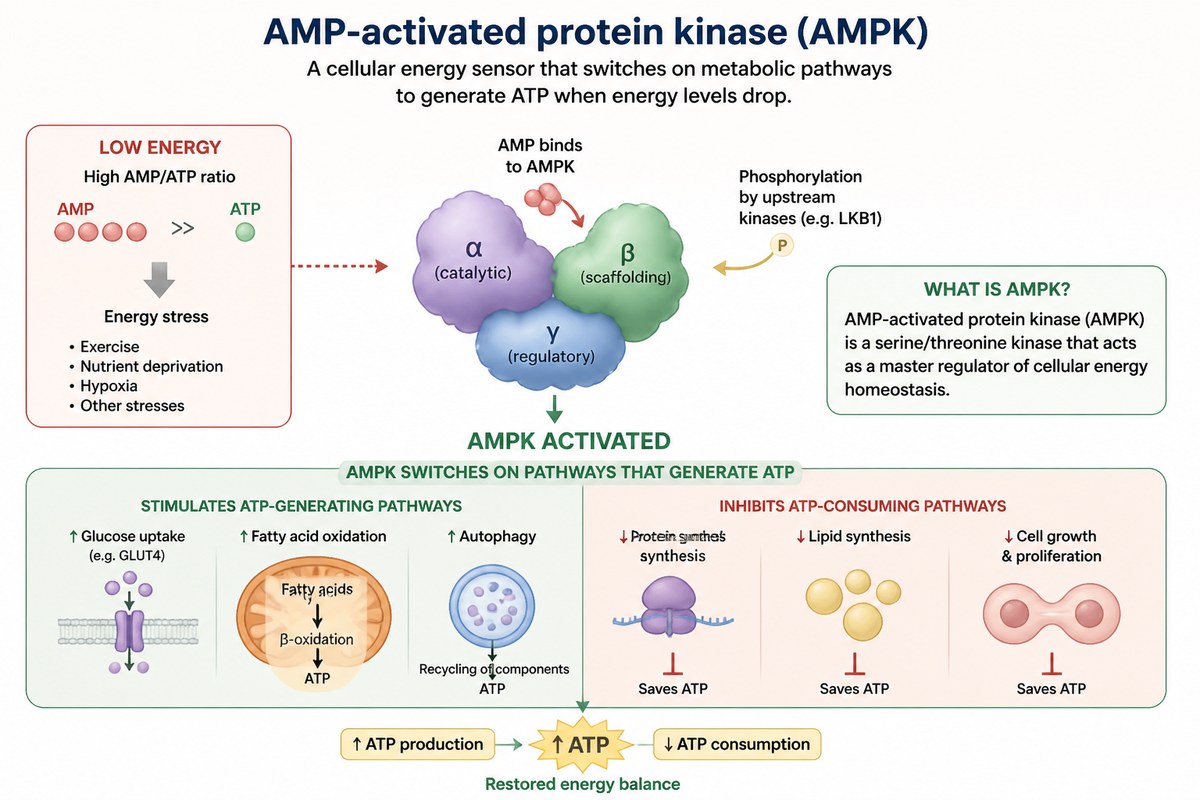
AMP-activated protein kinase (AMPK) is an enzyme inside cells that acts as a low-energy sensor. When a cell runs low on usable chemical energy, AMPK turns on to halt expensive construction projects and ramp up fuel production. It is conserved across eukaryotes, operating in humans, yeast, and plants alike.
By the edgi team We find the most surprising true thing about an idea and build a 60-second lesson around it.
Your cells constantly monitor their levels of Adenosine triphosphate, or ATP, which acts like a biological battery. When ATP levels drop, an enzyme called AMPK detects the change immediately.
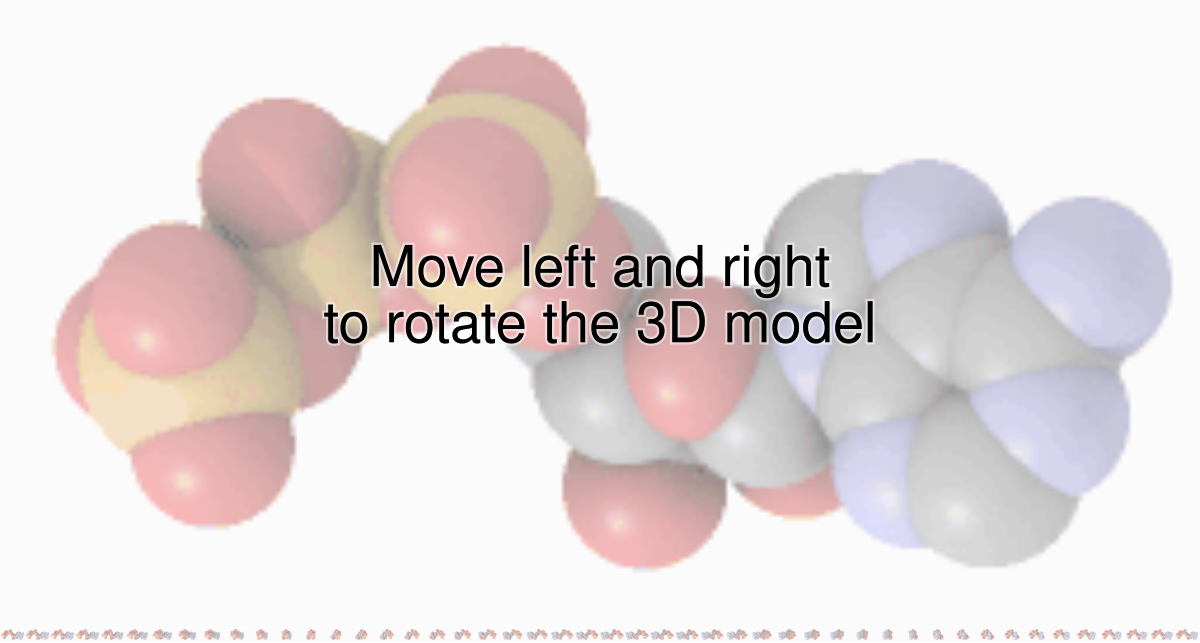
A 3D molecular model of Adenosine Triphosphate (ATP) with a prompt to "Move left and right to rotate the 3D model". Original: ALoopingIcon Vector: cmglee, CC BY-SA 4.0, via Wikimedia Commons
Think of it as a low-battery indicator that shifts your entire metabolism into power-saving mode.
The emergency response
Once activated, AMPK shuts down energy-expensive processes like building new proteins or cell growth. Simultaneously, it forces the cell to open its reserves, speeding up the breakdown of stored fats and sugars to produce more fuel.
It acts as a metabolic gatekeeper, ensuring your survival takes priority over cell repair or expansion.
The drug connection
Scientists have spent decades trying to mimic this effect to treat Metabolic syndrome and type 2 diabetes. Metformin, one of the most widely prescribed diabetes drugs, works in part by artificially nudging AMPK into action.
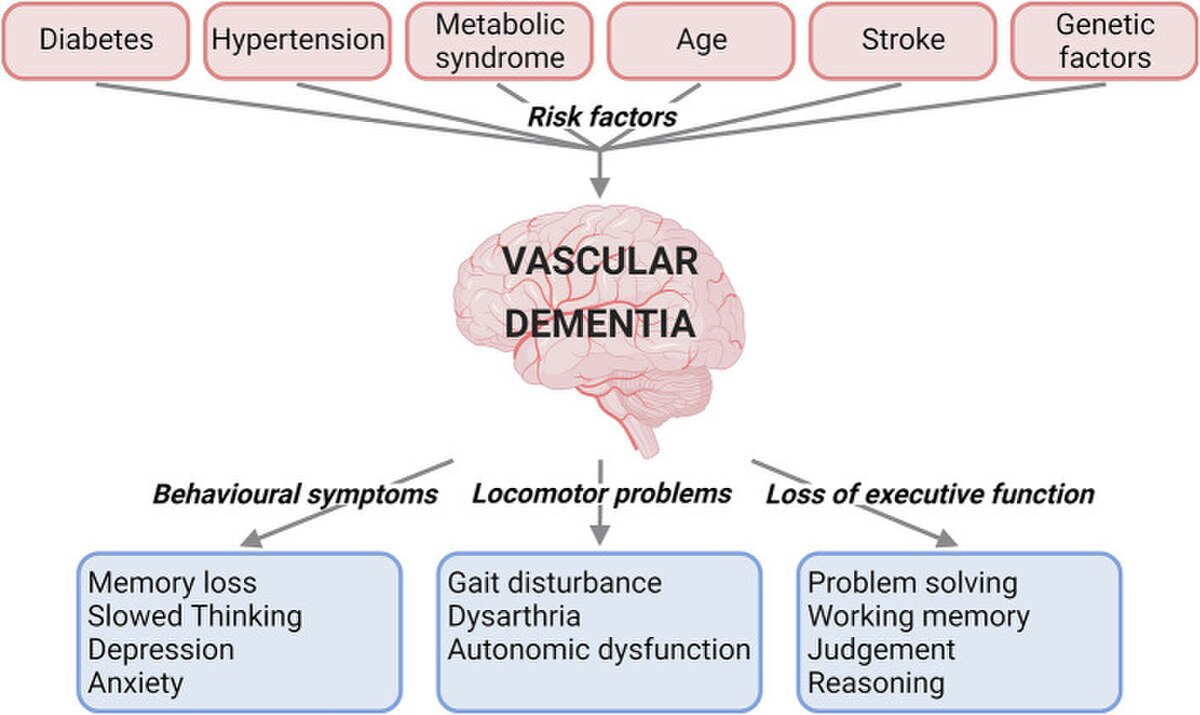
A diagram illustrates the risk factors and clinical characteristics associated with vascular dementia. Mossanen Parsi M, Duval C, Ariëns RAS., CC BY 4.0, via Wikimedia Commons
By tricking the body into thinking it needs energy, the drug forces liver cells to stop overproducing glucose, stabilizing blood sugar levels.
How does AMPK detect low energy?
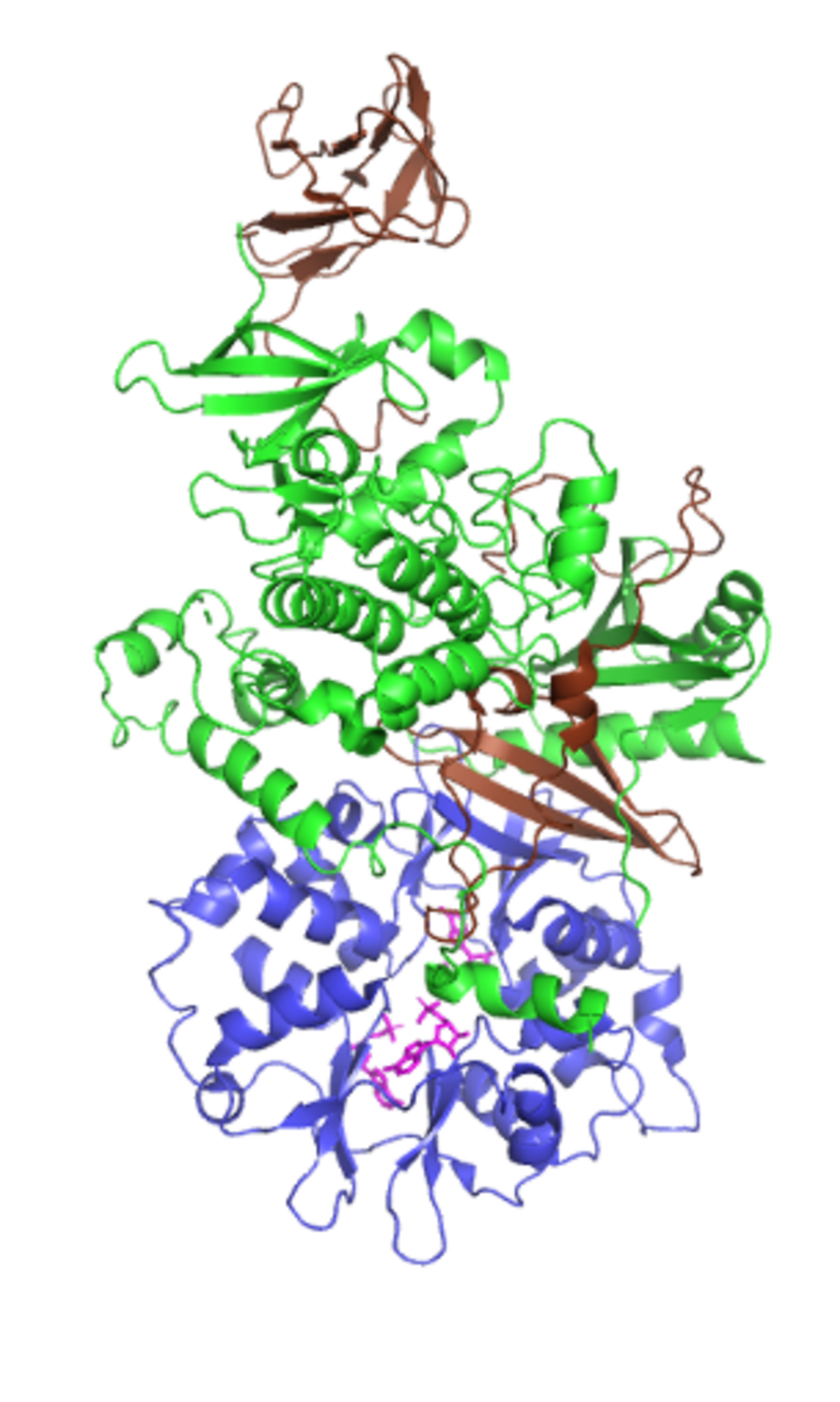
AMPK is built from three distinct protein pieces called the alpha, beta, and gamma subunits. The gamma subunit contains specialized binding pockets, known as CBS domains, that constantly sample the balance of adenosine monophosphate (AMP), adenosine diphosphate (ADP), and adenosine triphosphate (ATP) in the cell.
The heterotrimeric AMPK complex, showing the catalytic alpha subunit in green, the beta subunit in brown, and the regulatory gamma subunit in blue. Lbattist, CC BY-SA 4.0, via Wikimedia Commons
When fuel drops, AMP or ADP binds to these regulatory pockets instead of ATP. This triggers a shape change that exposes a catalytic site on the alpha subunit. Upstream enzymes such as LKB1 or CaMKK2 then phosphorylate a specific threonine residue on that alpha subunit, boosting AMPK activity roughly 100-fold and shielding it from being turned off.
What happens when AMPK turns on?
Once active, AMPK reroutes metabolic traffic across the body. In the liver, it turns on fatty acid oxidation and ketogenesis while shutting down cholesterol synthesis, fat creation, and triglyceride production. In skeletal muscle, it spurs cells to absorb glucose by fusing GLUT4 fuel vesicles directly into the cell membrane.
Mammals carry different subunit isoforms, generating 12 distinct AMPK versions with specific tissue locations. While the alpha-1, beta-1, and gamma-1 combination is the most widespread in the body, skeletal and heart muscle also express specialized alpha-2, beta-2, gamma-2, and gamma-3 variations.
Test yourself
Does AMPK activation in cells promote energy storage or energy generation?
Energy generation. AMPK acts when energy drops, switching metabolism to break down reserves rather than build them up.
How does AMPK help manage metabolic syndrome when stimulated by drugs like metformin?
By forcing liver cells to reduce glucose output. Metformin tricks AMPK into sensing low energy, which halts wasteful processes and curbs excess liver glucose.
When a cell runs out of fuel, which process does it prioritize?
Generating energy from existing stores. Cells prioritize survival over growth. When energy is scarce, they shut down expensive tasks like repair to focus entirely on liberating fuel from storage.
Play the lesson in edgi and the card is yours. It lands on your Map next to the ideas it connects to, and turns from matte to foil to gold as you learn more around it.
No, they are entirely different enzymes. AMPK responds to 5' AMP and ADP levels during metabolic depletion, whereas protein kinase A (PKA) is activated by cyclic AMP.
What genes produce AMPK in humans?
Human AMPK subunits are encoded by seven genes. These include PRKAA1 and PRKAA2 for the alpha subunits, PRKAB1 and PRKAB2 for the beta subunits, and PRKAG1, PRKAG2, and PRKAG3 for the gamma subunits.
Can drugs activate AMPK directly?
Yes. Pharmacological compounds like Merck Compound 991 and Abbott A769662 bind to a specific allosteric drug site on the beta subunit, increasing AMPK activity up to 10-fold and protecting it from dephosphorylation.