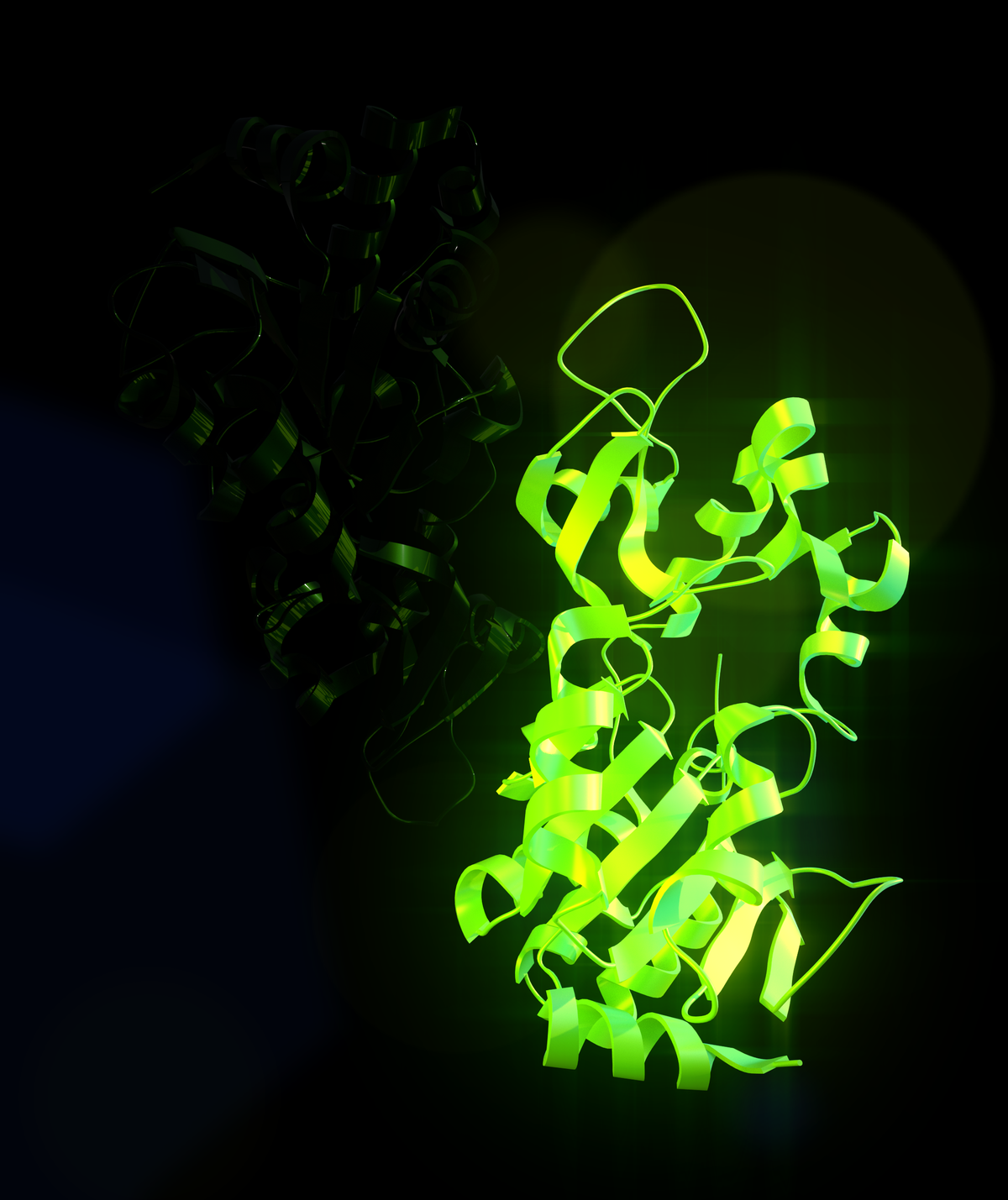
Rapamycin, also known as sirolimus, is a natural compound produced by soil bacteria that blocks mTOR, a central protein controlling cell growth and division. Doctors use it to keep the immune system from rejecting transplanted organs and to stop treated arteries from clogging again. Because turning off this growth signal prompts cells to clean out their own damaged parts, researchers found it extends the lifespan of several animal species.
By the edgi team We find the most surprising true thing about an idea and build a 60-second lesson around it.
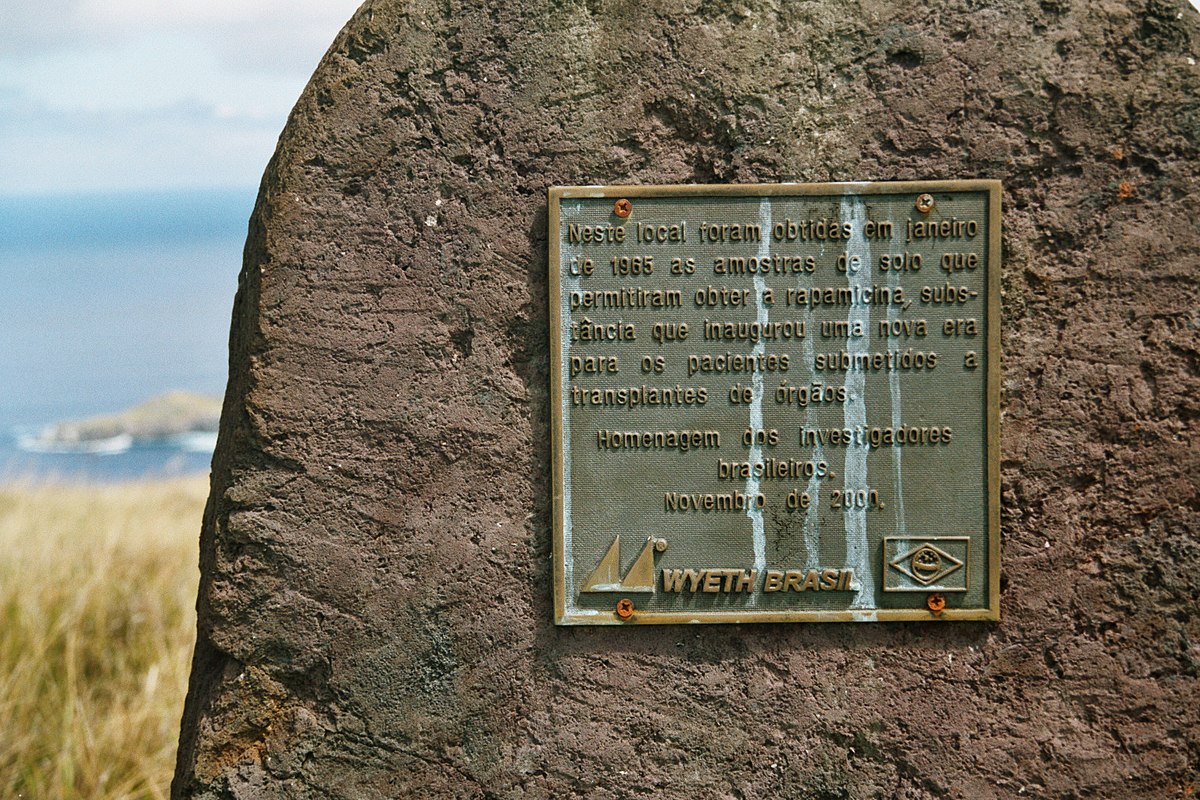
In 1964, a scientific expedition landed on Rapa Nui, Easter Island, searching for a cure for tetanus. They never found one. Instead, they took soil samples from under the island's stone statues.
Hidden in the dirt was a bacterium producing a powerful substance, which they named Rapamycin after the island itself.
The cellular switch
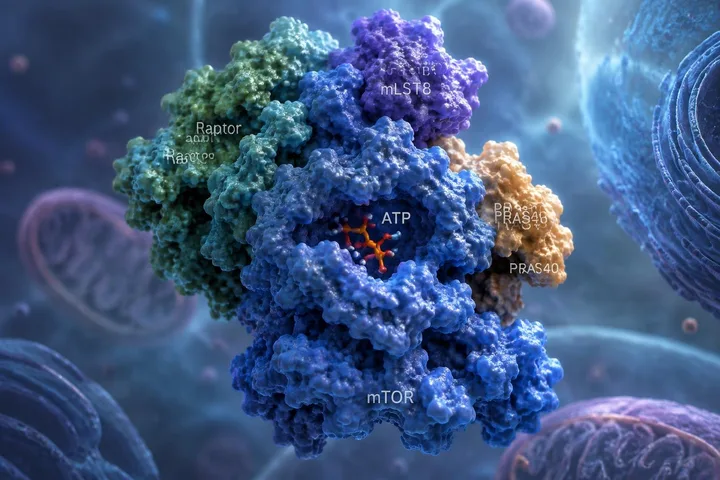
Rapamycin acts by inhibiting a protein called mTOR, which functions like a master general for cell growth and metabolism. When mTOR is active, cells divide rapidly. When Rapamycin blocks it, the body shifts gears.
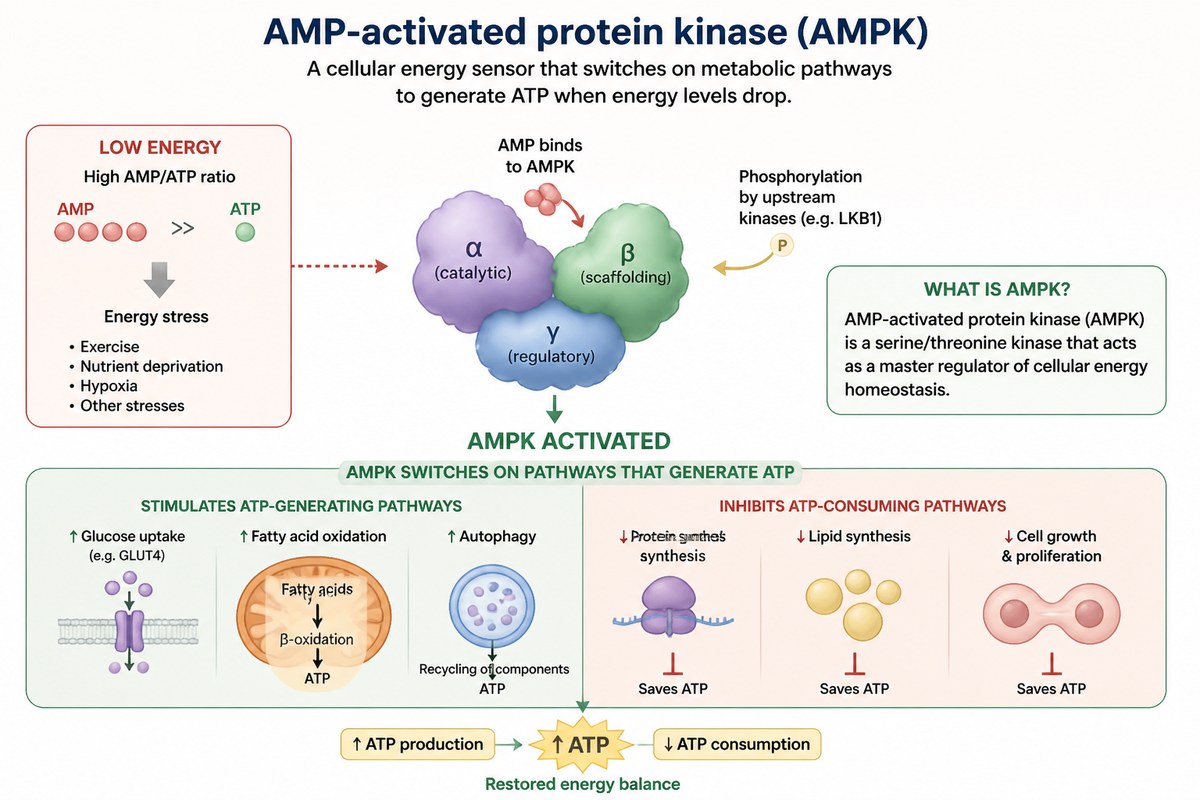
It triggers a process called autophagy, where cells start recycling their own damaged components to survive.
Beyond transplants
In medicine, the drug is used as an immunosuppressant to stop transplant rejection and to coat coronary stents, preventing arteries from clogging again. But researchers are now obsessed with its side effect: by slowing the biological engine, it has extended the lifespans of worms, flies, and mice.
It is currently being studied to see if it can clear out cellular senescence, the state where old cells stop dividing but refuse to die.
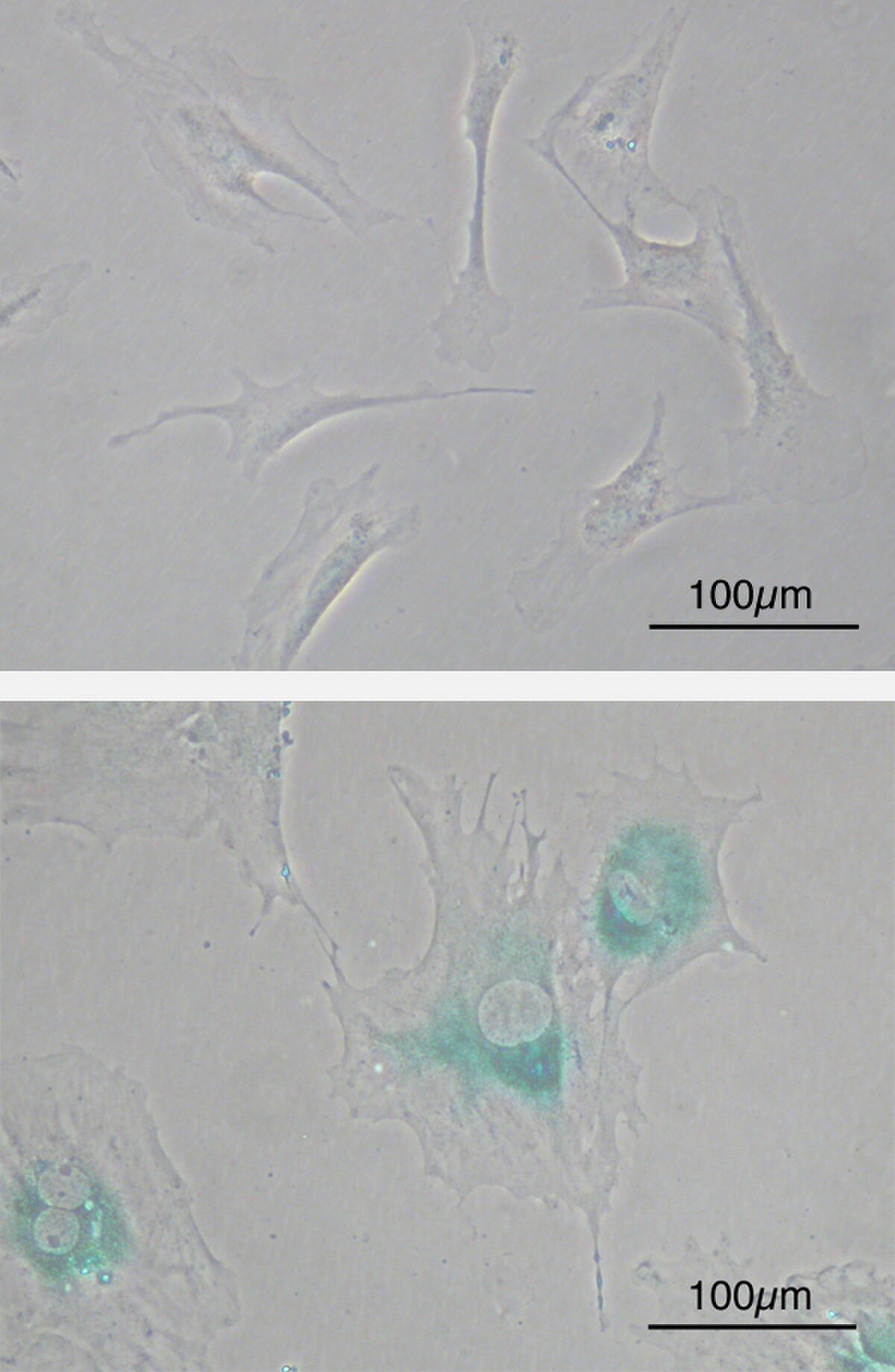
Micrographs showing primary mouse embryonic fibroblast cells (MEFs) before and after senescence, with a 100µm scale bar in each image. Y tambe, CC BY-SA 3.0, via Wikimedia Commons
How does rapamycin work inside cells?
Rapamycin acts by disabling a kinase enzyme called the mammalian target of rapamycin, or mTOR. In healthy tissues, mTOR acts like a central coordinator that takes signals from metabolic pathways to drive cell growth and rapid division. By binding and inhibiting this kinase, rapamycin reduces the sensitivity of immune T cells and B cells to interleukin-2 (IL-2), blunting their ability to multiply and attack foreign tissue.
This chemical structure diagram shows the macrolide architecture of rapamycin, featuring its characteristic piperidine ring and polyene backbone that enable it to bind mTOR. Vaccinationist, Public domain, via Wikimedia Commons
When mTOR activity drops, the cell halts its outward growth and redirects its energy toward maintenance. It initiates autophagy, a survival mechanism where the cell digests and recycles its own damaged components. This same antiproliferative power prevents excess smooth muscle cell growth inside arteries after surgery and slows abnormal tissue expansion in genetic disorders.
What medical conditions does rapamycin treat?
First approved by the FDA in 1999 under the brand name Rapamune, the drug is widely prescribed to prevent kidney transplant rejection. Unlike older calcineurin inhibitors that can cause progressive kidney damage or failure over long-term use, rapamycin spares renal function. However, because it impairs wound healing and can lower platelet counts, surgeons often wait several weeks after an operation before starting a patient on it.
A commemorative plaque near Rano Kau on Easter Island marks where researchers gathered the original soil samples of Streptomyces hygroscopicus. Anypodetos, Public domain, via Wikimedia Commons
Beyond transplants, doctors apply rapamycin directly onto coronary stents inside a polymer coating. The slow-release drug prevents restenosis, which is the re-clogging of cleared arteries by multiplying cells. It is also the first approved therapy for lymphangioleiomyomatosis (LAM), a rare lung condition where mutated cells infiltrate lung tissue due to overactive mTOR signaling.
Other formulations treat rare conditions across the body. Under the name Fyarro, protein-bound particles treat malignant perivascular epithelioid cell tumours (PEComa). In Europe, a topical gel formulation called Hyftor treats facial angiofibroma linked to tuberous sclerosis complex.
Test yourself
What triggers a cell to begin recycling its own damaged components?
Pausing the growth process. Cells prioritize rapid expansion when active, but pausing that growth signals them to switch to a 'maintenance mode' where they clean out cellular debris to stay functional.
What triggers the body's internal self-repair mode?
Slowing down cell growth. We often equate 'growth' with 'health,' but constant division keeps the body in construction mode. By slowing that cycle, the body triggers autophagy, forcing it to recycle old damage instead.
Play the lesson in edgi and the card is yours. It lands on your Map next to the ideas it connects to, and turns from matte to foil to gold as you learn more around it.
Rapamycin is naturally produced by Streptomyces hygroscopicus. Scientists first isolated it from soil collected on Easter Island, also known as Rapa Nui, in 1972.
What was rapamycin originally developed for?
Researchers initially developed rapamycin as an antifungal agent. They abandoned this use after discovering its potent ability to suppress the immune system and stop cell proliferation.
What are common side effects of rapamycin?
Common side effects include mouth and lip ulcers, diarrhea, nausea, abdominal pain, acne, headache, elevated cholesterol levels, and impaired wound healing.