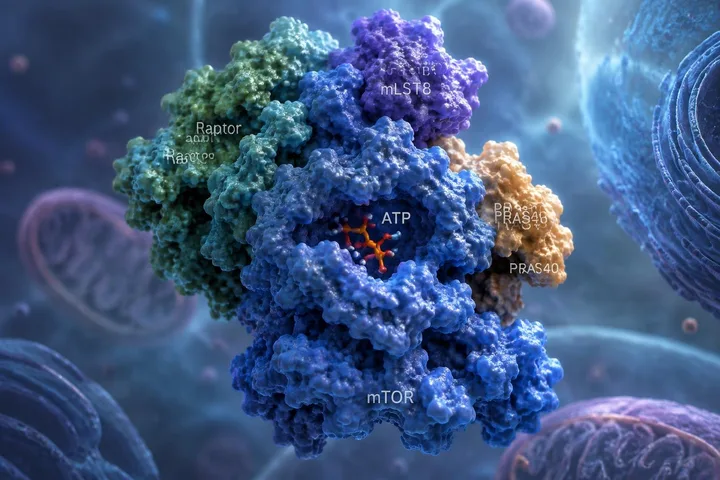
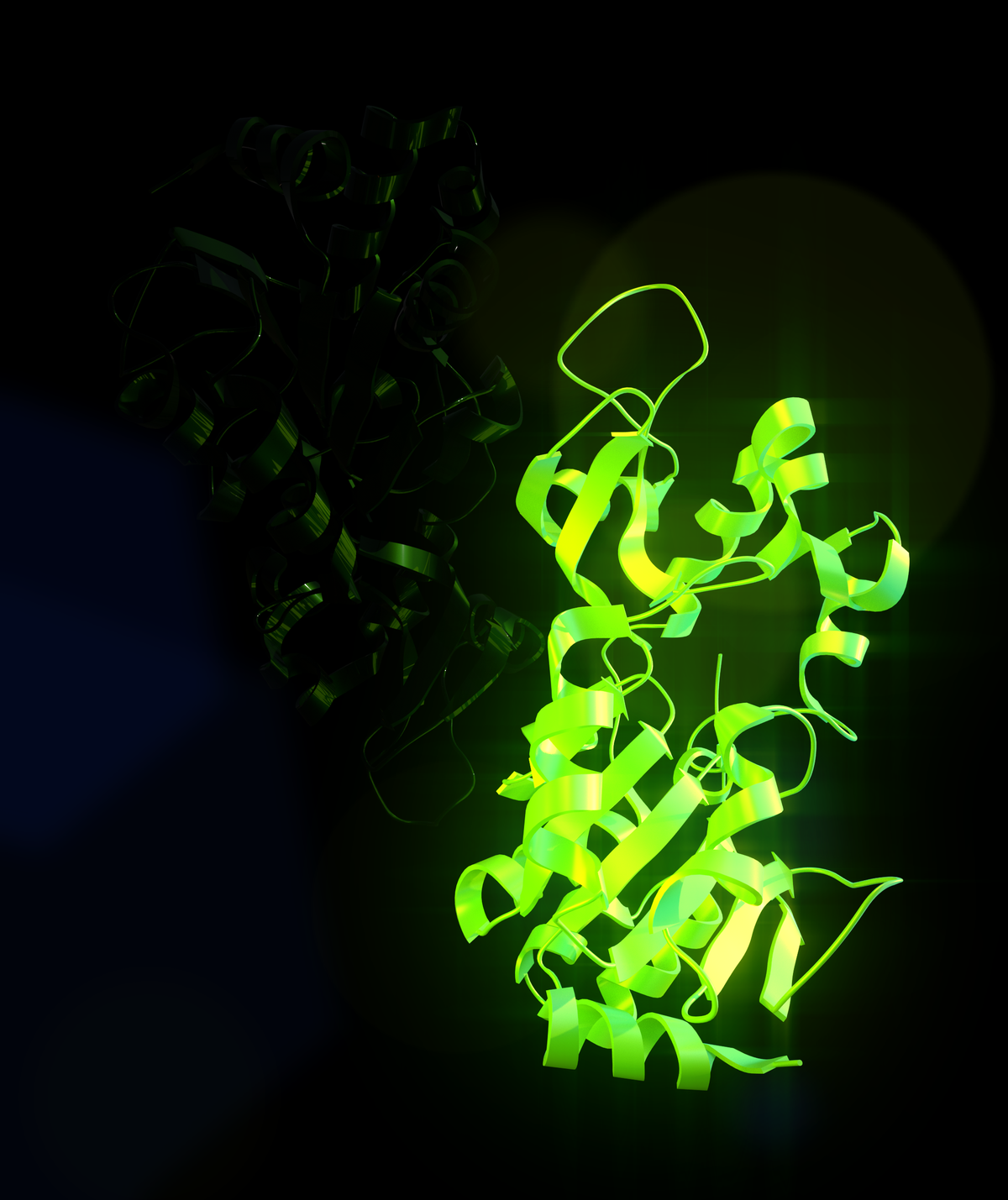
mTOR, or mechanistic target of rapamycin, is an enzyme inside your cells that acts as a master growth switch. When nutrients are plentiful, it commands the cell to build proteins and divide, but when resources are scarce, it turns down to allow the cell to clean and repair itself. This single molecular switch controls the balance between rapid growth and cellular maintenance across all animal life.
By the edgi team We find the most surprising true thing about an idea and build a 60-second lesson around it.
Your cells have a master regulator called mTOR that acts as a switch between two modes: growth or repair. When nutrients are abundant, mTOR pushes the cell to build protein and divide. When resources are scarce, it stays off to conserve energy.
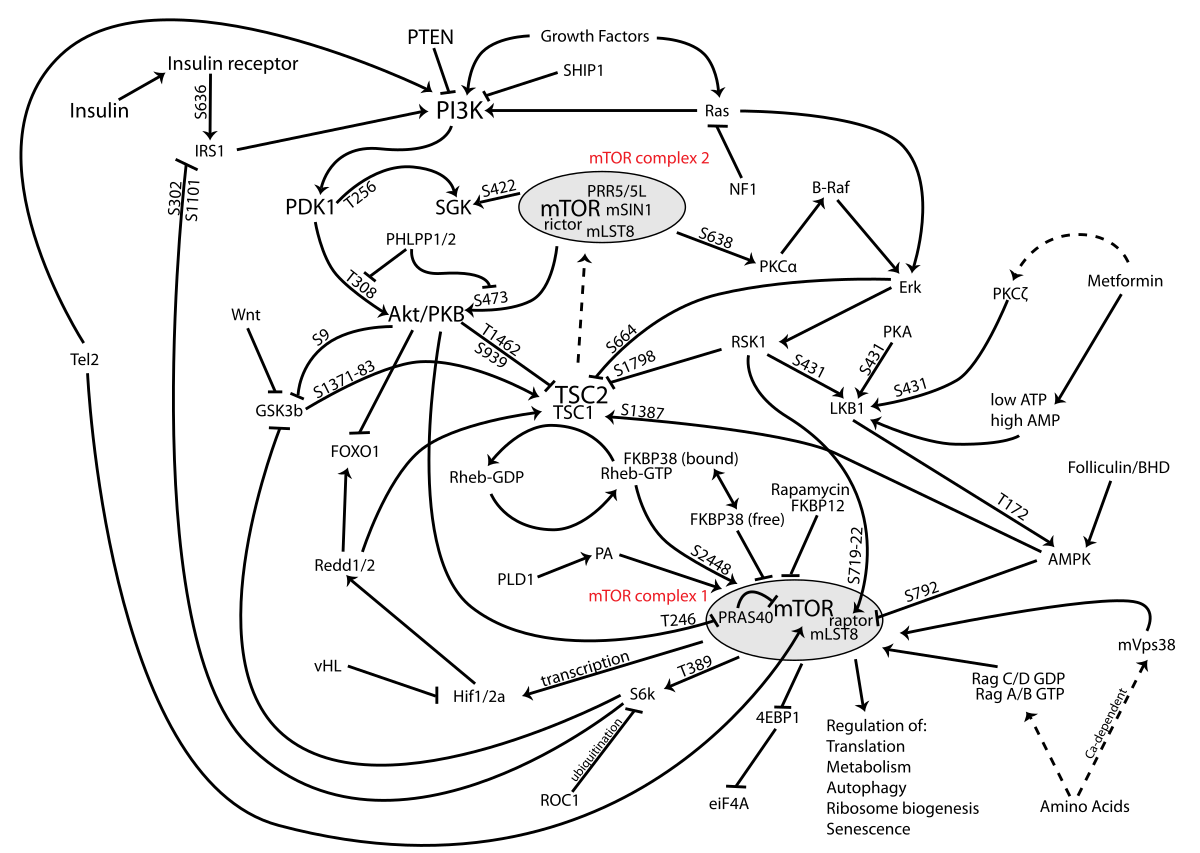
Diagram illustrating the mTOR signaling pathway, showing various proteins and their interactions. Charles betz (talk), CC BY 3.0, via Wikimedia Commons
This is the fundamental trade-off of biology: building new tissue versus keeping the current machinery running smoothly.
The easter island discovery
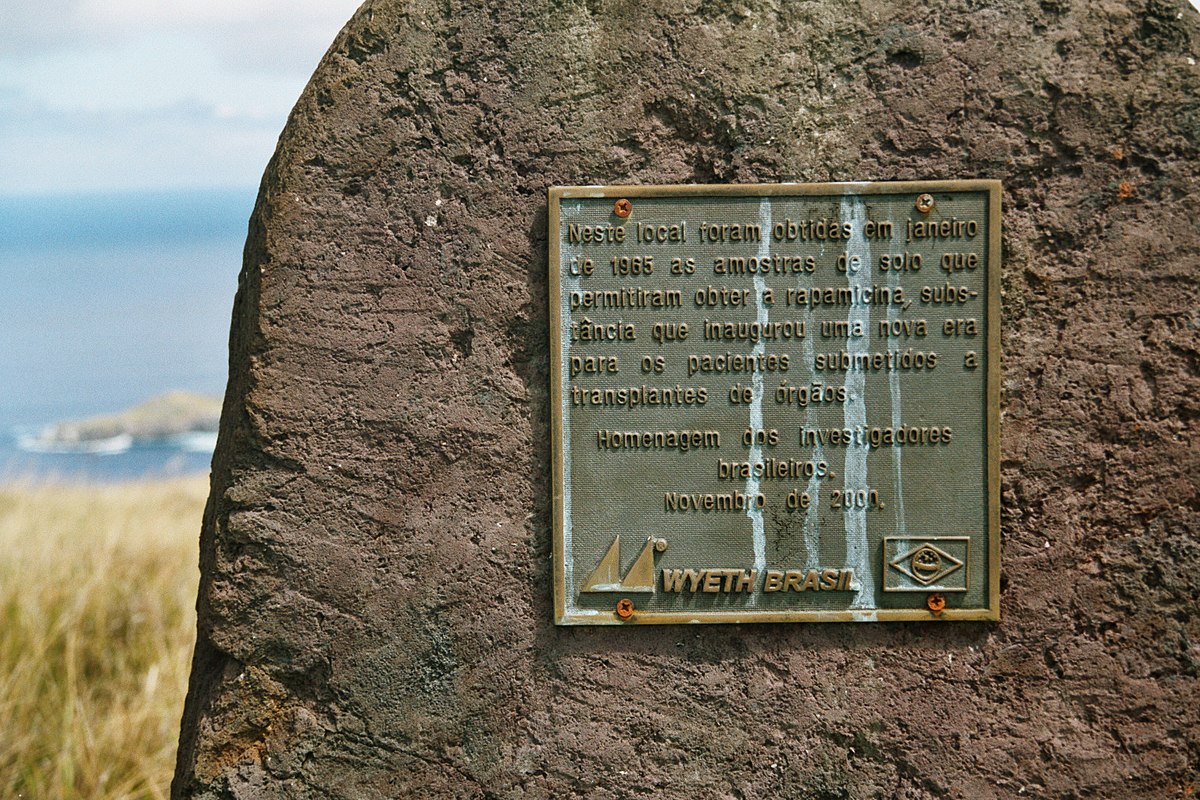
In 1964, a team of researchers found a bacterium in the soil of Easter Island that produced a strange compound. They called it rapamycin. They soon realized it acted like a molecular brake for the mTOR pathway.
A bronze plaque, written in Portuguese, commemorating the discovery of sirolimus (rapamycin) on Easter Island, near Rano Kau. Anypodetos, Public domain, via Wikimedia Commons
By inhibiting mTOR, the drug essentially tricks your body into thinking it is starving even when you are well-fed.
The repair cycle
When mTOR is dampened, the cell shifts into a state called autophagy. Autophagy is a vital self-cleaning process where the cell breaks down and recycles its own damaged proteins and dysfunctional parts.
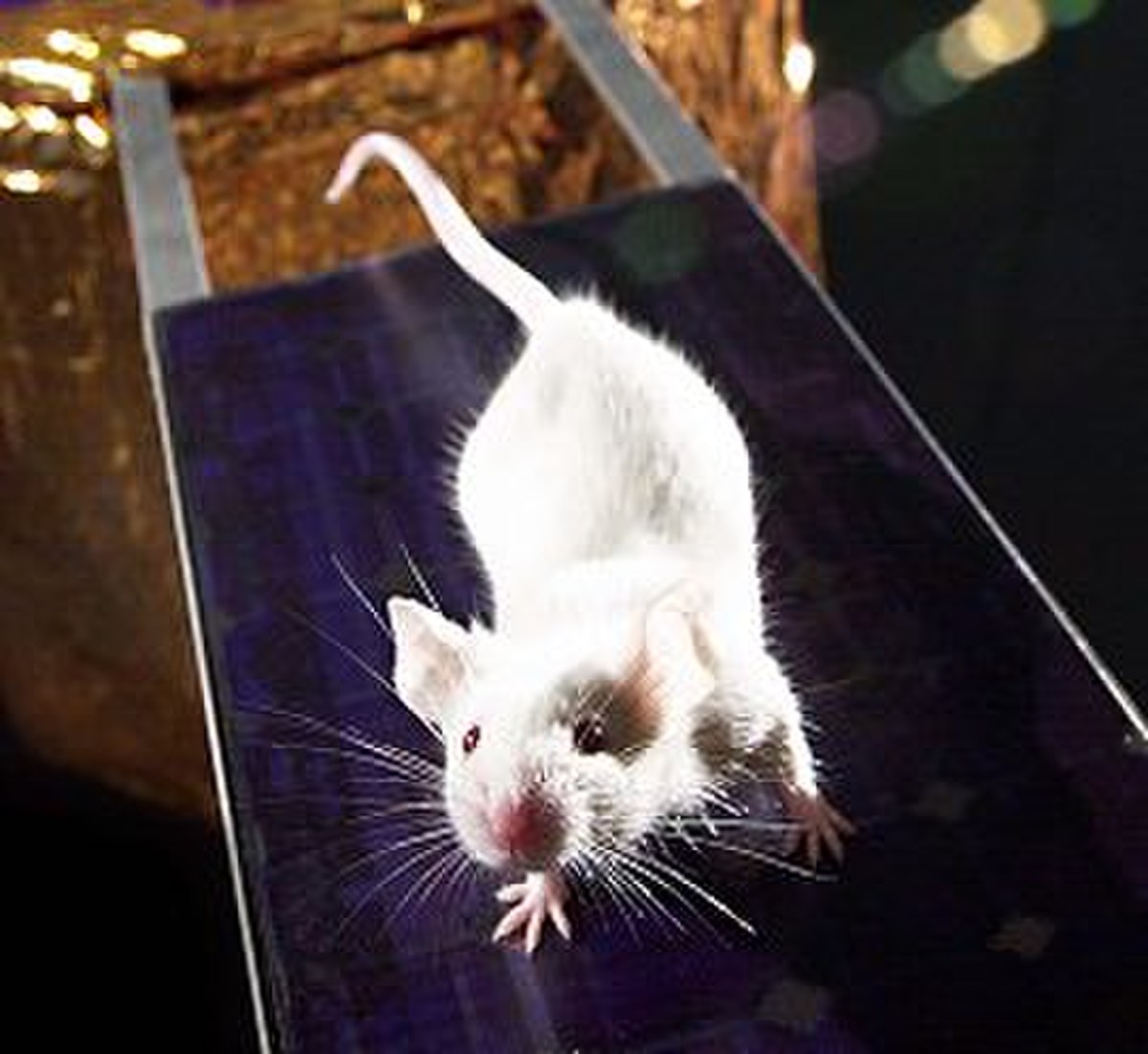
This clear-out of cellular trash has been shown to extend the lifespan of every animal model tested, from yeast to mice.
A white laboratory mouse (Mus musculus) is perched on a dark, possibly metallic, surface. Public domain, via Wikimedia Commons
The cancer connection
Because mTOR is so effective at driving rapid growth, cancer cells often hijack this pathway to fuel their own expansion. Scientists are now investigating how to safely dial down this switch in humans to fight disease and delay aging without hindering the body's natural healing abilities.
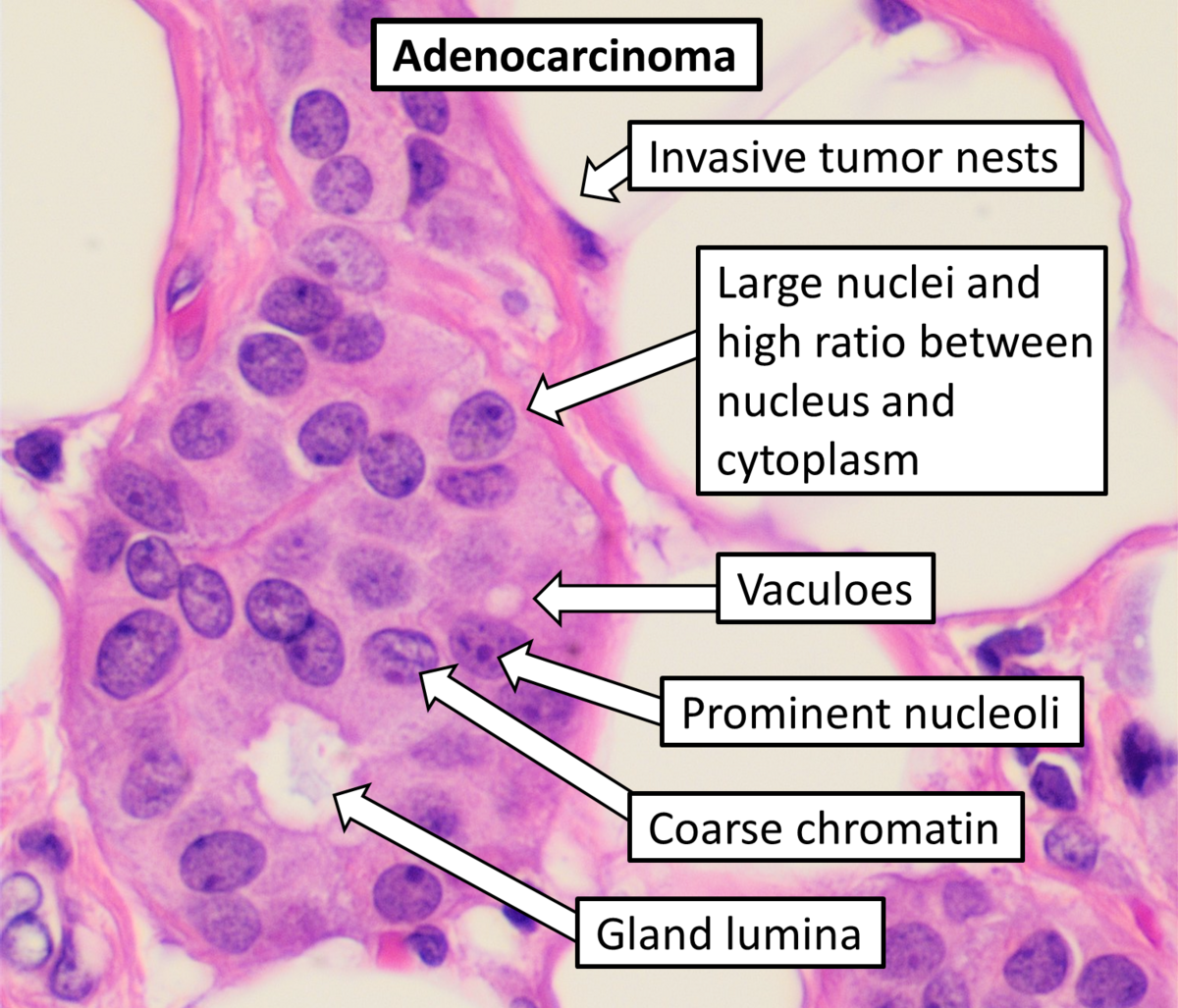
Histopathology of adenocarcinoma, showing microscopic features of cancer cells with annotations. Mikael Häggström, M.D. Author info - Reusing images- Conflicts of interest: None Mikael Häggström, M.D.Consent note: Con, CC0, via Wikimedia Commons
How does mTOR work inside cells?
mTOR is a serine-threonine protein kinase, a type of enzyme that controls other proteins by modifying them. It functions by sensing what is happening both inside and outside the cell, taking direct signals from amino acids, oxygen levels, available energy, insulin, and growth factors like IGF-1 and IGF-2.
When these signals confirm that energy and building blocks are abundant, mTOR activates protein synthesis, cell division, and cell survival. When nutrients drop, mTOR activity decreases, triggering autophagy. In this self-cleaning state, the cell breaks down its own dysfunctional components and damaged proteins for recycling instead of wasting resources on new growth.
How was mTOR discovered?
Scientists discovered the mTOR protein only because they were trying to figure out how a strange soil molecule worked. In 1964, a research expedition collected soil samples on Easter Island, also known as Rapa Nui. From a soil bacterium named Streptomyces hygroscopicus, chemist Surendra Nath Sehgal purified a compound in 1972 and named it rapamycin.
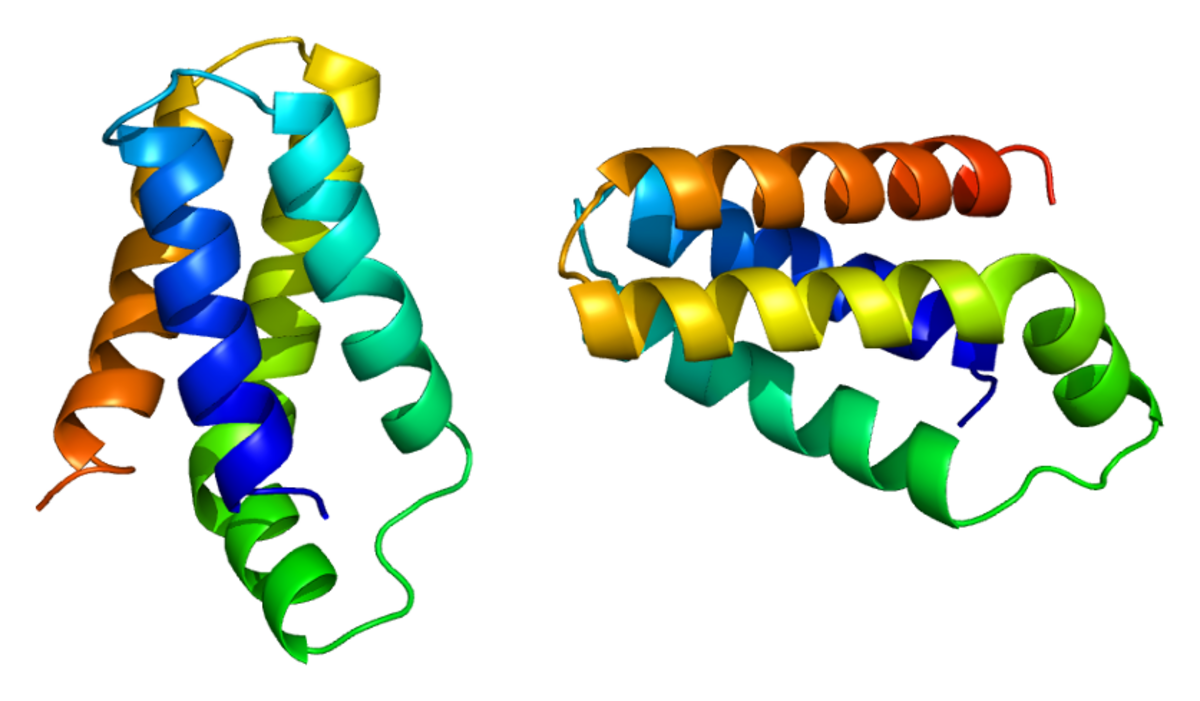
A ribbon diagram shows the helical structure of the human mTOR protein, originally known as FRAP1, which is targeted by rapamycin. Emw, CC BY-SA 3.0, via Wikimedia Commons
Early tests showed rapamycin possessed powerful antifungal, cytostatic anti-cancer, and immunosuppressive properties. Decades later, independent studies in yeast and mammalian tissues revealed that rapamycin binds to an intracellular receptor protein called FKBP12. This combined complex clamps onto a specific regulatory enzyme, revealing the existence of TOR in yeast and mTOR in mammals.
Why does mTOR matter for medicine?
Because rapamycin halts the G1 to S phase cell cycle transition in immune T-lymphocytes, it received FDA approval as a drug to prevent organ rejection after kidney transplants. The mTOR pathway also plays major roles in the liver, muscle, brain, and adipose tissue, meaning its malfunction contributes to diabetes, obesity, and depression.
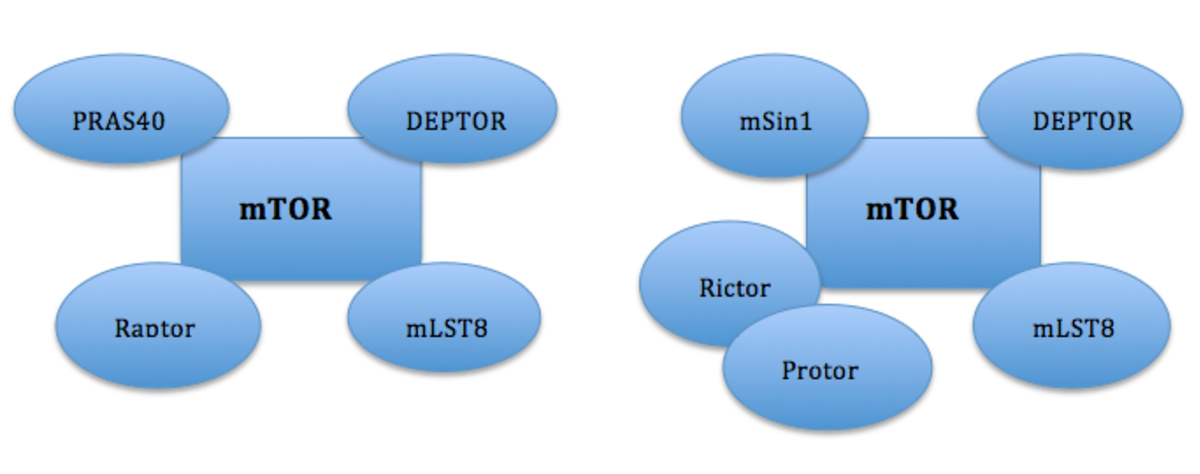
This schematic illustrates the molecular complexes of mTOR, showing how the drug target FKBP12 interacts with the pathway. Lybbar12, CC BY-SA 3.0, via Wikimedia Commons
Cancer cells frequently hijack mTOR signaling to fuel their uncontrolled multiplication. At the same time, inhibiting mTOR mimics nutrient starvation, which induces autophagy and extends lifespan in animal models ranging from yeast to mice. As a result, researchers study mTOR to design treatments that combat tumors and slow aging.
Test yourself
How does inhibiting the mTOR pathway with rapamycin affect cellular activity?
It triggers cellular autophagy. Inhibiting mTOR tricks the cell into a fasting state, shifting resources away from growth and toward clearing out damaged parts through autophagy.
Does the mTOR pathway primarily prioritize building new tissue when nutrients are abundant or scarce?
When nutrients are abundant. mTOR acts as a growth switch that builds protein and divides cells when resources are plentiful, shifting to repair only when scarce.
Which takes priority for a healthy cell?
Energy management and repair. Cells prioritize growth only when resources are abundant. In stable states, focusing on internal maintenance and repair is the primary way biological systems survive long-term.
Play the lesson in edgi and the card is yours. It lands on your Map next to the ideas it connects to, and turns from matte to foil to gold as you learn more around it.
mTOR stands for mechanistic target of rapamycin. It was initially named mammalian target of rapamycin, but the 'm' was later updated to mechanistic after related TOR proteins were identified across other species like yeast, zebrafish, and fruit flies.
Why was the name TOR chosen?
The gene was named TOR for 'Target Of Rapamycin' when it was identified in yeast in 1991. The researchers also chose the name as an homage to the city of Basel, Switzerland, where TOR translates to doorway or gate, echoing the historic city gate known as the Spalentor.
What is the connection between mTOR and FK506?
FK506, also known as tacrolimus, is another natural immunosuppressive compound that binds to the helper protein FKBP12. While FK506 uses FKBP12 to inhibit an enzyme called calcineurin, rapamycin uses the same helper protein to target and block mTOR.