The honor system
For decades, Billboard charts were compiled by calling record stores and asking clerks what they were selling. This was the honor system, a process easily manipulated by bribes or a clerk's personal bias.

The Billboard Hot 100 is the standard weekly music ranking in the United States, listing the country's most popular songs. It calculates rankings by combining physical and digital sales, online streaming numbers, and radio airplay impressions. While early versions relied on phone surveys with store clerks and DJs, the modern chart runs on direct tracking data.

By the edgi team We find the most surprising true thing about an idea and build a 60-second lesson around it.
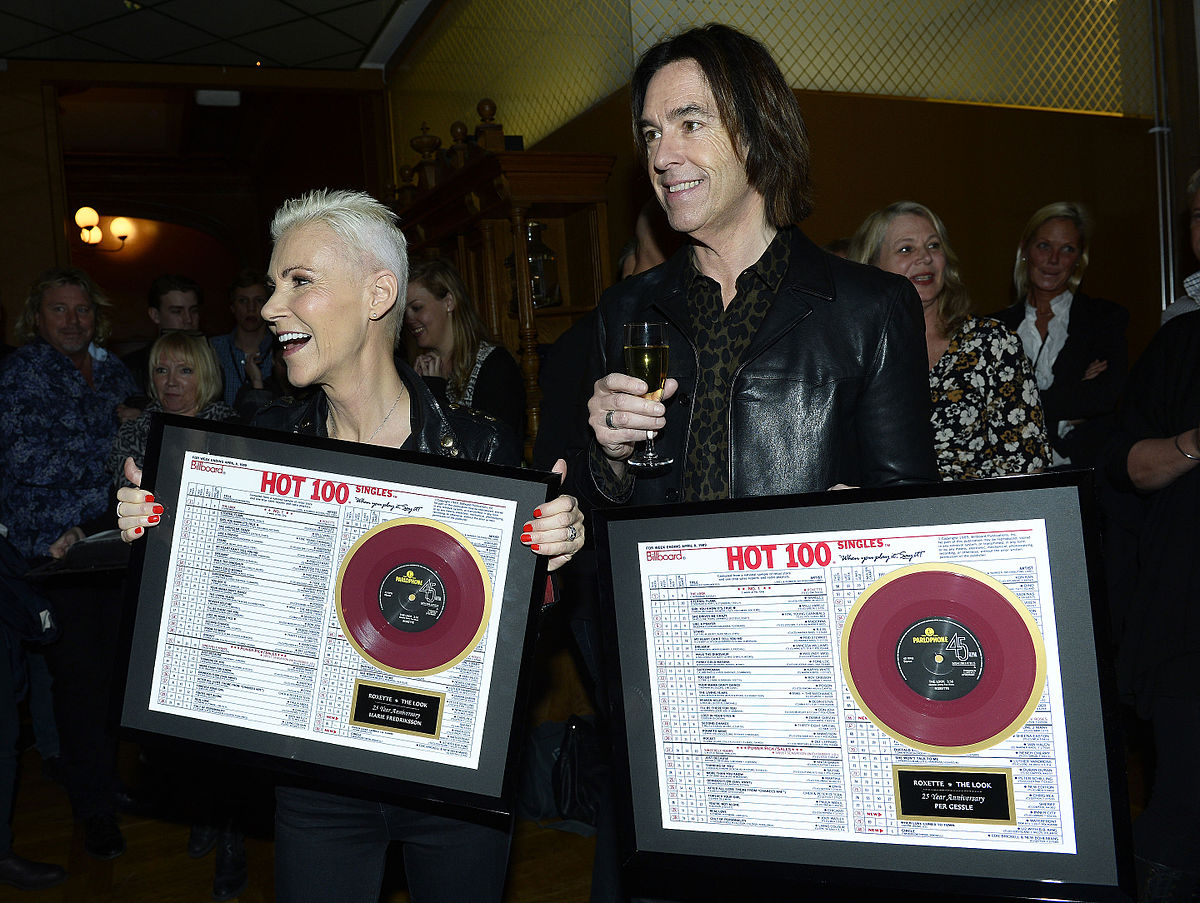
For decades, Billboard charts were compiled by calling record stores and asking clerks what they were selling. This was the honor system, a process easily manipulated by bribes or a clerk's personal bias.
In 1991, Billboard switched to tracking actual barcode scans at registers. The data didn't lie: it revealed that country and hip-hop were selling in massive numbers the industry had ignored.

Today, the chart is a complex formula blending sales, radio, and streaming. Artists like Lil Nas X have gamed it by releasing multiple remixes of a song to keep it at number one for record-breaking weeks.
The Hot 100 blends three distinct inputs: sales, streaming, and radio airplay across the United States. Sales figures come from digital downloads and physical formats tracked by Nielsen SoundScan. Streaming data covers on-demand audio, video streams, and digital radio services.
Radio airplay measures gross audience impressions across roughly 1,000 radio stations spanning genres from hip hop and rock to country and gospel. Stations are monitored 24 hours a day, cross-referencing play times with listener data. All three components share a synchronized tracking cycle that runs weekly from Friday through Thursday.
Before a single unified chart existed, Billboard tracked songs across separate lists: Best Sellers in Stores, Most Played by Jockeys, and Most Played in Jukeboxes. The jukebox chart was especially vital for rock and roll in the 1950s because many radio stations initially refused to play the genre on air.
Journalists Tom Noonan, Paul Ackerman, and Seymour Stein created the Hot 100 to replace those fragmented lists. It premiered on August 4, 1958, with Ricky Nelson's 'Poor Little Fool' taking the very first number-one spot. The new format quickly became the music industry's primary benchmark.
Does the Billboard Hot 100 rely more on survey estimates or verified data transactions today?
Verified data transactions. Modern charts track actual consumption metrics like barcode scans and digital streams rather than relying on store clerk reports.
What was the primary method for gathering Billboard Hot 100 data before 1991?
Clerk-reported sales counts. Before 1991, Billboard relied on reports from store clerks, which was inherently subjective. Barcode scanning replaced this system to provide objective, verified data.
Collectible card
Play the lesson in edgi and the card is yours. It lands on your Map next to the ideas it connects to, and turns from matte to foil to gold as you learn more around it.
Billboard publishes the new chart online every Tuesday. The issue is post-dated to the following Saturday, matching the day the physical magazine arrives on newsstands.
Billboard published its first chart in July 1913, titled 'Last Week's Ten Best Sellers Among the Popular Songs.' It measured sheet music sales rather than recorded audio.
Part of the Set · 6 cards
The song you can't get out of your head didn't get there by luck. It was built to lodge there.
Lesson complete
You finished the lesson. In edgi, the card goes on your Map next to everything else you learn.