Sampling is the reuse of a portion of an existing sound recording inside a new piece of music. Producers alter these snippets by changing their pitch, looping them, or cutting them into new rhythms using hardware instruments or computer software. It turned entire catalogs of recorded history into raw musical building blocks for genres like hip-hop and electronic music.
By the edgi team We find the most surprising true thing about an idea and build a 60-second lesson around it.
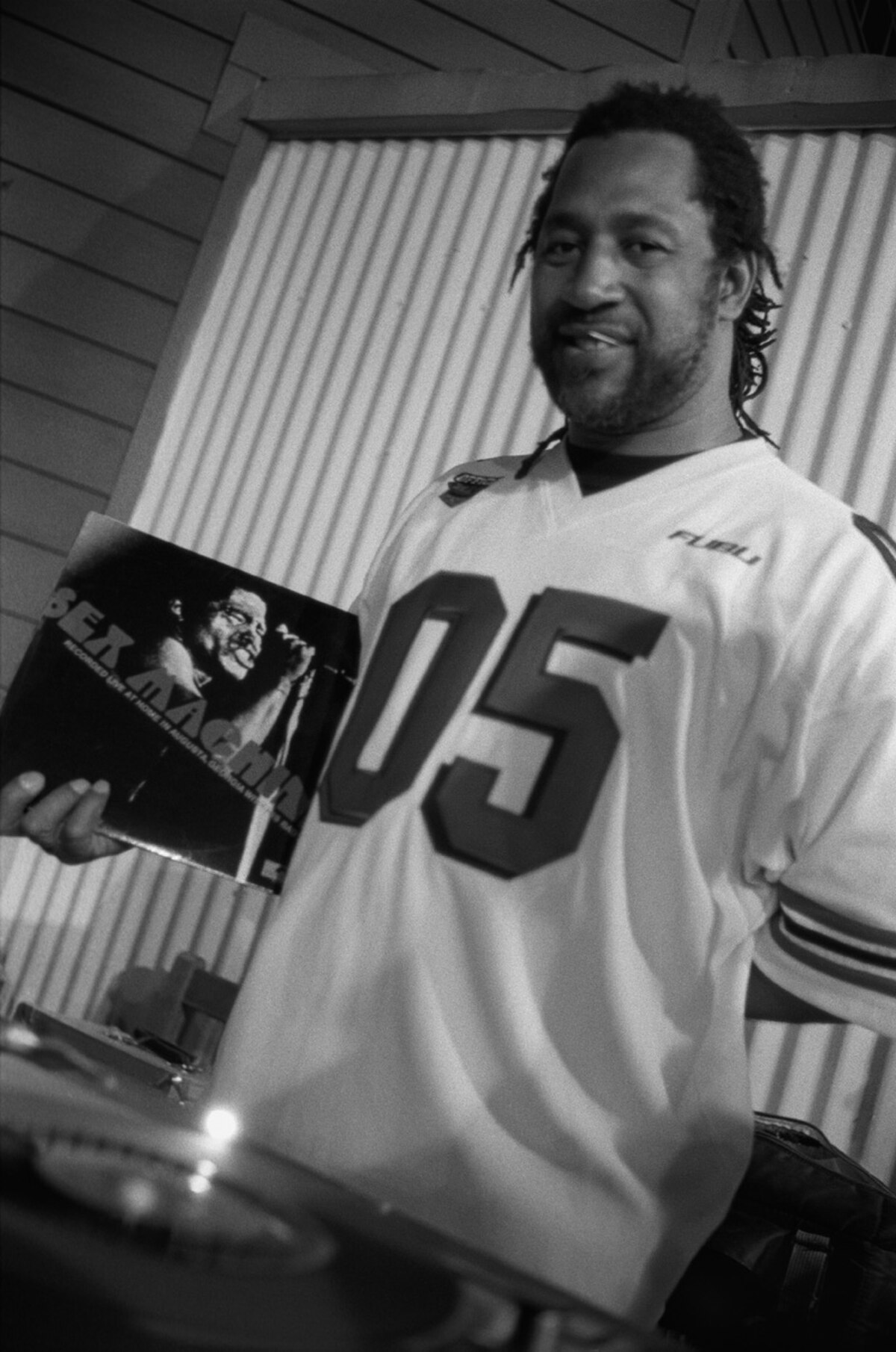
In 1973, DJ Kool Herc realized the crowd at his Bronx parties went wild during the break, the drum-heavy instrumental section of a funk record. He used two turntables to play two copies of the same record, switching back and forth to keep that groove alive indefinitely.
Black and white portrait of DJ Kool Herc in 1999, smiling and holding a vinyl record album. Mika Väisänen, CC BY-SA 4.0, via Wikimedia Commons
This manual trick didn't just keep the party going; it created the rhythmic blueprint for Hip Hop.
The world as an instrument
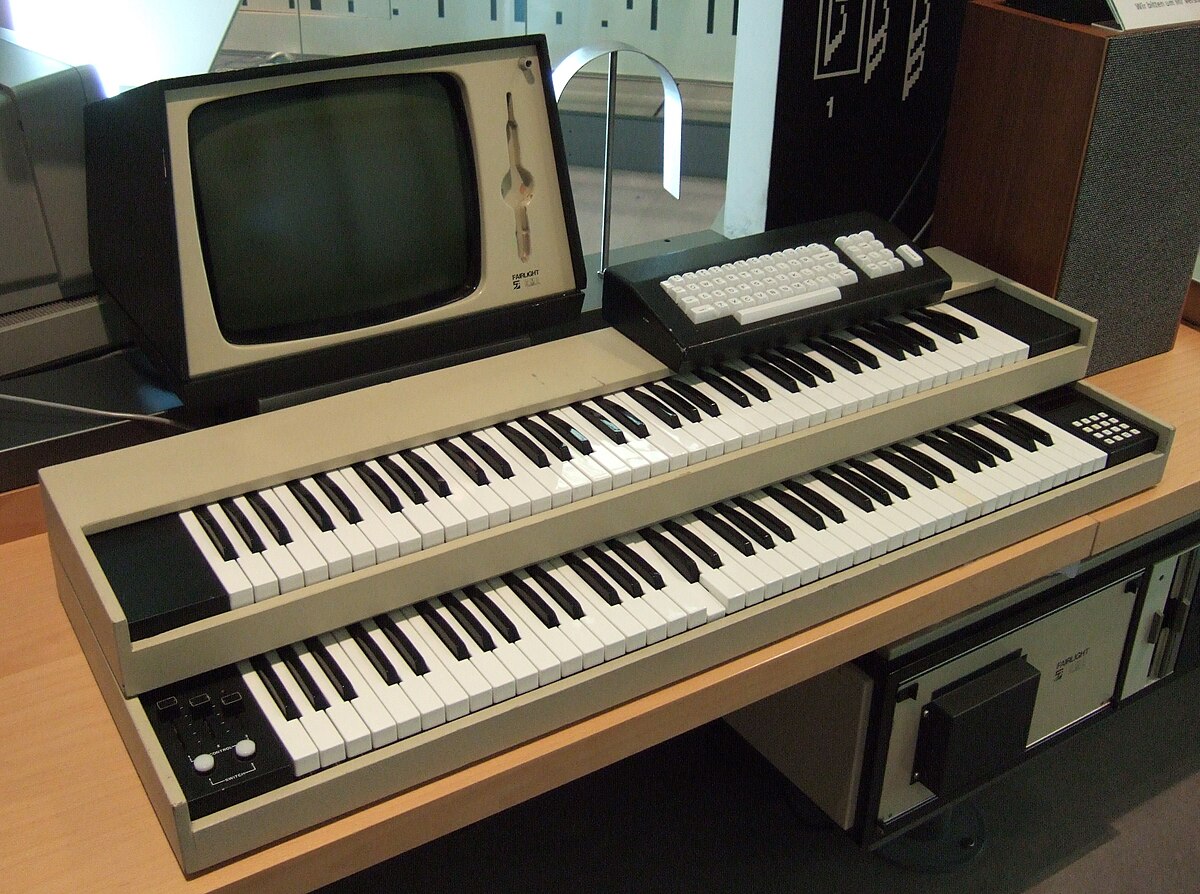
By 1979, the Fairlight CMI arrived. It featured a button literally labeled sample. It allowed a Record producer to record any sound, a slamming door, a car horn, or a snippet of jazz, and play it back as a musical note on a keyboard.
The Fairlight CMI, a sampler and synthesizer released in 1979, featuring two keyboards, a monitor, and a separate computer unit. Joho345, Public domain, via Wikimedia Commons
Suddenly, the entire world became an instrument.
The amen break
The most famous example is the Amen Break, a six-second drum solo from a 1969 track by The Winstons. It has been sampled in thousands of songs, from N.W.A. to drum and bass tracks.
It is the ultimate example of how a tiny fragment of the past can be recycled to define the sound of the future.
The legal reckoning
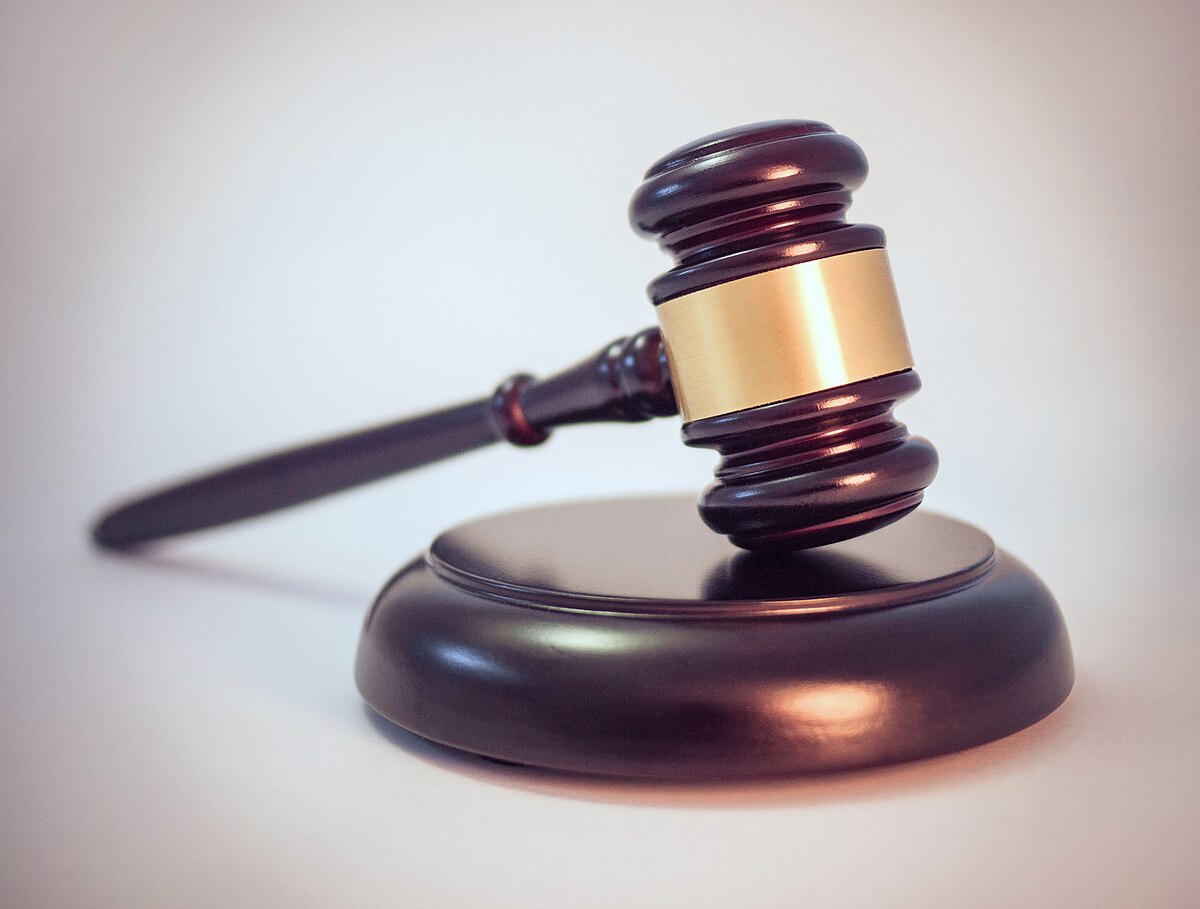
This constant recycling forced a massive legal reckoning. Courts have struggled for decades to decide: is a three-second clip creative reuse, or is it theft?
A wooden legal gavel with a brass band on its head, resting on a matching wooden sound block. Blogtrepreneur, CC BY 2.0, via Wikimedia Commons
Today, sampling is a complex industry, turning audio history into a massive, legally protected library of textures.
From tape splices to digital samplers
In the 1940s, French composer Pierre Schaeffer pioneered musique concrète by cutting, splicing, and looping physical tape recordings of locomotive engines, human bodies, and kitchen tools. Schaeffer also created the Phonogene, which triggered tape loops across twelve distinct pitches using an attached keyboard. Keyboard instruments like the Chamberlin and the 1960s Mellotron expanded on this idea by playing back short tape recordings whenever a musician pressed a key.
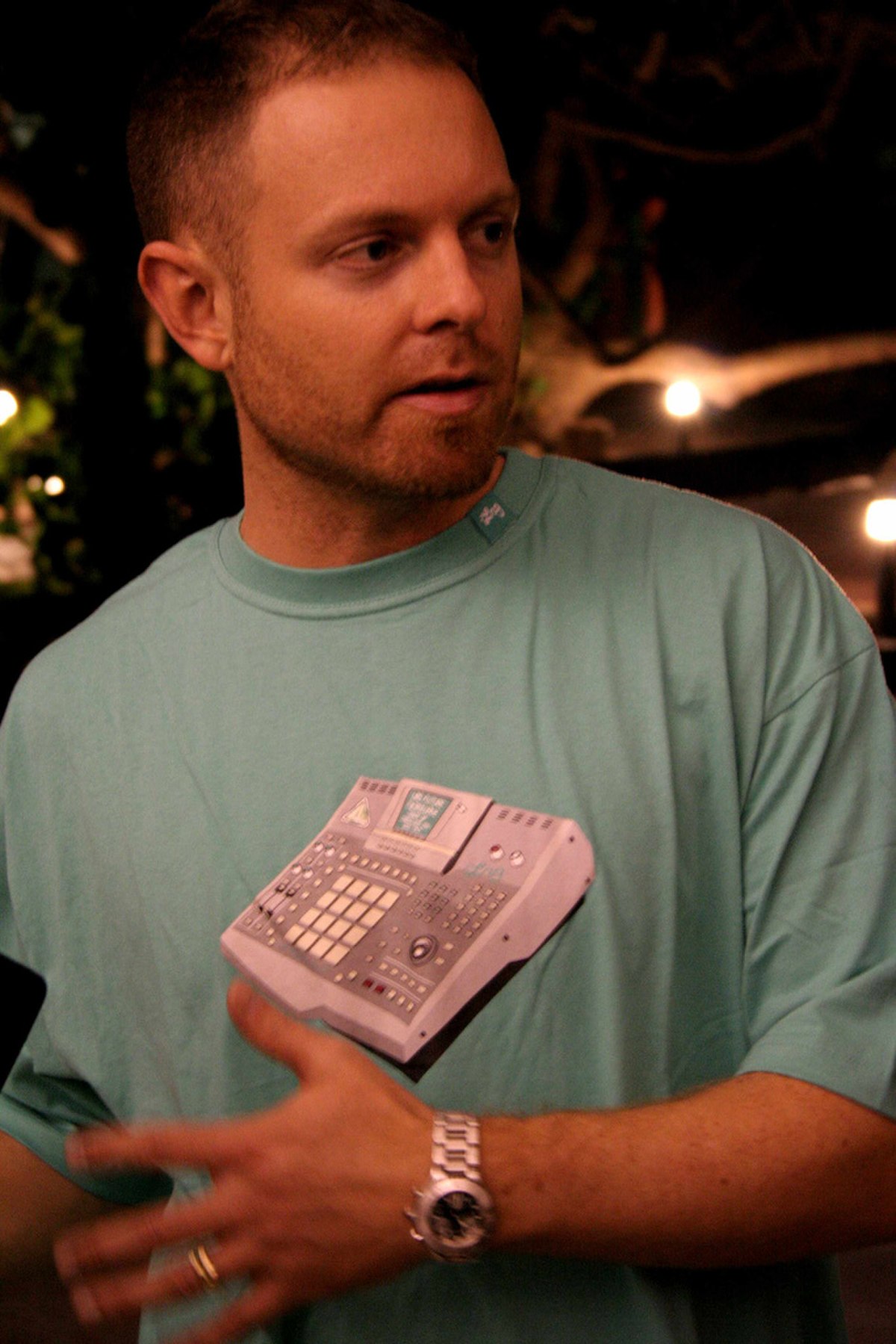
The shift to digital hardware began in 1969 with Peter Zinovieff's EMS Musys, but the term sample was coined in 1979 by Kim Ryrie and Peter Vogel for their Fairlight CMI synthesizer. Vogel discovered that recording a second of a radio piano broadcast and repitching it sounded more realistic than synthesizer circuits. While the Fairlight could only hold a few seconds of audio, later machines like the E-mu Emulator, the Akai S950, and the pad-based 1988 Akai MPC gave producers cheaper hardware with expanded memory to trigger and chop sounds.
Techniques for manipulating audio
Producers handle sampled audio using three main approaches: loop sampling, chop sampling, and one-shot sampling. Loop sampling repeats a longer section of music continuously. Chop sampling cuts a recording into smaller fragments and rearranges them into an original rhythm or melody. One-shot sampling triggers a single isolated sound, such as an individual drum hit or vocal snippet.
DJ Shadow used samplers to construct Endtroducing entirely from pre-existing recordings. Flickr member Daigo Oliva, CC BY-SA 2.0, via Wikimedia Commons
Modern music creation relies heavily on digital audio workstations like Ableton Live and Pro Tools, where producers layer, equalize, speed up, or slow down these audio files. Sampling proved so expansive that in 1996, DJ Shadow released Endtroducing, the first full music album constructed entirely from sampled source material.
The legal rules of music clearance
Acquiring legal permission to reuse a recording is called clearance, and the process can be expensive and complex. American courts delivered strict rulings in Grand Upright Music, Ltd. v. Warner Bros. Records Inc (1991) and Bridgeport Music, Inc. v. Dimension Films (2005), deciding that unlicensed sampling of any length could count as copyright infringement.
Other court decisions have diverged. In 2016, VMG Salsoul v Ciccone established that minimal, de minimis copying without a license might not infringe copyright. In 2019, the European Court of Justice determined that heavily modified, unrecognizable sound samples do not require prior authorization from the original copyright holder.
Test yourself
In music sampling, does creating a loop from an existing recording rely more on isolating rhythm or melody?
Isolating rhythm. Pioneered by breakbeat DJs, sampling focuses heavily on isolating percussion breaks to build driving rhythmic foundations.
Does sampling primarily involve imitating an existing sound with instruments?
No, it involves reusing recordings.. Sampling uses the actual recorded audio snippet rather than trying to recreate the performance. This distinction is what allows producers to capture the unique texture and feel of the original source.
Play the lesson in edgi and the card is yours. It lands on your Map next to the ideas it connects to, and turns from matte to foil to gold as you learn more around it.
James Brown, Led Zeppelin, Loleatta Holloway, and Fab Five Freddy are among the most sampled musicians in recording history. Specific recordings like the Funky Drummer drum break and the orchestral hit sound effect have appeared in thousands of songs.
What is a sample pack?
A sample pack, or sample library, is a commercial collection of recorded sounds, loops, and sound effects sold directly to producers. Companies such as Zero-G and Spectrasonics popularized these packages in the 1990s, and Apple later bundled Jam Pack libraries into its GarageBand software.
How did Jamaican dub reggae contribute to sampling?
During the 1960s, Jamaican producers like King Tubby and Lee Scratch Perry built riddim tracks by reusing recorded reggae rhythm tracks for deejays to perform over. Jamaican immigrants later brought these audio reuse methods to New York, influencing early hip-hop production during the 1970s.