Pop music is a commercial genre designed for broad public appeal rather than a specific subculture or ideology. It relies on short songs, memorable hooks, and familiar verse-chorus patterns that stick in the listener's memory. Instead of prioritizing experimental art or political messages, pop focuses on light entertainment, danceable rhythms, and romantic themes.
By the edgi team We find the most surprising true thing about an idea and build a 60-second lesson around it.
Before the 1950s, the music industry primarily sold sheet music for families to play at home. When the 45-rpm record and the jukebox arrived, teenagers suddenly had control over their own soundtracks.
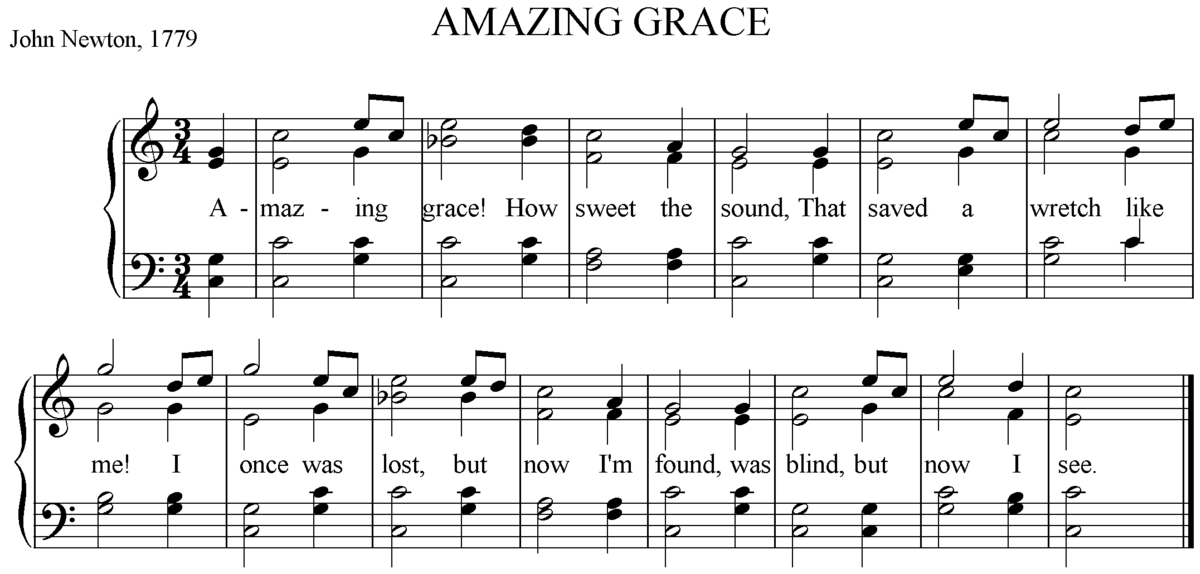
Mechanically printed sheet music for the hymn "Amazing Grace" by John Newton, 1779. Public domain, via Wikimedia Commons
Producers realized they could package the raw energy of rock and roll and rhythm and blues into polished, radio-friendly hits.
The science of stickiness
A pop song is engineered for stickiness. It uses a predictable structure, verse, chorus, verse, chorus, to create immediate comfort. By the second chorus, your brain feels like it already knows the song. This familiarity is the product.
The chameleon effect
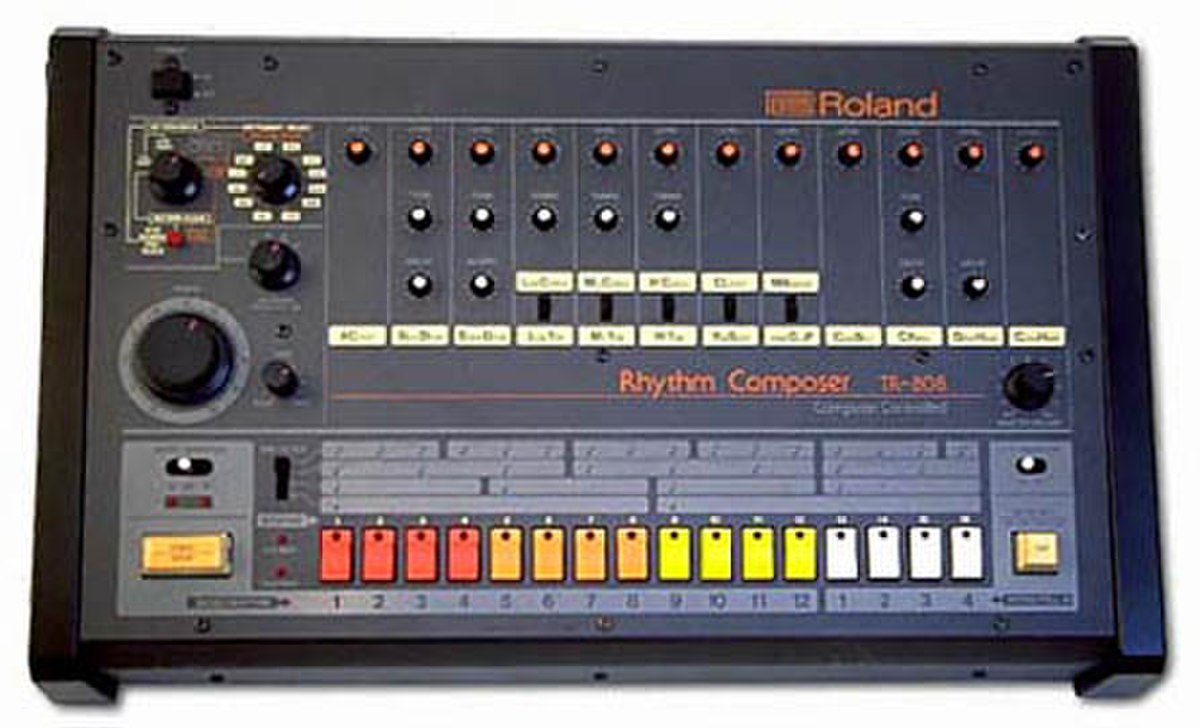
Pop survives by adapting. It adopts the sounds of synth-pop, disco, or hip-hop to stay relevant to the current cultural moment. It isn't defined by its instruments, but by its goal: maximum appeal. If a sound becomes popular, pop music will eventually absorb it.
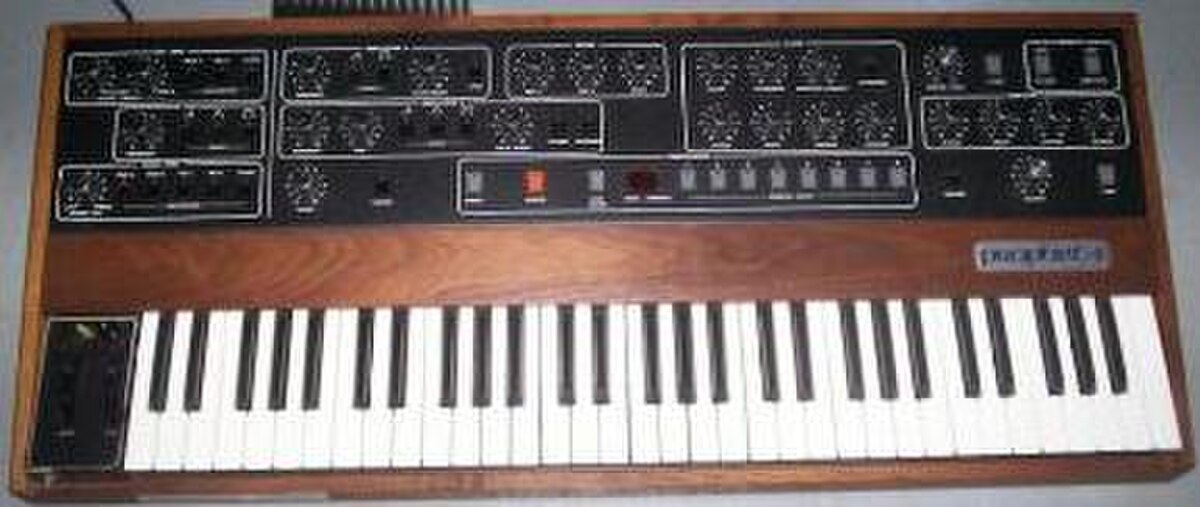
The Sequential Circuits Prophet-5 synthesizer, a polyphonic synthesizer with a wooden casing, a keyboard, and numerous knobs and buttons for sound control. CPRdave at English Wikipedia, Public domain, via Wikimedia Commons
What makes a song pop music?
A standard pop song typically runs between two and a half and three and a half minutes. It relies on a consistent rhythm, simple melodies, and limited harmonic accompaniment based on traditional European tonality. The arrangement builds toward a repeated chorus, creating an earworm through musical and lyrical repetition. Often, the music builds tension just before the chorus by dropping out the bass and drums.
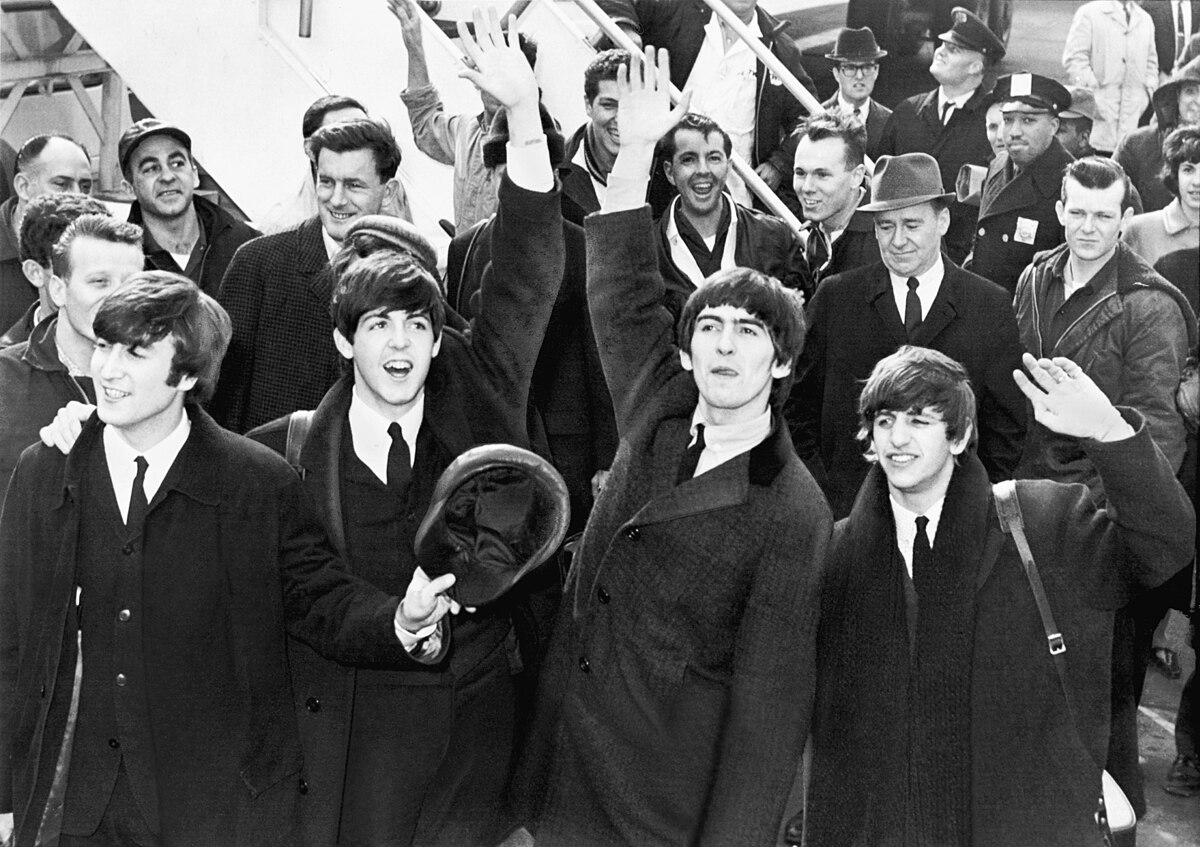
The Beatles, pictured during the 1960s British Invasion, exemplify the shift of pop music toward globally successful, youth-oriented singles. United Press International, photographer unknown, Public domain, via Wikimedia Commons
Pop music emphasizes recording quality, studio production, and technology rather than live performance. It seeks to reflect existing trends, borrowing elements from styles like hip-hop, dance, Latin, country, and rock. Lyrically, pop avoids themes of resistance, opposition, or political activism, favoring relatable subjects like love, romance, and melodrama.
How pop split from rock
The term "pop song" first appeared in 1926 to describe music with popular appeal, but modern pop originated in the mid-1950s across Britain and the United States. In its early years, pop described rock and roll and the new styles aimed at teenage audiences. Pop and rock remained roughly synonymous throughout the 1950s and early 1960s.
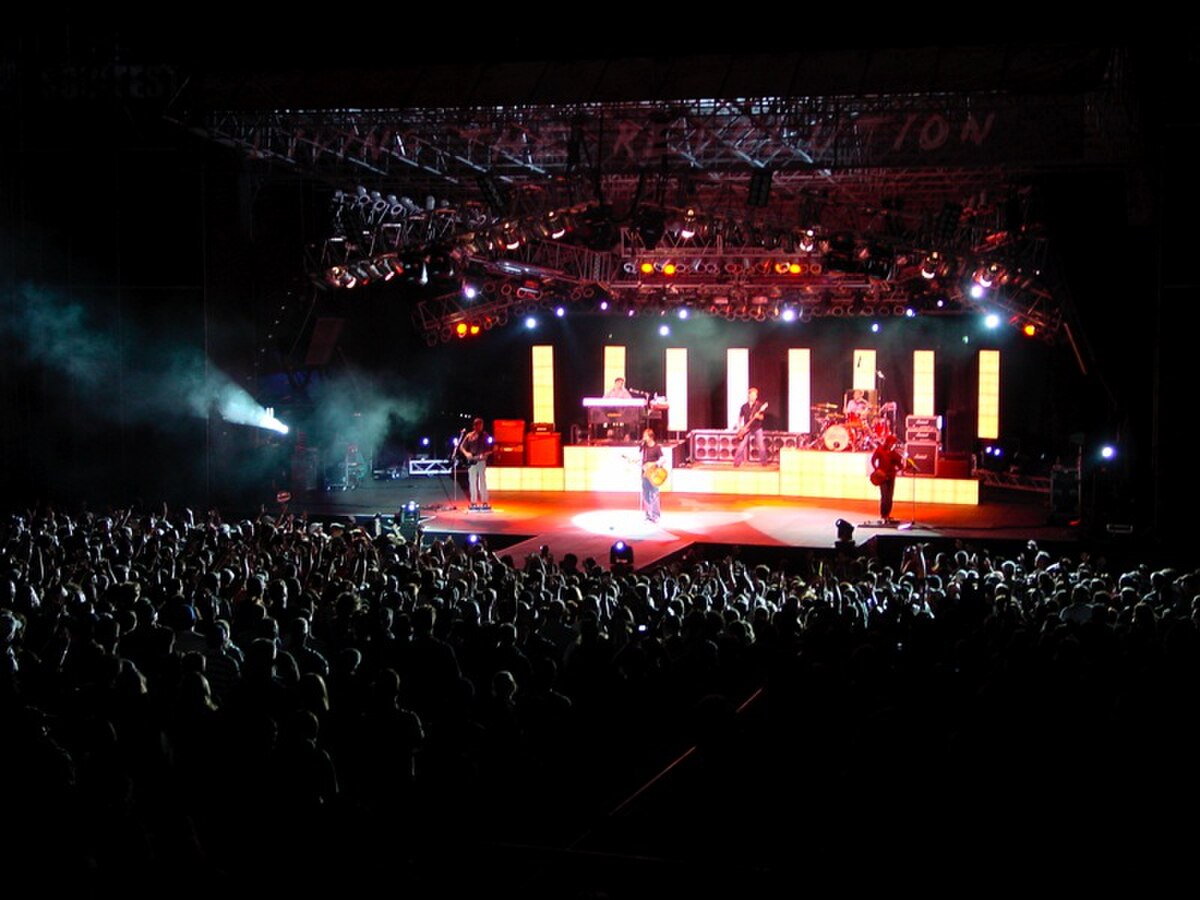
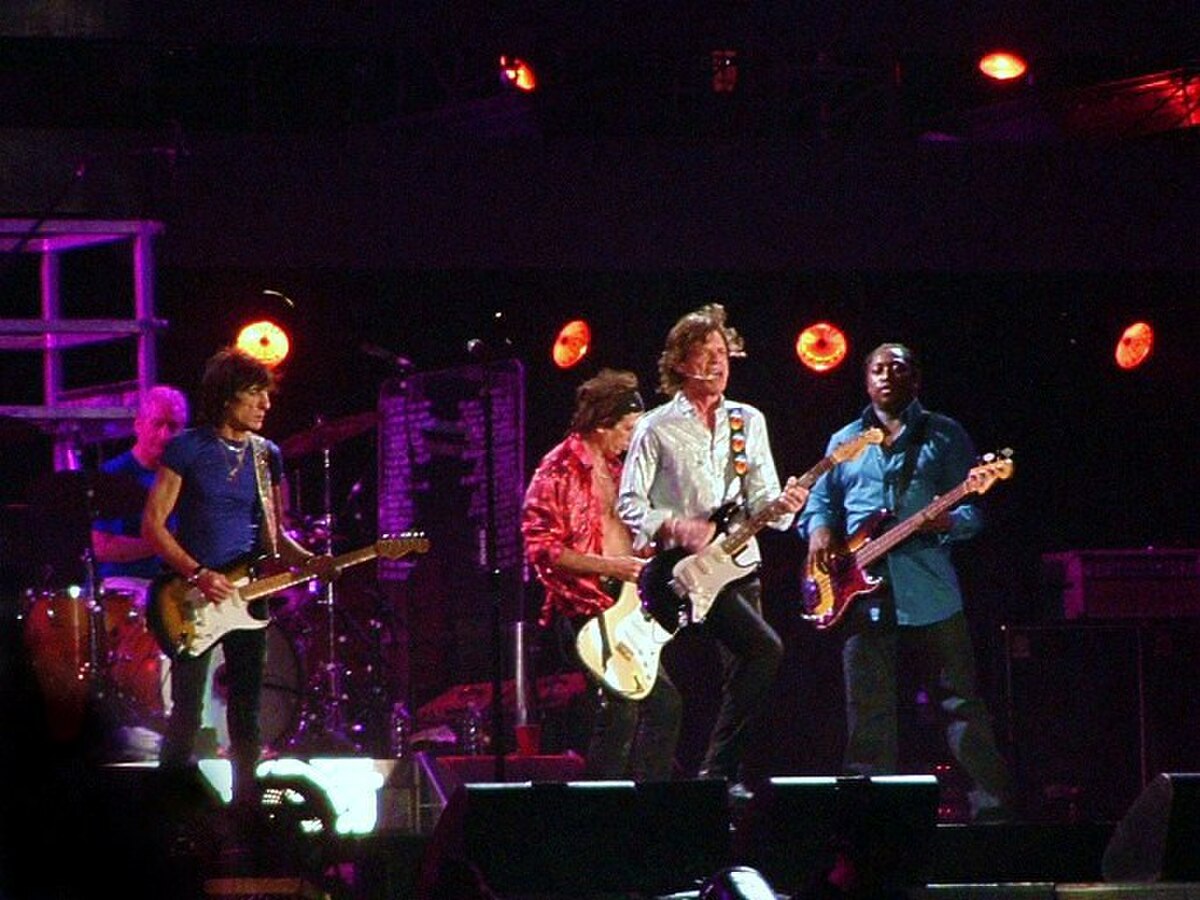
The Rolling Stones perform in 2006, representing the era when rock and pop began defining non-classical music for mass audiences. Severino, CC BY 2.0, via Wikimedia Commons
By around 1967, the two terms drifted apart into opposing categories. Rock positioned itself as album-based music for adults that valued artistic authenticity and experimental growth. Pop emerged as instant, singles-based music provided by record companies, radio programmers, and concert promoters to generate commercial revenue.
Test yourself
Is pop music defined primarily by a fixed set of signature instruments or by its goal of mass appeal?
By its goal of mass appeal. Pop music survives by absorbing whatever sounds are currently popular, meaning its defining feature is its pursuit of broad accessibility rather than specific instrumentation.
What defines the identity of pop music according to its commercial model?
Its ability to absorb other genres. Pop music is not defined by static instrumentation, but by its chameleon-like ability to adopt any sound currently trending to ensure maximum mass appeal.
Play the lesson in edgi and the card is yours. It lands on your Map next to the ideas it connects to, and turns from matte to foil to gold as you learn more around it.
What is the difference between popular music and pop music?
Popular music is a broad category that covers any music targeted for mass appeal across many genres, including country, jazz, and novelty tracks. Pop music is a specific genre within that category, characterized by commercial craftsmanship, short song lengths, and standard verse-chorus structures.
When did the modern pop music industry begin?
Many historians trace the birth of the modern pop industry to recording developments in the 1920s across blues, country, and hillbilly music. The modern genre took its distinct form during the mid-1950s with the rise of youth-oriented records and radio hits.