The origin
Clarence Birdseye watched Inuit fishermen in Labrador pull fish from 40-below water. The fish froze instantly and tasted fresh months later. He realized the speed of freezing was the secret.
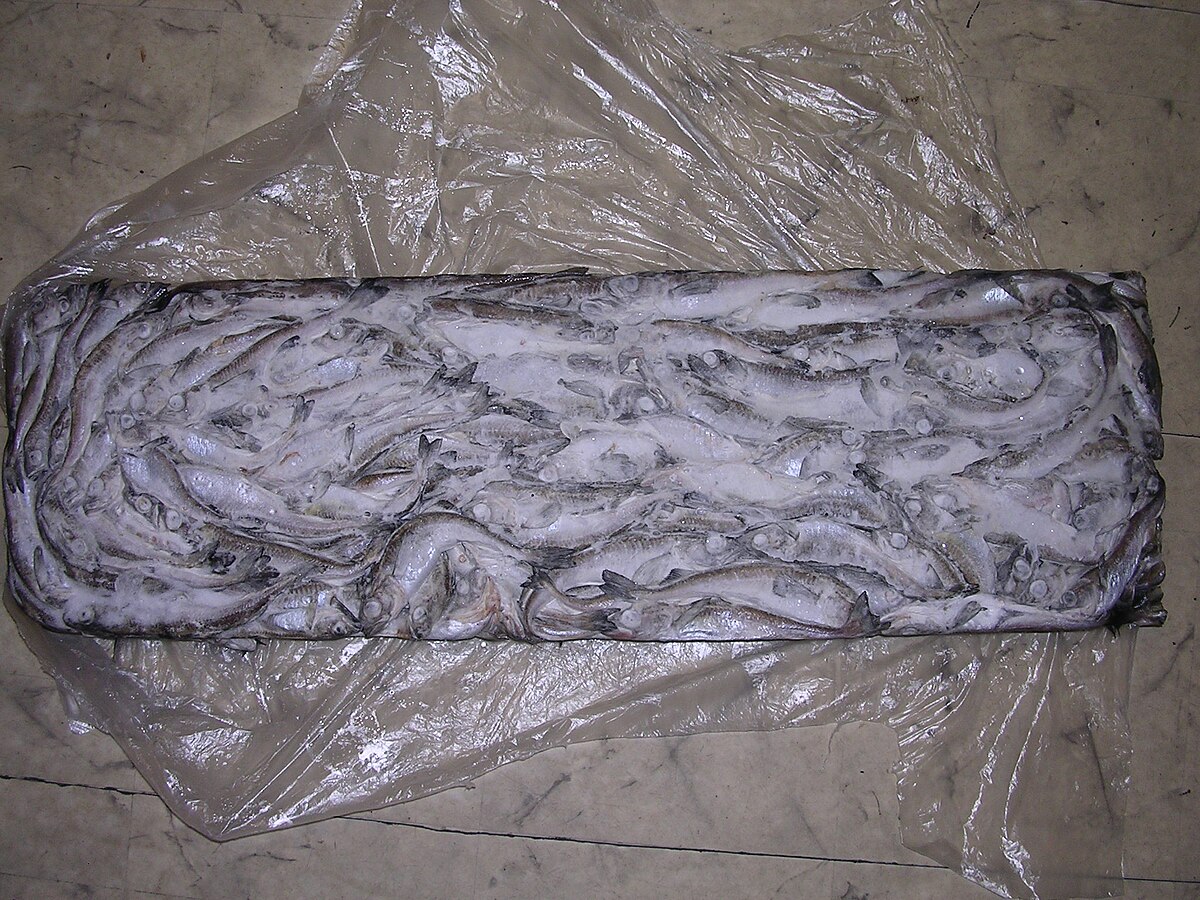
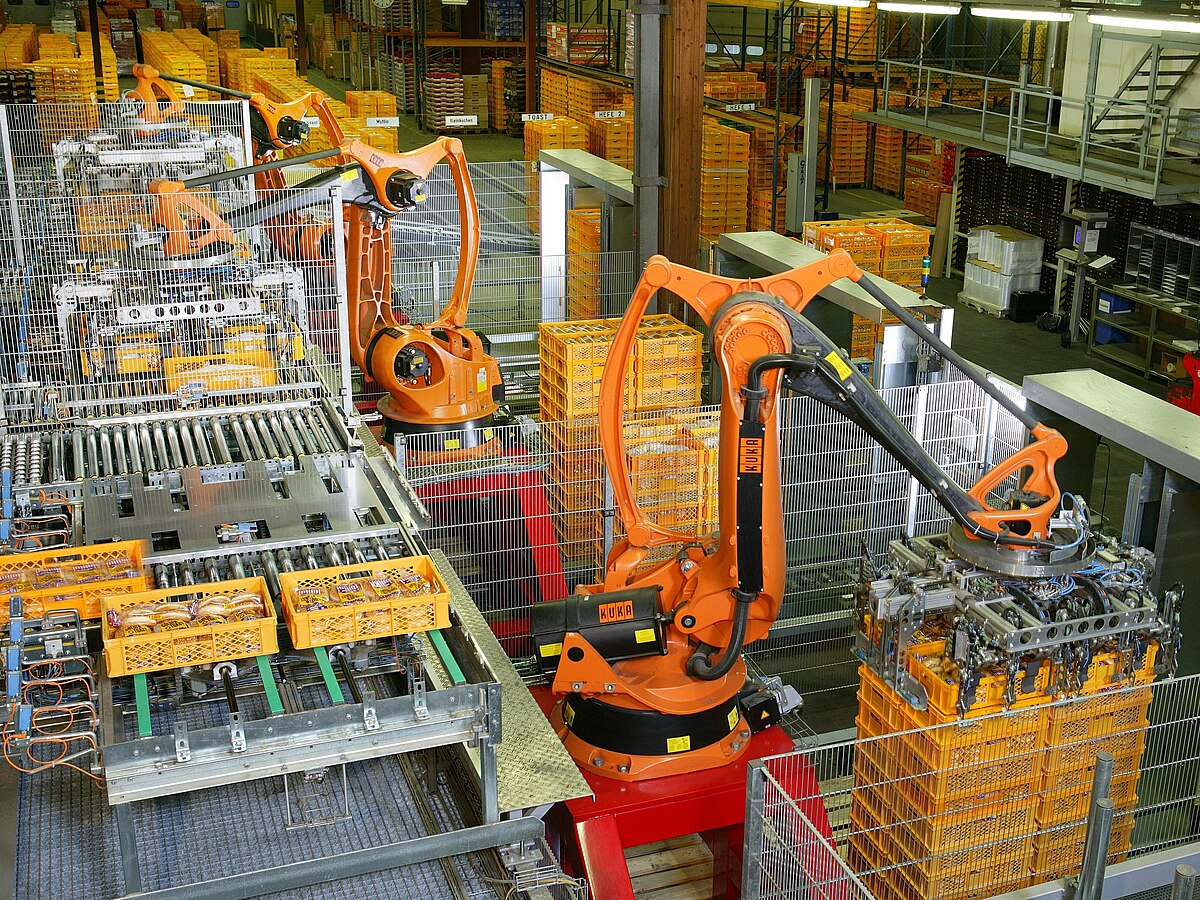
Convenience food is food that commercial companies prepare and package in advance so you can eat it with little to no extra cooking. It cuts meal prep from hours of scratch cooking down to minutes of simple heating or direct eating. While traditional prepared foods like cheese and bread have existed for millennia, modern industrial versions rely heavily on high-speed processing, chemical leaveners, and advanced preservation techniques.

By the edgi team We find the most surprising true thing about an idea and build a 60-second lesson around it.
Clarence Birdseye watched Inuit fishermen in Labrador pull fish from 40-below water. The fish froze instantly and tasted fresh months later. He realized the speed of freezing was the secret.
Before this, frozen food was a disaster. Slow freezing grew large, jagged ice crystals that shredded cellular walls. Birdseye's machine mimicked the flash-freeze, keeping food structure intact.
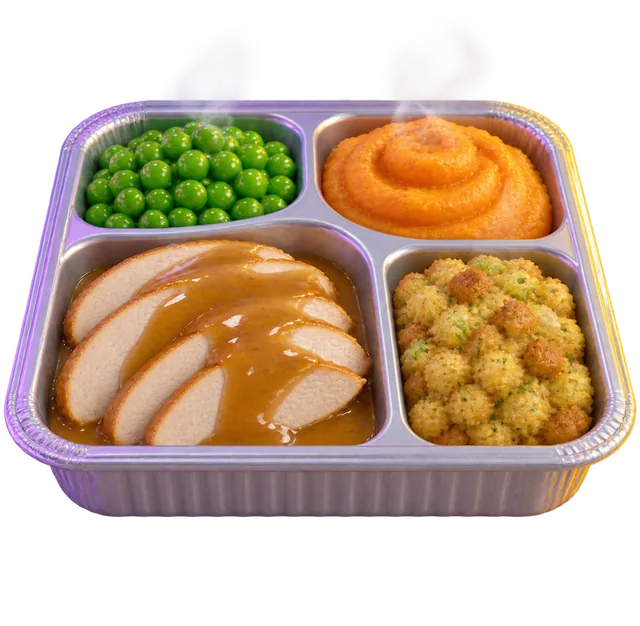
This invention birthed the modern convenience food industry. It turned dinner from a four-hour labor into a five-minute task, eventually leading to cultural icons like the TV dinner.
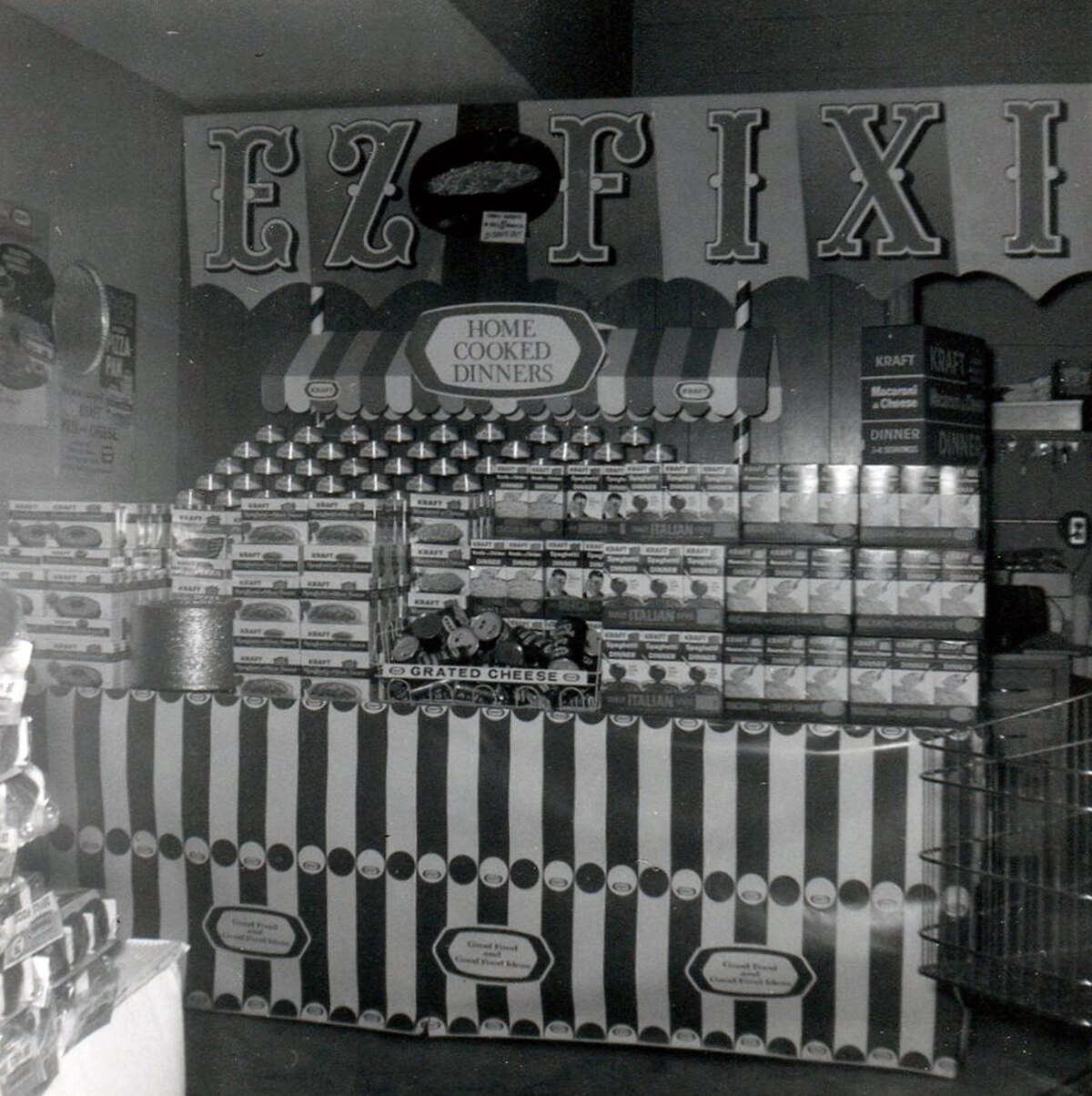
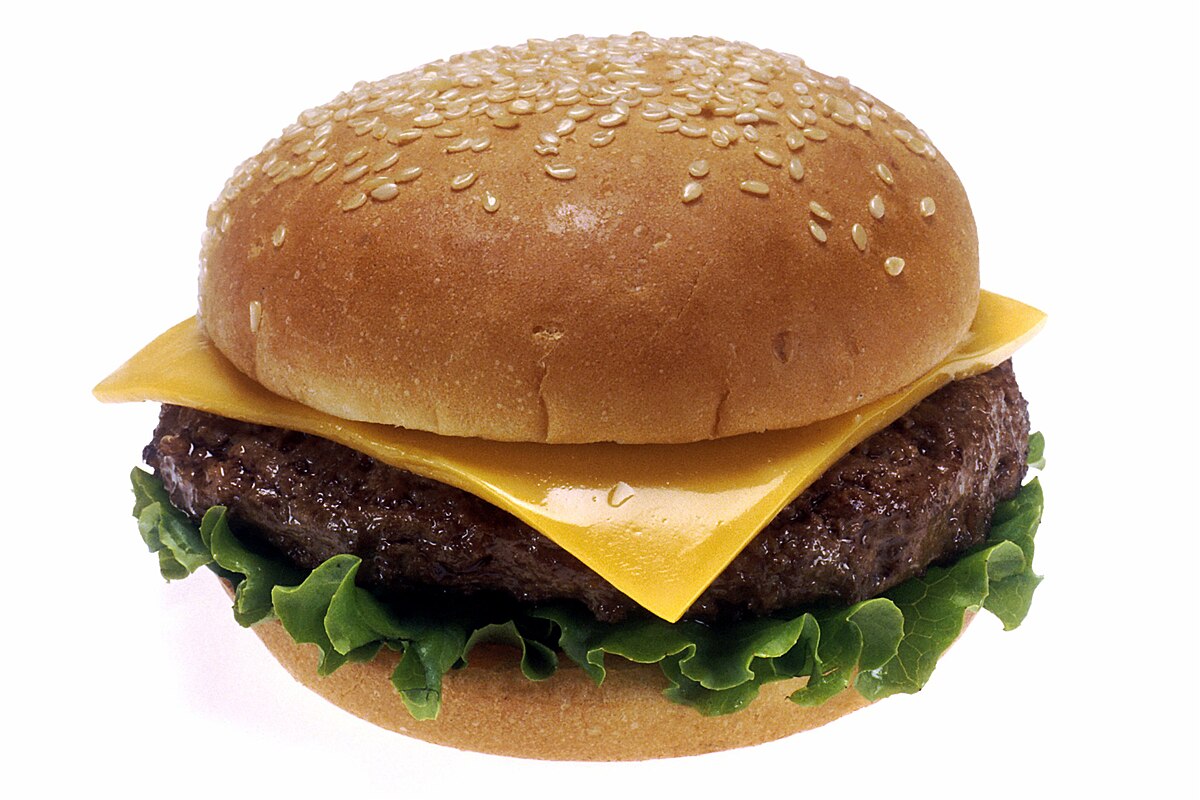
Modern convenience food took off in the United States directly after World War II, fueled by manufacturing methods originally invented for soldier rations. Wartime research prioritized long shelf life and fast battlefield prep, leaving food companies with empty industrial factories once the war ended. These businesses adapted their equipment to invent civilian products like fish sticks and freeze-dried meals, alongside notorious flops like ham sticks and canned cheeseburgers.
Earlier industrial shifts laid the groundwork for this explosion. Before the 1850s, a skilled tinsmith had to handcraft every food can; new can-making machines suddenly allowed a single unskilled worker to produce 15 times as many cans per day. In 1878, the invention of refrigerated rail cars meant meatpacking operations could slaughter animals and ship meat thousands of miles directly to population centers.
Traditional baking requires time, skilled labor, and precise temperature management while yeast slowly ferments and proofs dough. Packaged baking mixes bypass this process entirely by swapping biological yeast for chemical leavening agents like baking powder. This chemical shortcut yields quick breads, cake mixes, and brownie batters that rise reliably within minutes in any home oven.
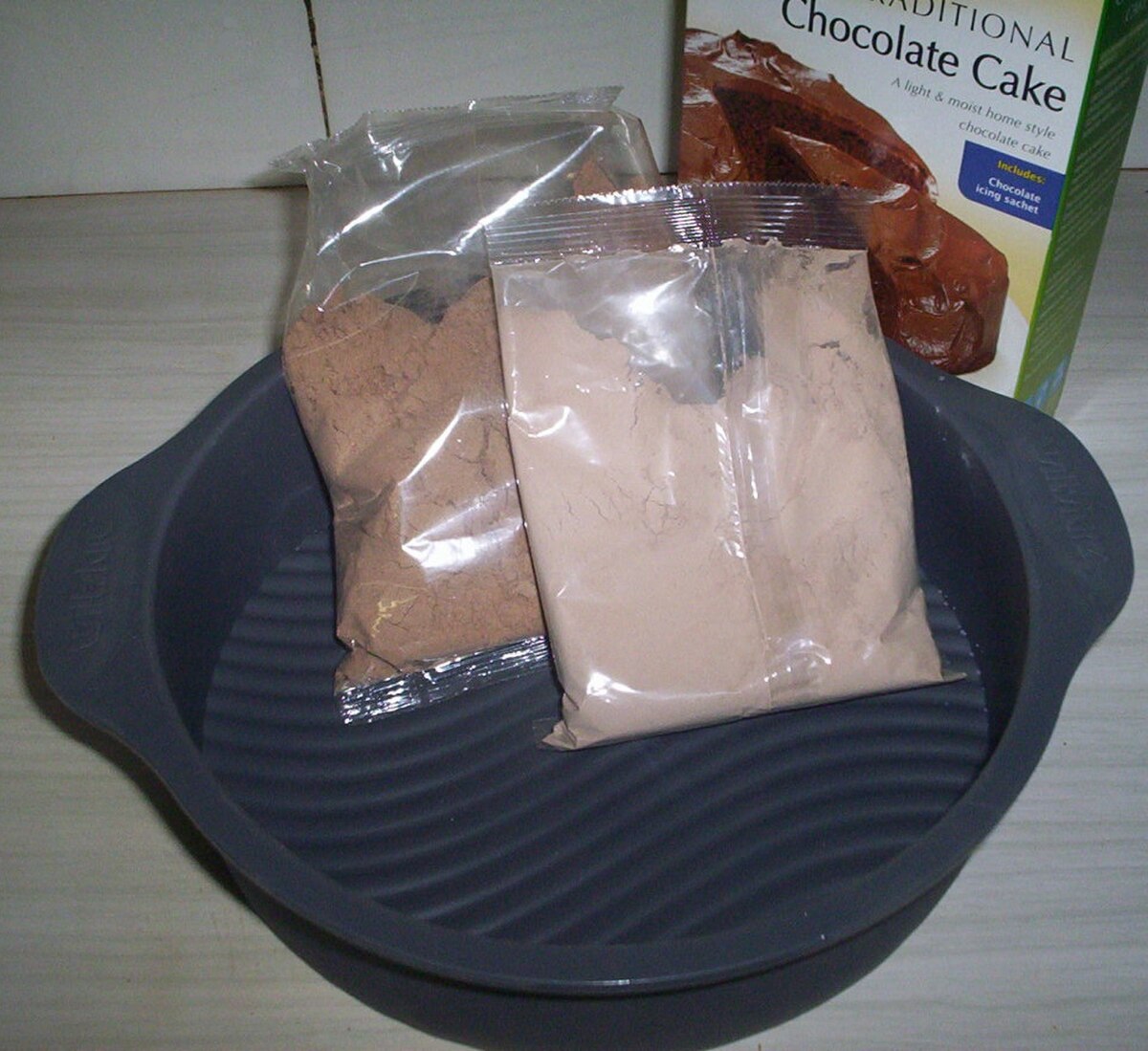
Beyond dry baking powders, prepared mixes include items like boxed macaroni and cheese or gravy powders. These dry formulations allow extended storage at room temperature, though some carry high amounts of saturated fat.
Convenience food is not strictly a modern Western invention. In Central Mexico, ancient Aztec travelers carried pinolli, a ground and dried cornmeal that turned into a meal simply by adding water. In Japan, portable rice balls known as onigiri date back thousands of years and appeared in Heian period literature, alongside modern items like instant ramen and packaged tofu.
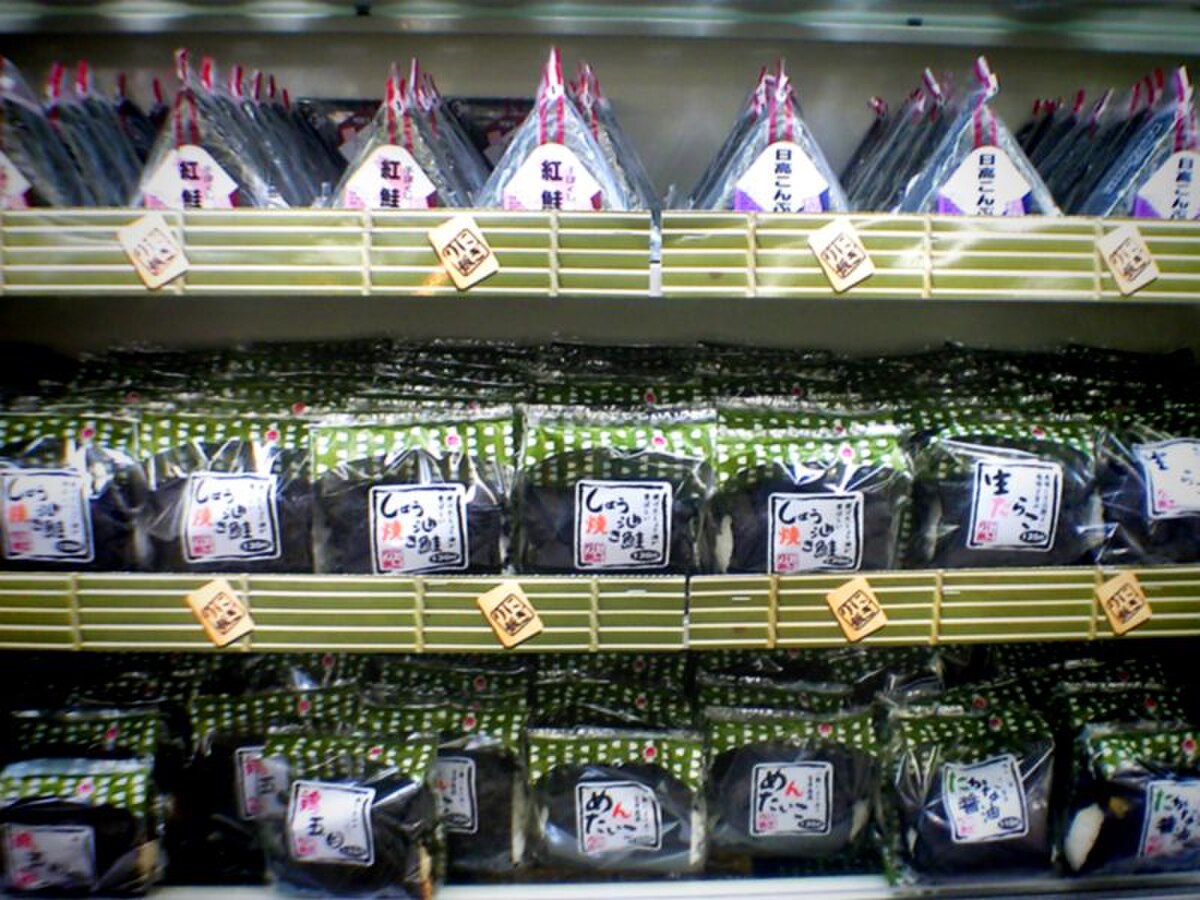
Other countries have developed their own distinct fast staples. In the Republic of Ireland, the breakfast roll became a cultural symbol of the Celtic Tiger economic boom among busy workers. In the Philippines, local convenience stores stock ready-to-eat packages of traditional dishes such as adobo, sisig, and caldereta.
What makes flash-freezing superior to slow-freezing for preserving food texture?
It prevents large ice crystals from forming. Flash-freezing prevents the formation of large ice crystals that otherwise puncture and destroy cellular walls, keeping food structure intact.
Did Clarence Birdseye improve frozen food primarily by lowering storage temperatures?
False. Birdseye's success came from flash-freezing to prevent large ice crystals from forming, not just by keeping food colder. Storage temperature is secondary to the rate of initial freezing in preserving food structure.
Collectible card
Play the lesson in edgi and the card is yours. It lands on your Map next to the ideas it connects to, and turns from matte to foil to gold as you learn more around it.
Both save time compared to scratch cooking and both cost more money per serving. The main operational difference is that restaurant food is served fully cooked and ready to consume immediately, whereas convenience food usually requires rudimentary home preparation, such as microwave heating or boiling water.
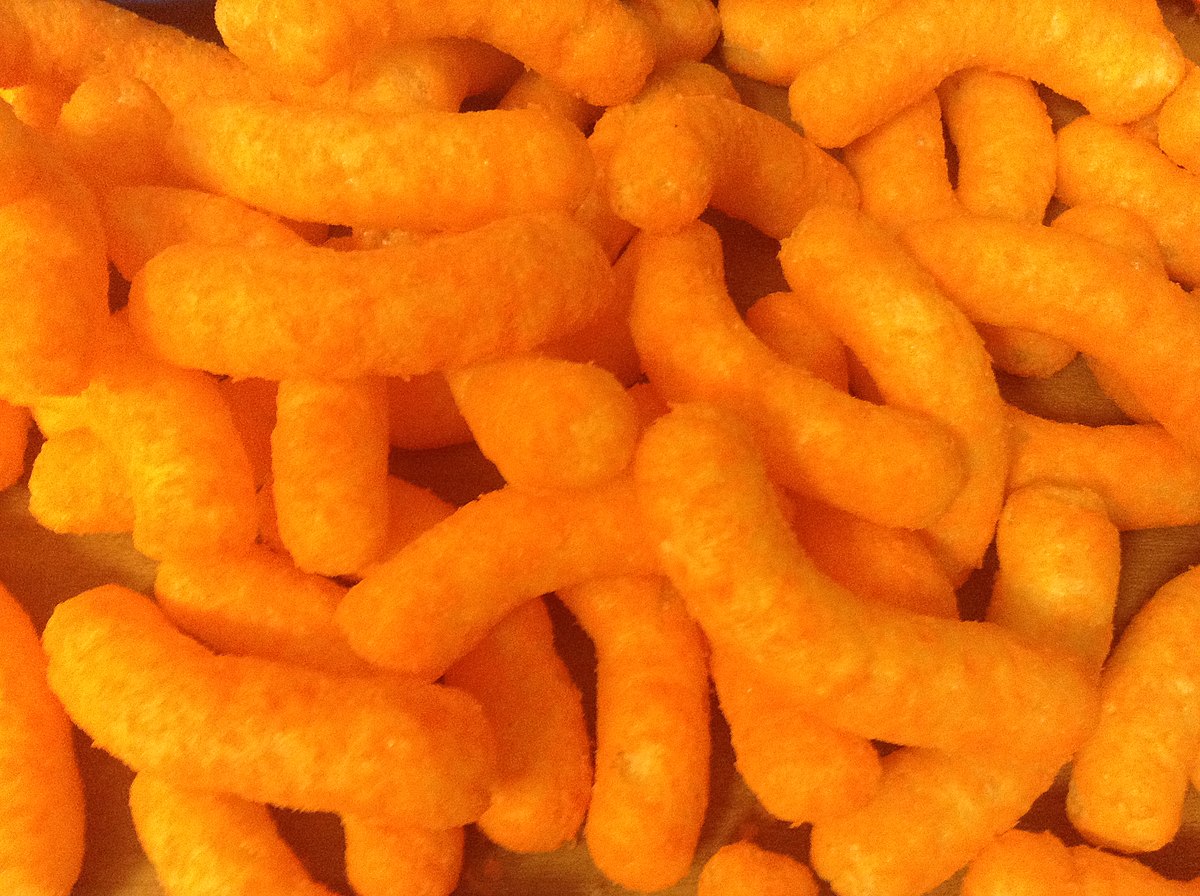
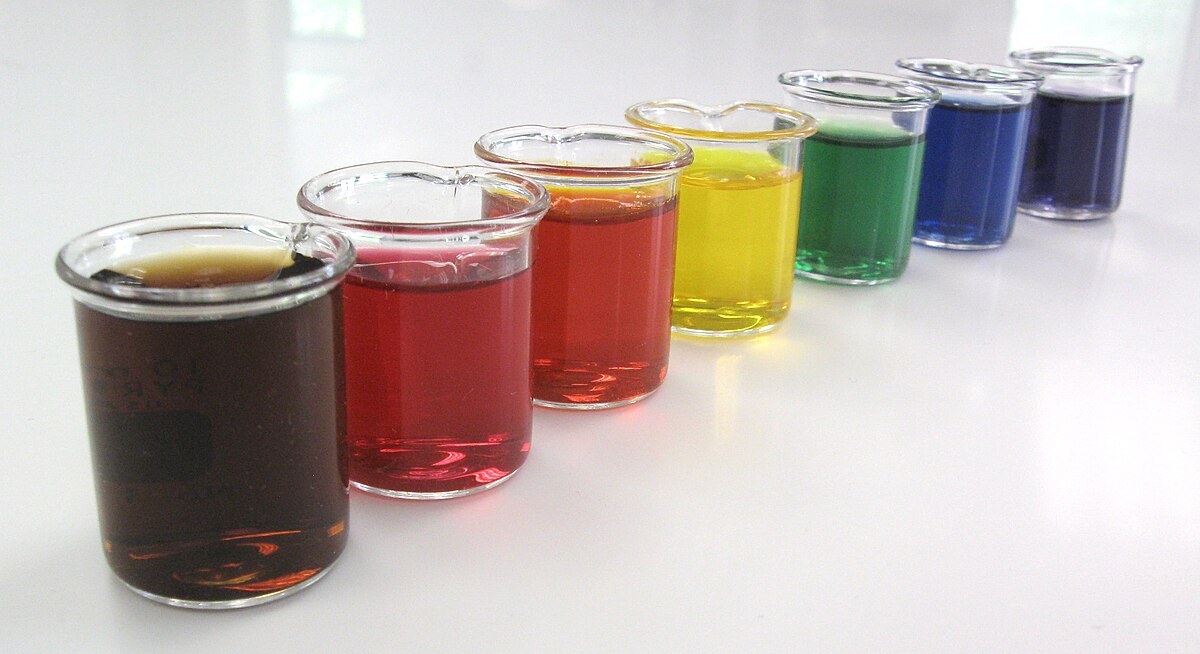
Many modern convenience products undergo extensive industrial formulation with added salts, preservatives, artificial flavorings, and colorings. Food scientists classify these tertiary processed products as ultra-processed foods and link heavy consumption of them to negative health outcomes.
As public demand shifted toward whole, fresh, and organic foods, major packaged brands suffered reputational damage. Packaged food companies responded by acquiring organic brands with better consumer trust and reformulating their products with healthier ingredient profiles.
Part of the Set · 7 cards
Engineered to be impossible to stop eating.
Lesson complete
You finished the lesson. In edgi, the card goes on your Map next to everything else you learn.