Food processingTurning ugly surplus into staple meals
Food processing is the transformation of raw agricultural products into edible food, or of one form of food into another. It ranges from basic ancient steps like milling grain to complex industrial chemistry used to create convenience meals. These methods reduce food waste, extend shelf life, and improve food security by converting perishable harvests into standardized food.
By the edgi team We find the most surprising true thing about an idea and build a 60-second lesson around it.
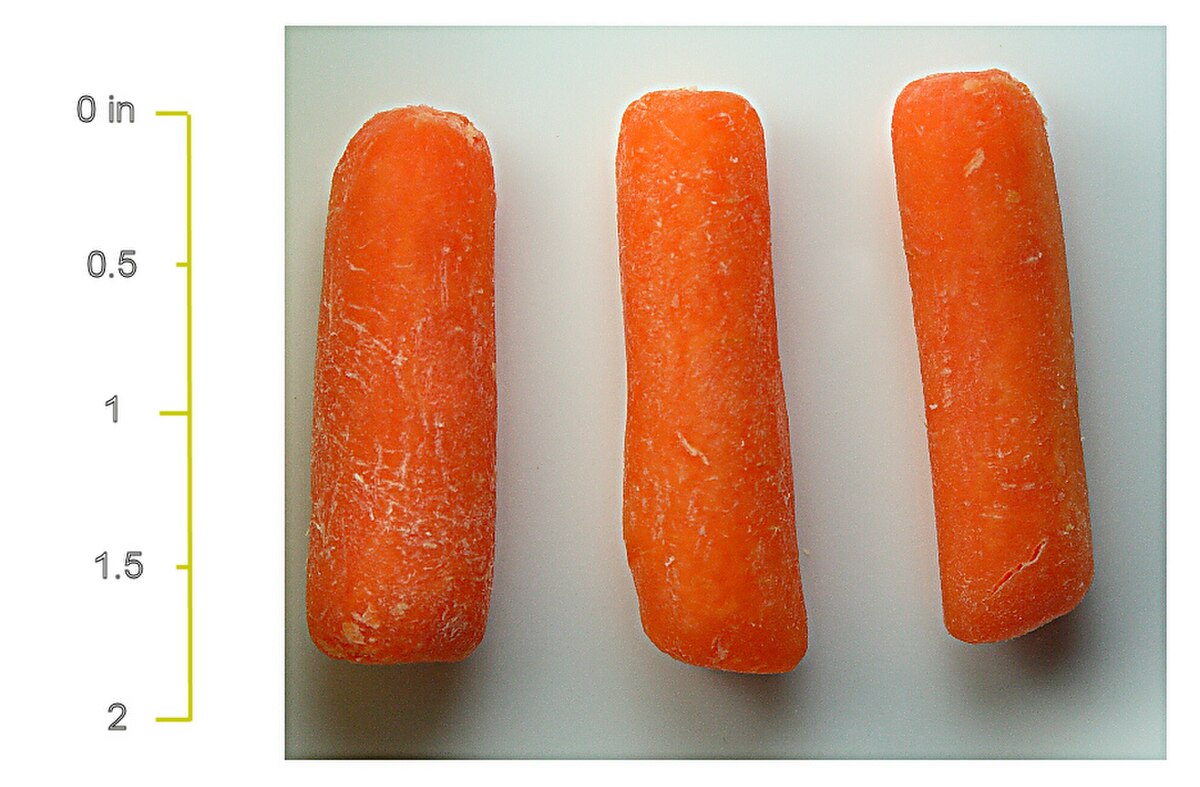
The baby carrot in your lunchbox isn't a young vegetable. It is a full-grown, misshapen carrot whittled down by a machine. In 1986, farmer Mike Yurosek was sick of throwing away tons of ugly carrots that didn't meet retail standards.
Three baby-cut carrots are arranged horizontally on a white surface, with a vertical ruler on the left indicating measurements in inches from 0 to 2. User Sanjay ach on en.wikipedia, CC BY-SA 3.0, via Wikimedia Commons
He used a potato peeler and bean cutter to carve them into two-inch nubs. They sold out instantly.
Why we process
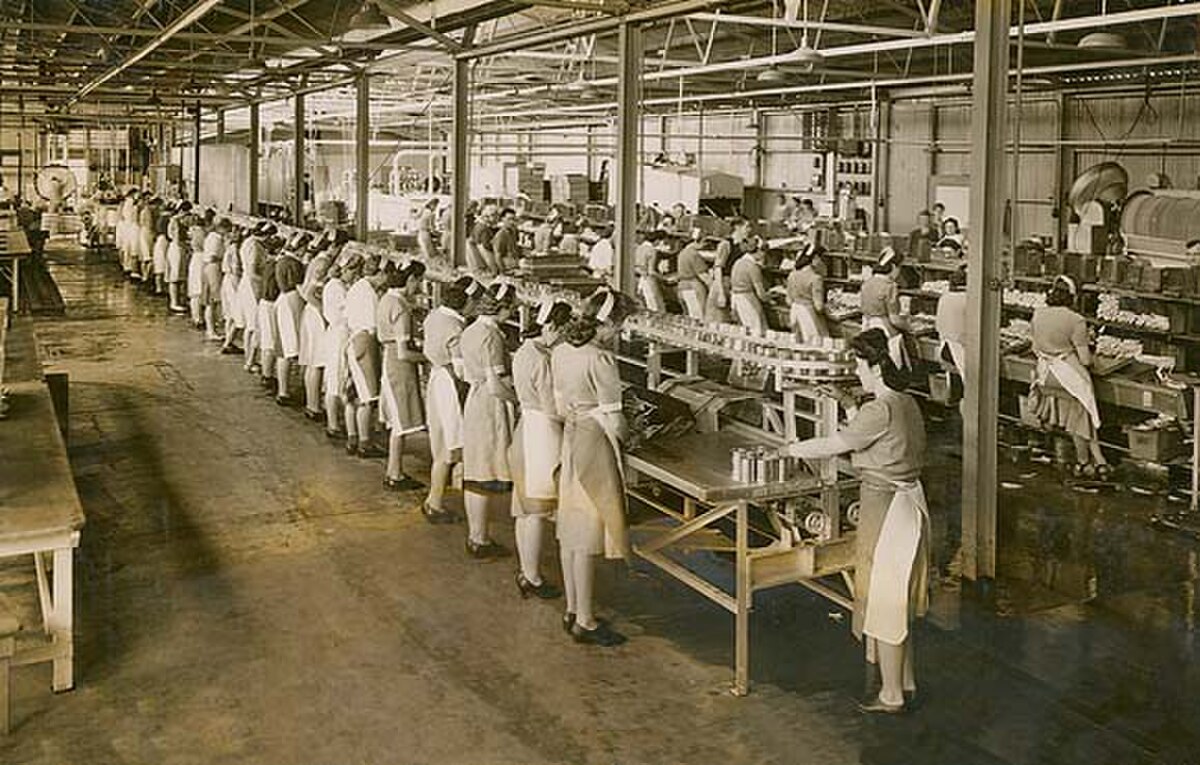
This is the logic of industrial food processing: turning raw, variable agricultural surplus into a standardized, convenient, and profitable product. It is less about traditional cooking and more about applying engineering principles to biology.
Black and white photograph showing a long line of women working in a cannery, processing food on an assembly line. Photographic Collection, CC BY 2.0, via Wikimedia Commons
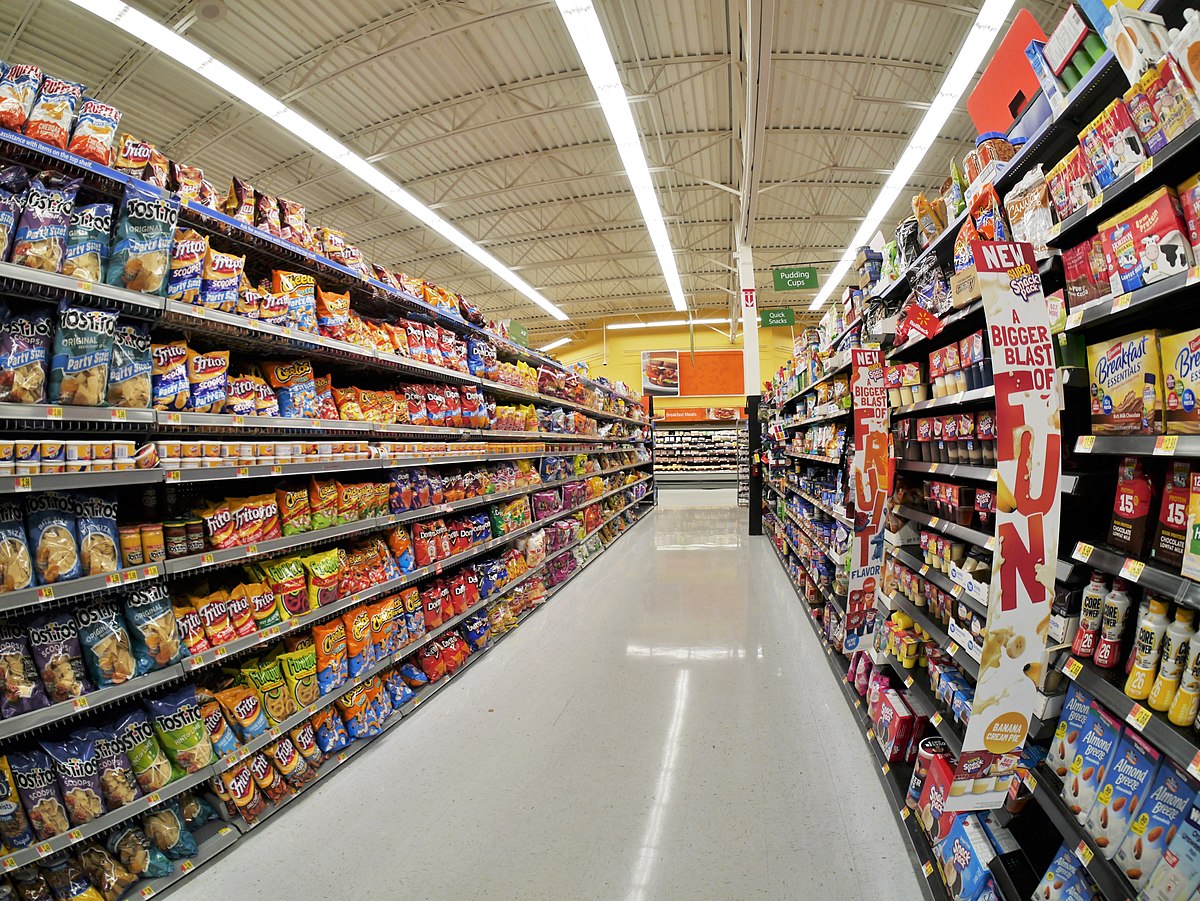
The modern supermarket
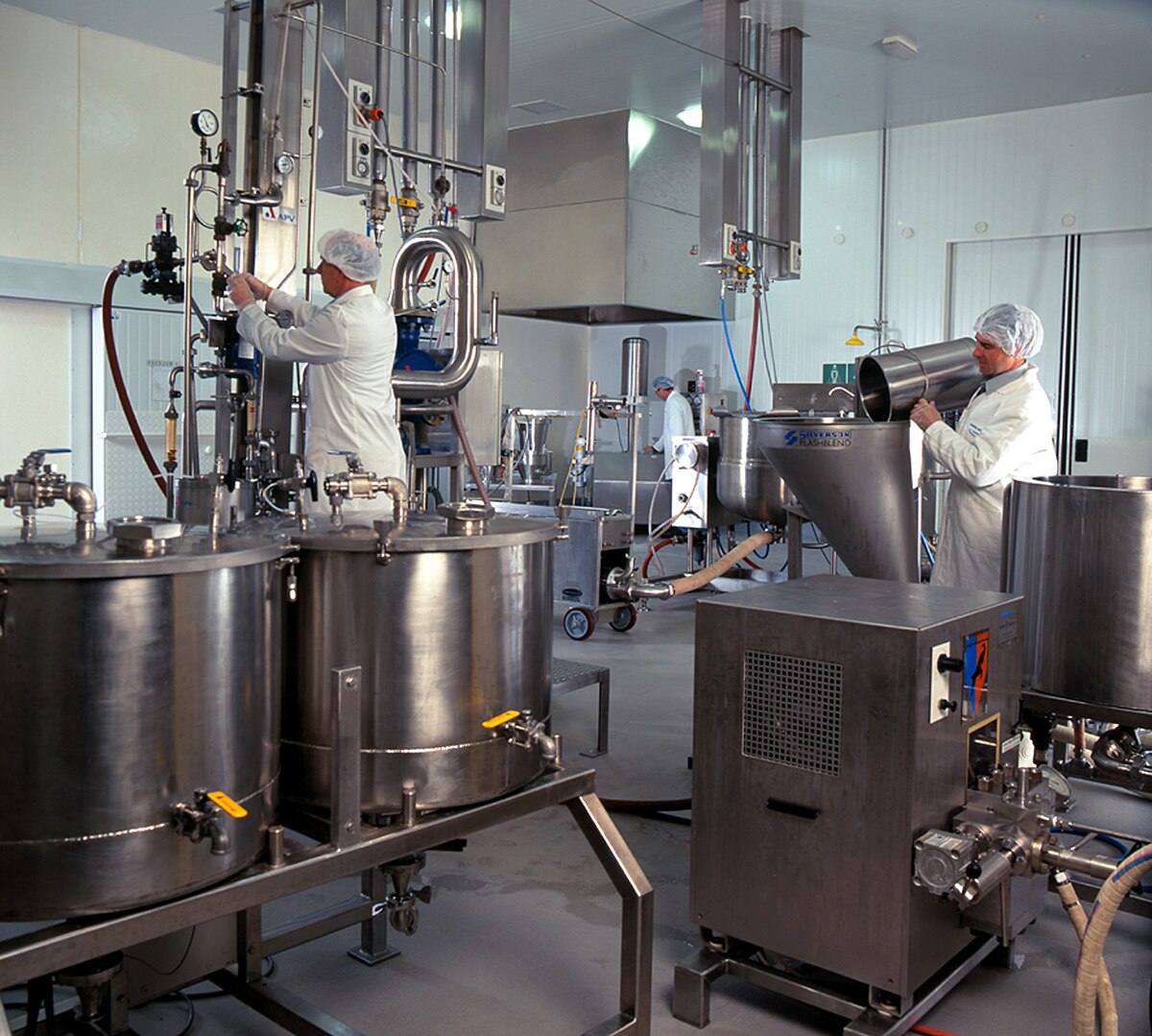
Modern techniques allow us to deconstruct ingredients and rebuild them into new textures. From Impossible Foods to plant-based milk, the supermarket is less a farm stand and more an exhibition of food engineering.
Two food scientists in white lab coats and hairnets work in a laboratory in Australia, surrounded by large stainless steel processing equipment. Food Science Australia, CSIRO, CC BY 3.0, via Wikimedia Commons
The three stages of processing
Primary food processing turns raw harvests into edible basics through steps like threshing grain, deboning meat, pasteurizing milk, and drying fruit. These basic treatments make food safe to eat and prevent rapid spoilage.
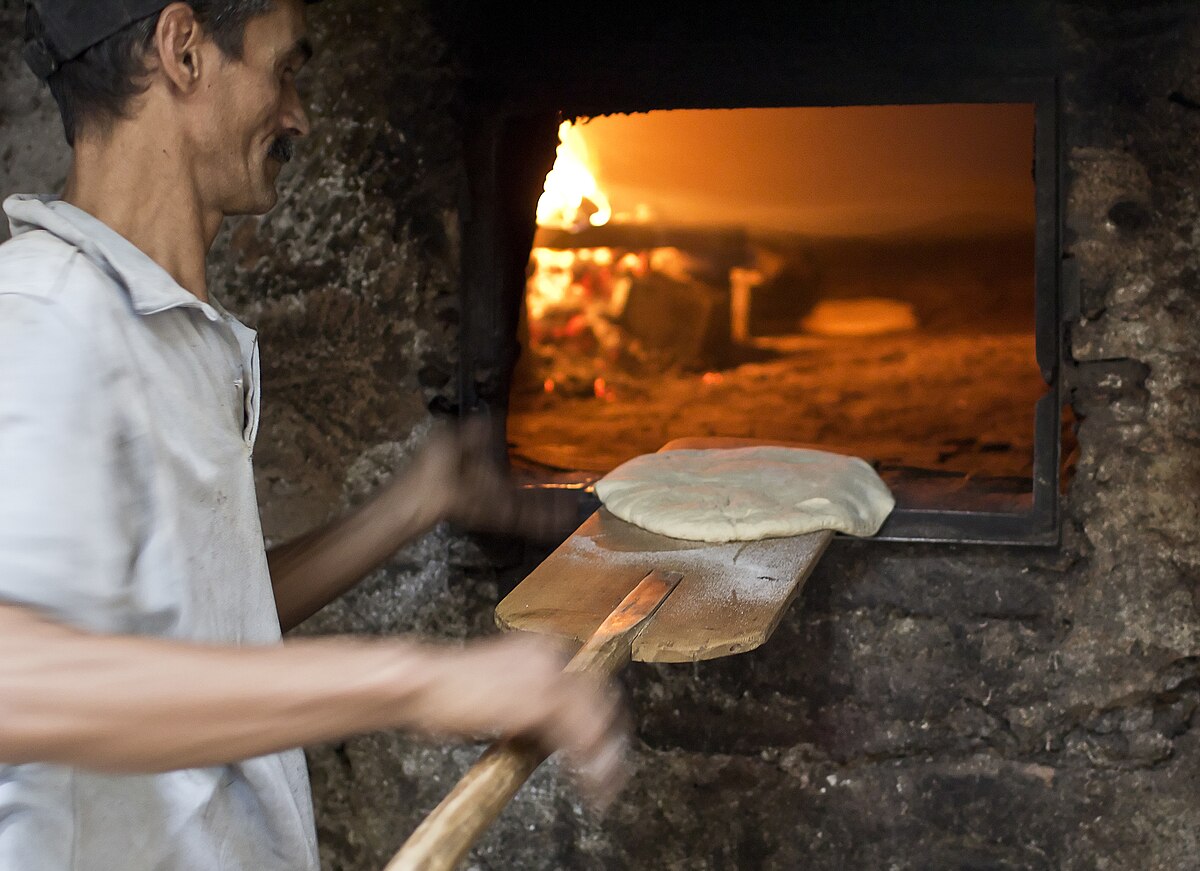
Baking bread is an everyday example of secondary food processing that turns primary ingredients into ready-to-eat food. travelwayoflife, CC BY-SA 2.0, via Wikimedia Commons
Secondary food processing combines prepared ingredients into recognizable food through traditional cooking, fermenting, and baking. Making bread, grinding meat into sausages, and brewing beer all belong to this secondary stage.
Tertiary processing creates manufactured convenience foods by combining multiple ingredients into fabricated products. Frozen dinners and ready-to-eat meals fit into this category, which public health experts often classify as ultra-processed foods.
The engineering behind food transformation
Food processing relies on food engineering principles divided into unit operations and unit processes. Unit operations create physical changes governed by mass and heat transfer, including mixing, separating, and crystallization.
Drying fruit is a traditional primary unit operation that removes moisture to preserve raw harvests. Kborland, CC BY-SA 3.0, via Wikimedia Commons
Unit processes combine these physical movements with chemical and biochemical reactions. A heat treatment might be designed for physical modification, but it simultaneously causes biochemical side effects such as the loss of vitamin C.
To manage hazards in industrial facilities, commercial processors rely on formal safety frameworks like hazard analysis and critical control points (HACCP) and failure mode and effects analysis (FMEA).
Test yourself
Food processing mainly transforms crops in what way?
It engineers variable crops into standardized products. Industrial food processing can reshape irregular agricultural products into consistent forms; it goes beyond cooking or preservation alone.
Which best describes the primary economic goal of modern industrial food processing?
Standardizing variable raw crops. Processing turns irregular agricultural surplus into uniform products for profit. It focuses on engineering and convenience rather than nutritional enhancement.
Primary food processing turns raw agricultural products into ingredients that are often edible but need more preparation.
True. Activities like harvesting, threshing, and milling wheat into flour are classic examples of primary processing.
Play the lesson in edgi and the card is yours. It lands on your Map next to the ideas it connects to, and turns from matte to foil to gold as you learn more around it.
The Nova classification is a system that groups foods by their processing level, focusing on the link between ultra-processed products and health issues like obesity. Critics point out that Nova often categorizes foods by their ingredients and additives rather than strictly by the physical engineering operations used to make them.
Why is tertiary food processing criticized?
Tertiary processing produces ultra-processed foods that frequently contain high amounts of salt and sugar with very little dietary fiber. Public health researchers link the overconsumption of these fabricated items to obesity and noncommunicable diseases.
How does food processing reduce agricultural waste?
Processing methods preserve perishable crops through drying, canning, and freezing before they spoil. Industrial cutting and milling also convert irregularly shaped or surplus harvests into standardized commercial food products.