Food Additives: How Taste Got Decoupled From Nutrition
A food additive is any substance added to food to preserve it or enhance its flavor, appearance, or texture. Some traditional additives like salt and vinegar have preserved food for centuries, while modern chemistry introduced specialized compounds to mimic flavors or alter physical consistency. Today, additives allow processed foods to deliver intense sensory signals like sweetness or savoriness independently of their nutritional content.
By the edgi team We find the most surprising true thing about an idea and build a 60-second lesson around it.
In 1908, a Japanese chemist named Kikunae Ikeda noticed his dashi broth had a savory quality that wasn't salty, sweet, sour, or bitter. He isolated the molecule responsible: glutamate.
He patented it as a seasoning, and in doing so, he accidentally triggered a global revolution in food science.
Hacking the tongue
Today, this is the foundation of the food additive industry. Agents like Monosodium glutamate don't just add flavor; they act as chemical signals that tell your brain a protein-rich meal is present.
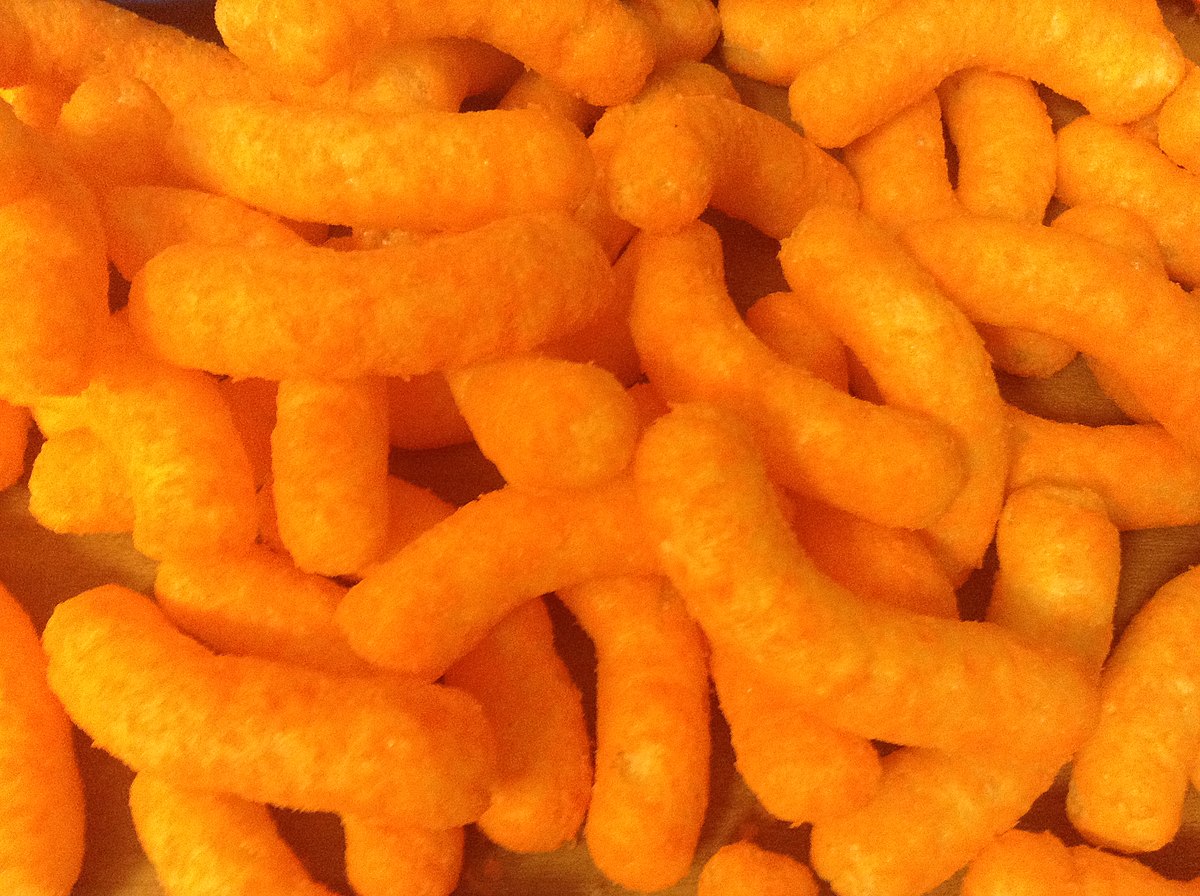
Your tongue is essentially being hacked. Manufacturers use these tools to turn cheap, shelf-stable starches into addictive, lab-perfected experiences.
The disconnect
By the 1970s, chemistry allowed us to mimic butter with Diacetyl and sugar with Saccharin. Suddenly, taste was decoupled from nutrition.
We now live in a world where natural, whole foods often taste bland because our palates have been calibrated to the high-intensity signals of engineered snacks.
What do food additives do?
Food additives serve distinct functional roles across manufacturing and storage. Preservatives like antioxidants (such as vitamin C) prevent oxygen breakdown, while others inhibit spoilage caused by bacteria and fungi. Acidulants like citric acid and malic acid provide a sour taste, humectants stop foods from drying out, and anticaking agents prevent powders like milk powder from clumping.
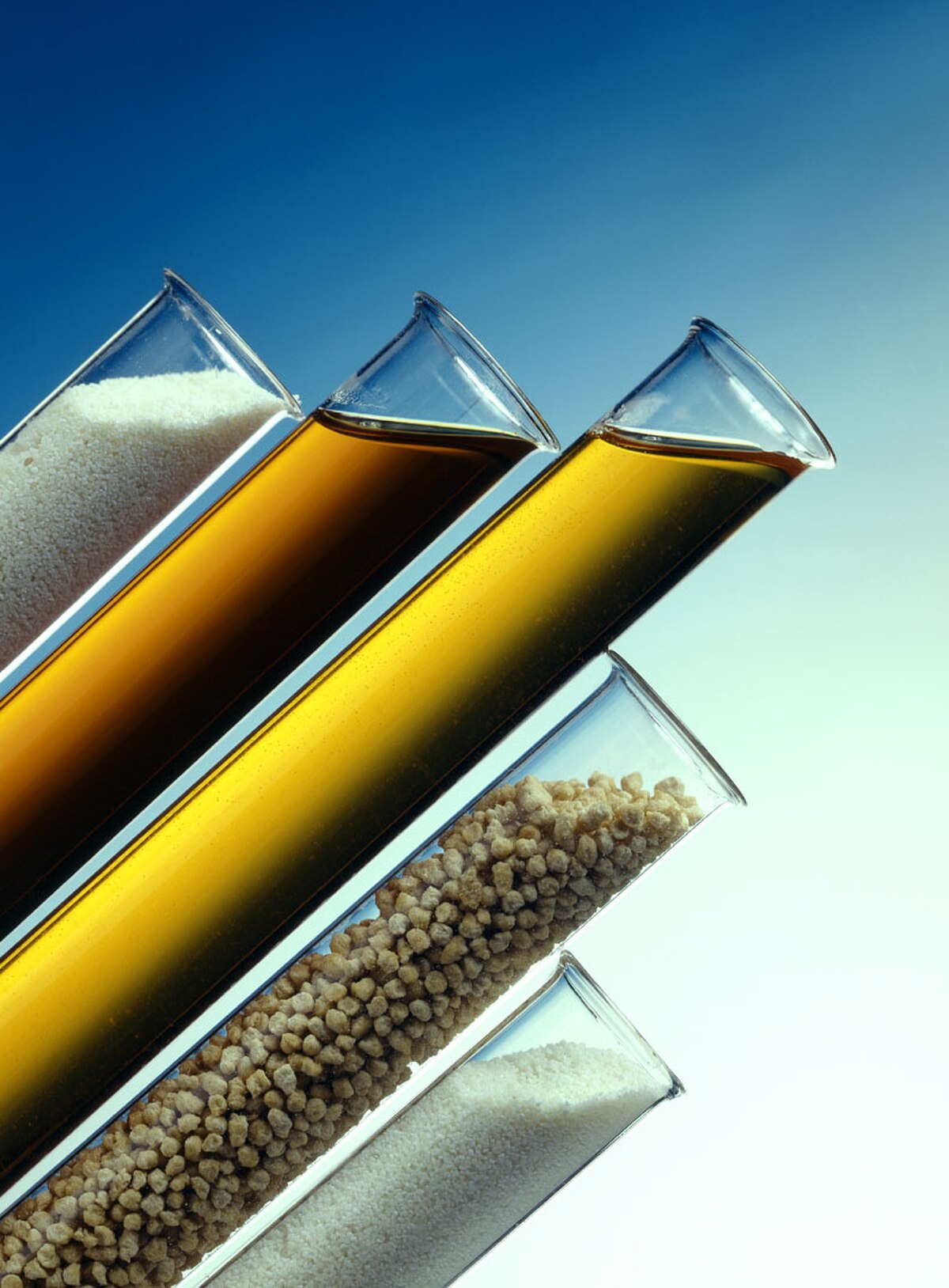
Lecithin comes in powder, granular, and liquid forms to help oil and water stay blended as an emulsifier. Helge Höpfner, CC BY-SA 3.0, via Wikimedia Commons
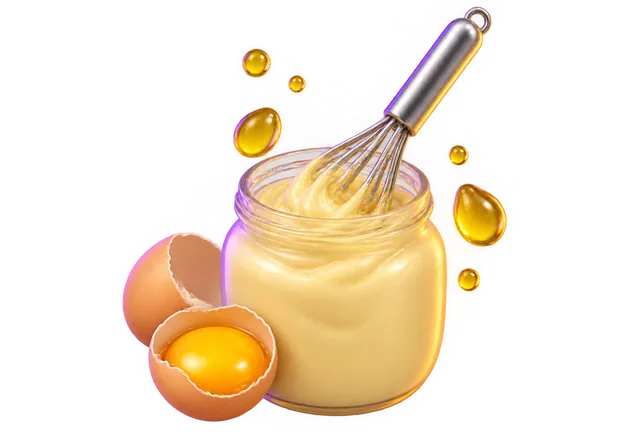
Texture and appearance rely on physical modifiers. Emulsifiers allow water and oils to stay blended in products like mayonnaise, ice cream, and homogenized milk, while stabilizers like pectin give jams a firmer gel. Bulk agents such as starch add volume without altering taste, and glazing agents apply a shiny protective coating to outer surfaces.
Flavor enhancers and sweeteners change taste profiles directly. Monosodium glutamate acts as a flavor enhancer by signaling savory protein taste to the brain, whereas alternative sweeteners replace sugar to reduce caloric content. Chemical flavorings can be synthesized or extracted to mimic specific tastes such as butter using diacetyl.
How are additives identified and regulated?
In Europe and internationally, approved additives receive designated numeric codes. Europe uses E numbers such as E260 for acetic acid. Countries outside Europe, including Australia, adopt the same numbering system through the International Numbering System (INS) but omit the 'E' prefix. Certain substances have localized approval: alkannin (additive 103) is approved in Australia and New Zealand but lacks an E number because Europe does not permit it.
In the United States, the Food and Drug Administration (FDA) catalogs approved additives under federal regulations and designates safe quantities as Generally Recognized as Safe (GRAS). Food safety laws have evolved through strict standards like the Delaney clause of 1938, which prohibited carcinogenic substances in food.
Safety determinations occasionally change with scientific research. Boric acid was widely used as a preservative from the 1870s until toxicity studies prompted bans after World War I, only to see temporary reuse in World War II before a final 1950s ban. Saccharin faced bans under the Delaney clause after causing cancer in laboratory rats, though researchers determined in 2000 that the mechanism was specific to rat urine chemistry.
Play the lesson in edgi and the card is yours. It lands on your Map next to the ideas it connects to, and turns from matte to foil to gold as you learn more around it.
Indirect additives are substances not added intentionally to food, but introduced during packaging, storage, or transport. Examples include bisphenols, phthalates, and perfluoroalkyl chemicals (PFCs) from manufacturing materials.
Are food flavorings classified as food additives in Europe?
In European regulation, flavorings are not considered food additives and do not receive E numbers, even though they are added to impart taste or smell.