Food & cooking
16 ideas, each explained on one page with a 60-second lesson you can play right there.
-

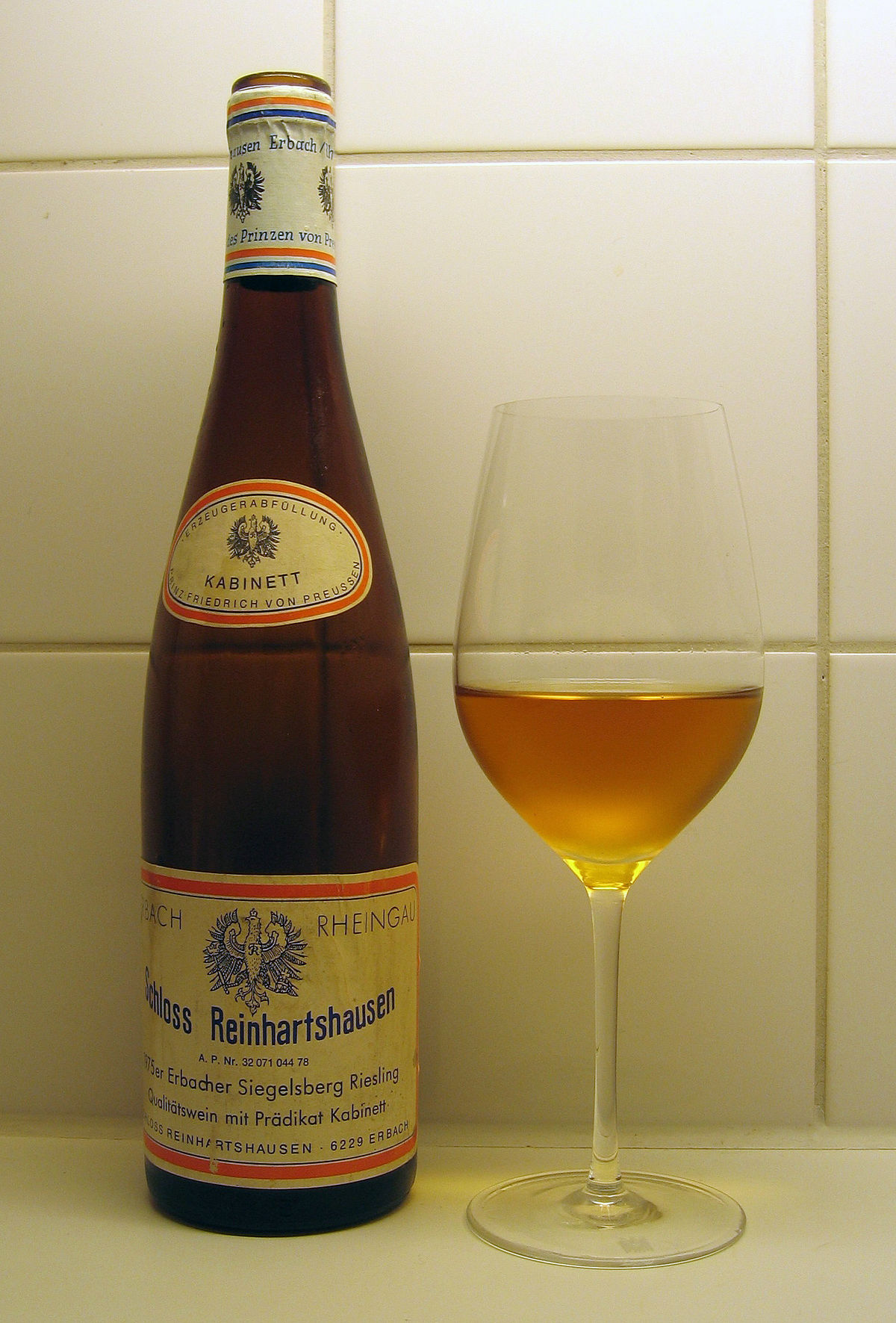 Acids in wine
Wine contains organic acids like tartaric and malic that shape its taste, protect it from bacteria, and can form harmless crystals on the cork.
Acids in wine
Wine contains organic acids like tartaric and malic that shape its taste, protect it from bacteria, and can form harmless crystals on the cork.
-
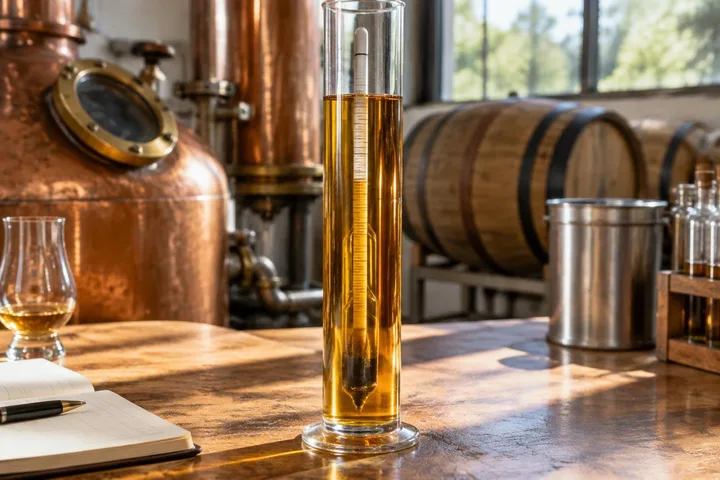 Alcohol by volume
 measures the ethanol in a beverage, defined by pure ethanol volume over total solution volume at 20 °C.
Alcohol by volume
Alcohol by volume measures the ethanol in a beverage, defined by pure ethanol volume over total solution volume at 20 °C.
-
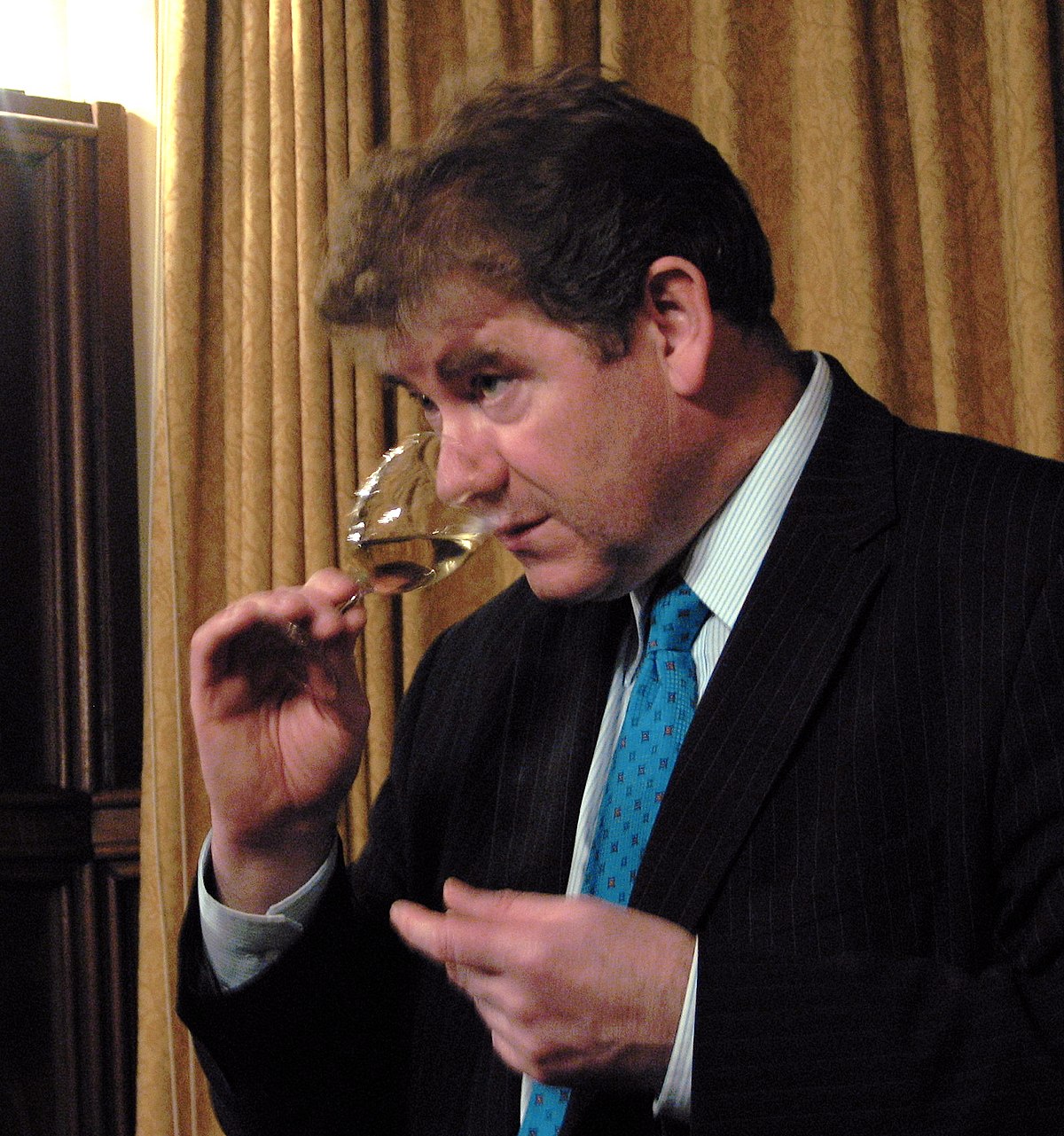 Aroma of wine
Wine flavor is mostly smell sensed by the olfactory bulb, originating from odorless grape compounds unlocked by fermentation and aging.
Aroma of wine
Wine flavor is mostly smell sensed by the olfactory bulb, originating from odorless grape compounds unlocked by fermentation and aging.
-
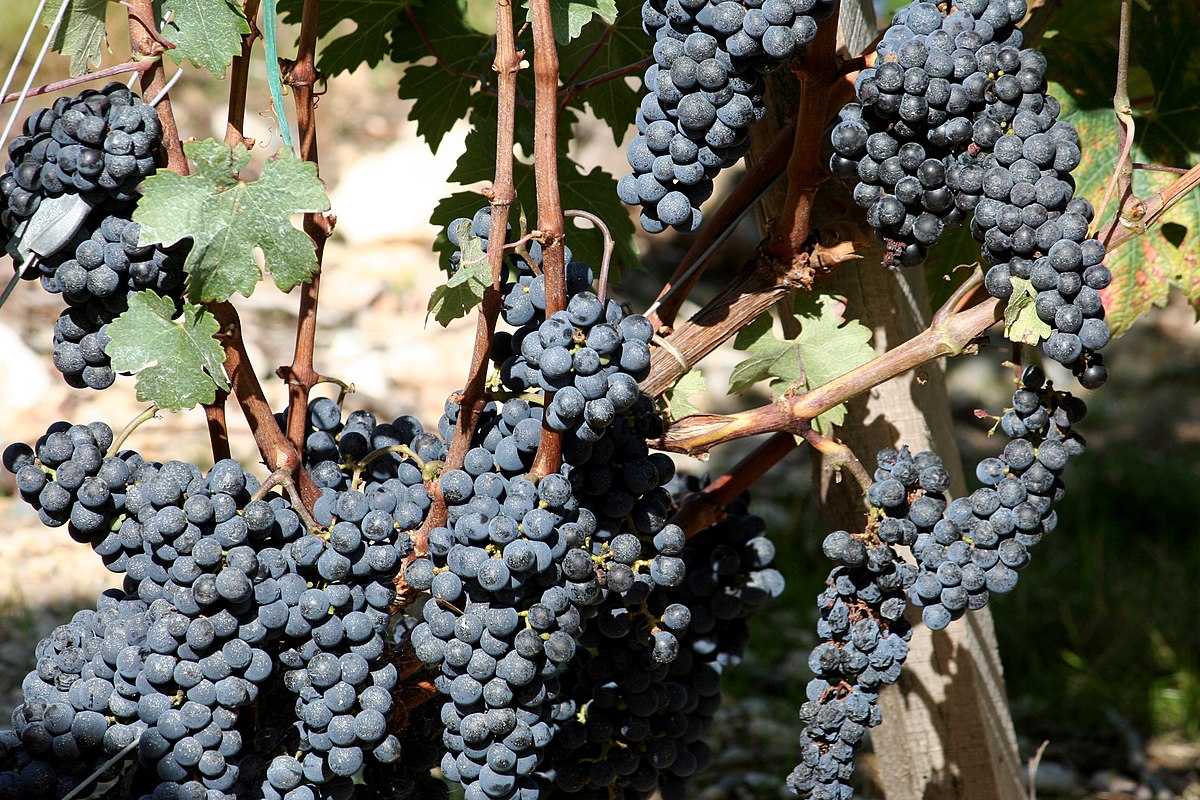 Cabernet Sauvignon
 is a hardy, thick-skinned red wine grape created by a chance seventeenth-century crossing of Cabernet franc and Sauvignon blanc.
Cabernet Sauvignon
Cabernet Sauvignon is a hardy, thick-skinned red wine grape created by a chance seventeenth-century crossing of Cabernet franc and Sauvignon blanc.
-
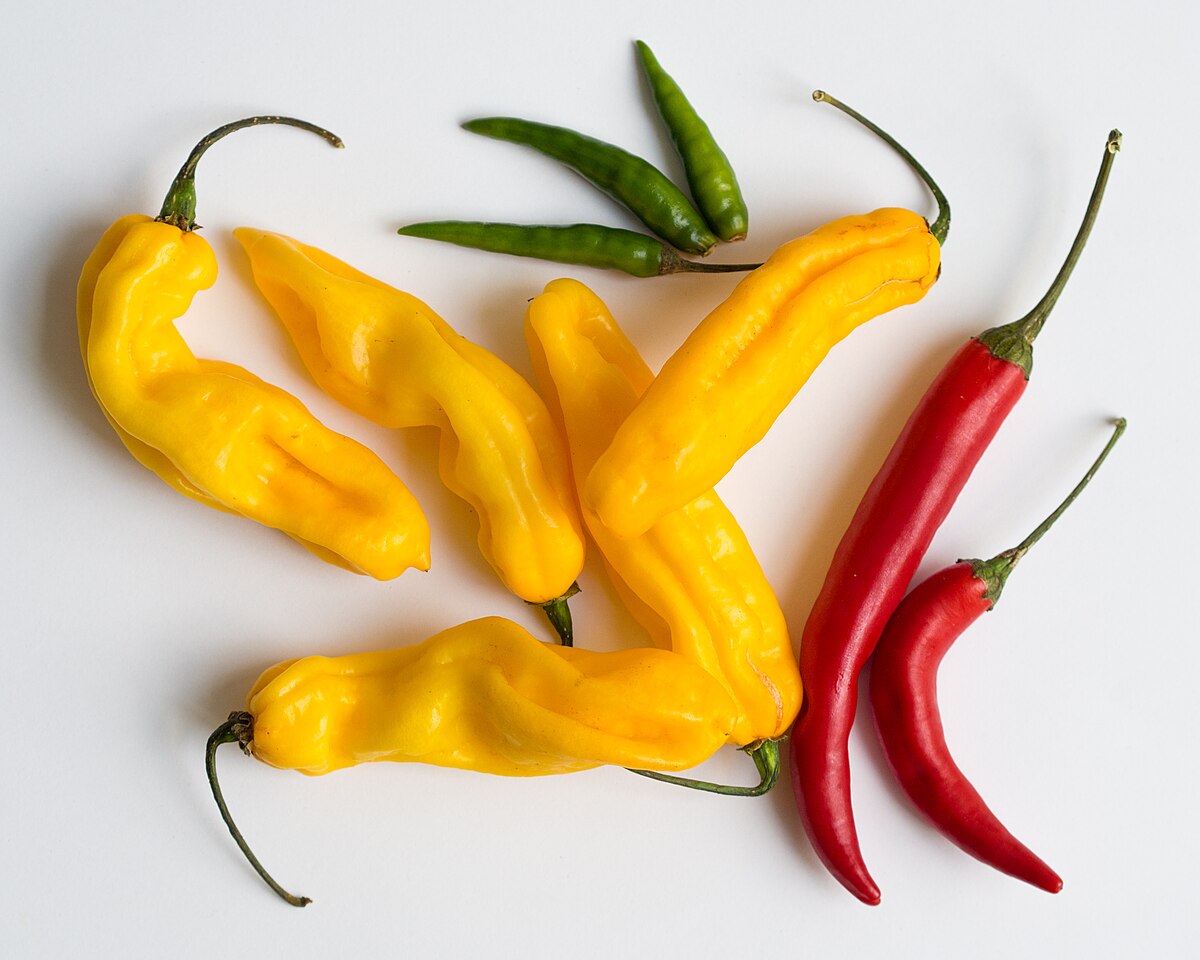 Capsaicin
 is the chemical compound that gives chili peppers their heat by triggering heat receptors in mammals while leaving birds unaffected.
Capsaicin
Capsaicin is the chemical compound that gives chili peppers their heat by triggering heat receptors in mammals while leaving birds unaffected.
-
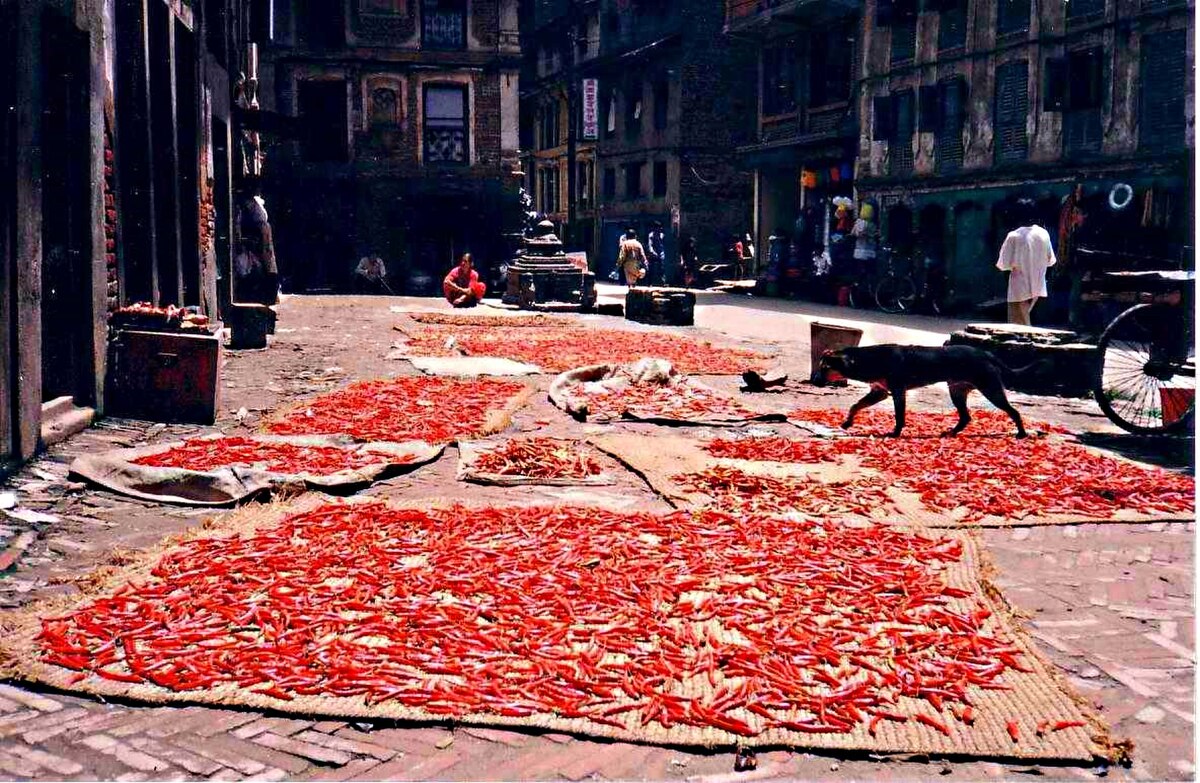 Chili Peppers
Chili peppers are the berry fruits of plants in the genus Capsicum, part of the nightshade family.
Chili Peppers
Chili peppers are the berry fruits of plants in the genus Capsicum, part of the nightshade family.
-
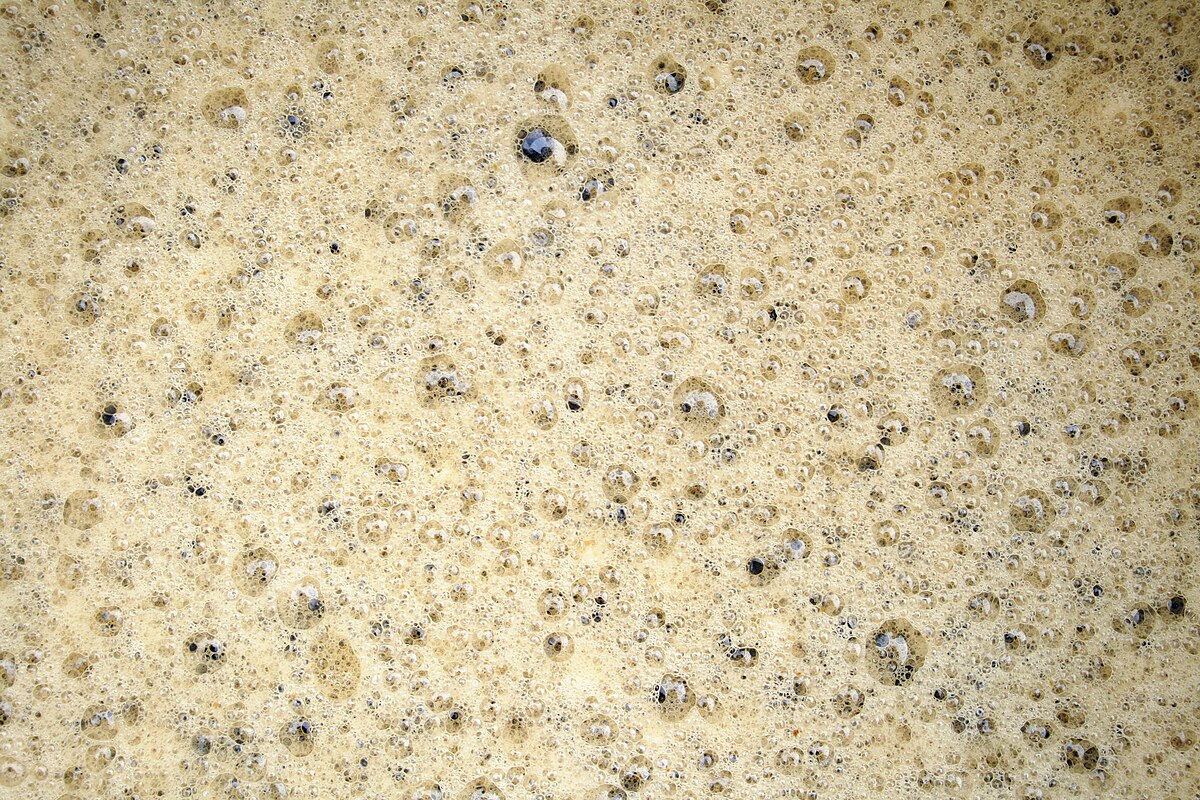 Fermentation
 is a chemical process where cells break down sugars to make energy without using oxygen.
Fermentation
Fermentation is a chemical process where cells break down sugars to make energy without using oxygen.
-
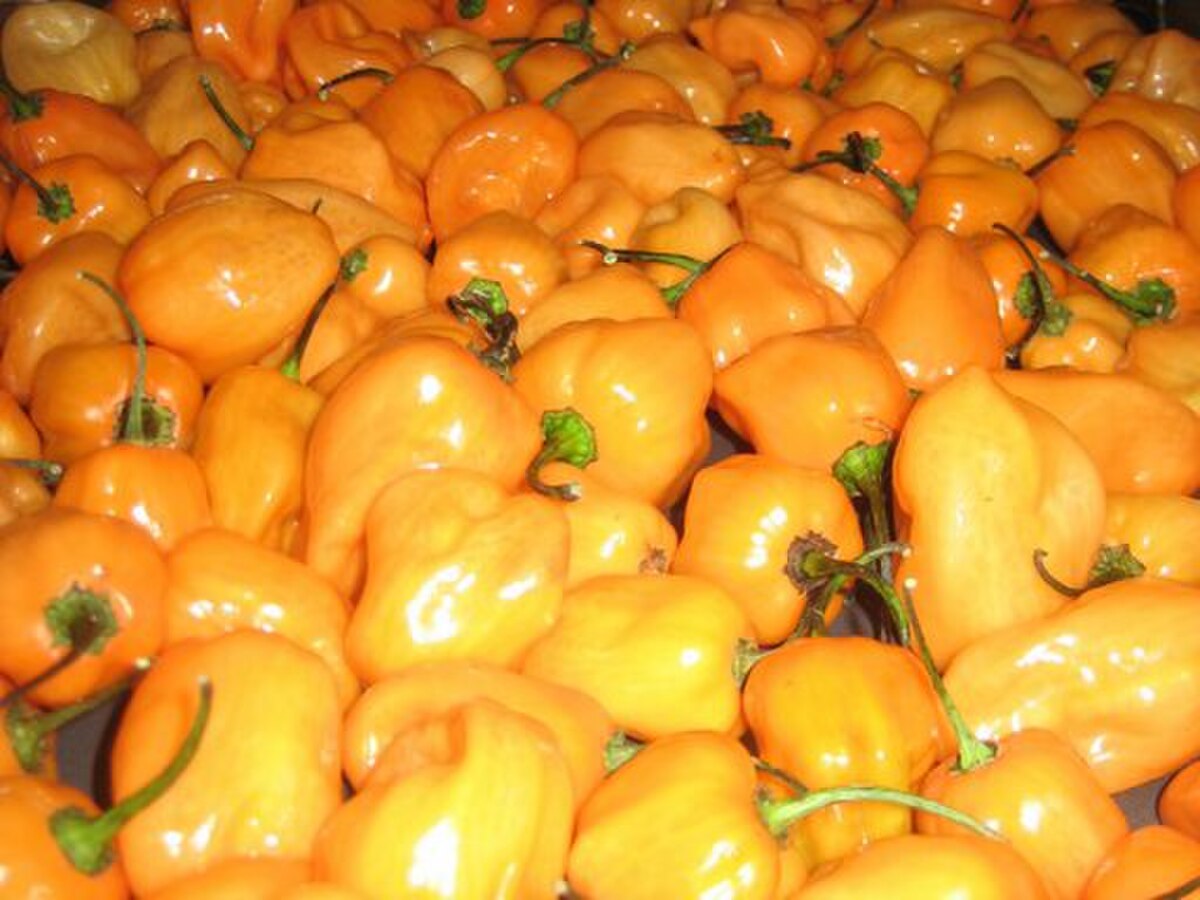 Habanero
Learn what the habanero pepper is, how capsaicin defends its seeds, where it originated, and how its heat works on the Scoville scale.
Habanero
Learn what the habanero pepper is, how capsaicin defends its seeds, where it originated, and how its heat works on the Scoville scale.
-
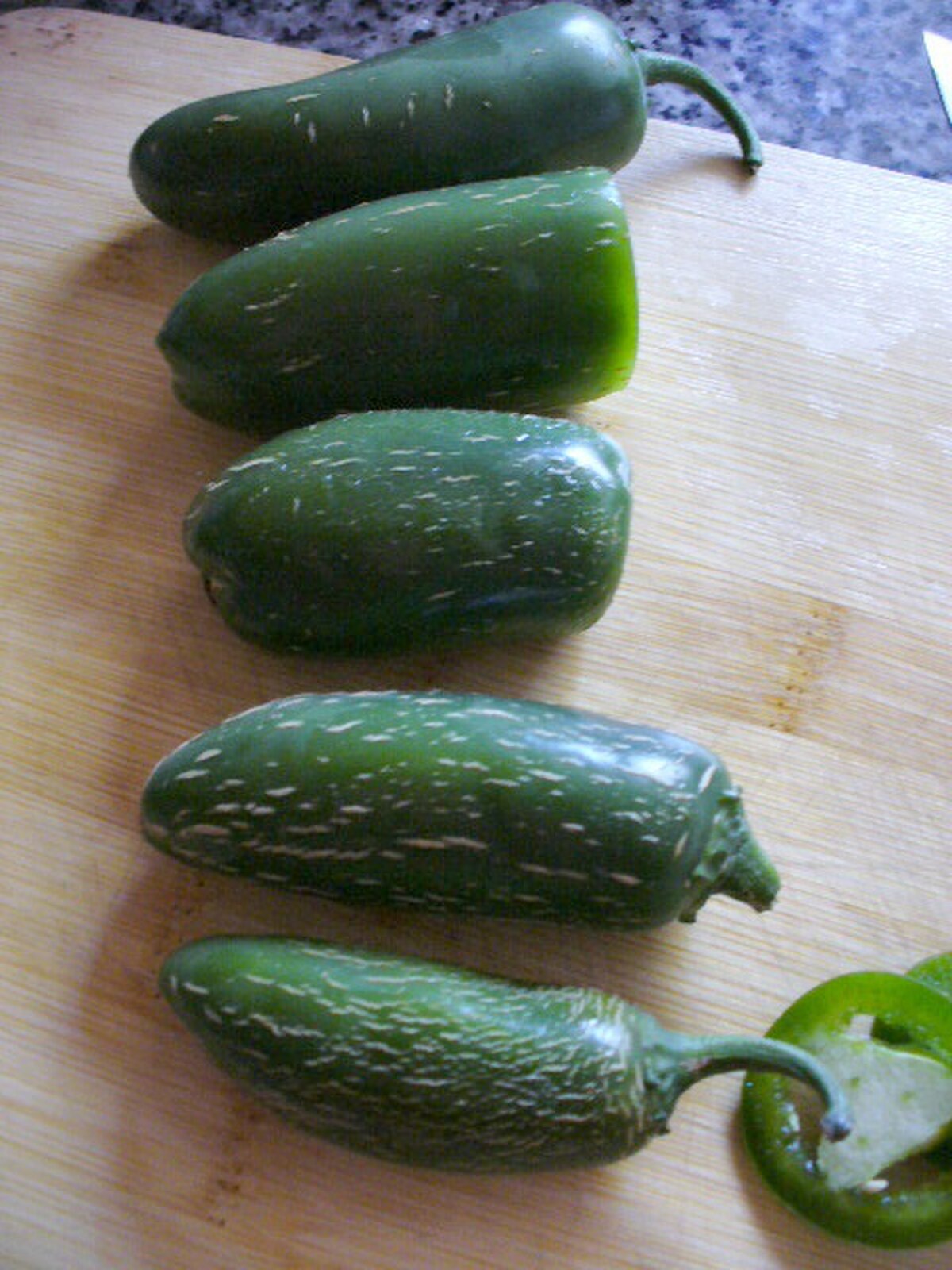 Jalapeño
A jalapeño is a medium-sized chili pepper cultivar of the species Capsicum annuum, typically measuring 5 to 10 centimeters long.
Jalapeño
A jalapeño is a medium-sized chili pepper cultivar of the species Capsicum annuum, typically measuring 5 to 10 centimeters long.
-
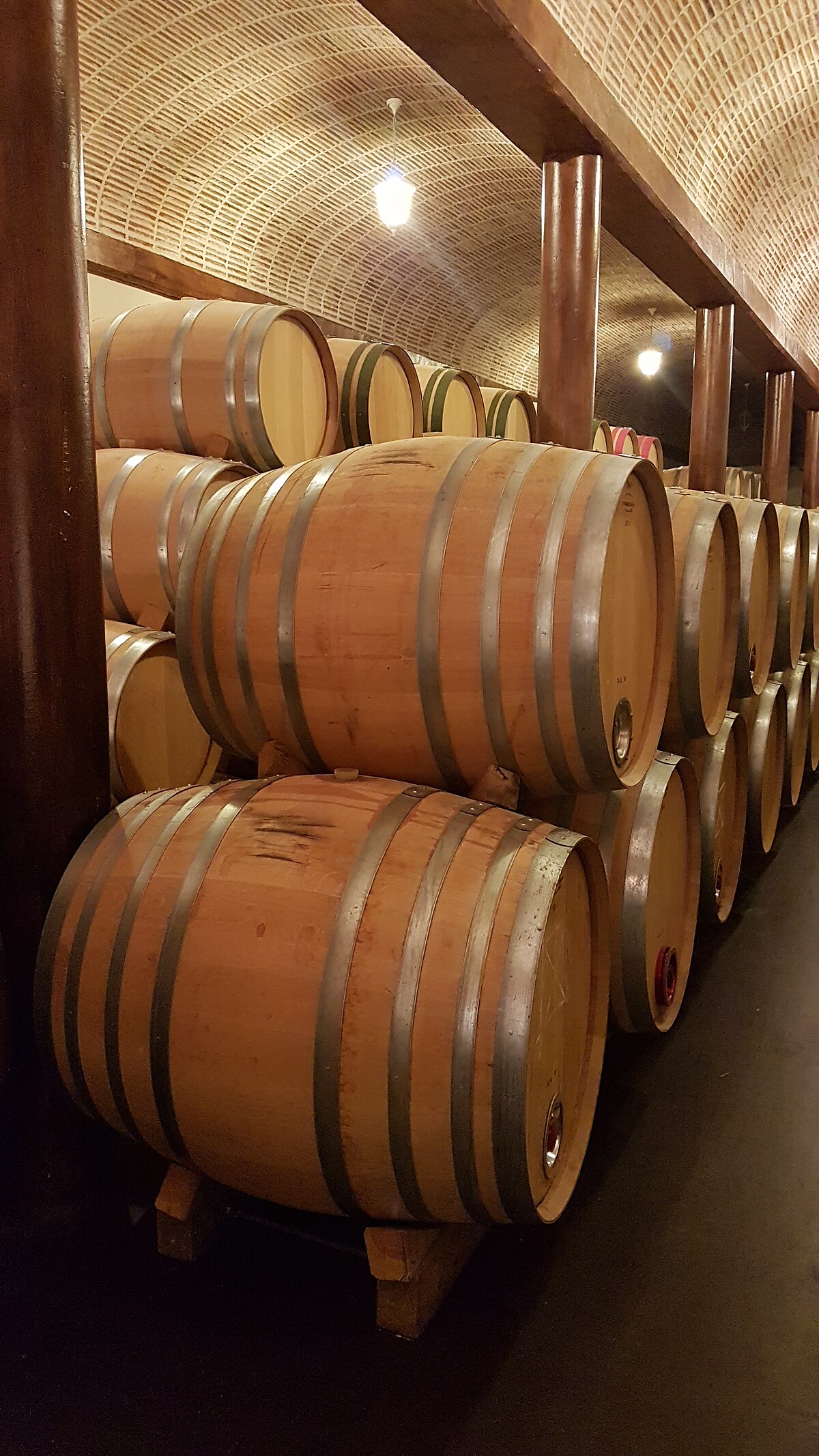 Oak (wine)
Oak is a type of wood used during winemaking to alter the color, texture, tannin profile, and flavor of wine.
Oak (wine)
Oak is a type of wood used during winemaking to alter the color, texture, tannin profile, and flavor of wine.
-
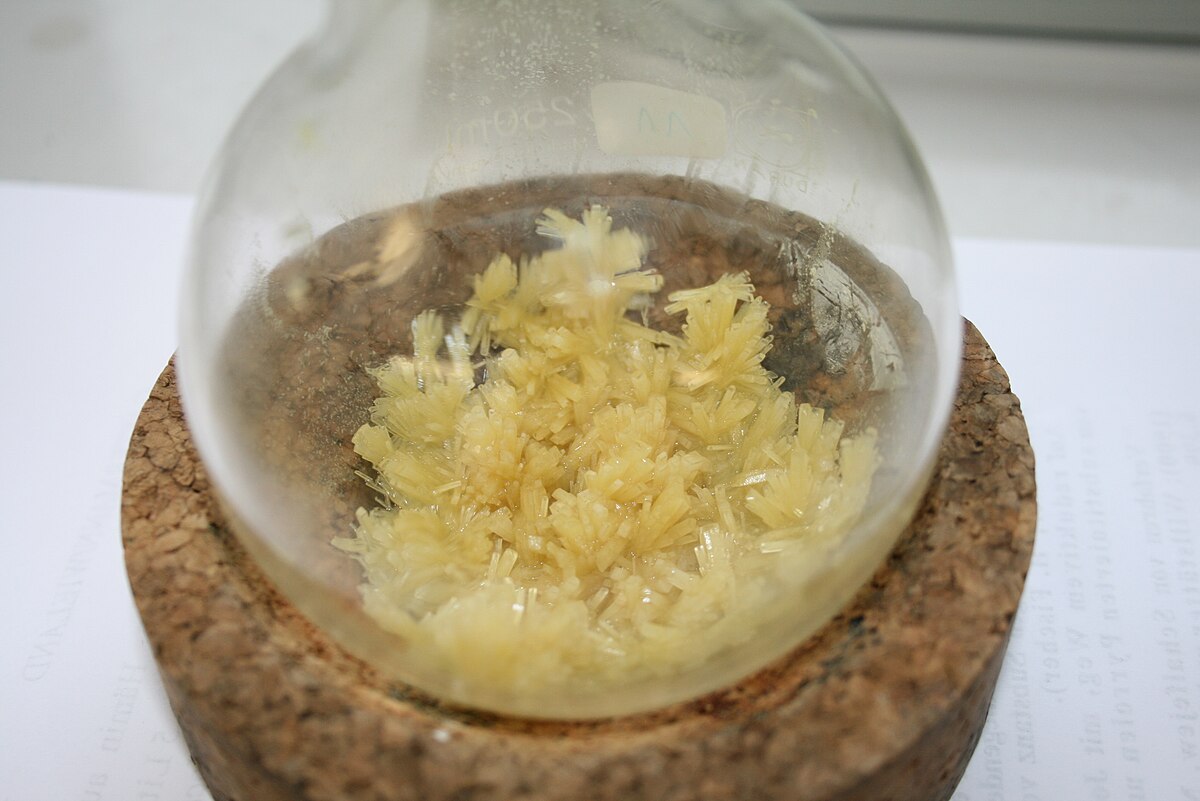 Piperine
 is a plant compound known as an alkaloid that gives black and long pepper their pungent bite.
Piperine
Piperine is a plant compound known as an alkaloid that gives black and long pepper their pungent bite.
-
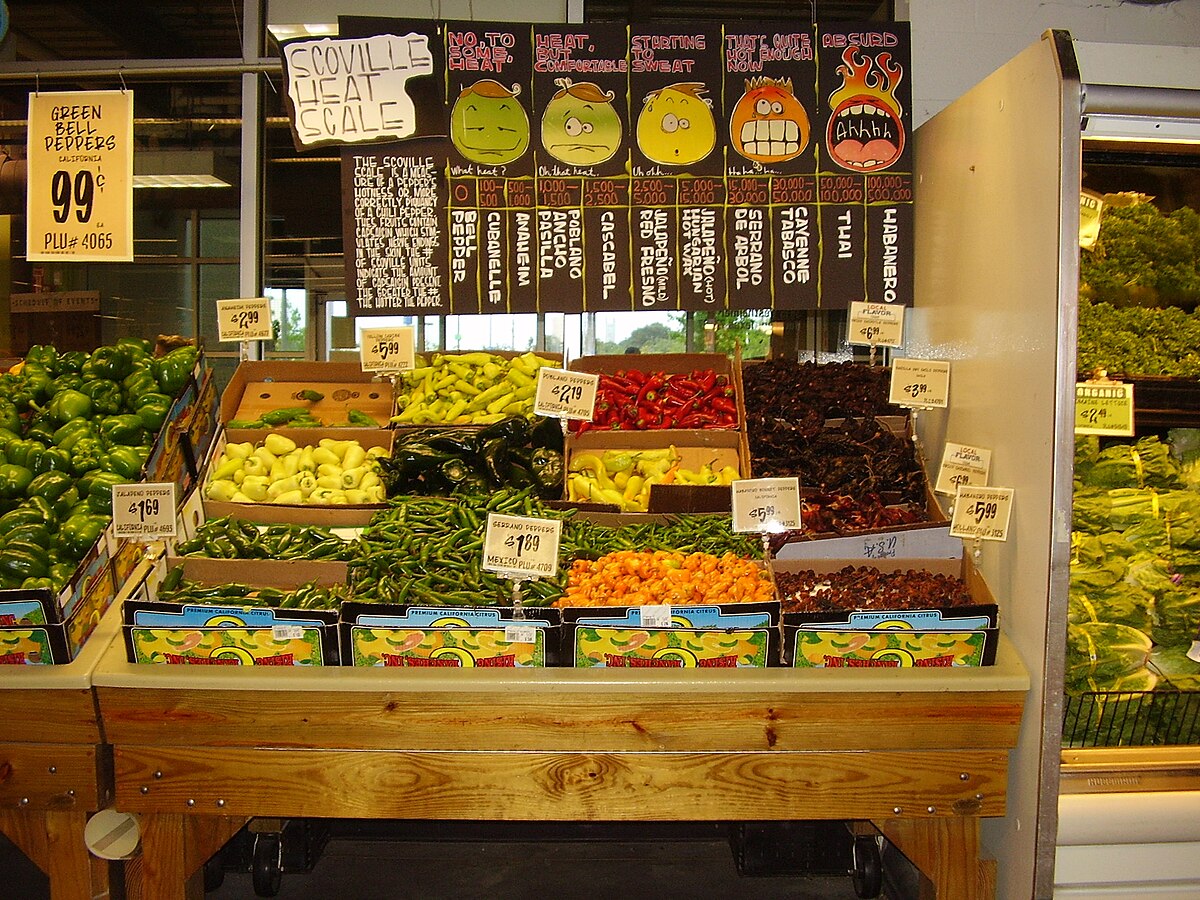 Scoville Scale
The Scoville scale is a measurement system that rates the heat of chili peppers in units called Scoville Heat Units (SHU).
Scoville Scale
The Scoville scale is a measurement system that rates the heat of chili peppers in units called Scoville Heat Units (SHU).
-
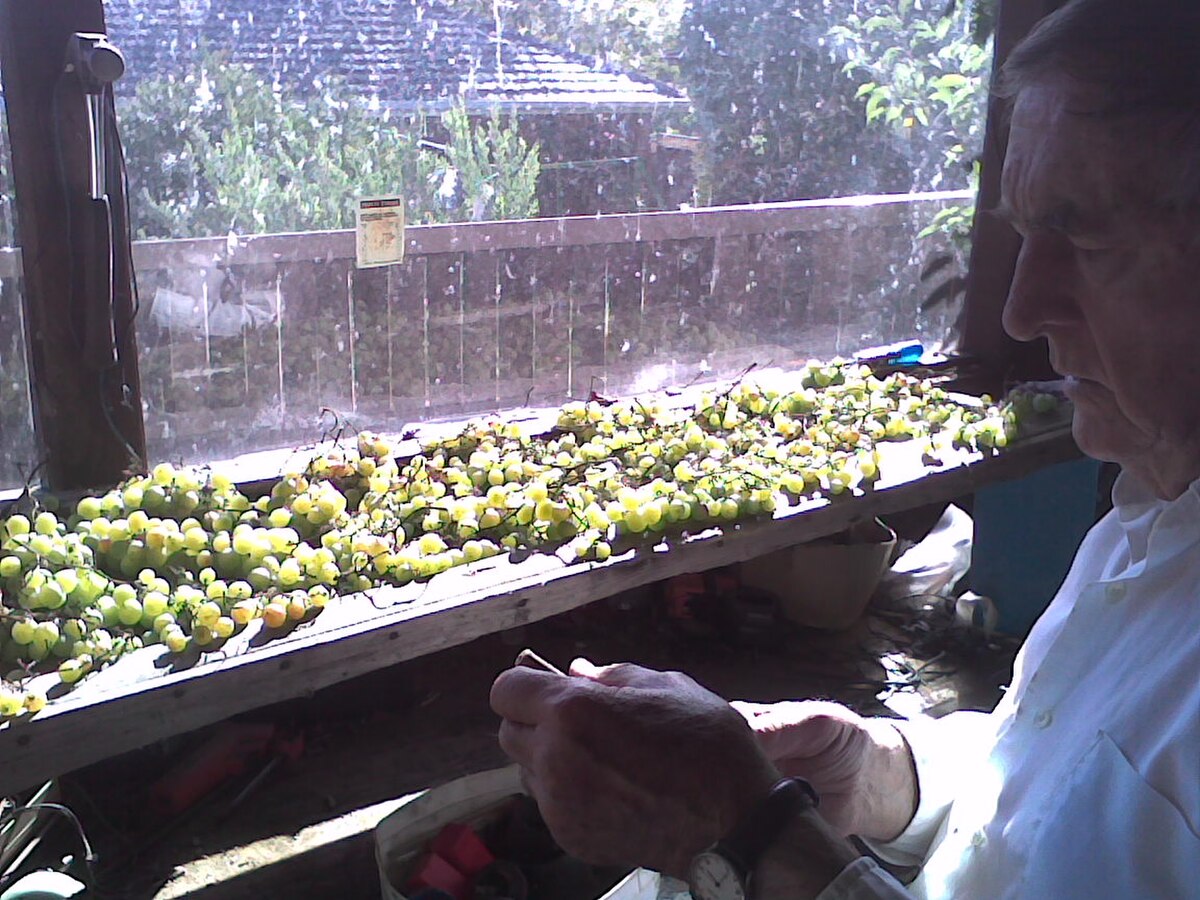 Sweetness of wine
How residual sugar, acids, and alcohol determine wine sweetness, from legal dry limits to dessert styles like Tokaji and Sauternes.
Sweetness of wine
How residual sugar, acids, and alcohol determine wine sweetness, from legal dry limits to dessert styles like Tokaji and Sauternes.
-
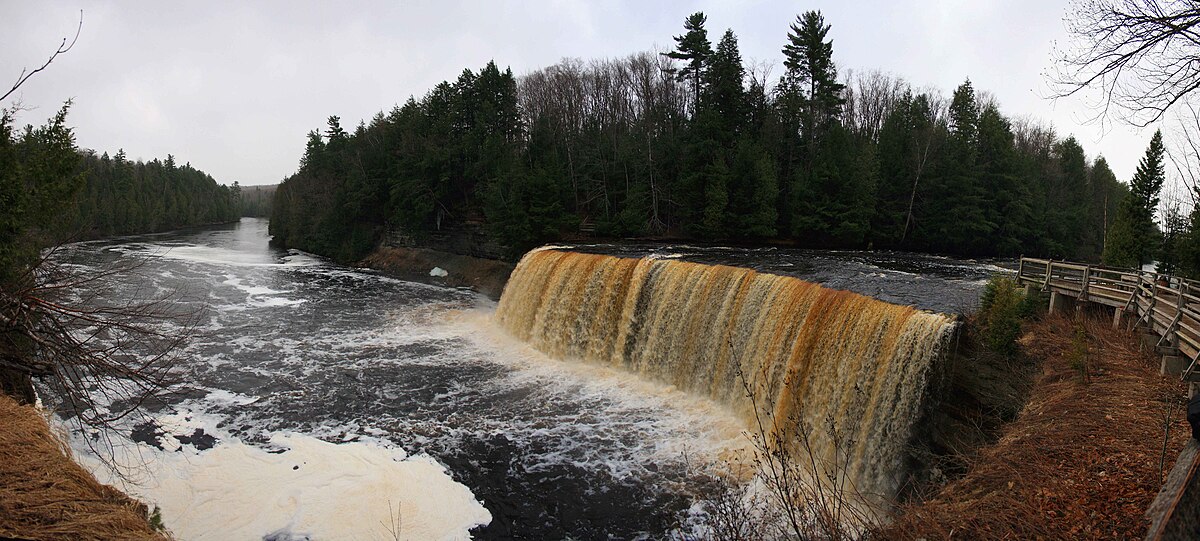 Tannins
 are large, astringent biomolecules produced by plants that bind to proteins and force them out of solution.
Tannins
Tannins are large, astringent biomolecules produced by plants that bind to proteins and force them out of solution.
-
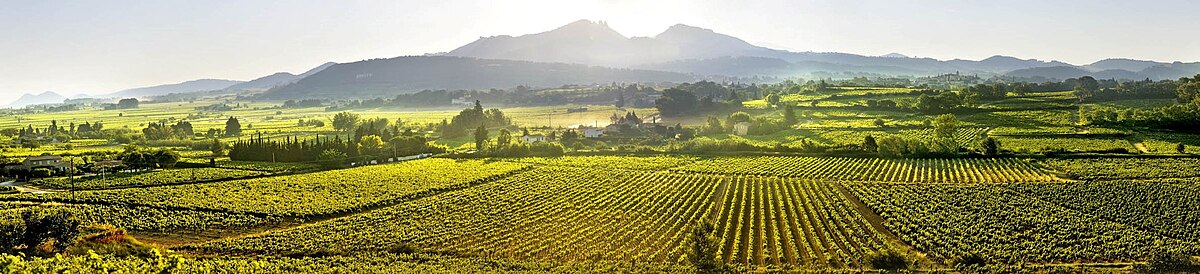 Terroir
 describes how soil, slope, climate, and local microbes shape the distinct flavor of agricultural products like wine and cheese.
Terroir
Terroir describes how soil, slope, climate, and local microbes shape the distinct flavor of agricultural products like wine and cheese.
-
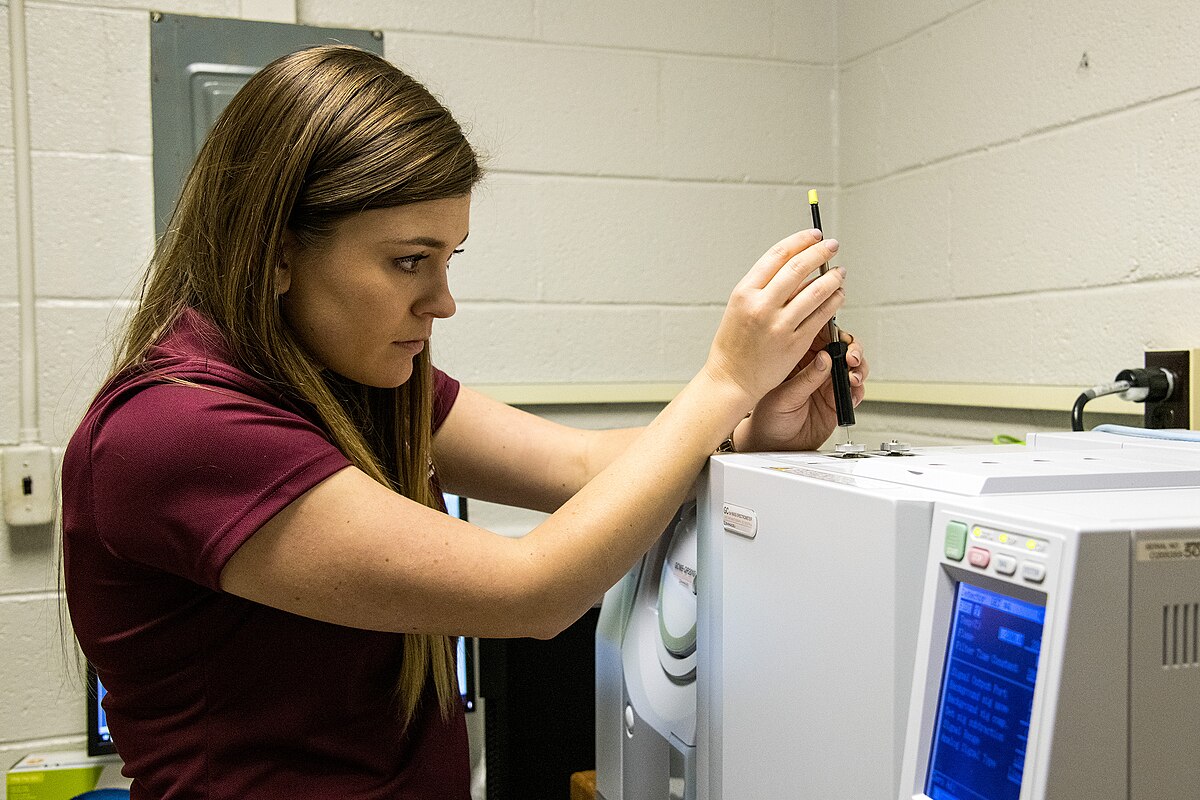 Wine fault
A wine fault is an unpleasant smell, taste, or appearance in a wine caused by chemical reactions or microbial spoilage.
Wine fault
A wine fault is an unpleasant smell, taste, or appearance in a wine caused by chemical reactions or microbial spoilage.