DNA sequencing is the process of figuring out the exact order of the four chemical bases (adenine, thymine, cytosine, and guanine) that make up DNA. Reading these letters allows scientists to decipher genetic instructions across entire genomes, individual genes, or viral strands. Modern methods have turned a process that once took thirteen years into a routine task completed in less than twenty-four hours.
By the edgi team We find the most surprising true thing about an idea and build a 60-second lesson around it.
Your DNA is a three-billion-letter instruction manual. But current technology can only read small snippets of it at a time.
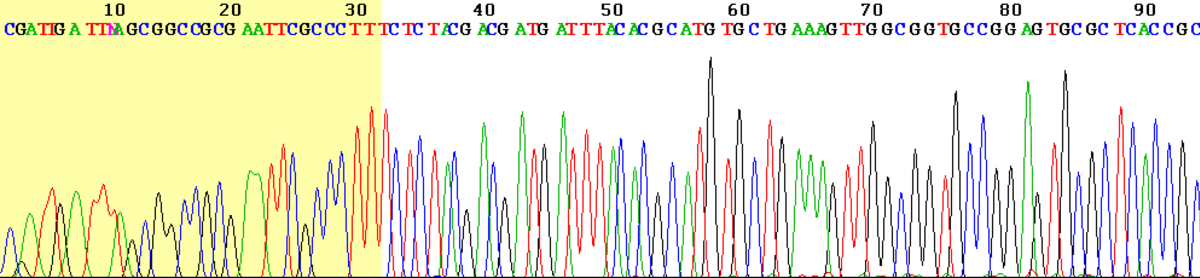
A Sanger sequencing read display shows a chromatogram with colored peaks representing DNA bases and the corresponding nucleotide sequence above. Loris, Public domain, via Wikimedia Commons
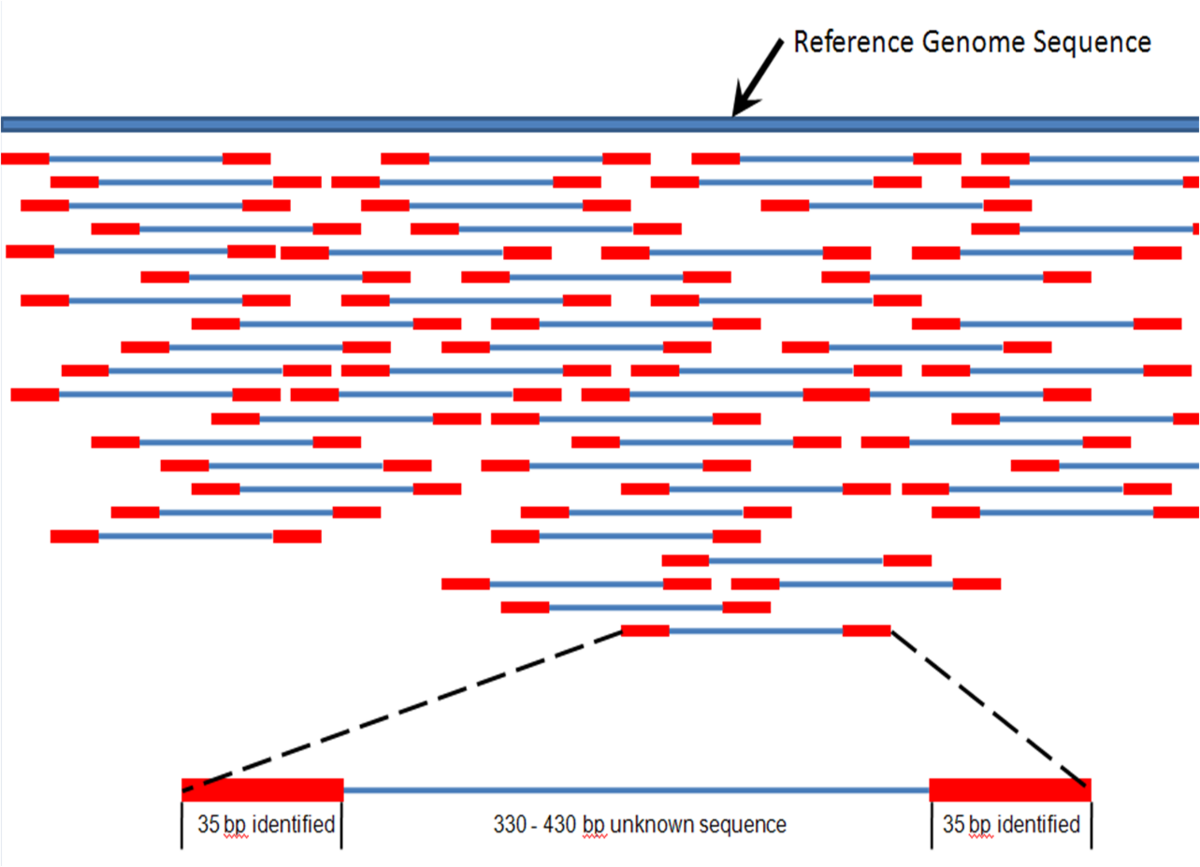
So, we shred the DNA into millions of tiny, overlapping pieces. We sequence the pieces, then use supercomputers to stitch the puzzle back together.
The old way
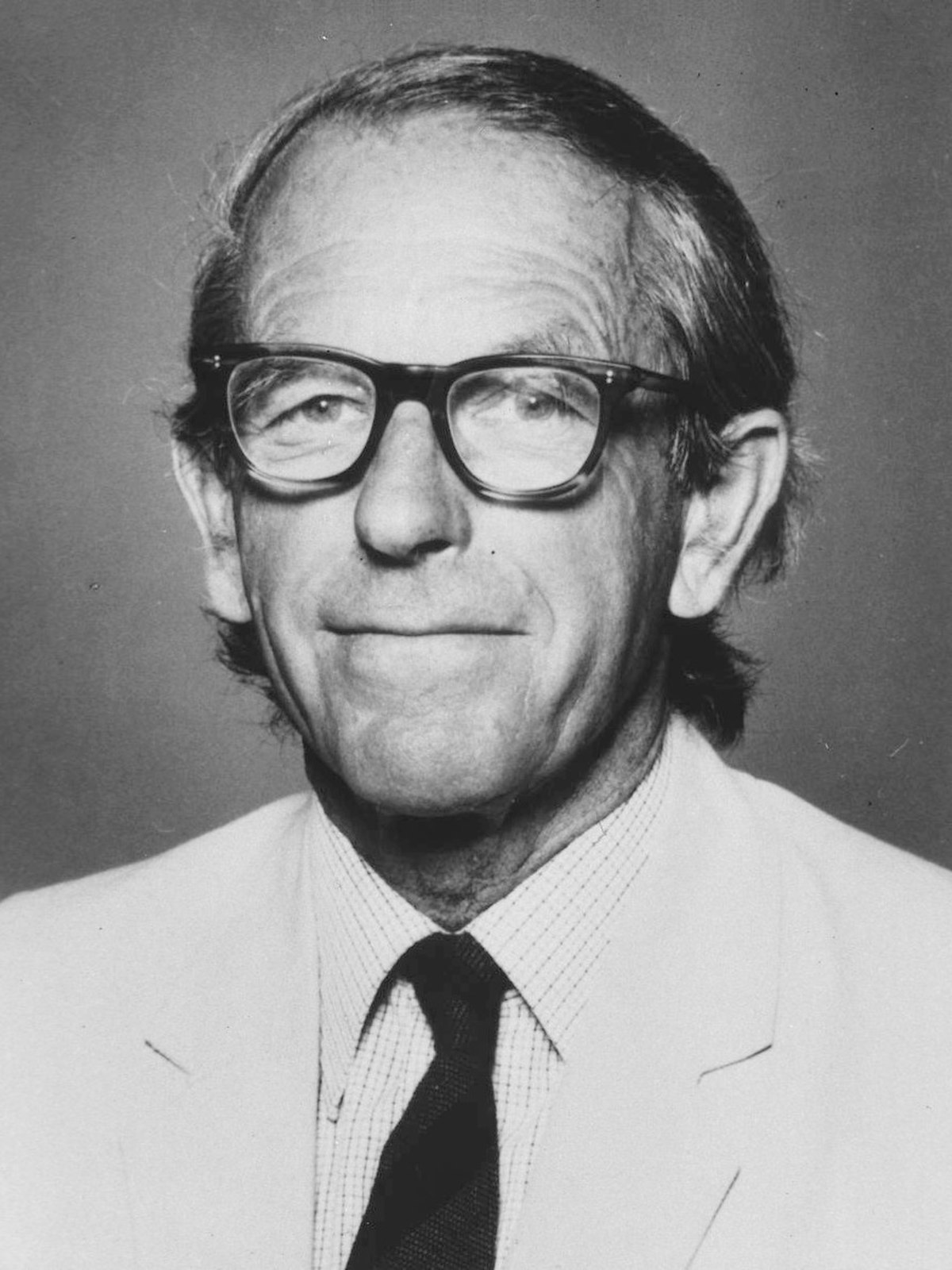
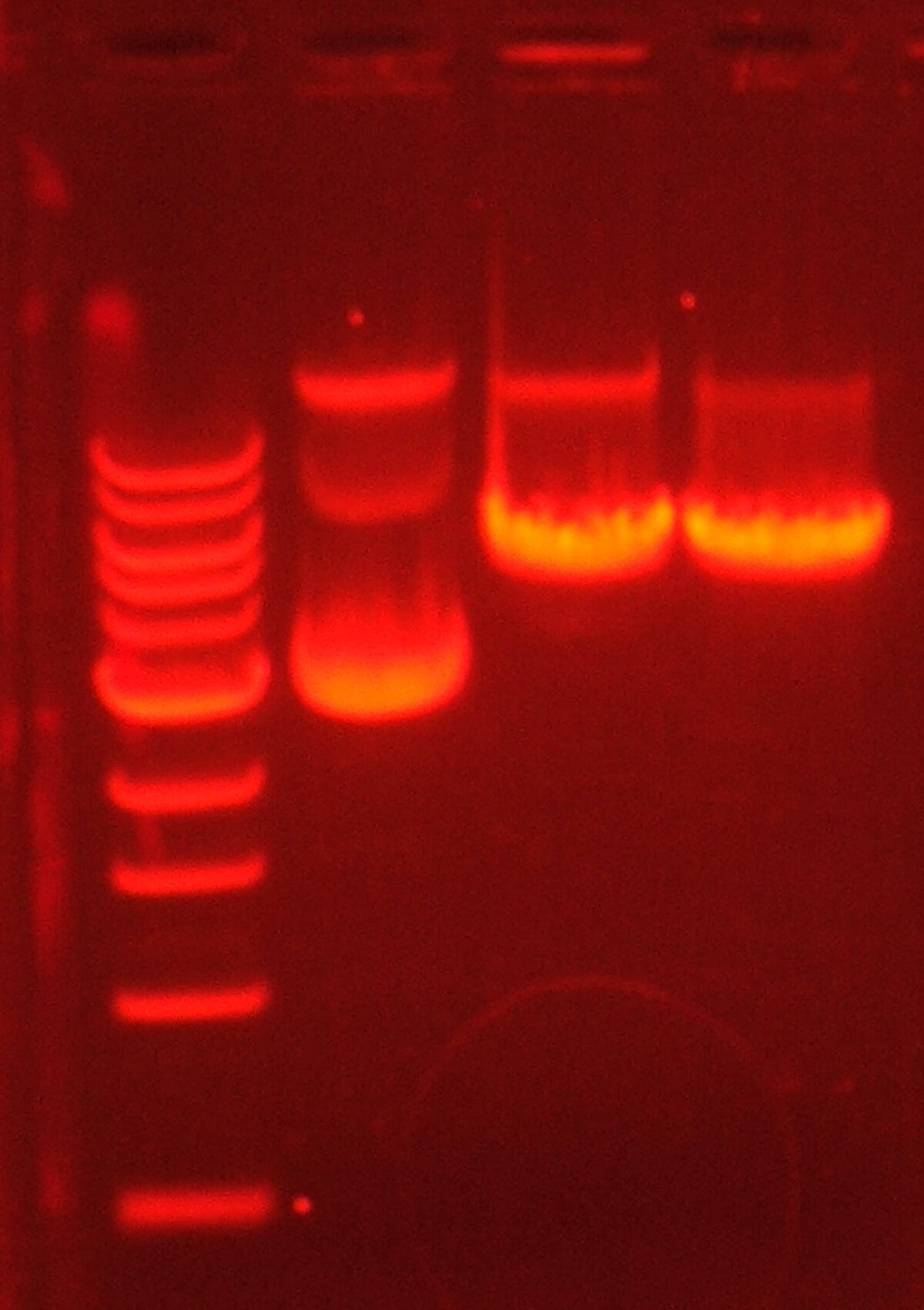
In 1977, Frederick Sanger invented a way to stop DNA copying at specific letters. It involved sorting fragments by size on a gel, reading them like a physical ladder.
Portrait of Frederick Sanger, a man with glasses and a dark tie, looking directly at the camera. Public domain, via Wikimedia Commons
It was slow, manual labor, but it won him his second Nobel Prize.
The speed revolution
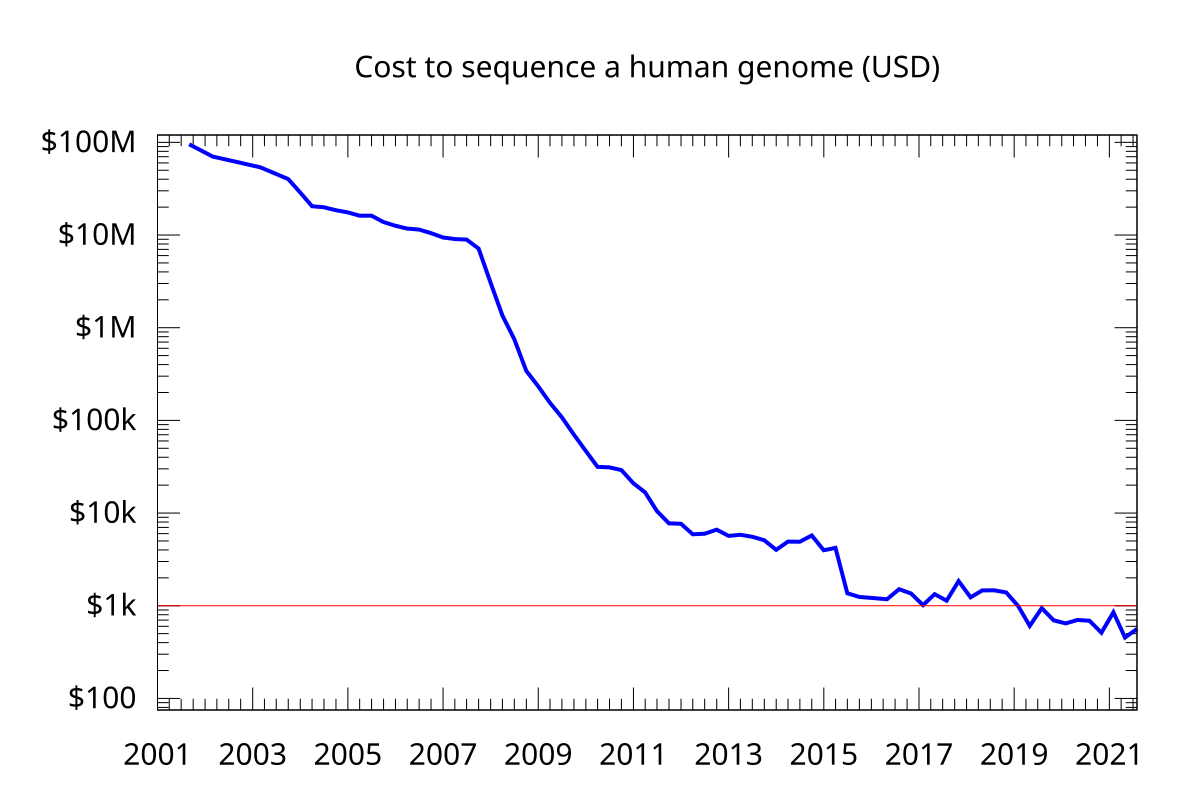
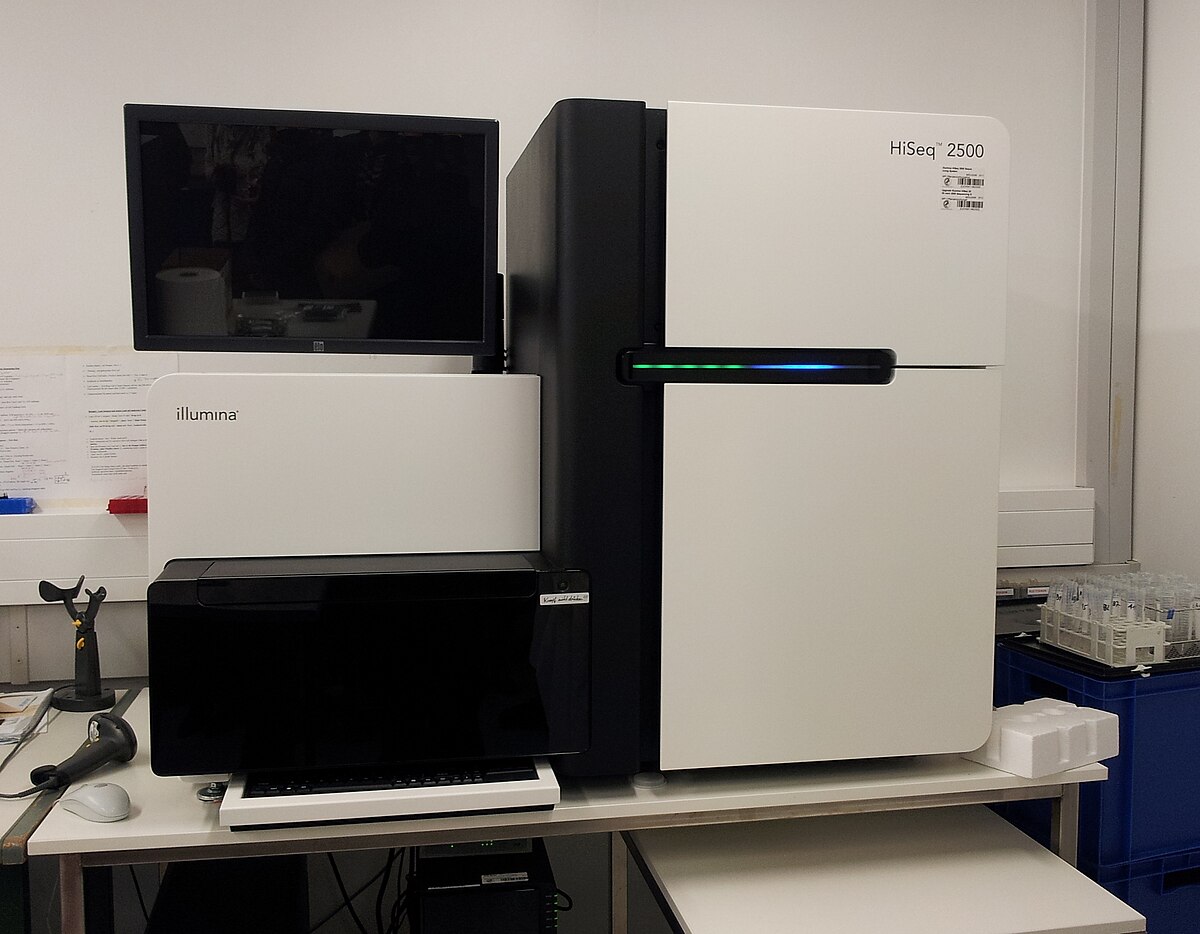
The first Human Genome Project took 13 years and cost $3 billion. Today, massively parallel sequencing does the job in a single day for under $1,000.
A log-scale line graph titled "Cost to sequence a human genome (USD)" plots the cost in USD (Y-axis) against years from 2001 to 2021 (X-axis). Originally Ben Moore, rewritten in gnuplot by grendel|., Public domain, via Wikimedia Commons
We are essentially reading the book of life in the time it takes to watch a movie.
The payoff
This speed is now being used to catch cancer early. With a simple liquid biopsy, doctors look for tiny fragments of tumor DNA floating in your blood.
We are catching diseases before they even form a lump.
How DNA sequencing works
DNA molecules are far too long for modern machines to read from end to end in one piece. Instead, sequencers rely on breaking genetic strands into millions of smaller fragments.
Overlapping sequence fragments are aligned and reconstructed by computers into one continuous sequence. Suspencewl, CC0, via Wikimedia Commons
These small fragments are sequenced in parallel. Because the shredded fragments overlap with one another, computers match the shared sequences at the ends of each piece to reconstruct the original genetic code. This strategy replaced early methods from the 1970s that relied on two-dimensional chromatography and manual gel electrophoresis.
Medical and diagnostic uses
Sequencing allows clinicians to compare healthy DNA with mutated DNA to diagnose diseases and identify targets for drug development. In cancer medicine, liquid biopsies detect tiny fragments of tumor DNA circulating in the bloodstream, revealing disease before physical tumors form.
Gene sequencing panels also pinpoint the specific causes of rare inherited disorders, improving patient care and reproductive counseling. In infectious disease, sequencing identifies precise bacterial strains to select targeted antibiotics, which helps limit antimicrobial resistance.
Applications across evolutionary biology and virology
DNA sequencing provides direct evidence for how species evolve and relate to one another. In February 2021, researchers recovered and sequenced DNA from mammoth remains that were over one million years old, marking the oldest animal DNA sequenced to date.
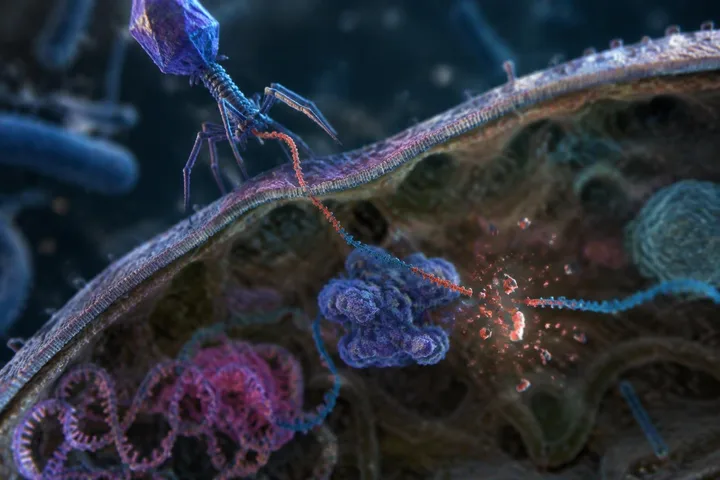
In virology, sequencing tracks viral outbreaks and estimates when they began using molecular clock techniques. During the 1997 avian influenza outbreak, sequencing revealed that the virus emerged from reassortment between poultry and quail, prompting Hong Kong to outlaw selling the two animals together in markets.
Test yourself
How does DNA sequencing handle long strands of genetic material?
Shreds and stitches pieces. Current technology cannot read an entire genome in one continuous pass. Instead, it fragments the DNA into overlapping pieces and uses computers to reassemble them.
Why does DNA sequencing rely on overlapping fragments instead of a single continuous read?
Current technology reads only short snippets. Because modern sequencers can only process small snippets of DNA at a time, overlapping fragments are essential so computers can align and stitch them back in order.
What is the primary function of massively parallel sequencing in modern genomics?
Processing millions of fragments at once. Massively parallel sequencing dramatically speeds up DNA reading by handling millions of small pieces simultaneously rather than one by one.
Play the lesson in edgi and the card is yours. It lands on your Map next to the ideas it connects to, and turns from matte to foil to gold as you learn more around it.
Metagenomics is the sequencing of DNA collected directly from environmental samples such as soil, water, sewage, or air filters. It allows scientists to identify all the microbial species present in an ecosystem or microbiome without needing to culture them individually.
How does DNA sequencing help in forensics?
Forensic scientists use DNA sequencing alongside profiling methods to match biological traces, like saliva or hair follicles, to specific individuals. Because DNA patterns uniquely separate living organisms from one another, these sequence matches provide evidence for criminal investigations and paternity testing.
Can DNA sequencing read RNA viruses?
Yes. While RNA degrades faster than DNA in clinical samples, sequencing methods can read viral RNA genomes directly or indirectly to diagnose emerging infections and test for drug resistance.