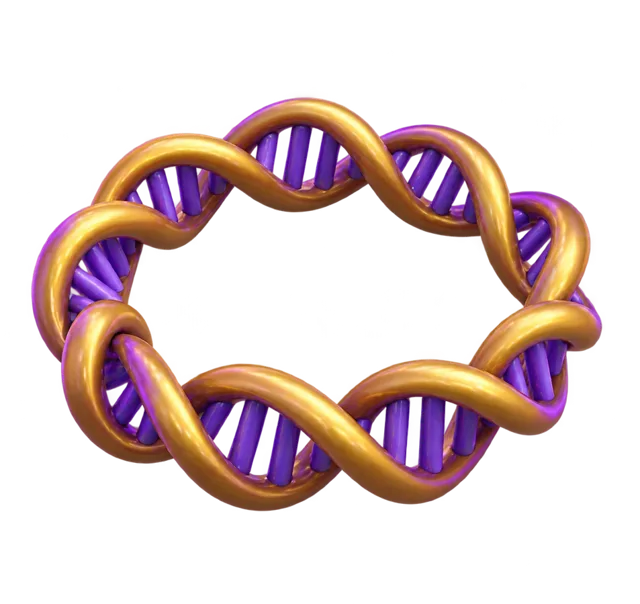
A plasmid is a small loop of DNA that sits outside a cell's main chromosome and can copy itself independently. Plasmids are not part of an organism's core genome, but they carry bonus genes for unusual survival situations, such as resisting antibiotics or digesting toxic chemicals. Because bacteria can pass these loops directly to neighboring cells, useful traits spread without normal reproduction.
By the edgi team We find the most surprising true thing about an idea and build a 60-second lesson around it.
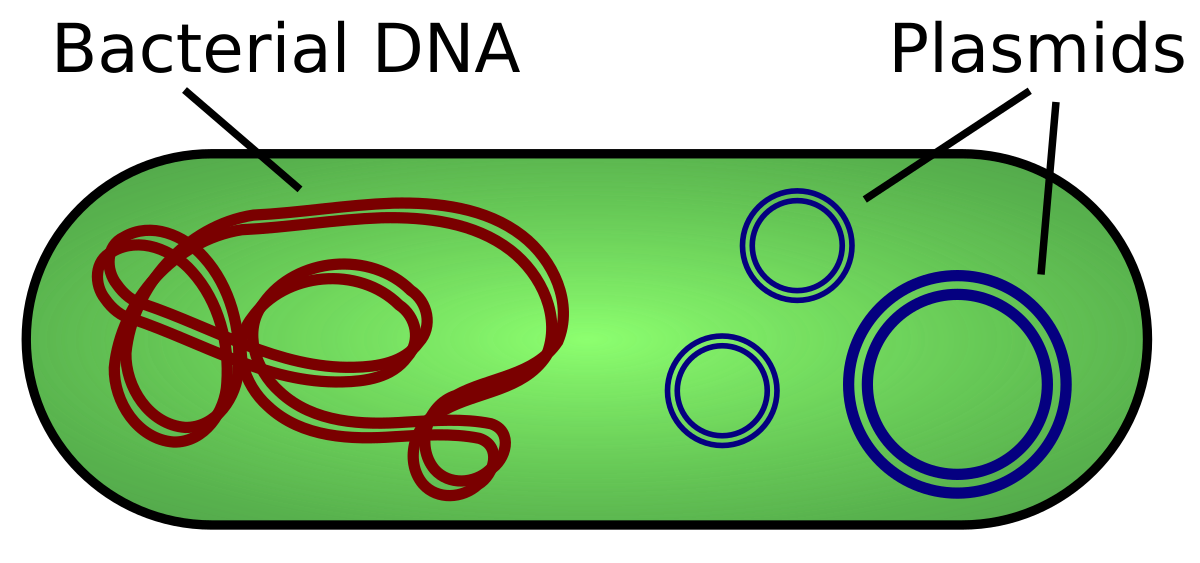
Bacteria have a main chromosome that holds the basic blueprints for life. But they also carry plasmids: tiny, circular loops of DNA that float independently inside the cell.
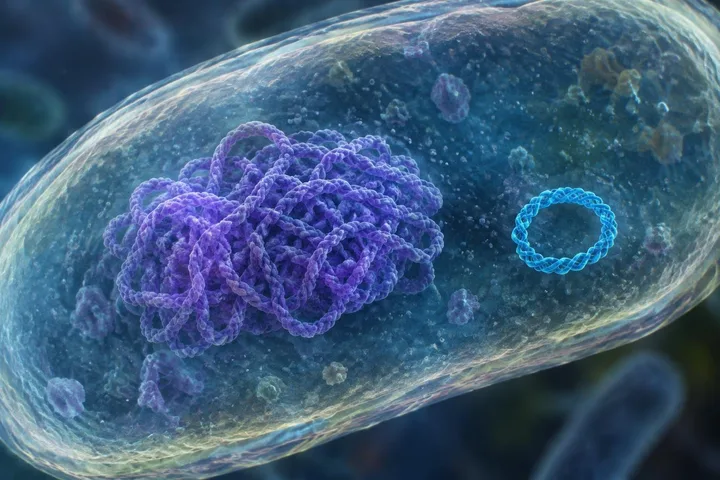
Diagram of a bacterium showing its internal components: a large, tangled strand labeled "Bacterial DNA" and several smaller, circular structures labeled "Plasmids". User:Spaully on English wikipedia, CC BY-SA 2.5, via Wikimedia Commons
These aren't essential for daily life, but they act like a bonus toolkit for survival.
The 1950s mystery
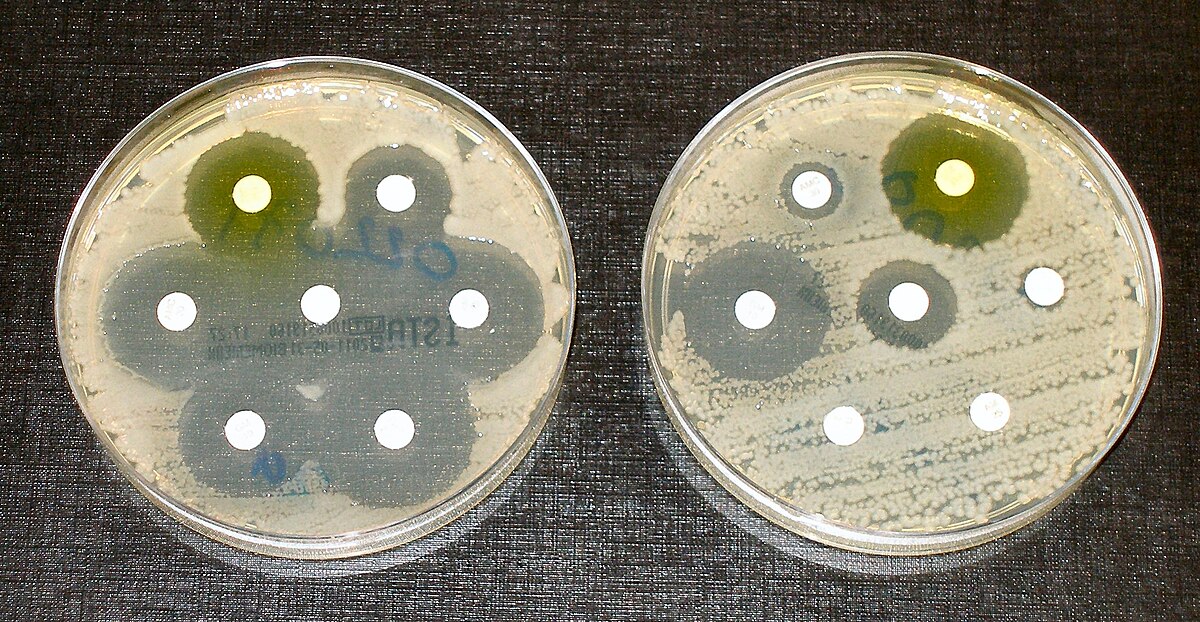
In the 1950s, Japanese researchers were baffled. Patients were suddenly resistant to multiple antibiotics at once. It seemed biologically impossible. Bacteria don't evolve that quickly.
Two Petri dishes demonstrate antibiotic sensitivity and resistance testing, with bacteria streaked on a solid medium and paper disks impregnated with different antibiotics. Dr Graham Beards, CC BY-SA 4.0, via Wikimedia Commons
They discovered the bacteria weren't just mutating; they were physically shipping resistance genes to neighbors through bacterial conjugation.
Living medicine factories
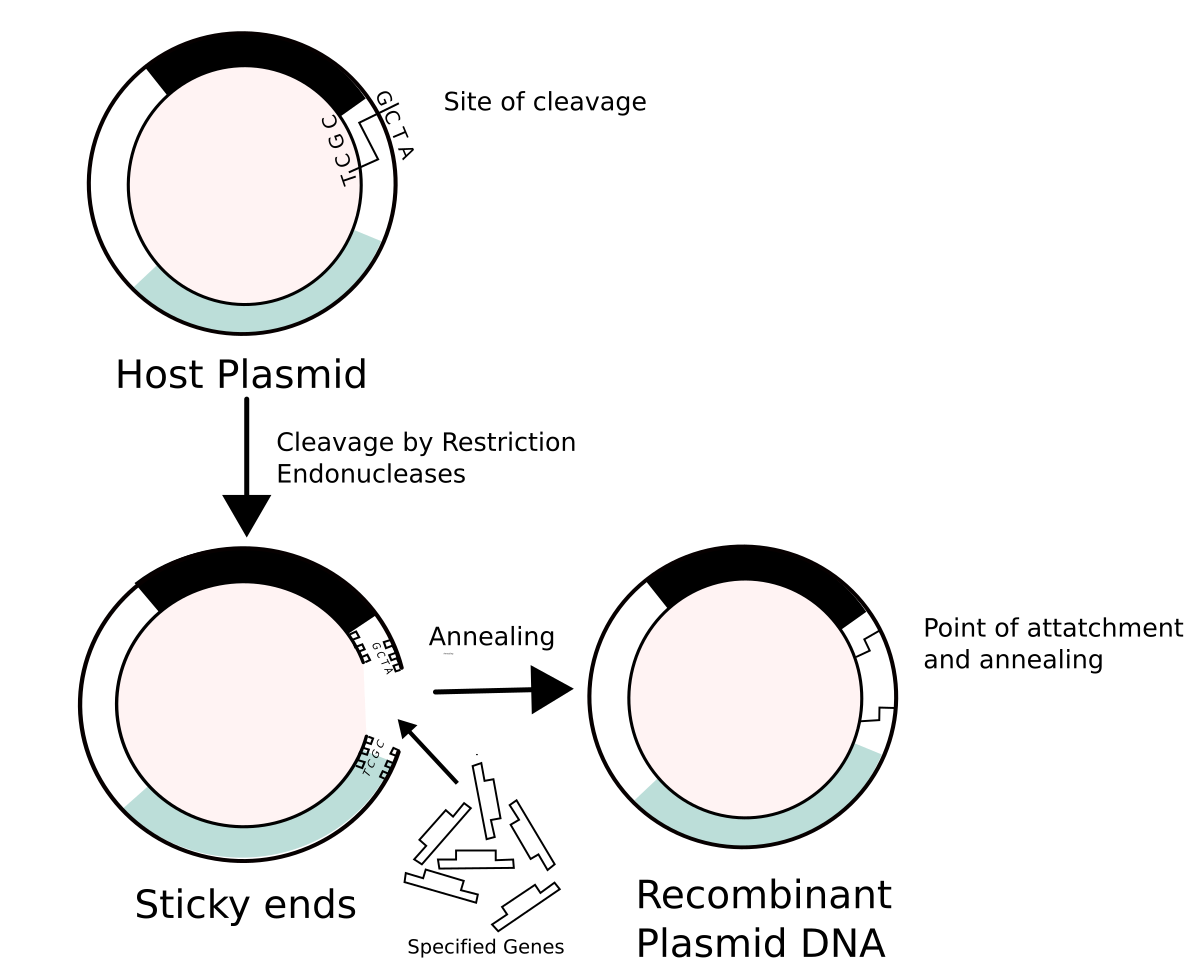
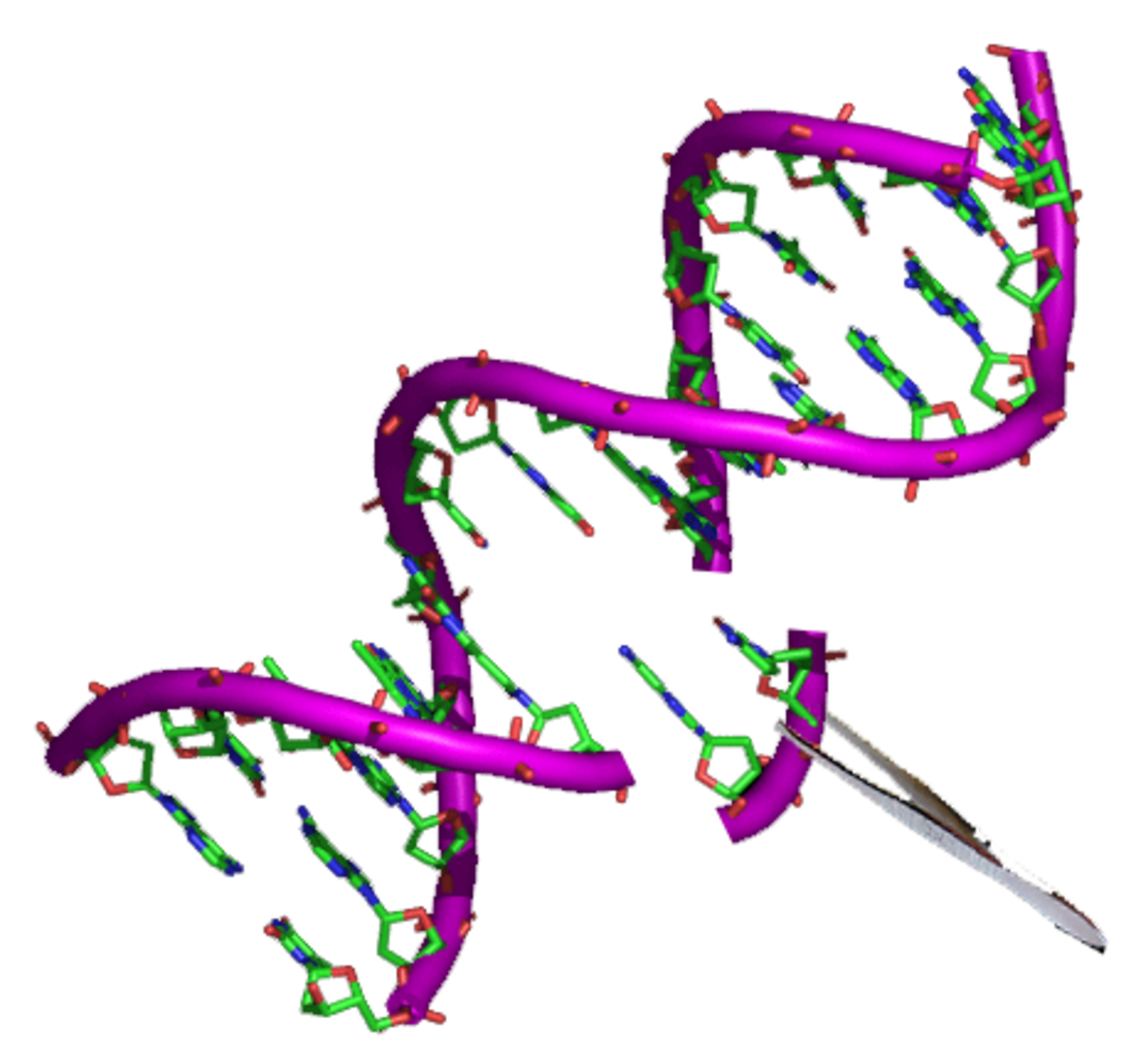
Scientists eventually realized we could hijack this trading system. By using a restriction enzyme, we cut the ring open and sew in a human gene, like the instructions for making insulin.
Diagram illustrating the recombinant formation of plasmids. Minestrone Soup at English Wikipedia, CC BY-SA 3.0, via Wikimedia Commons
We put the ring back, and the bacteria start pumping out the medicine for us.
The delivery vans
Today, these loops are the delivery vans of biotechnology. Whether it is creating a bacterial artificial chromosome or using guide RNA to edit genes, it all starts with these hitchhiking circles.
A plasmid survives and multiplies because it contains an origin of replication, a specific DNA sequence that tells the cell to make copies of the ring. Smaller plasmids rely entirely on the host cell's enzymes to duplicate, while larger ones can carry their own replication genes.
Plasmids are not classified as living organisms. Unlike viruses, which wrap their genetic code in a protective protein shell called a capsid, plasmids exist as naked DNA. A single bacterium can carry anywhere from one to thousands of identical plasmid copies. Low-copy plasmids use specialized partition systems, such as parABS or parMRC, to ensure at least one copy enters each daughter cell during division.
How bacteria trade plasmids
Plasmids do not have to wait for cell division to spread. Through a mechanism of horizontal gene transfer called bacterial conjugation, bacteria can pass plasmids directly to other cells, even those of entirely different species.
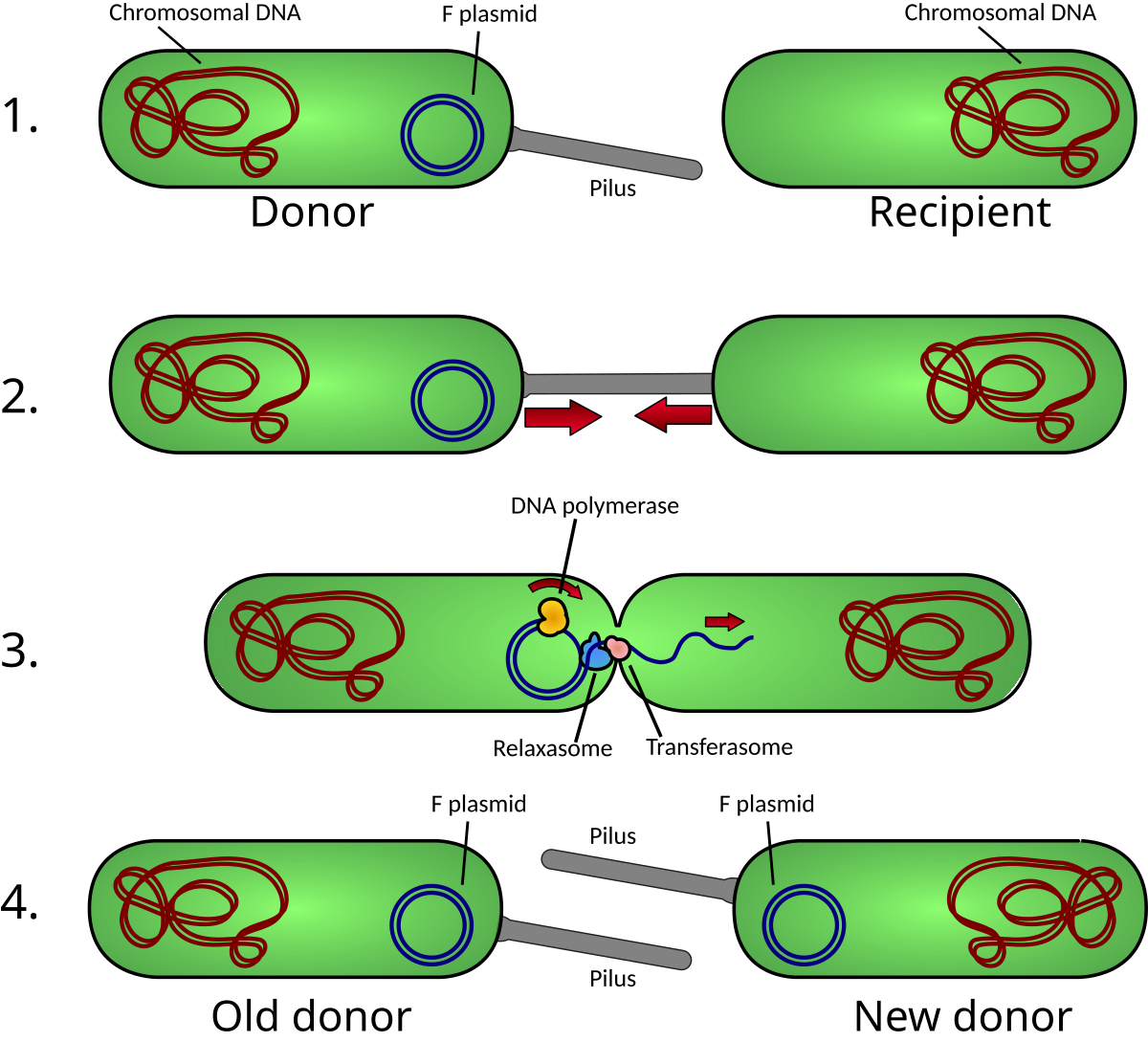
During bacterial conjugation, a donor cell extends a pilus to pass plasmid DNA directly to a recipient cell. Adenosine, CC BY-SA 3.0, via Wikimedia Commons
Conjugative plasmids carry transfer genes that build a connecting tube called a sex pilus. The plasmid travels through this bridge into the recipient cell, permanently equipping the new host with whatever traits the plasmid carries, such as the ability to neutralize heavy metals or fix nitrogen.
Plasmids in biotechnology
Genetic engineers use artificial plasmids as vectors to move foreign DNA into host organisms through a laboratory process called transformation. Scientists can design custom plasmid sequences with software and order synthetic versions online.
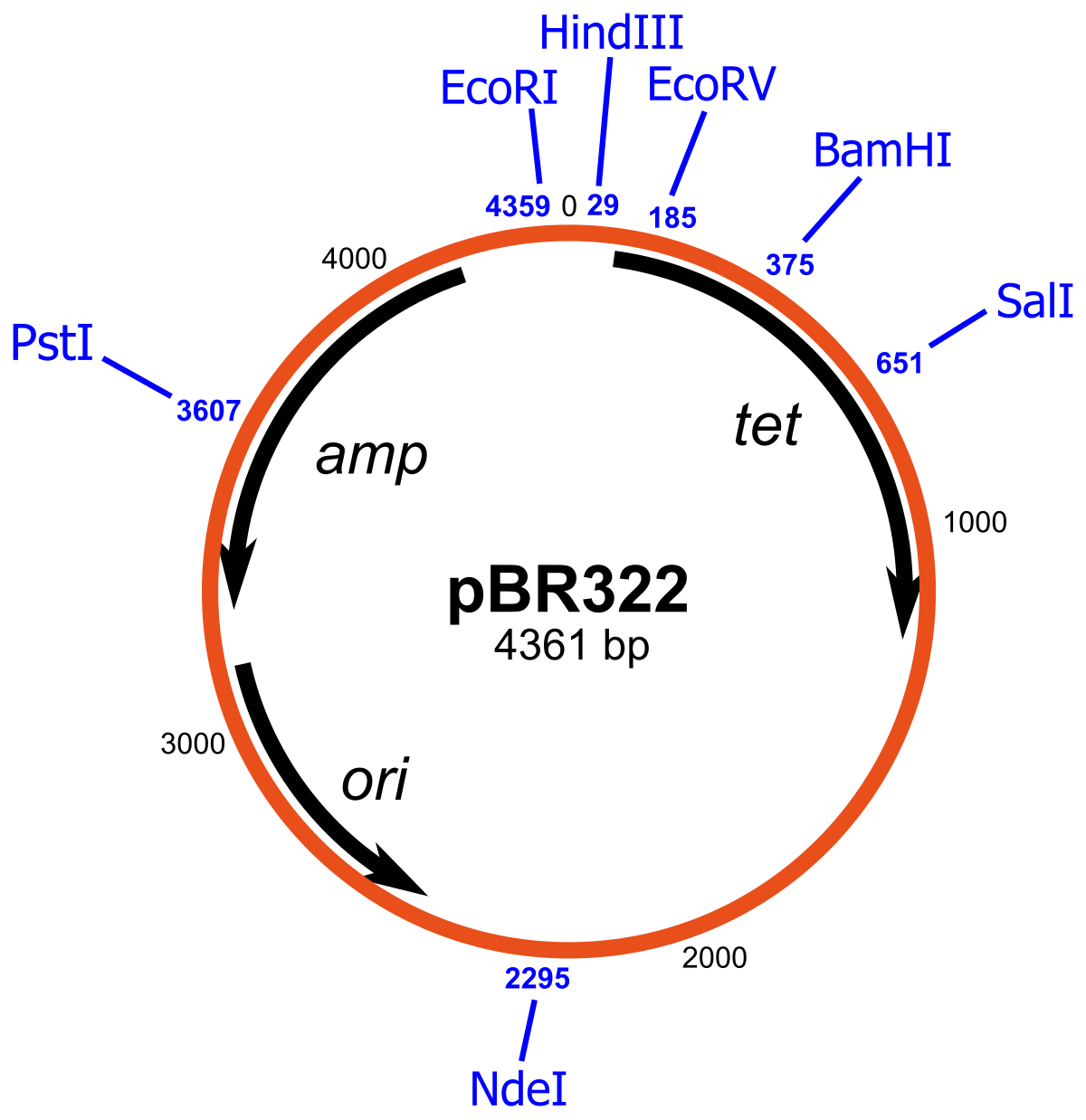
The cloning vector pBR322 carries antibiotic resistance genes that allow scientists to identify successfully modified bacteria. Ayacop (+ Yikrazuul), Public domain, via Wikimedia Commons
To make therapeutic proteins like human insulin, researchers use restriction enzymes to cut a plasmid open, insert the human gene, and place the hybrid DNA into bacteria. As the bacteria replicate the plasmid and read its code, they produce large quantities of the medicine.
Test yourself
How do plasmids function inside a bacterial cell?
As independent DNA loops separate from chromosomes. Plasmids exist as extrachromosomal loops that replicate independently, carrying bonus genes rather than core life instructions.
Why are plasmids valuable in biotechnology applications like insulin production?
They can be modified to carry new genes into cells. Scientists insert foreign genes into plasmids and place them back into bacteria, turning the cells into factories for medicine.
How do plasmids function as tools in biotechnology?
They carry inserted genes into cells. Plasmids act as delivery vans that accept foreign genes and replicate independently inside host cells to produce targeted proteins.
Play the lesson in edgi and the card is yours. It lands on your Map next to the ideas it connects to, and turns from matte to foil to gold as you learn more around it.
What is the difference between a plasmid and an episome?
An episome is a specific type of plasmid that can physically integrate directly into the host bacterium's main chromosome instead of only floating freely in the cell.
Are all plasmids circular?
Most plasmids are circular double-stranded DNA rings, but linear plasmids also exist. Linear plasmids require specialized mechanisms to replicate their exposed ends.
What is a cryptic plasmid?
A cryptic plasmid is a naturally occurring plasmid that does not provide any obvious survival advantage to its host cell, though some help contribute to antibiotic heteroresistance in bacterial populations.