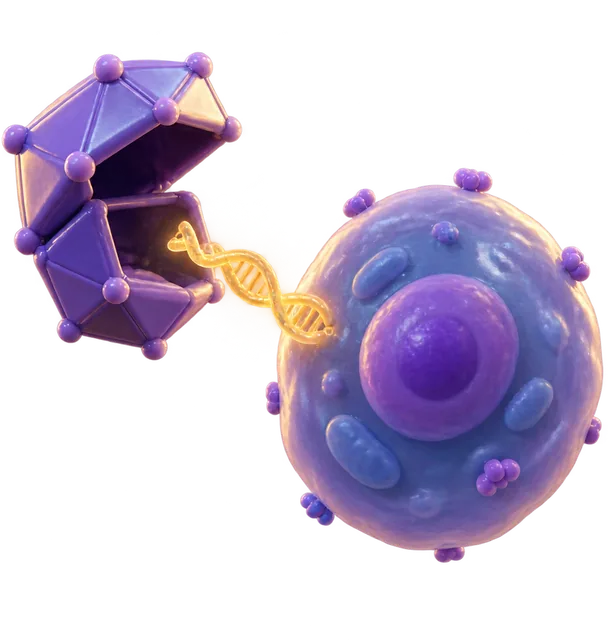
Gene therapy is a medical technique that treats disease by directly altering the genetic material inside a patient's living cells. Instead of managing symptoms with recurring medications, it replaces or repairs broken genetic code to restore normal cell function. This approach can provide long-lasting corrections for genetic disorders with a single intervention.
By the edgi team We find the most surprising true thing about an idea and build a 60-second lesson around it.
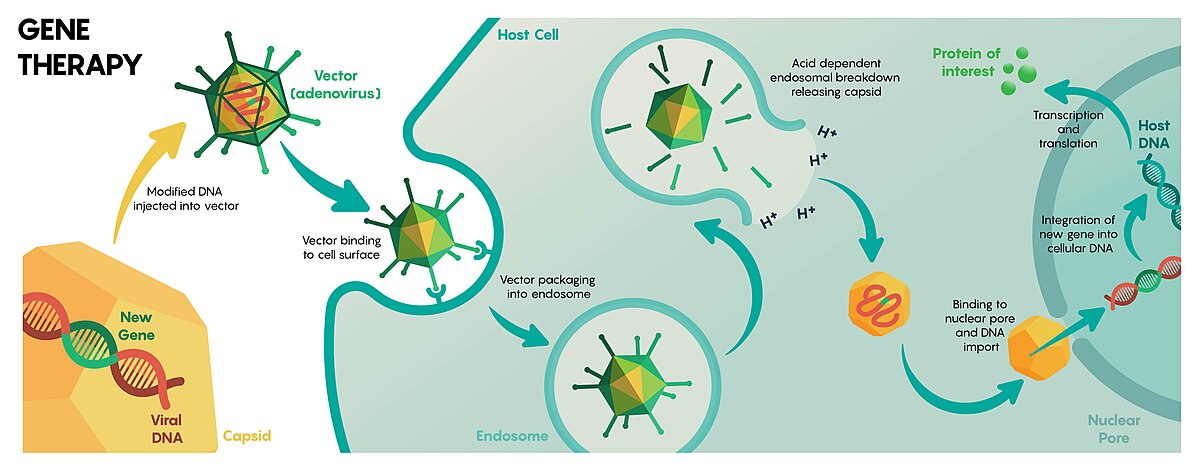
Viruses are evolved to invade cells and inject their DNA. They are masters of getting past your biological front door. In gene therapy, scientists hollow out those viruses. They remove the disease-causing parts and pack them with the correct gene instructions instead.
Diagram illustrating viral vector-based gene therapy, showing the process of a modified adenovirus delivering a new gene into a host cell. University of Toronto, CC BY 4.0, via Wikimedia Commons
The virus becomes a delivery truck that enters your cells and unloads a new, functional piece of code.
A rogue start
The first human attempt at gene modification was in 1980 by researcher Martin Cline. He bypassed institutional rules to try his therapy on two patients, which forced his resignation.
It took until 1989 for the first officially sanctioned success to prove that foreign DNA could survive and function inside a human host without causing catastrophe.
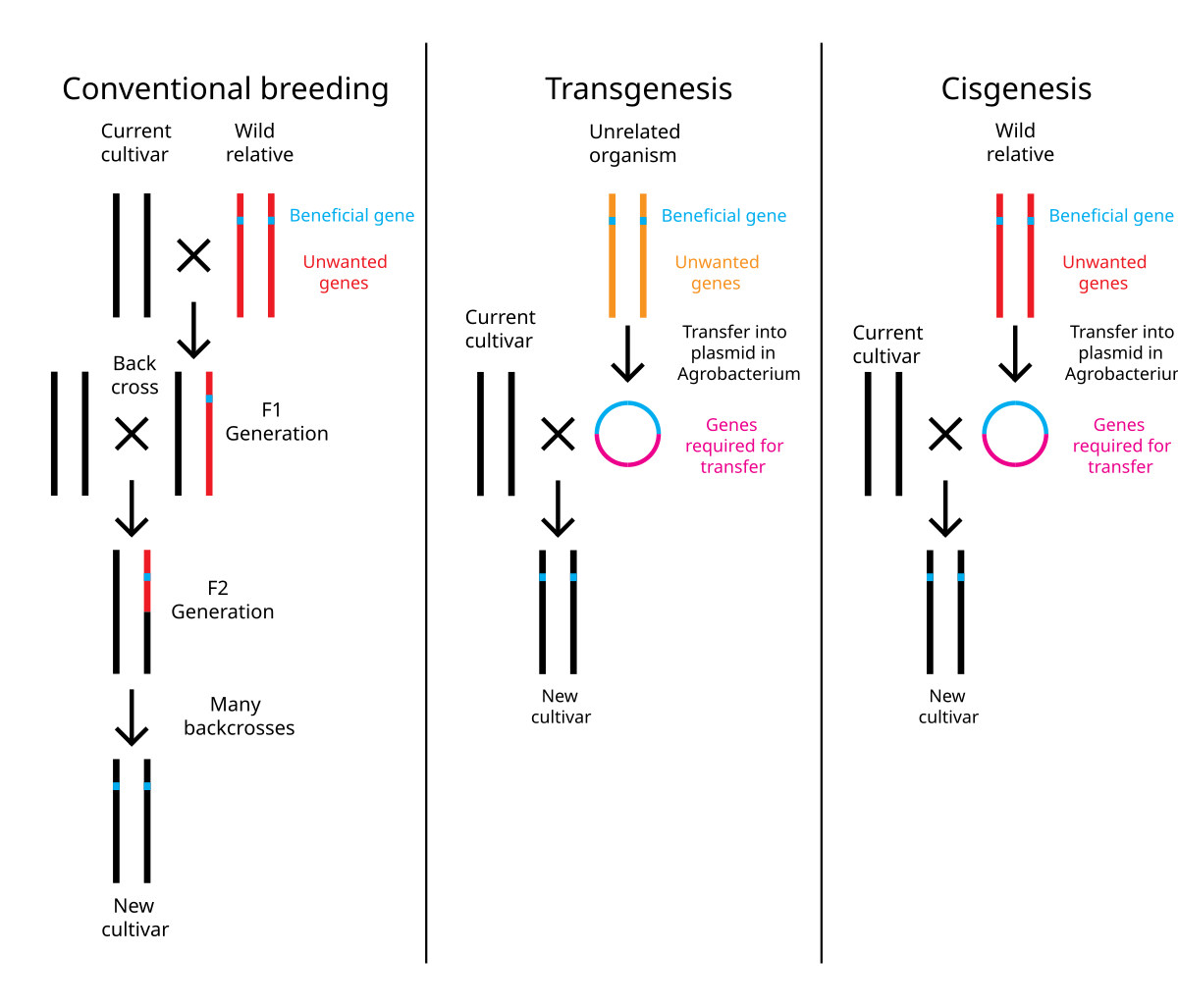
Diagram comparing conventional plant breeding with transgenic and cisgenic genetic modification. Smartse at English Wikipedia, CC BY-SA 3.0, via Wikimedia Commons
The biological rewrite
Traditional medicine treats symptoms, like taking insulin for diabetes. Gene therapy aims to rewrite the instruction manual itself. With tools like CRISPR acting as molecular scissors, we are moving from lifelong chemical management to a single, biological edit.
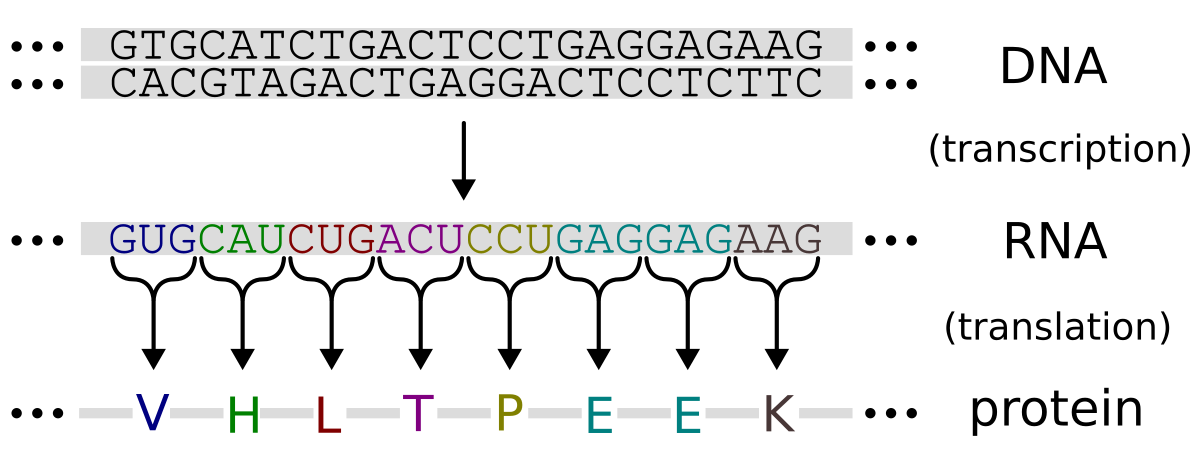
Diagram illustrating the genetic code, showing the transcription of a DNA sequence into an RNA sequence, and then the translation of the RNA sequence into an amino acid sequence (protein). Madprime, CC BY-SA 3.0, via Wikimedia Commons
We are finally learning to fix the blueprint rather than patching the building.
How genes get delivered into cells
Delivering new DNA into a human cell requires a carrier known as a vector. Because viruses naturally excel at penetrating cells and injecting their genetic code, scientists remove their disease-causing components and insert therapeutic genes instead.
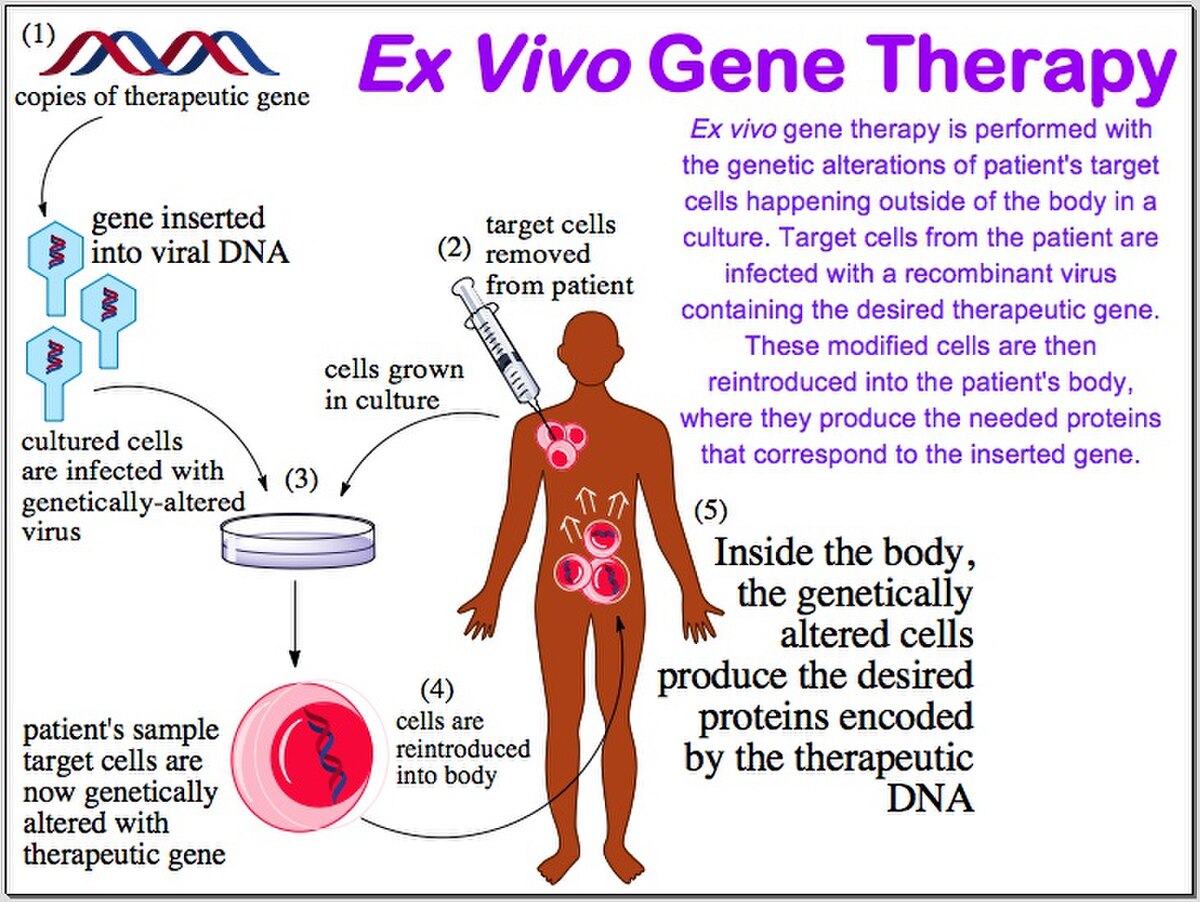
This diagram shows ex vivo gene therapy, where a patient's cells are extracted, modified outside the body with a viral vector, and reintroduced. Lizanne Koch, Public domain, via Wikimedia Commons
Most therapies rely on adeno-associated viruses (AAVs) or lentiviruses. AAVs work well for direct in vivo injections into the body because they trigger low immune responses and can target both dividing and nondividing cells. Lentiviruses are widely used in ex vivo procedures, where doctors remove a patient's cells, add the gene in a lab, and infuse the modified cells back into the body.
Non-viral systems provide another delivery route. Some modern approaches use short RNA molecules, like siRNA or antisense oligonucleotides, which reach liver cells using specialized GalNAc transporters rather than viral shells.
What gene therapy treats
In 1990, four-year-old Ashanthi DeSilva became the first widely recognized clinical success of gene therapy when she received treatment for ADA-SCID, a severe inherited immune disorder.
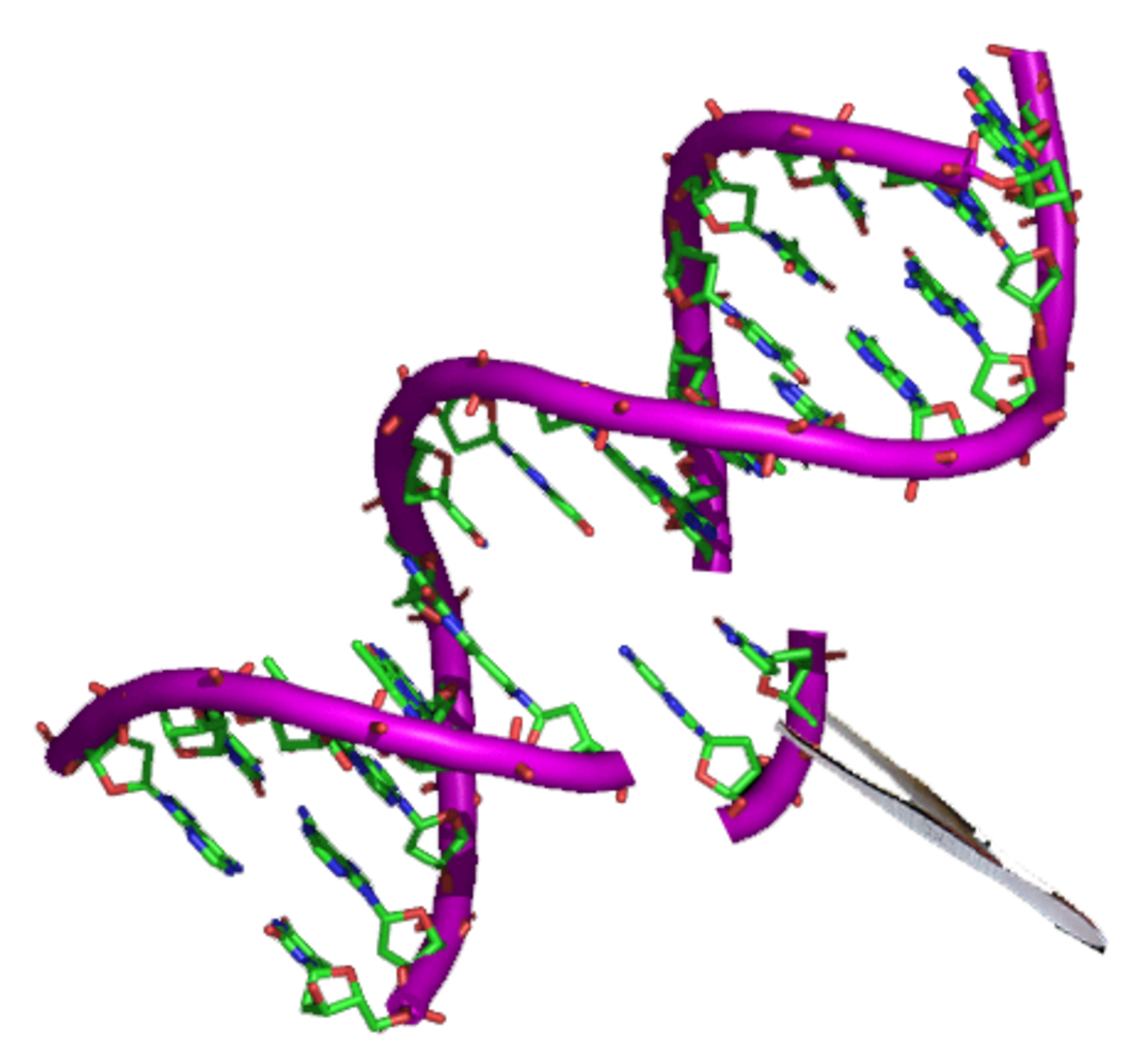
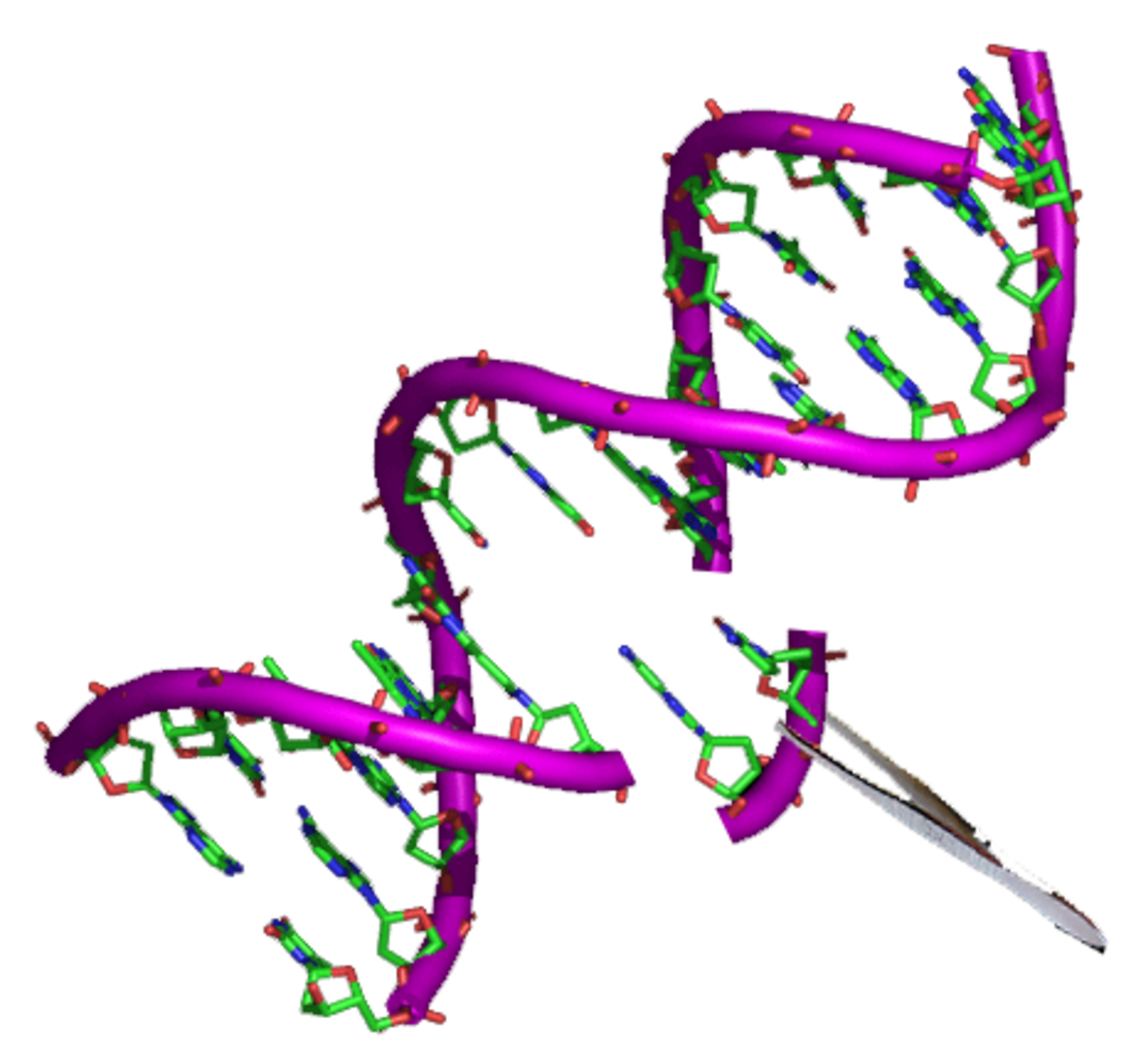
This illustration shows molecular scissors cutting DNA, representing how tools like CRISPR directly edit genetic sequences inside cells. Ciencias Españolas KoS, CC BY-SA 3.0, via Wikimedia Commons
Regulators have since approved multiple gene therapies targeting single-gene mutations and cancers. Gendicine gained approval in China in 2003 for cancer treatment, while alipogene tiparvovec received European approval in 2012 for lipoprotein lipase deficiency. Other approved treatments include voretigene neparvovec for inherited retinal disease and onasemnogene abeparvovec for spinal muscular atrophy.
Clinical trials also focus on conditions like hemophilia, Parkinson's disease, and leukemia. Treatments work either by adding functional proteins, silencing harmful gene expression, or using molecular scissors like CRISPR to edit faulty DNA sequences directly.
Test yourself
How does gene therapy fundamentally differ from traditional pharmaceutical treatments like daily insulin?
It alters the root biological blueprint. Gene therapy permanently changes the underlying genetic instructions rather than managing ongoing symptoms with daily chemicals.
How does gene therapy fundamentally differ from traditional pharmaceutical treatments like daily insulin?
It alters the root biological blueprint. Gene therapy permanently changes the underlying genetic instructions rather than managing ongoing symptoms with daily chemicals.
How does gene therapy fundamentally differ from traditional pharmaceutical treatments like daily insulin?
It alters the root biological blueprint. Gene therapy permanently changes the underlying genetic instructions rather than managing ongoing symptoms with daily chemicals.
Play the lesson in edgi and the card is yours. It lands on your Map next to the ideas it connects to, and turns from matte to foil to gold as you learn more around it.
No, organ transplants and bone marrow transplants are not classified as gene therapy, even though they introduce foreign DNA into a patient's body.
When did the first human gene transfer take place?
Martin Cline conducted the first human attempt in 1980 without authorization. The first federally approved human gene transfer took place in May 1989 at the National Institutes of Health.