Recombinant DNAMixing species to build new proteins
Recombinant DNA is an artificial DNA molecule created in a laboratory by joining genetic material from two or more different sources. Because all living things share the same chemical DNA structure, a host cell such as a bacterium or yeast can read this foreign code and manufacture the protein it describes. Scientists can even splice human genes into bacteria or join plant genes with bacterial DNA.
By the edgi team We find the most surprising true thing about an idea and build a 60-second lesson around it.
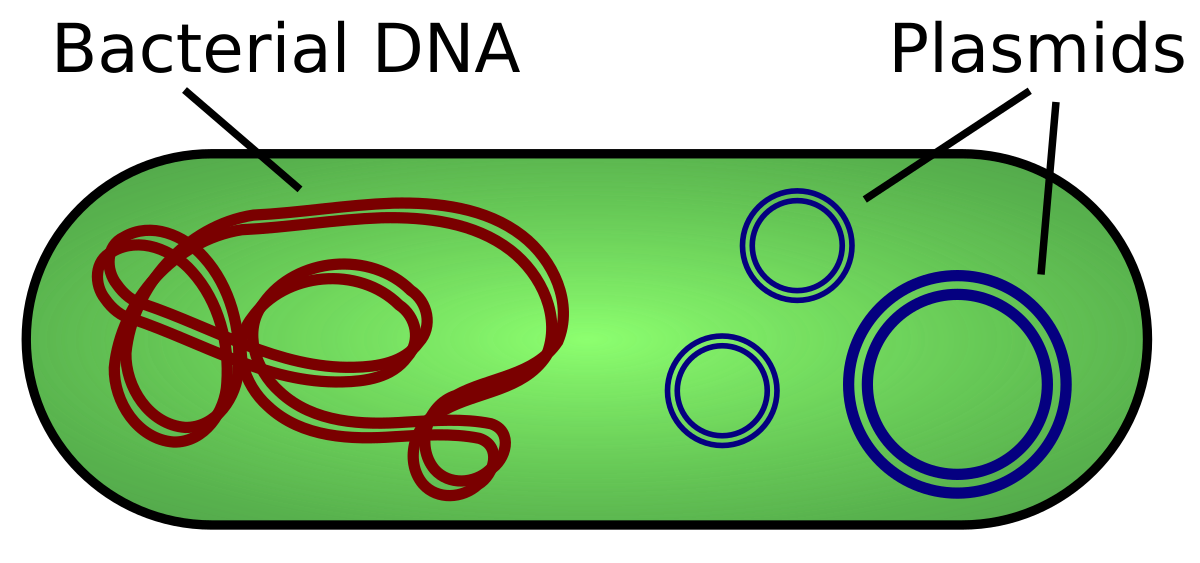
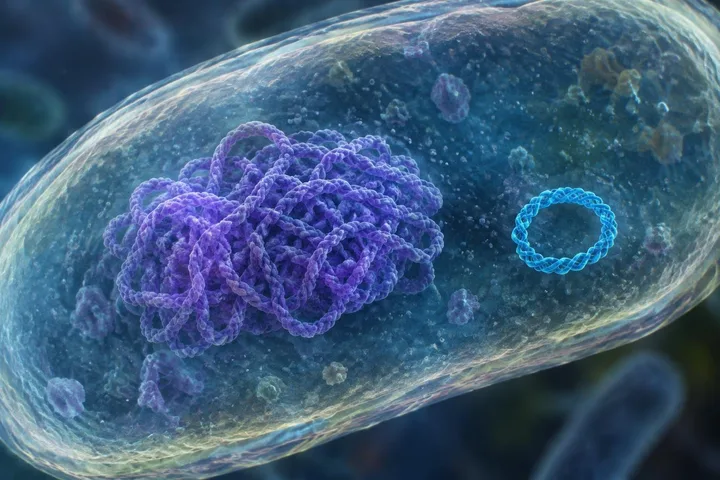
In 1972, scientists Herbert Boyer and Stanley Cohen met at a deli in Waikiki to discuss their research. Boyer had found enzymes that cut DNA with sticky ends, and Cohen knew how to smuggle DNA loops, called a Plasmid, into living cells.
Diagram of a bacterium showing its internal components: a large, tangled strand labeled "Bacterial DNA" and several smaller, circular structures labeled "Plasmids". User:Spaully on English wikipedia, CC BY-SA 2.5, via Wikimedia Commons
They realized that by combining their techniques, they could stitch genetic code from different species together like Lego bricks.
How it works
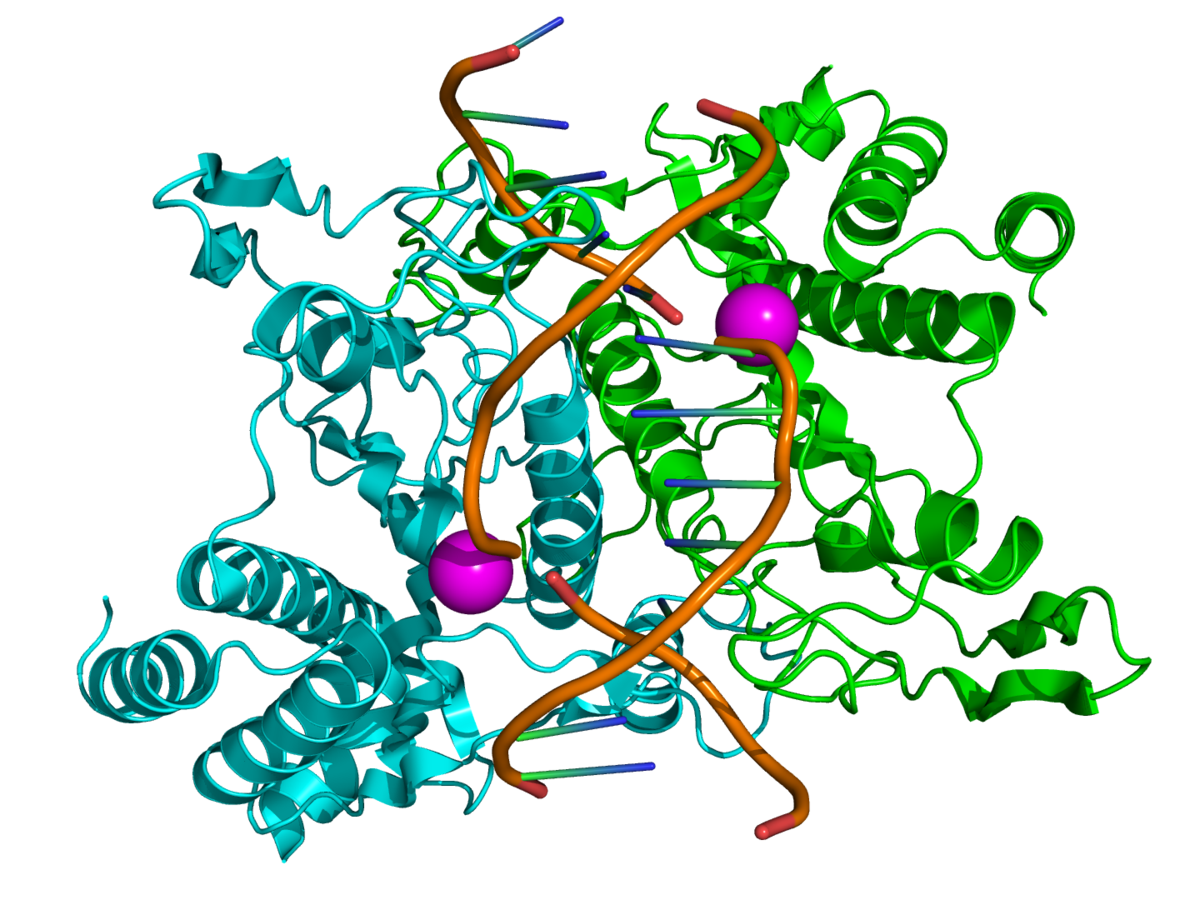
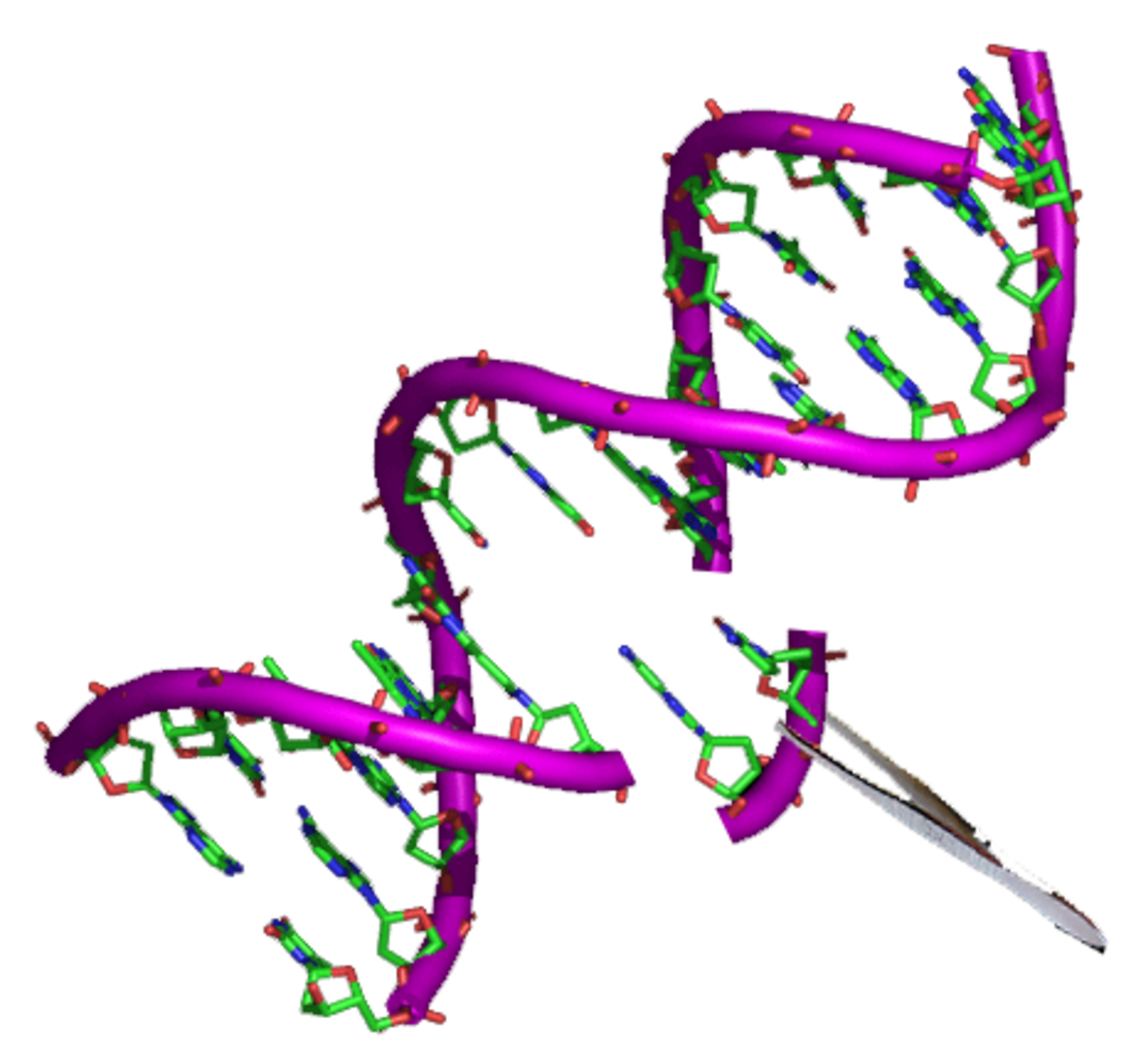
Recombinant DNA uses molecular scissors, known as a Restriction enzyme, to snip specific sequences out of a gene. A second enzyme, DNA ligase, acts as the glue to paste that fragment into a new host organism's DNA.
A molecular model of a restriction enzyme (1QPS) shows its complex structure interacting with a DNA double helix. Boghog2, Public domain, via Wikimedia Commons
The host cell, like a simple bacterium, reads the new instructions as if they were its own, producing the protein coded by the inserted gene.
The insulin revolution
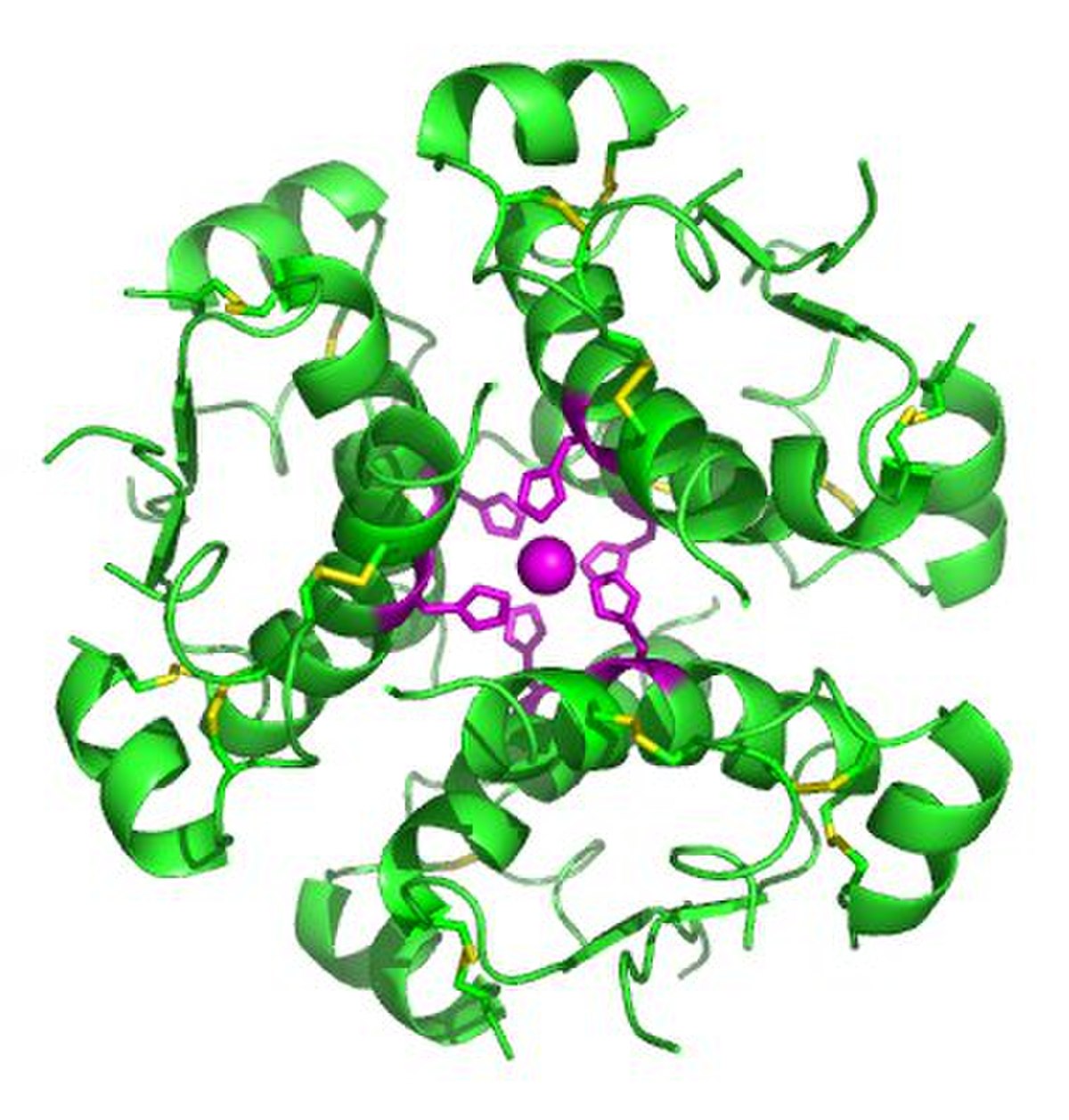
Before this, insulin for diabetics was harvested from the pancreases of slaughtered cows and pigs. In 1978, using this new technology, Genentech successfully inserted the human insulin gene into E. coli bacteria.
A computer-generated image of an insulin hexamer, showing its three-fold symmetry. The original uploader was Takometer at English Wikipedia., CC BY 2.5, via Wikimedia Commons
These tiny factories began mass-producing pure human insulin, saving countless lives and launching the modern era of Biotechnology.
Beyond medicine
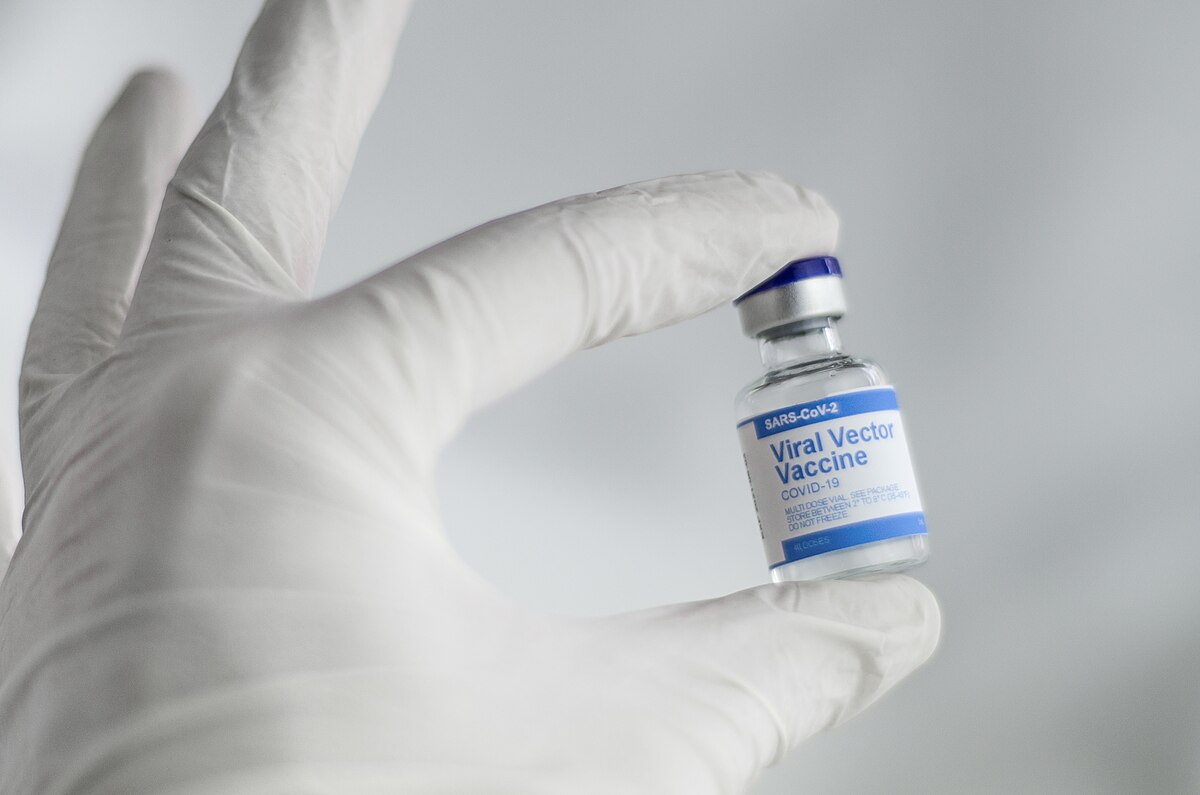
This modular approach to life’s code is now the foundation of Genetic engineering. We can use it to create everything from Viral vector vaccines that teach your immune system to fight, to BioSteel made from spider silk genes.
A gloved hand holds a small glass vial labeled "Viral Vector Vaccine" and "COVID-19." The vial has a blue cap and contains a clear liquid. Spencerbdavis, CC BY 4.0, via Wikimedia Commons
It is the ultimate tool for reprogramming biology to solve human problems.
How molecular cloning builds recombinant DNA
Recombinant DNA works because DNA uses the same chemical backbone across all organisms, differing only in the sequence of its bases. Researchers take advantage of this universal chemistry through molecular cloning. They use restriction enzymes to cut target DNA at specific palindromic sequences, creating sticky or blunt ends. DNA ligase then pastes the foreign sequence into a cloning vector, such as a bacterial plasmid or viral DNA.
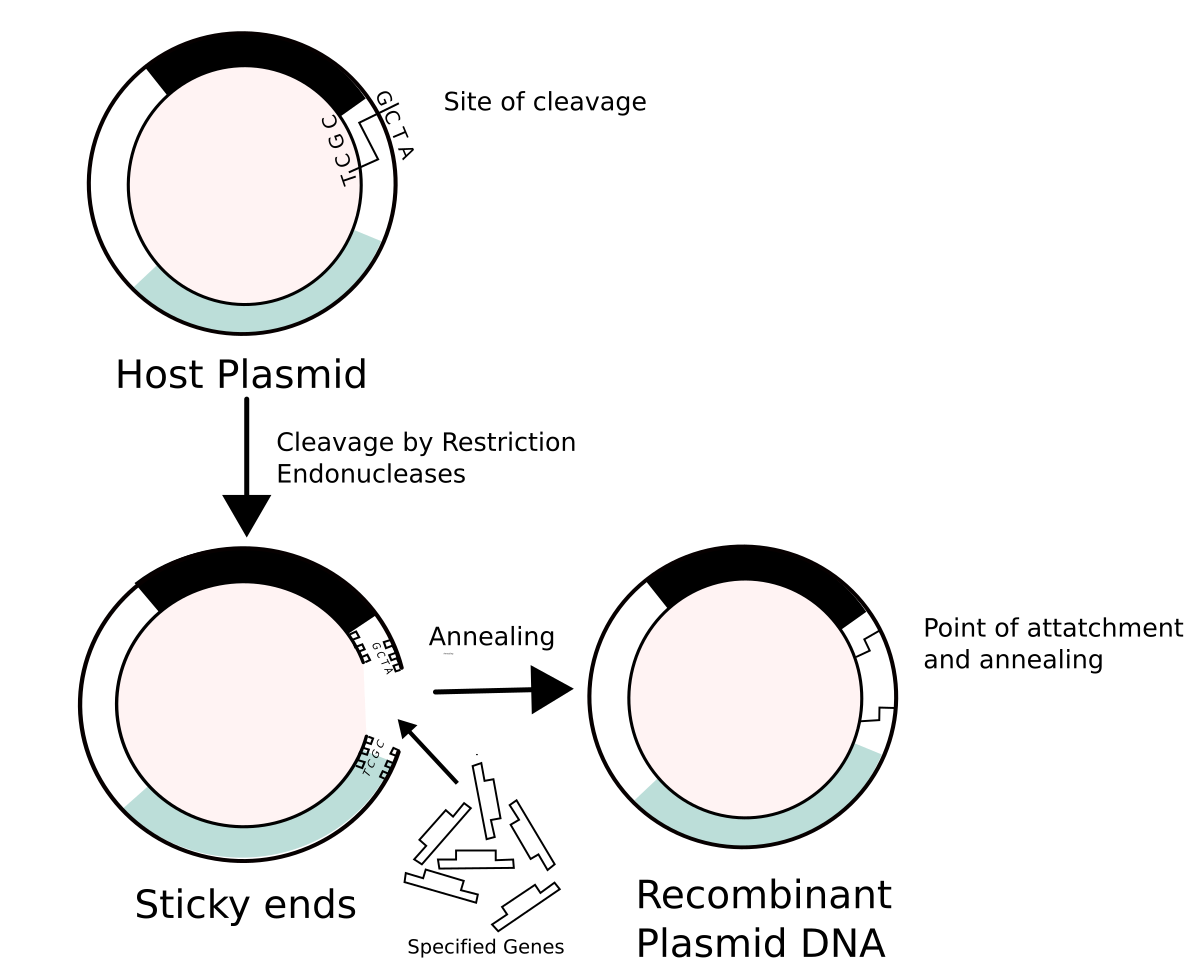
A foreign DNA fragment is spliced into a circular plasmid vector, disrupting a host gene at the insertion site. Minestrone Soup at English Wikipedia, CC BY-SA 3.0, via Wikimedia Commons
Unlike polymerase chain reaction, which amplifies DNA in a test tube without living cells, molecular cloning replicates the assembled DNA inside living host cells. Standard cloning protocols follow seven steps: picking the host and vector, preparing the vector DNA, preparing the target DNA, assembling the recombinant molecule, introducing it into the host, selecting the modified organisms, and screening the final clones.
Turning spliced genes into recombinant proteins
Inserting foreign DNA into a cell does not guarantee that the cell will produce the target protein. Host cells, such as bacteria, yeast, insect cells, or Chinese hamster ovary cells, often require specialized expression vectors. These vectors provide essential signals, including promoters and transcription terminators, so the host cellular machinery can properly read and translate the foreign code.
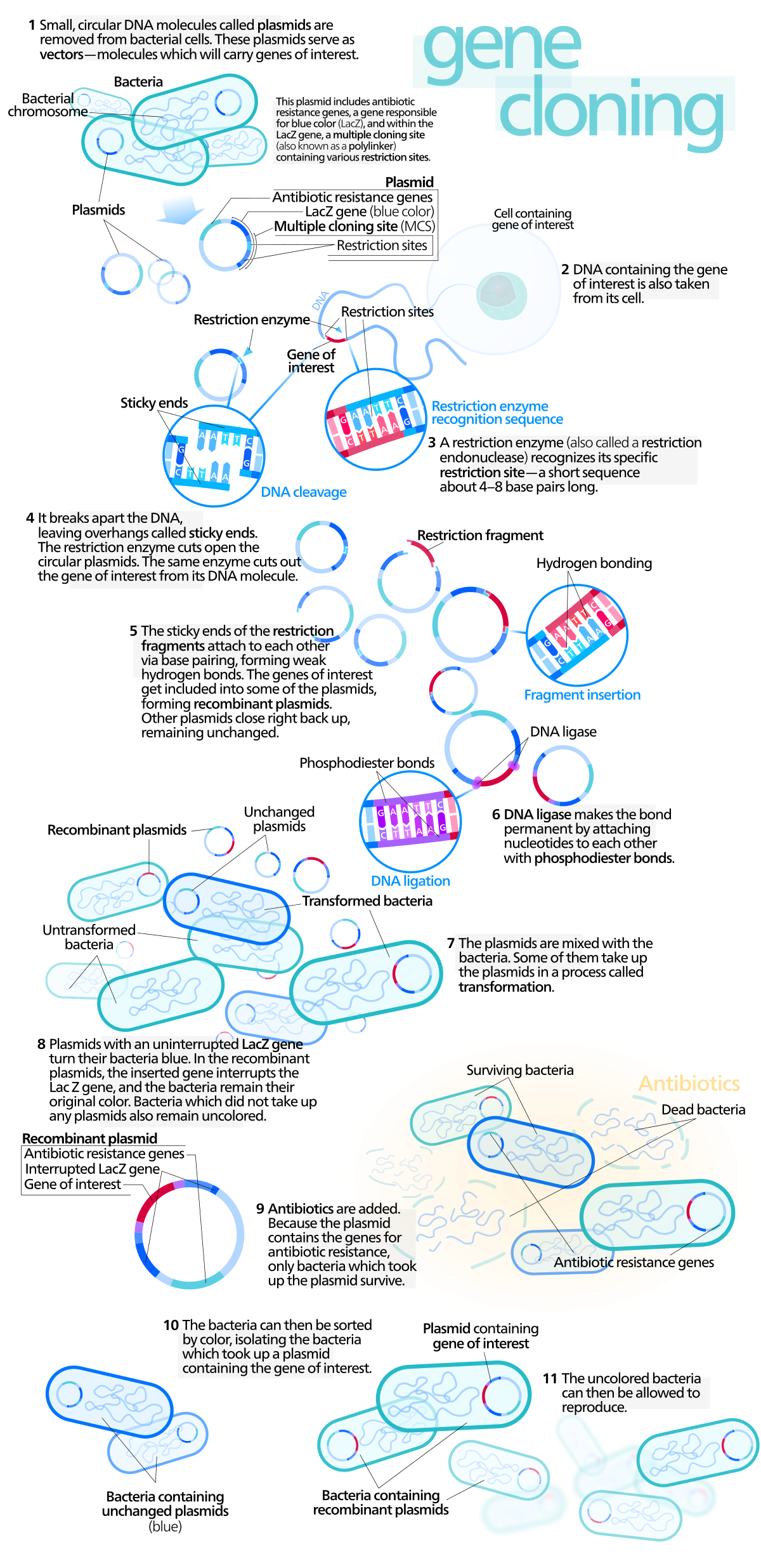
This workflow illustrates the full cloning pathway from restriction enzyme cleavage to the final selection of modified bacteria. Kelvinsong, CC BY-SA 3.0, via Wikimedia Commons
Most modified organisms show no outward changes in appearance, behavior, or metabolism. However, recombinant DNA can sometimes disrupt the host cell. If a foreign sequence inserts directly into an existing gene, it causes insertional inactivation, knocking out that gene's function. Alternatively, placing an active promoter next to a previously silent host gene can accidentally trigger unintended gene activity.
Test yourself
How do host cells process foreign genetic sequences introduced via Recombinant DNA technology?
They read them as their own instructions. A host cell reads newly inserted genetic instructions as if they were native, allowing it to produce the proteins coded by the foreign gene.
What major shift did Recombinant DNA technology cause in medicine like insulin production?
It replaced animal harvests with microbes. Before recombinant DNA, insulin was harvested from slaughtered animals. Inserting human genes into bacteria allowed microbes to mass-produce pure insulin.
In Recombinant DNA, what is the role of DNA ligase?
It acts as the glue to paste fragments. Restriction enzymes snip specific DNA sequences, while DNA ligase acts as the molecular glue that pastes the fragment into a new host organism.
Play the lesson in edgi and the card is yours. It lands on your Map next to the ideas it connects to, and turns from matte to foil to gold as you learn more around it.
How does recombinant DNA differ from natural genetic recombination?
Genetic recombination is a normal biological process that remixes existing DNA sequences within living organisms. Recombinant DNA specifically refers to artificial molecules created through laboratory methods by joining pieces from separate sources.
Can synthetic DNA be used to make recombinant DNA?
Yes. Sequences created entirely through chemical DNA synthesis can be spliced into cloning vectors alongside natural DNA from any species.
How do scientists detect recombinant DNA in an organism?
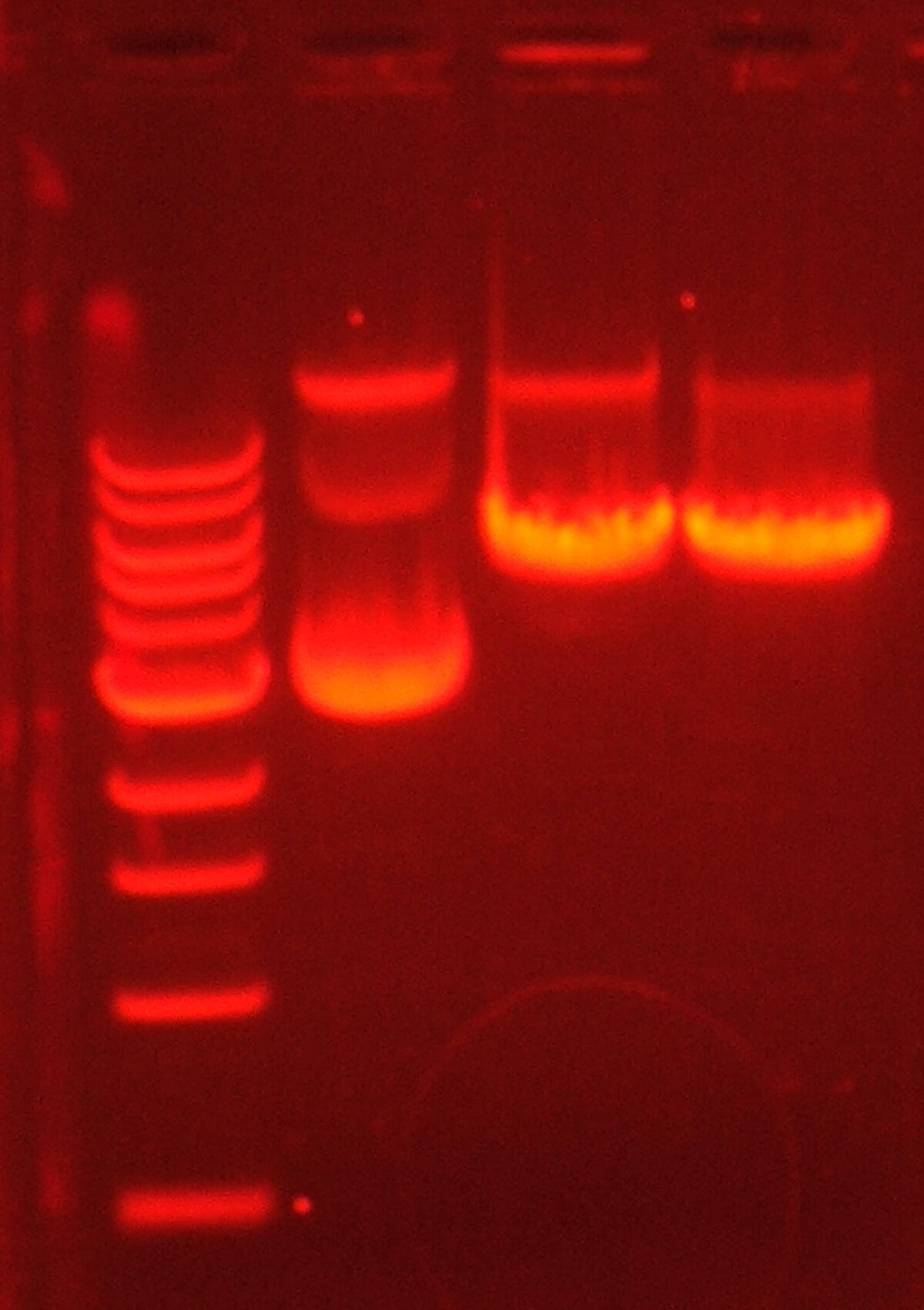
Because most host organisms look and behave normally, scientists identify recombinant sequences using tests like polymerase chain reaction (PCR). If the inserted gene is active, researchers detect its RNA or protein products using RT-PCR or western hybridization.