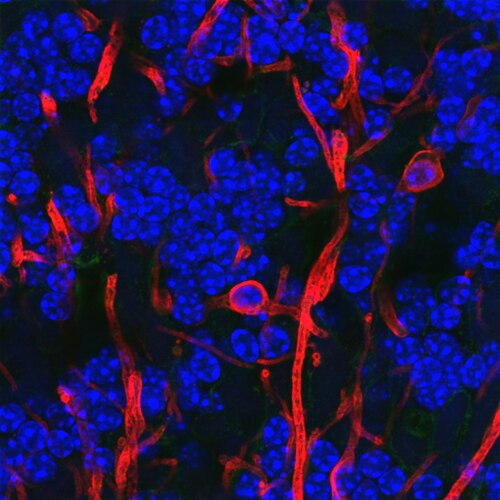
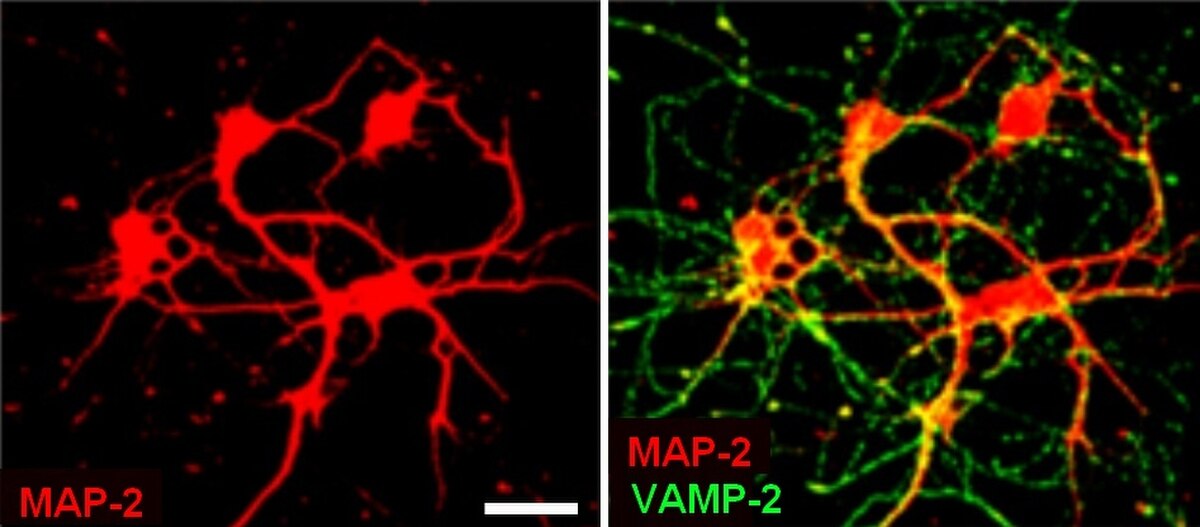
Glial cells are non-neuronal cells in the nervous system that support, protect, and insulate neurons instead of firing electrical impulses. They make up about half the volume of the brain and spinal cord, performing essential maintenance like delivering nutrients and clearing dead tissue. Without them, neurons cannot transmit signals efficiently or survive.
By the edgi team We find the most surprising true thing about an idea and build a 60-second lesson around it.
For a long time, scientists thought neurons were the absolute stars of the brain while glial cells were just passive filler. The word glia literally means glue, reflecting the early belief that they merely held the wiring together.
In reality, they make up over half the brain's volume and do the heavy lifting that keeps neurons alive.
Einstein's brain
In 1984, neuroscientist Marian Diamond examined preserved sections of Albert Einstein’s brain. She discovered he did not have more neurons than the average man.
Instead, he had a significantly higher concentration of glial cells in the area responsible for complex thought.
The support crew
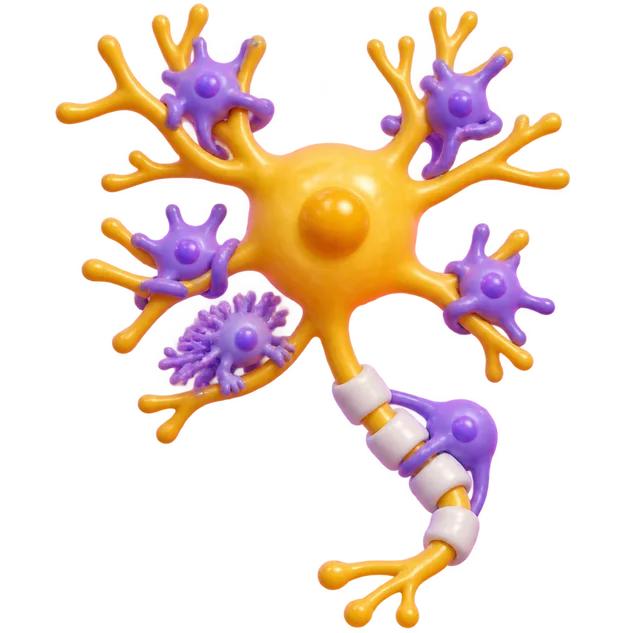
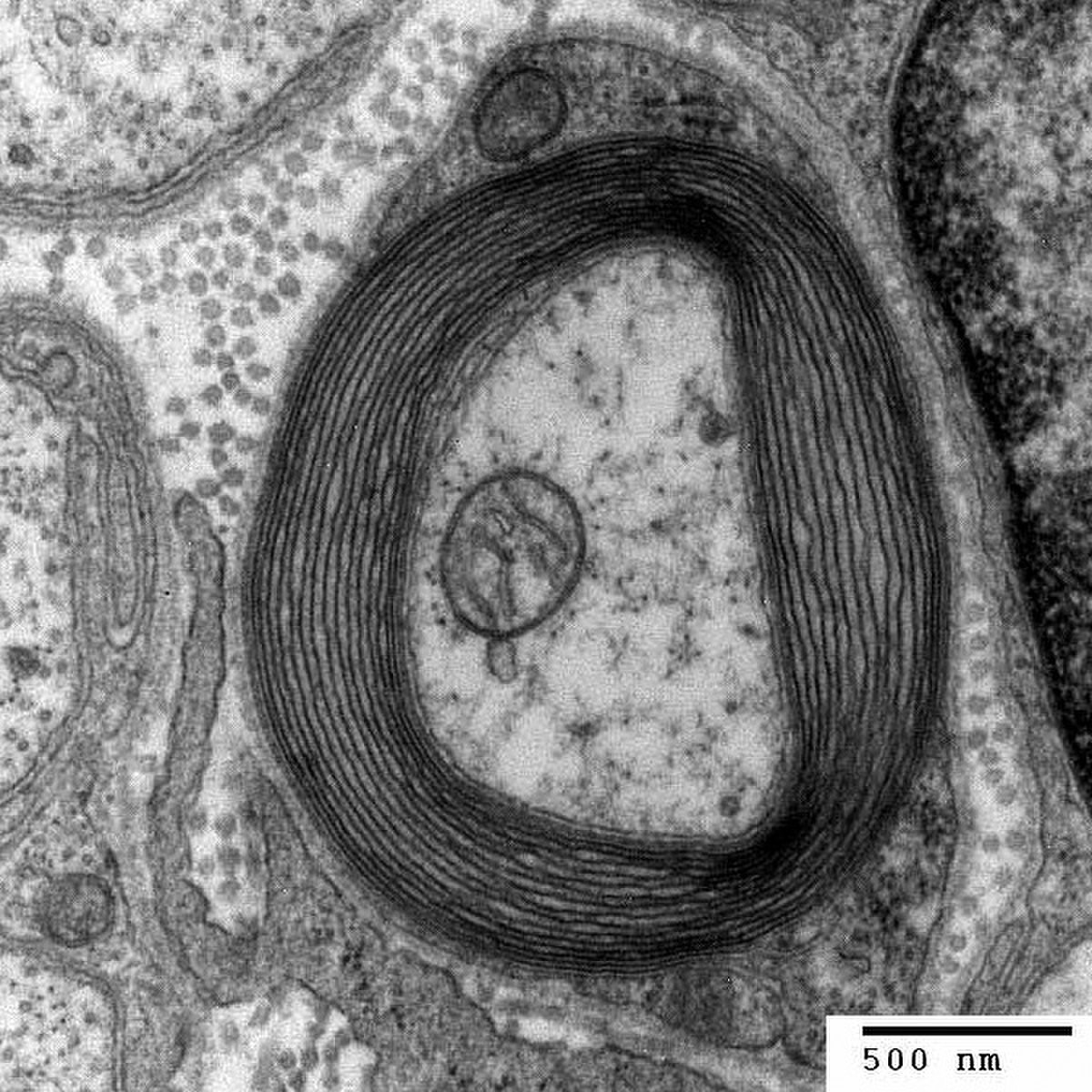
Different glial cells act as the brain's power grid, janitorial crew, and security force. Some wrap around neurons to form myelin, speeding up electrical signals like insulation on a wire.
Transmission electron micrograph of a cross-section of a myelinated PNS axon, showing multiple concentric layers of myelin surrounding the axon. user:Roadnottaken, CC BY-SA 3.0, via Wikimedia Commons
Others, known as microglia, patrol the tissue as immune cells, clearing out damaged debris and fighting neuroinflammation.
What types of glial cells exist?
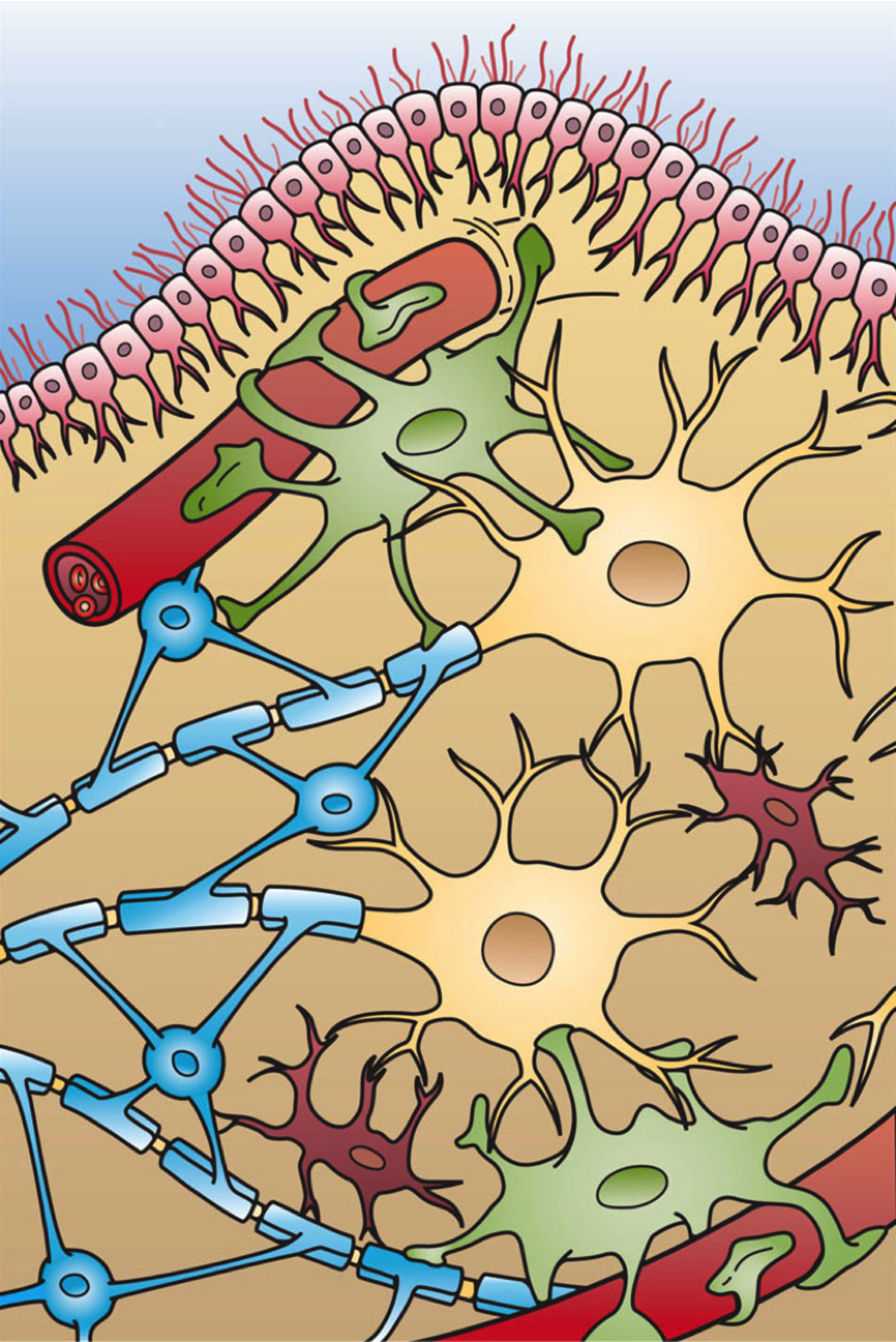
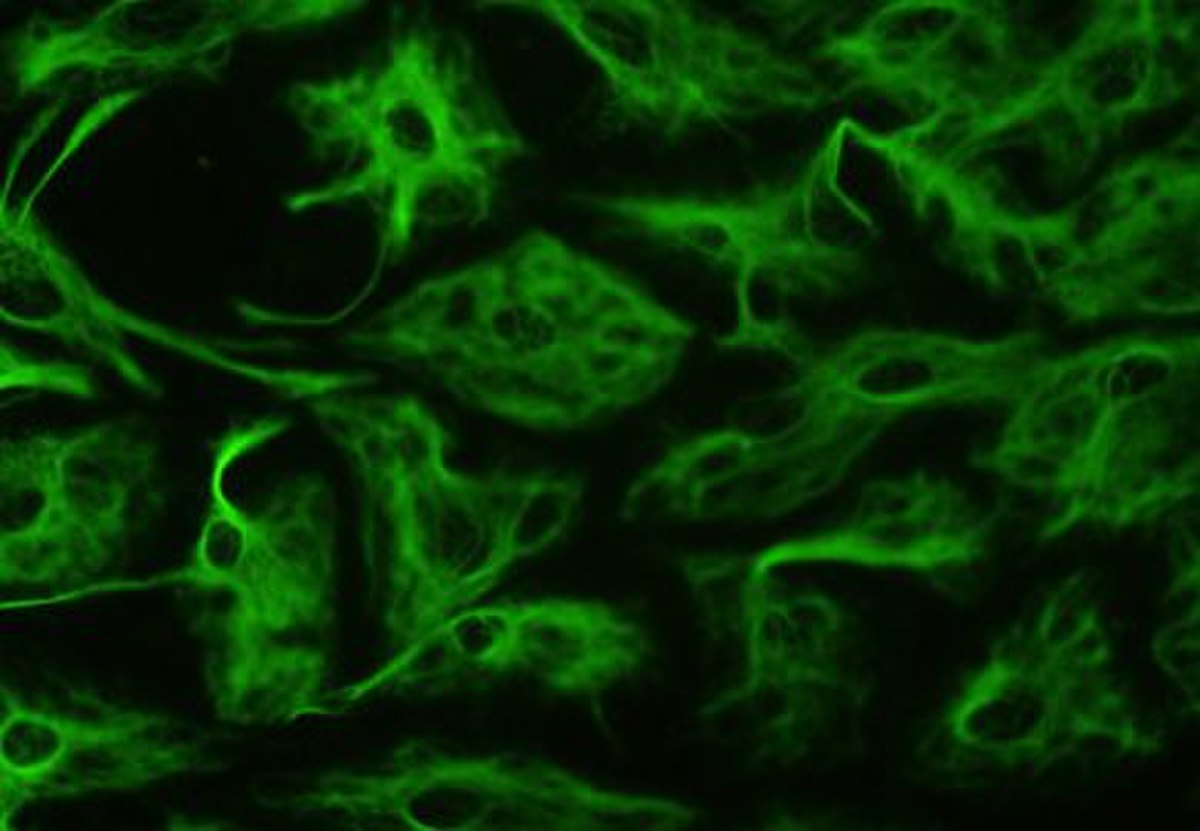
In the central nervous system, glial cells fall into several distinct varieties. Oligodendrocytes make up the largest portion, between 45 and 75 percent, and produce the fatty myelin sheath that insulates axons. Astrocytes account for 19 to 40 percent, supplying nutrients and oxygen to neurons while regulating surrounding extracellular fluid. Ependymal cells line fluid cavities, and specialized versions called tanycytes line the base of the third ventricle.
Different glial cell classes perform distinct roles, with oligodendrocytes wrapping myelin around axons while astrocytes connect to blood vessels. Artwork by Holly Fischer, CC BY 3.0, via Wikimedia Commons
The peripheral nervous system relies on its own varieties. Schwann cells provide the myelin insulation for peripheral nerves, while satellite cells support peripheral ganglia.
How do microglia protect the brain?
Microglia act as the dedicated immune defenders of the central nervous system, making up roughly 10 percent or less of all brain glia. Unlike other glial cells that originate from embryonic ectodermal tissue, microglia develop from yolk sac blood cells and enter the brain early in development.
These small, mobile cells constantly sample their environment, including nearby blood vessels and neurons. When brain tissue suffers damage, microglia multiply, direct inflammation, and engulf dead cells and invading pathogens through phagocytosis. Deficiencies in microglial function are associated with conditions like Alzheimer's disease, Parkinson's disease, and ALS.
Do glial cells outnumber neurons?
Pathologist Rudolf Virchow first described glia in 1856, naming them after the Greek word for glue because he viewed them as simple connective tissue. Older estimates claimed glia outnumbered neurons ten to one. Modern quantification shows the overall human brain holds roughly 85 billion glial cells, which is roughly equal to its total neuron count.
Distribution varies sharply depending on the brain region. In the cerebral cortex, glia outnumber neurons by a ratio of 3.72 to 1. In the cerebellum, neurons vastly dominate, leaving a glia-to-neuron ratio of only 0.23 to 1.
Test yourself
What was the historical view of glial cells in the nervous system?
Passive filler holding wiring together. Glial cells were long dismissed as mere packing material, but modern science shows they actively support and protect neurons.
Are glial cells primarily passive filler material that merely hold neurons together?
False. Though early scientists labeled them as mere glue, glial cells are active participants that insulate neurons, manage waste, and regulate the environment required for cognition.
Play the lesson in edgi and the card is yours. It lands on your Map next to the ideas it connects to, and turns from matte to foil to gold as you learn more around it.
Yes, glia retain the ability to divide during adulthood, which is why they multiply at injury sites. However, mature astrocytes and oligodendrocytes do not divide; this proliferation relies on resident oligodendrocyte precursor cells.
Do glial cells influence memory and neurotransmission?
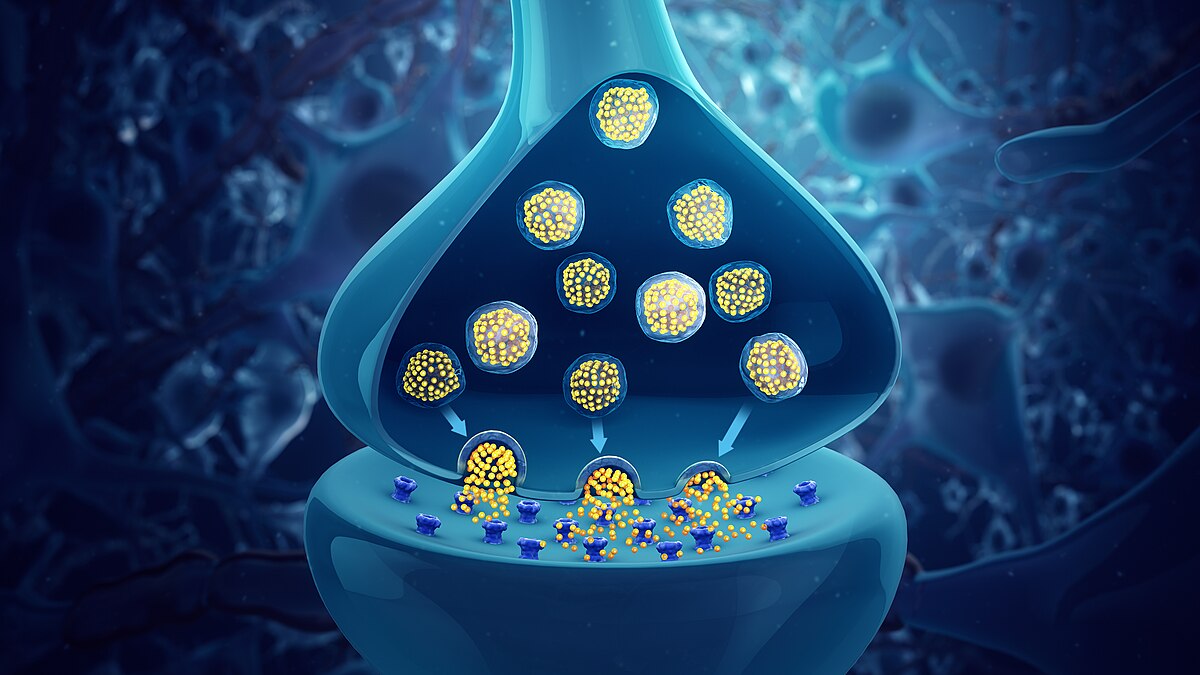
Yes. While glia do not generate electrical action potentials, they actively respond to and manipulate neurotransmission, regulate synaptic connections, and affect both memory preservation and consolidation.