The shadow brain
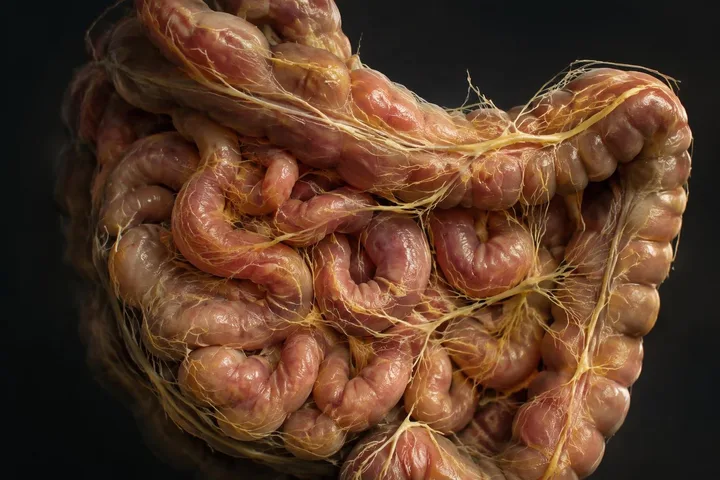
You carry three pounds of microbes in your gut that act like a second brain. They produce 95% of your body's serotonin, the chemical that regulates your mood.
If these bacteria are unhappy, your brain feels it instantly.
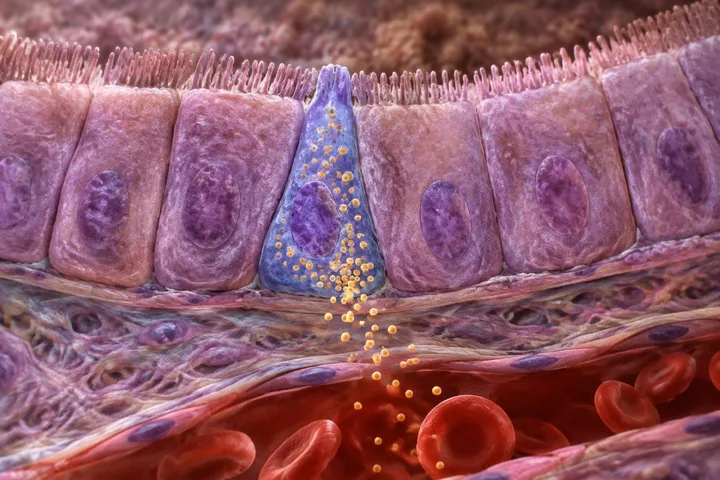
The gut microbiome is the community of trillions of microorganisms, including bacteria, fungi, archaea, and viruses, living inside your digestive tract. These microbes carry roughly a hundred times more genes than the human genome and produce compounds that regulate immune function, metabolism, and mood. Because they release chemical messengers directly into the bloodstream, they function much like an internal endocrine organ.

By the edgi team We find the most surprising true thing about an idea and build a 60-second lesson around it.
You carry three pounds of microbes in your gut that act like a second brain. They produce 95% of your body's serotonin, the chemical that regulates your mood.
If these bacteria are unhappy, your brain feels it instantly.
In 1958, Dr. Ben Eiseman saved dying patients by performing a Fecal microbiota transplant. He used donor stool to re-seed their failing systems. The medical establishment ignored him for decades because using waste as medicine seemed repulsive.
We now know he wasn't just curing an infection; he was rebooting a complex biological computer. But this ecosystem is fragile. A single round of heavy Antibiotic treatment can clear-cut your internal forest like a wildfire, triggering everything from anxiety to chronic inflammation.
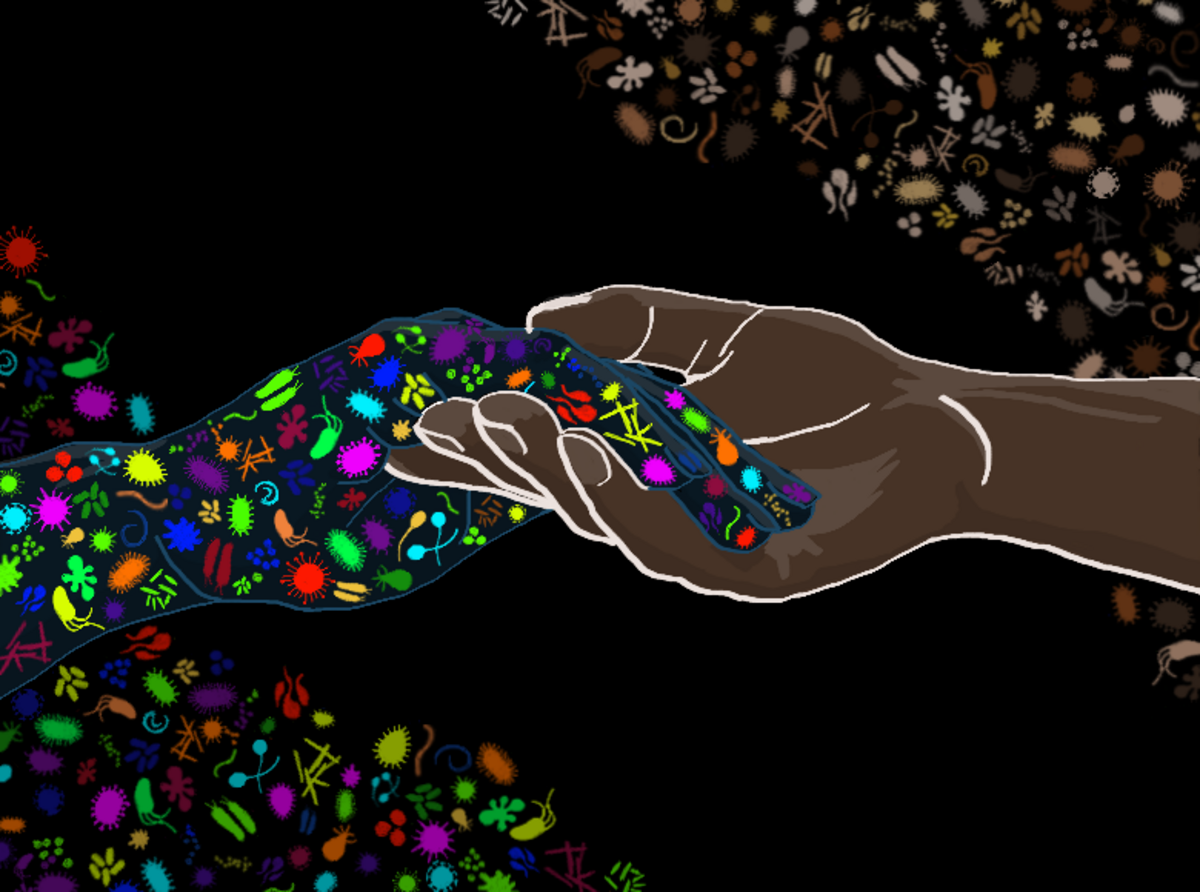
Your personality might actually be a partnership between your human cells and the Microbiome you host.
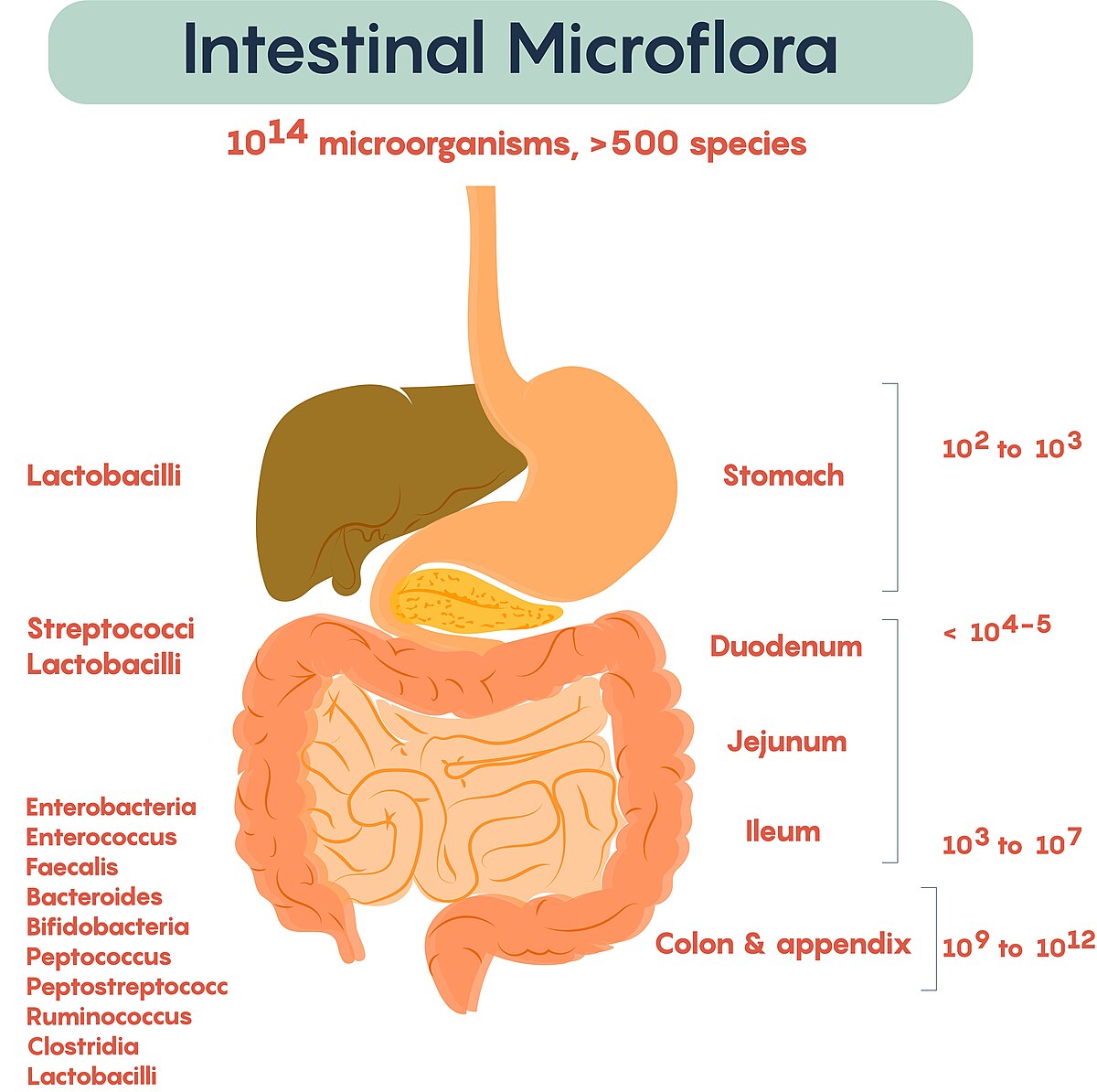
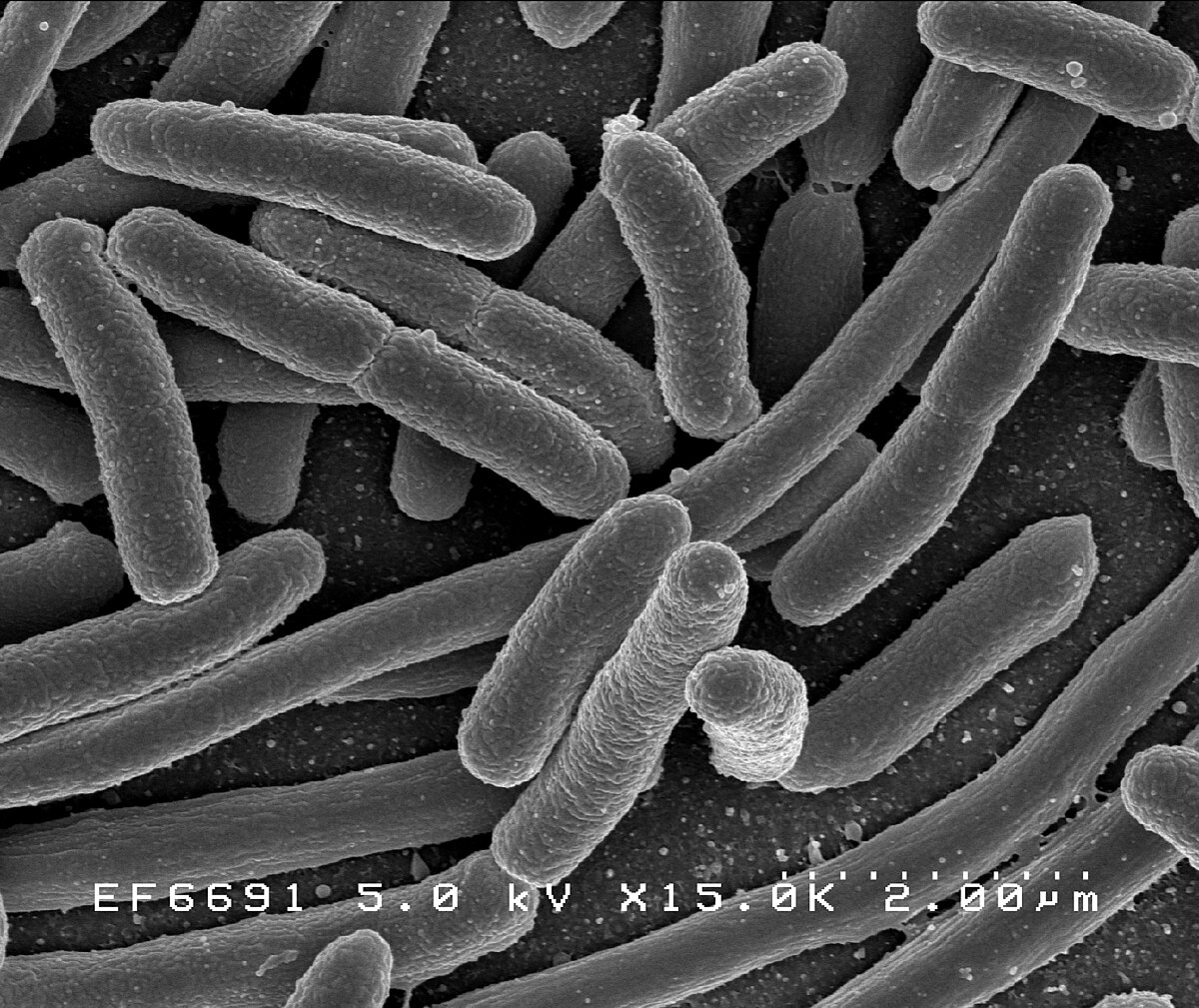
The colon holds the highest microbial density of any studied community in the human body, containing between 300 and 1000 different species. Over 99% of these bacteria are anaerobes, organisms that thrive without oxygen. Bacteria from the genus Bacteroides alone make up roughly 30% of all gut bacteria.
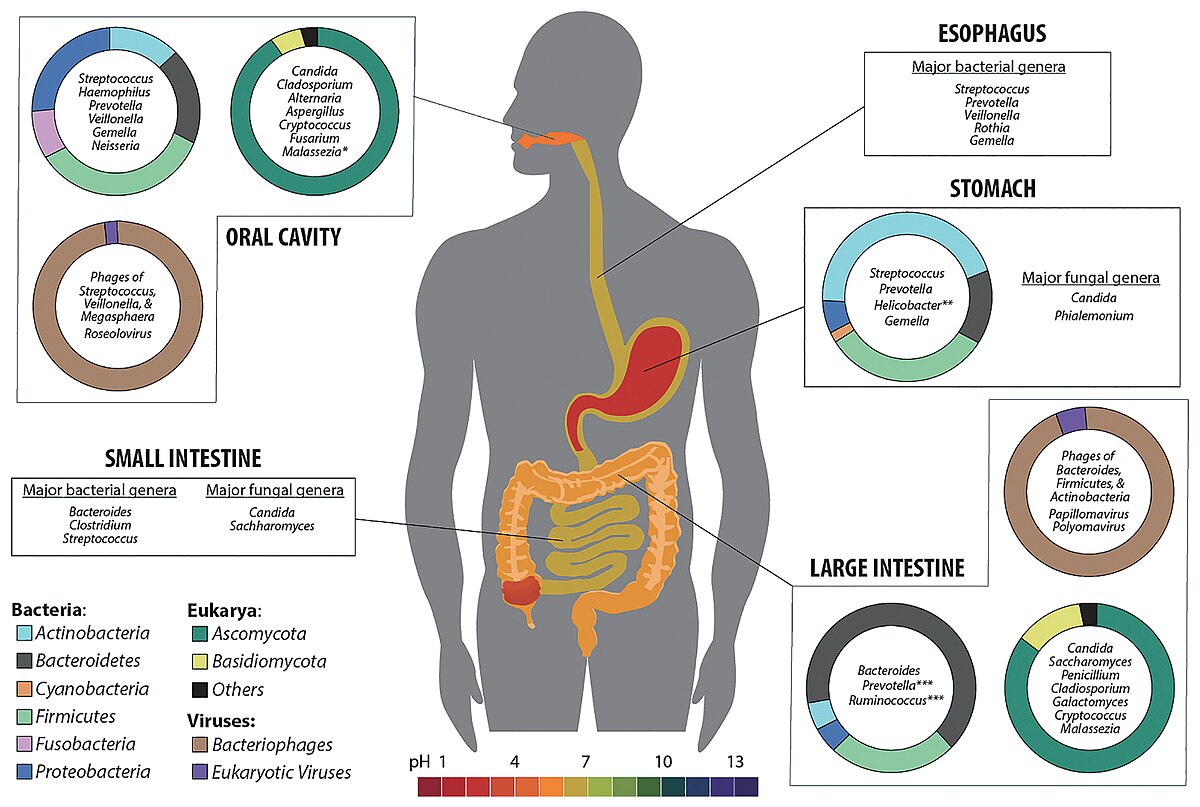
These microbes break down dietary fiber through fermentation to create short-chain fatty acids like acetic acid and butyric acid. The body absorbs these fatty acids to use as energy and regulatory signals. Gut bacteria also synthesize essential nutrients, including vitamin K and several B vitamins, while metabolizing bile acids, sterols, and pharmaceutical drugs.
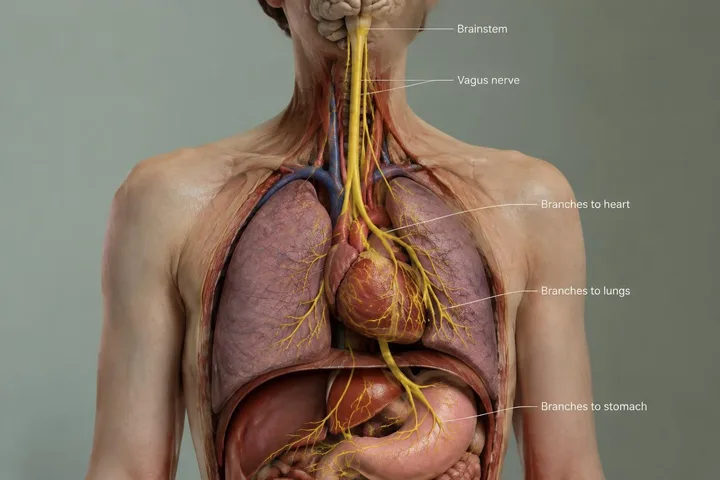
Microbes communicate directly with the central nervous system through the gut-brain axis. Bacteria in the digestive tract produce chemical compounds, including roughly 95% of the body's serotonin, that help regulate mood and behavior.
Diets rich in vegetables and fiber, such as the Mediterranean diet, stimulate the growth of beneficial bacteria that support brain health. Disruptions to this balance, known as dysbiosis, are linked to inflammatory bowel disease, autoimmune conditions, and neurological disorders. Heavy antibiotic treatments can clear out large portions of this community, triggering anxiety and systemic inflammation.
What is a primary risk when broad-spectrum antibiotics disrupt the gut microbiome ecosystem?
Loss of microbial diversity and mood shifts. Heavy antibiotics act like a wildfire, clearing beneficial microbes and frequently triggering anxiety, inflammation, or mood instability.
Does the gut microbiome primarily function as a passive digestive filter or an active neural partner?
An active neural partner. Gut microbes actively influence mood and neurology by producing neurotransmitters like serotonin, acting far beyond mere digestion.
Does the gut microbiome primarily function as a digestive processor or an active mood regulator?
An active mood regulator. The gut microbiome produces the vast majority of the body's serotonin, directly influencing mental state and mood alongside physical digestion.
Collectible card
Play the lesson in edgi and the card is yours. It lands on your Map next to the ideas it connects to, and turns from matte to foil to gold as you learn more around it.
The gut flora is established at birth and gradually shifts toward an adult-like community by age two. This timing coincides with the maturation of the intestinal mucosal barrier, which protects the body while maintaining a mutualistic relationship with resident microbes.
A fecal microbiota transplant is a procedure where donor stool is transferred into a patient's digestive tract to restore a healthy microbial community. Dr. Ben Eiseman first used the method in 1958 to treat critically ill patients by re-seeding their depleted gut ecosystems.
Part of the Set · 6 cards
Your gut has more neurons than your spinal cord, and it doesn't answer to your brain.
Lesson complete
You finished the lesson. In edgi, the card goes on your Map next to everything else you learn.