SerotoninThe gut chemical that controls your brain
Serotonin is a chemical messenger that nerve cells use to communicate with each other and with the rest of the body. While best known for regulating mood, sleep, and impulse control in the brain, roughly 90 percent of it is actually produced in the digestive tract to manage gut movements. It also circulates in the blood to help blood vessels constrict and blood clots form.
By the edgi team We find the most surprising true thing about an idea and build a 60-second lesson around it.
In 1948, researcher Maurice Rapport was hunting for a substance in beef blood that caused vessels to constrict. He found a chemical he called a serum-tonic, serotonin. He had no idea this vascular chemical was the same molecule that would later define human emotion.
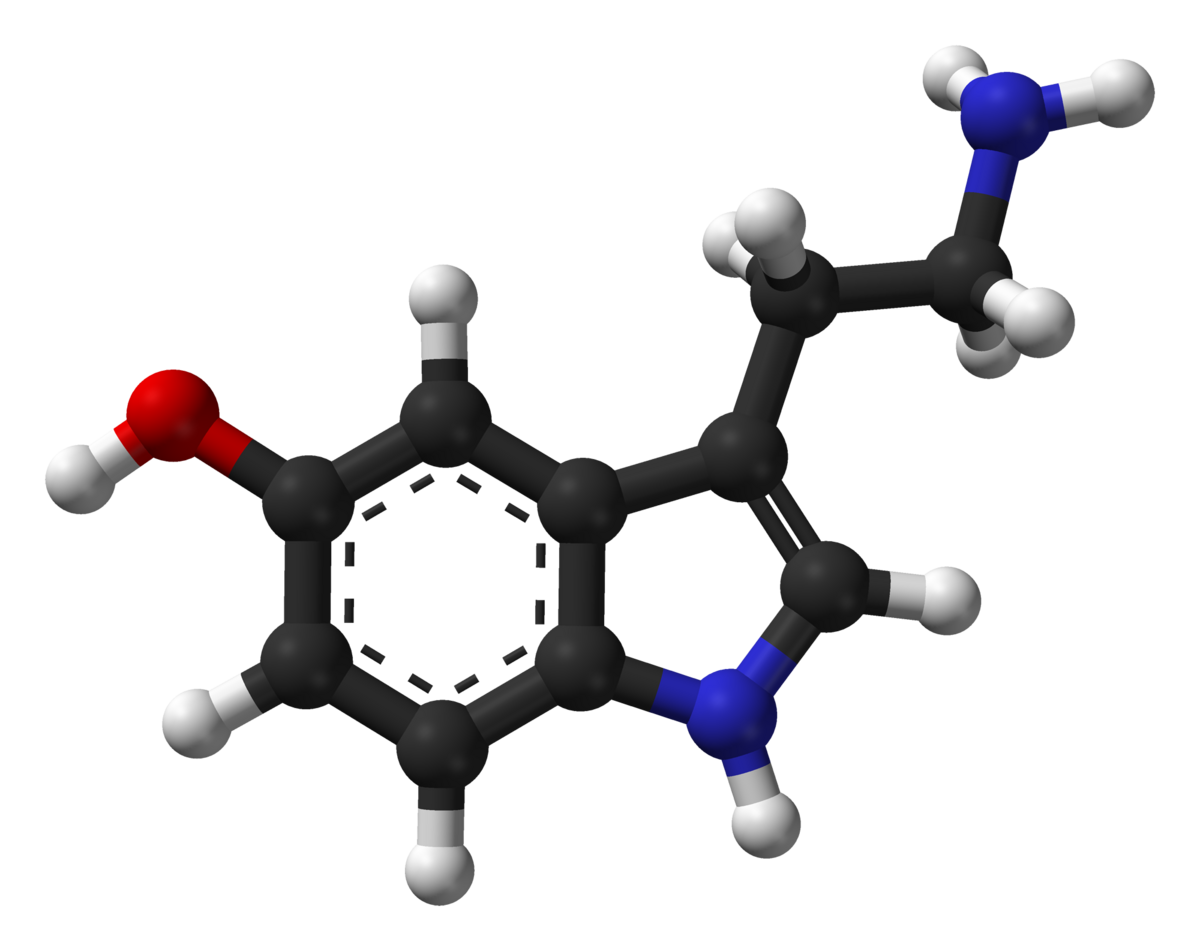
3D ball-and-stick model of a serotonin molecule. Ben Mills, Public domain, via Wikimedia Commons
The gut headquarters
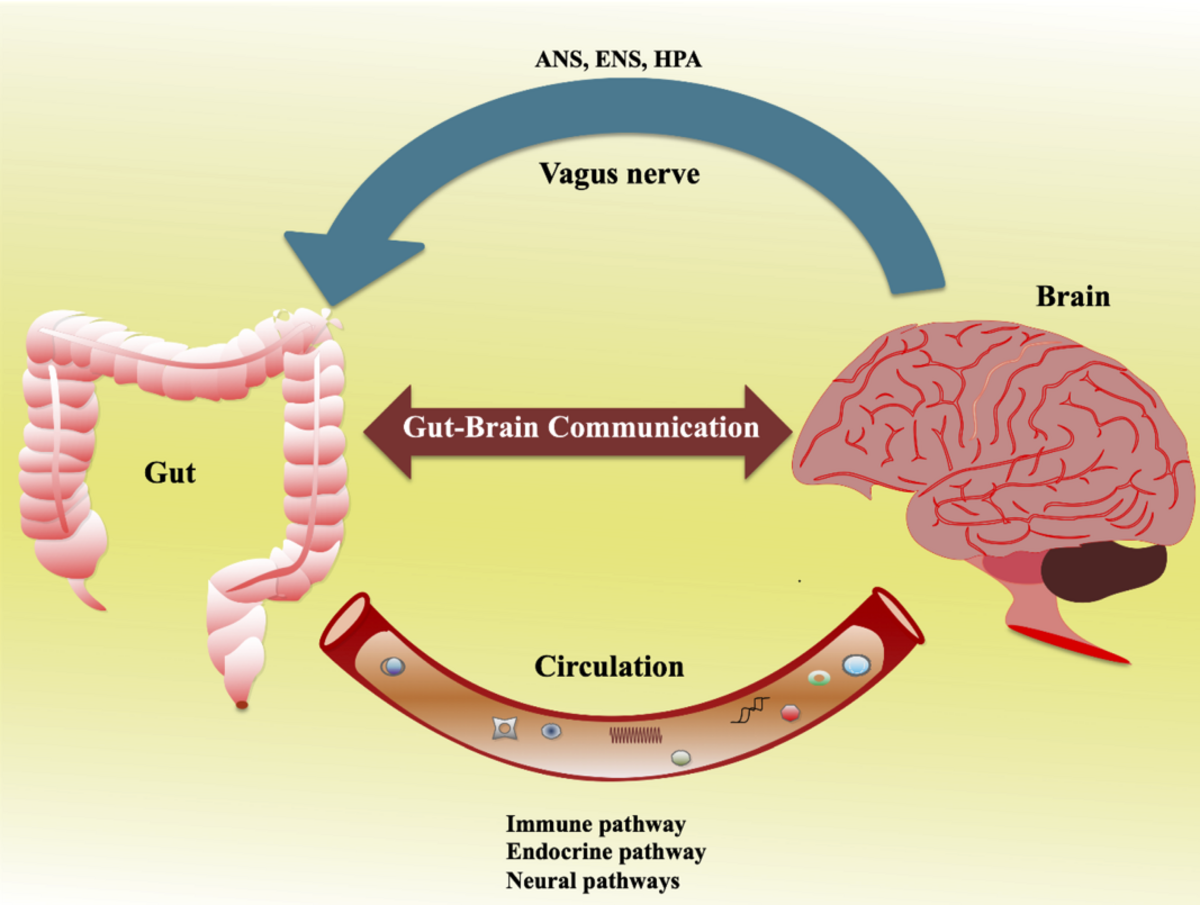
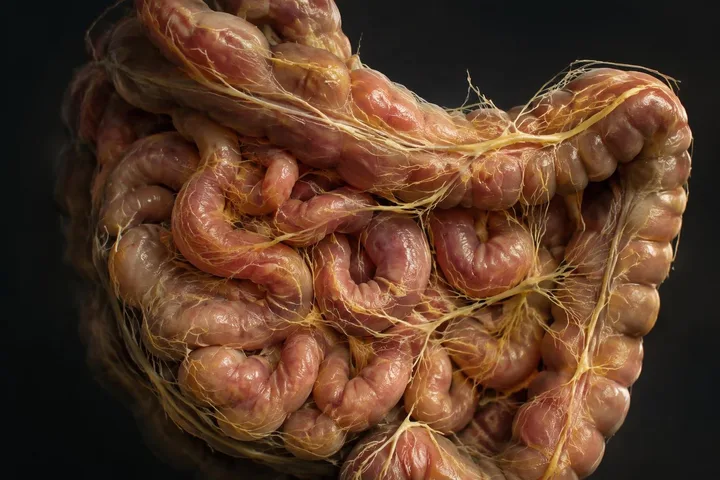
We view serotonin as a brain chemical, but 95% of it is actually produced in your digestive tract. It helps manage your gut-brain axis, coordinating digestion and signaling your body's internal state. Your 'gut feeling' is literal biochemistry.
A diagram illustrates the Gut-Brain Communication axis, showing a bidirectional relationship between the gut and the brain. Suganya, Kanmani, and Byung-Soo Koo, CC BY 4.0, via Wikimedia Commons
A brake on impulse
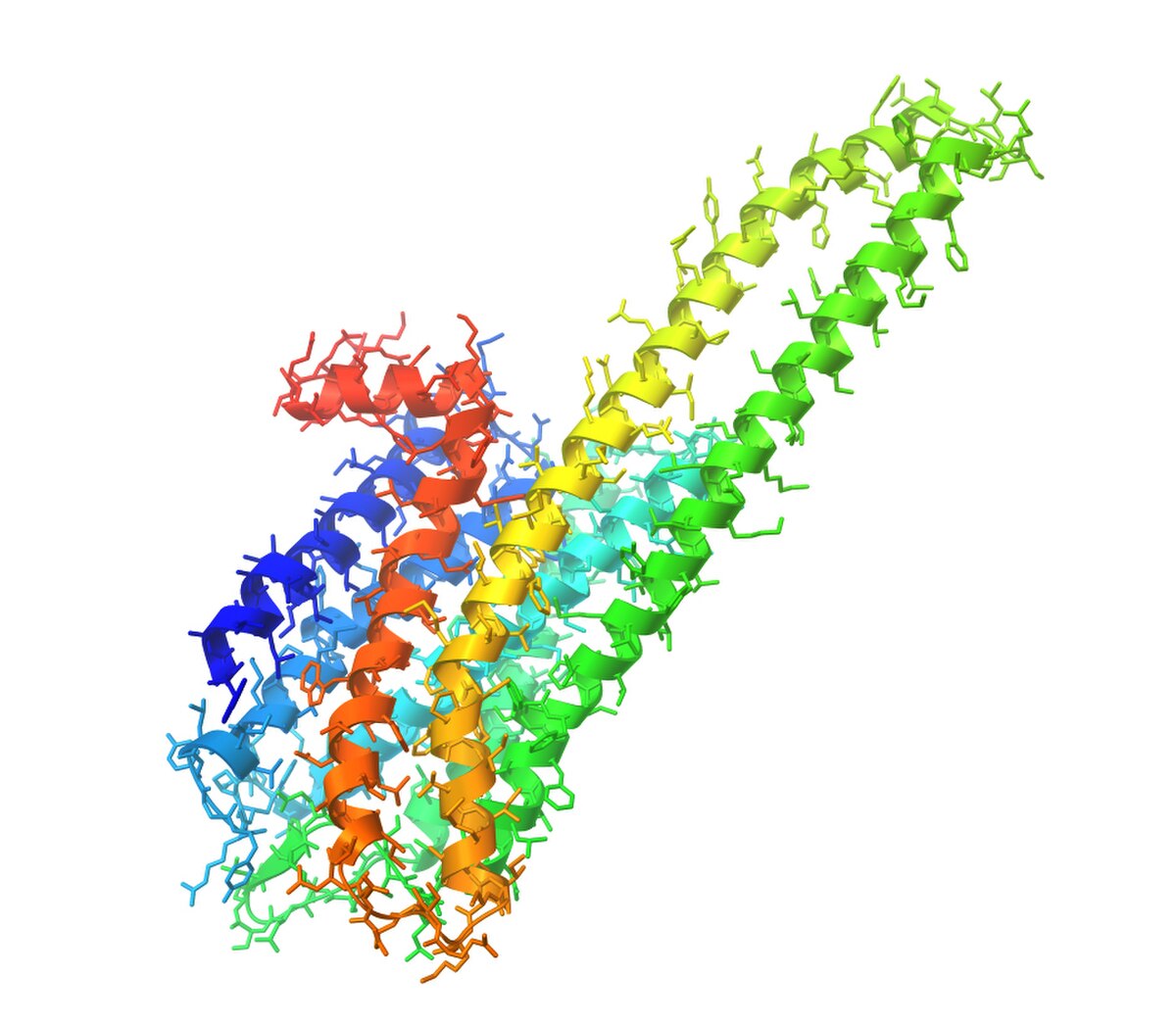
It isn't just 'happy juice.' In the brain, it acts as a biological brake on impulsive behavior and helps regulate sleep. Hallucinogens like LSD work by hijacking these precise serotonin receptors, locking onto them to scramble your perception of reality.
A molecular model of the serotonin 5-HT2A receptor is displayed, showing its complex helical structure in a rainbow color scheme. DrLee, CC0, via Wikimedia Commons
The modern intervention
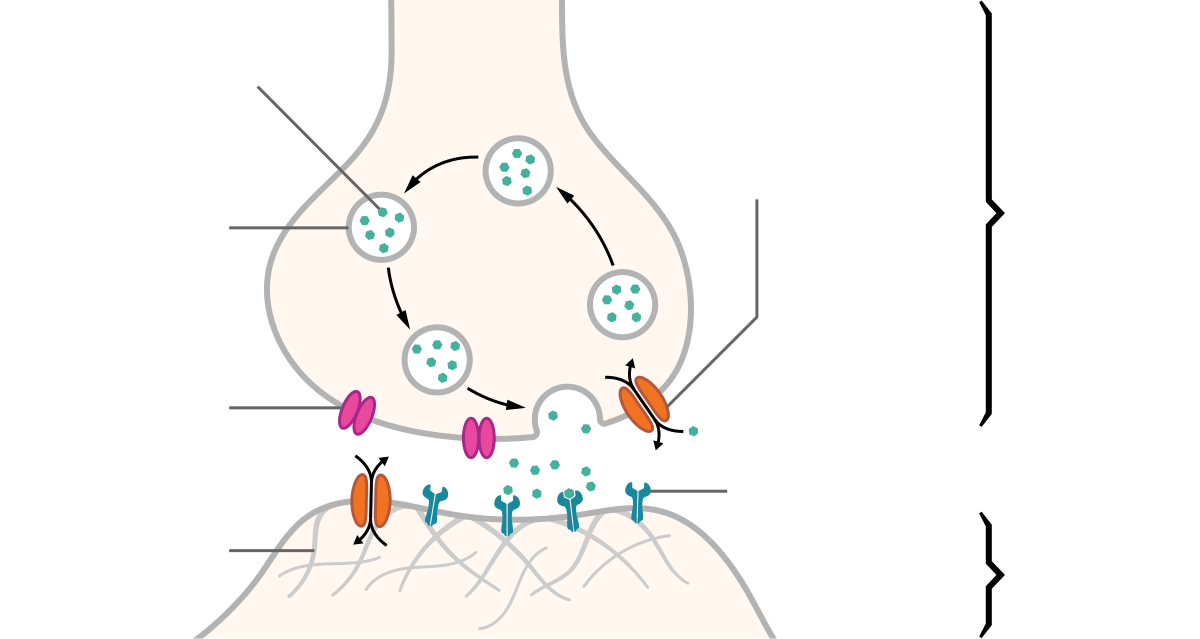
Because it manages so many systems, doctors use a selective serotonin reuptake inhibitor to keep the chemical active in your synapses longer. It remains one of our most important targets for treating anxiety and depression.
Schematic diagram of a synapse, illustrating the release and reuptake of neurotransmitters. Thomas Splettstoesser (www.scistyle.com), CC BY-SA 4.0, via Wikimedia Commons
Where is serotonin made and stored?
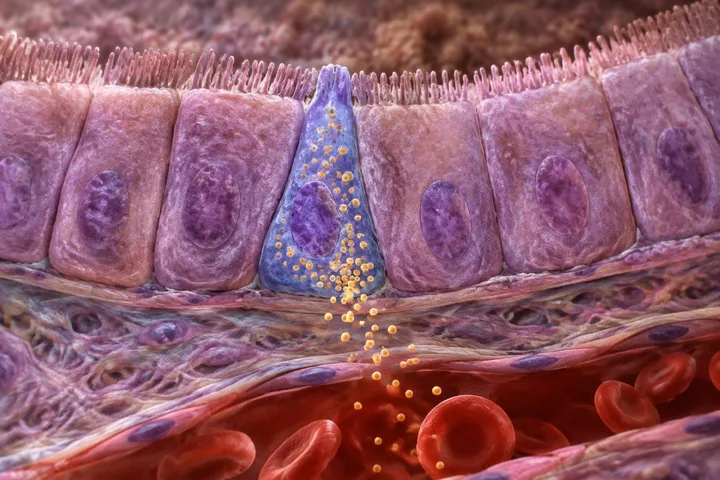
Only 1 to 2 percent of the body's serotonin resides in the central nervous system. Specialized enterochromaffin cells in the gut synthesize about 90 percent of the total supply to direct intestinal contractions.
The rest is made in places like the brainstem's raphe nuclei, Merkel cells in the skin, and taste cells on the tongue. Once released into the bloodstream, platelets absorb roughly 8 percent of the body's serotonin, storing it until they need to trigger clotting and constrict blood vessels at an injury site.
How does serotonin work in the body?
Cells build serotonin from the amino acid tryptophan through a two-step process that forms 5-hydroxytryptophan before converting it into serotonin. Once manufactured, the molecule binds to specific receptor proteins sitting on target cell membranes.
This chemical pathway shows how the body turns dietary tryptophan into the intermediate 5-hydroxytryptophan and finally into active serotonin. NEUROtiker, Public domain, via Wikimedia Commons
There are 14 known serotonin receptor subtypes. Except for the 5-HT3 receptor, which is an ion channel, all human serotonin receptors are G-protein-coupled receptors that trigger internal signaling cascades inside the cell. Afterwards, the liver breaks down the molecule into 5-hydroxyindoleacetic acid (5-HIAA), which the kidneys filter out into urine.
What else uses serotonin in nature?
Serotonin appears in nearly all bilateral animals, including insects, spiders, and worms, but its reach extends far beyond animals. Fungi and plants manufacture it as well, often using it as a stress signal.
In plant defense and insect venom, serotonin serves as a chemical deterrent by triggering immediate pain. Certain pathogenic amoebae release it in the human gut to trigger diarrhea, while fruits and seeds contain it to stimulate animal digestion and help disperse seeds.
Test yourself
Does serotonin function primarily as a pure mood-boosting chemical in the brain?
No, it regulates multiple body systems. While often called the happiness chemical, 95% of serotonin lives in the gut and manages vital processes like digestion, clotting, and impulse control.
How does serotonin influence human behavior when functioning normally in the central nervous system?
It acts as a brake on impulsive actions. Serotonin serves as a biological brake that curbs impulsivity and helps regulate sleep, rather than simply acting as a direct pleasure molecule.
Does serotonin primarily function as a simple brain chemical for happiness?
No, it acts as a broad bodily regulator. Though famous for its role in mood, the vast majority of serotonin resides in the gut where it manages digestion and physiological processes.
Play the lesson in edgi and the card is yours. It lands on your Map next to the ideas it connects to, and turns from matte to foil to gold as you learn more around it.
Scientific evidence does not support the idea that low serotonin levels directly cause depression, despite widespread pharmaceutical marketing claiming otherwise. Antidepressants like SSRIs do increase serotonin in synapses, but the exact link between the chemical and depressive illness is far more complex.
What is protein serotonylation?
Serotonylation is a process where the enzyme TGM2 attaches serotonin directly to glutamine residues on proteins. This modification affects enzymes, structural proteins, and histones, altering how cells function in both healthy tissue and diseases like cancer.