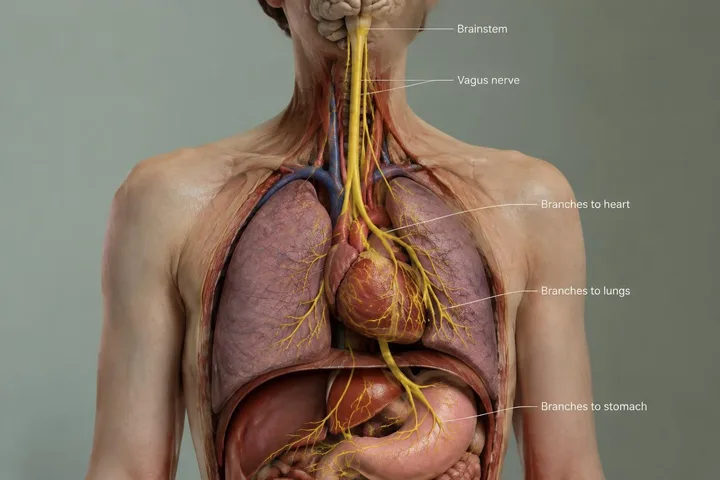
The vagus nerve is the longest cranial nerve in your body, running from your brainstem down into your chest and abdomen. It acts as the main highway for your parasympathetic nervous system, slowing your heart rate and managing digestion. Most of its fibers do not send commands downward; instead, they send sensory updates from your internal organs back up to your brain.
By the edgi team We find the most surprising true thing about an idea and build a 60-second lesson around it.
Vagus is Latin for wandering, and this nerve earns the name. It is the longest cranial nerve, snaking from your brainstem down to your heart, lungs, and digestive tract. It acts as a direct, private line, bypassing the spinal cord entirely to regulate your involuntary functions.
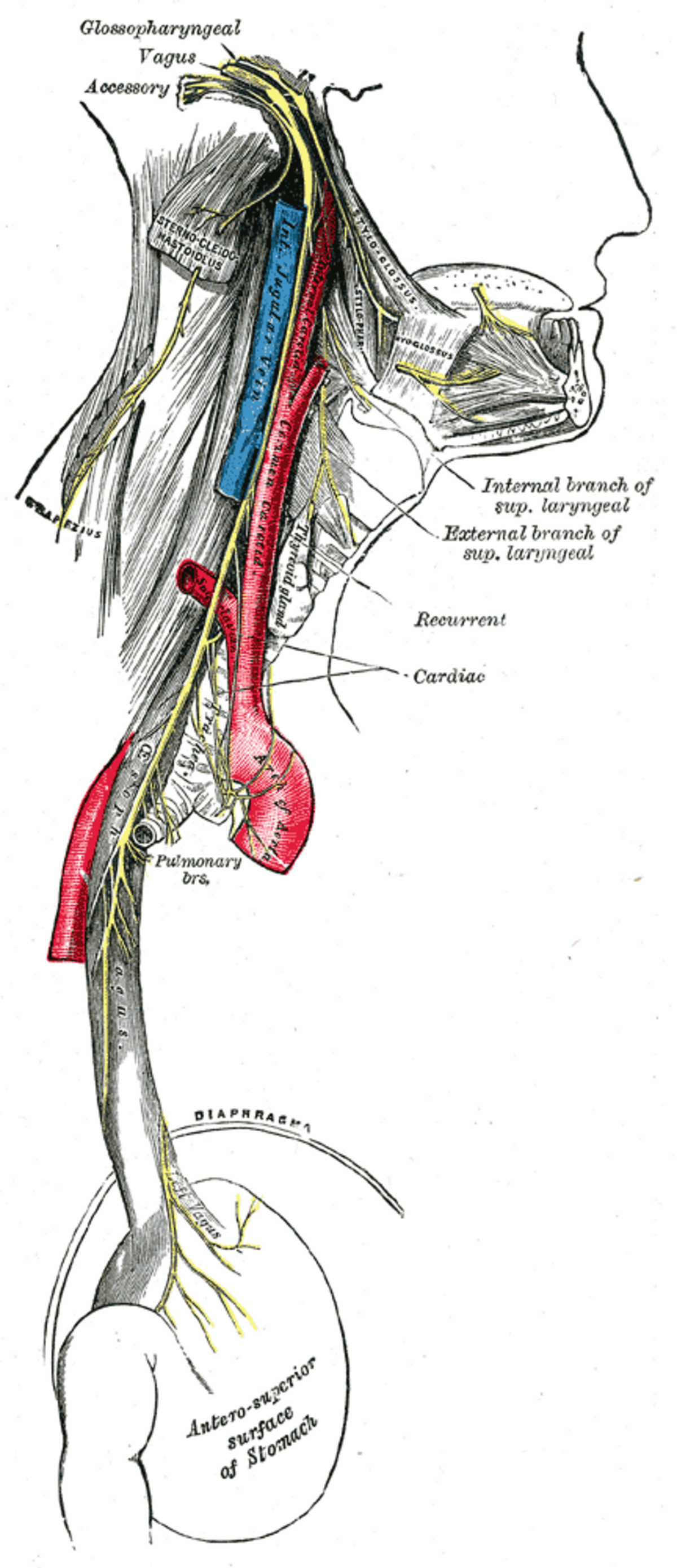
A lateral view anatomical diagram illustrating the course of the vagus nerve from the head down to the stomach, showing its branches and relations to other organs and vessels. Henry Vandyke Carter, Public domain, via Wikimedia Commons
The scientist's dream
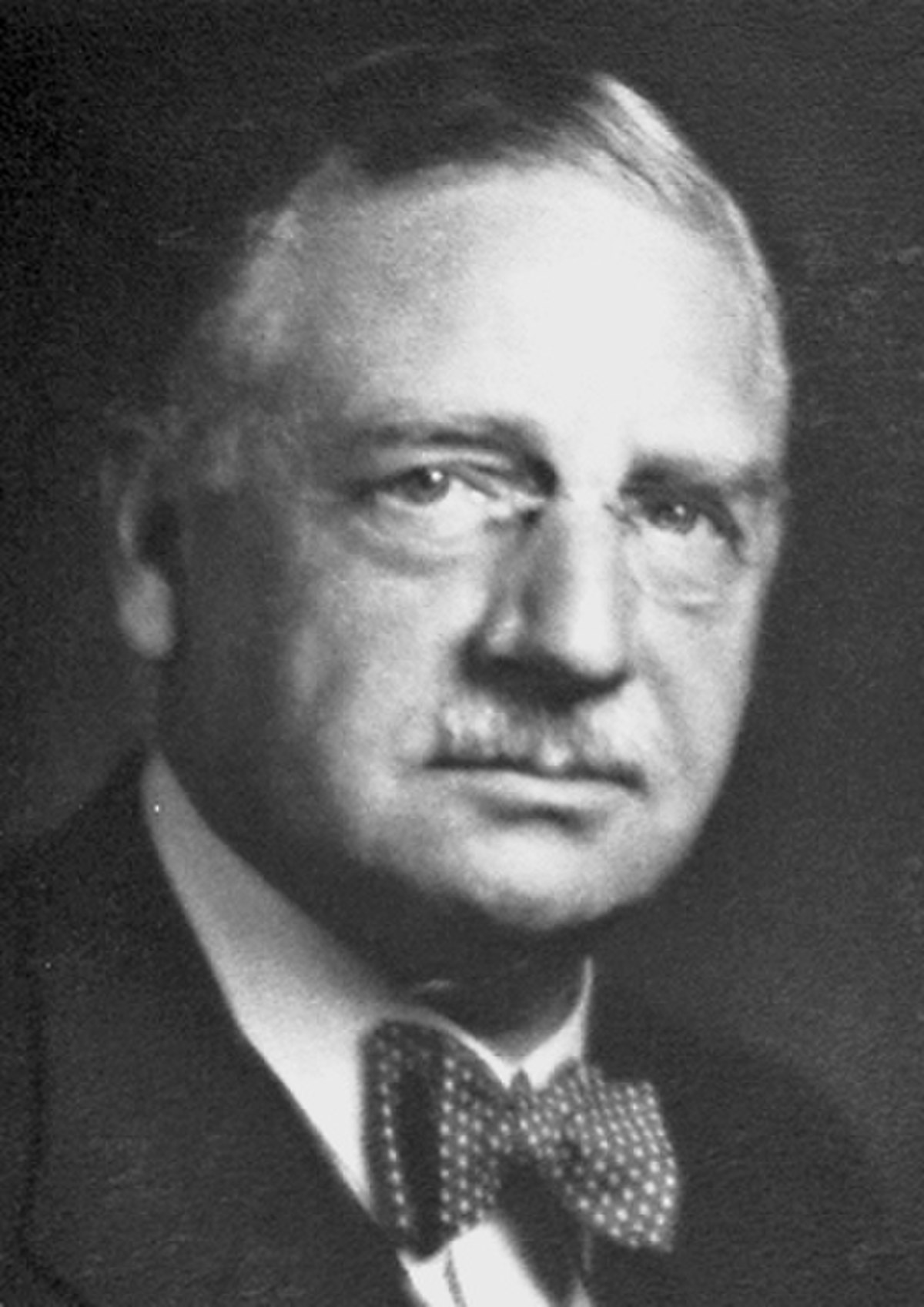
In 1921, pharmacologist Otto Loewi famously dreamt of an experiment to prove how nerves communicate. He stimulated the vagus nerve of a frog heart, then poured the fluid surrounding it onto a second heart.
Portrait of Otto Loewi, a man with glasses and a mustache, wearing a suit and a bow tie. Albert Hilscher, Public domain, via Wikimedia Commons
The second heart slowed down instantly. He proved the nerve doesn't just use electricity; it releases a chemical 'vagus substance' to control your body.
The gut-brain axis
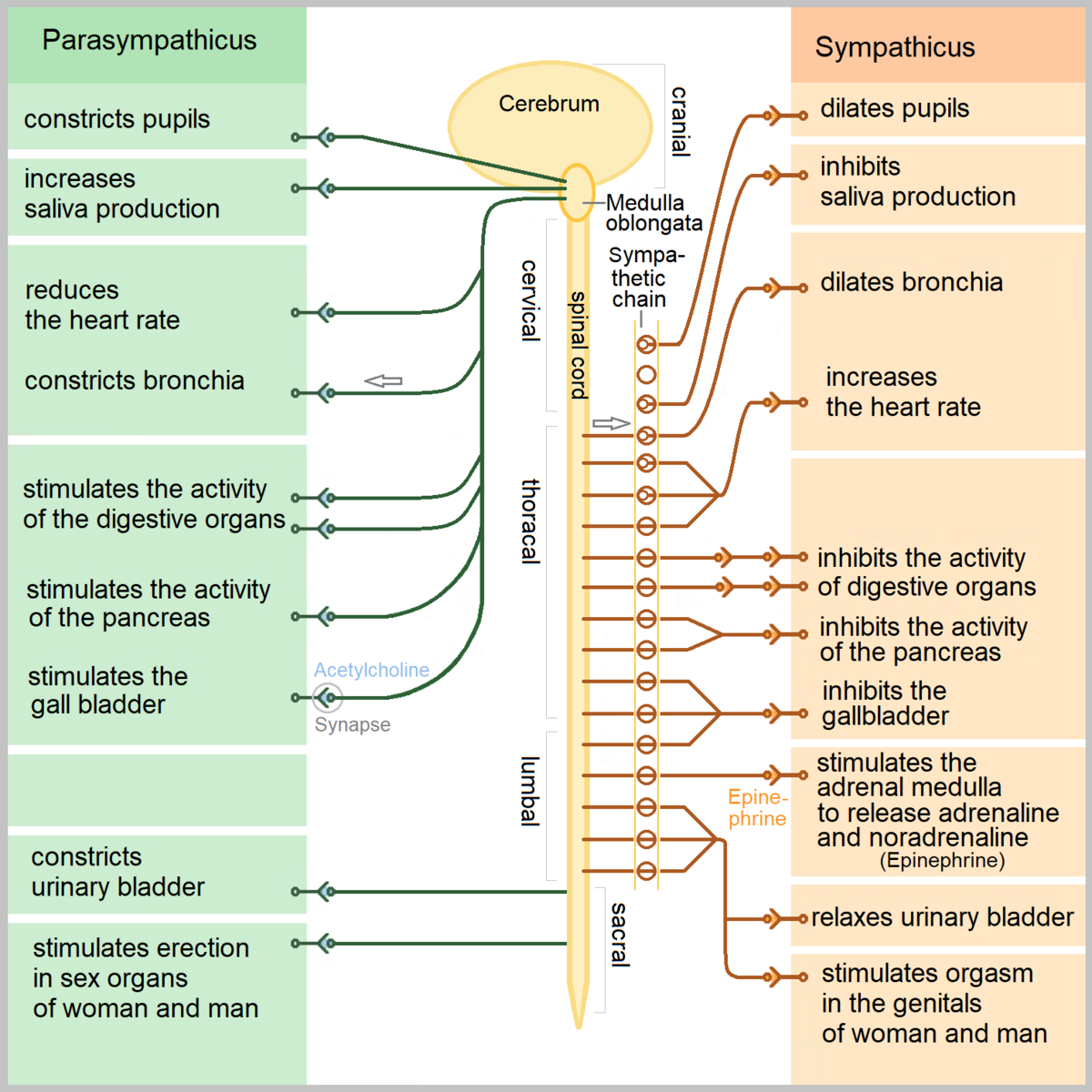
This nerve is the main pathway of the parasympathetic nervous system, responsible for your rest and digest state. It forms the core of the gut-brain axis, explaining why emotional stress can trigger physical nausea or a racing pulse.
A diagram illustrating the functions of the autonomic nervous system, comparing the effects of the parasympathetic (green, left) and sympathetic (brown, right) divisions on various bodily functions. Sciencia58, CC0, via Wikimedia Commons
By electrically stimulating this nerve, doctors can now treat conditions like severe depression and epilepsy.
What is the anatomy of the vagus nerve?
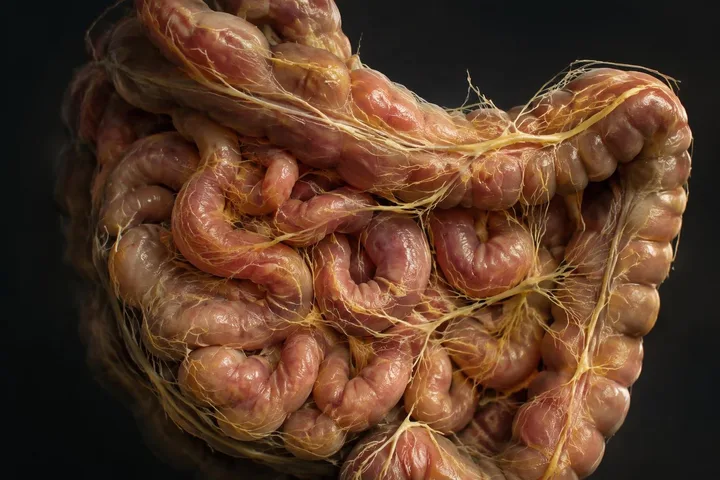
Between 80% and 90% of the fibers in the vagus nerve are sensory. Rather than just dictating orders to organs, the nerve primarily reports the physical state of the gut, lungs, and heart directly back to the central nervous system.
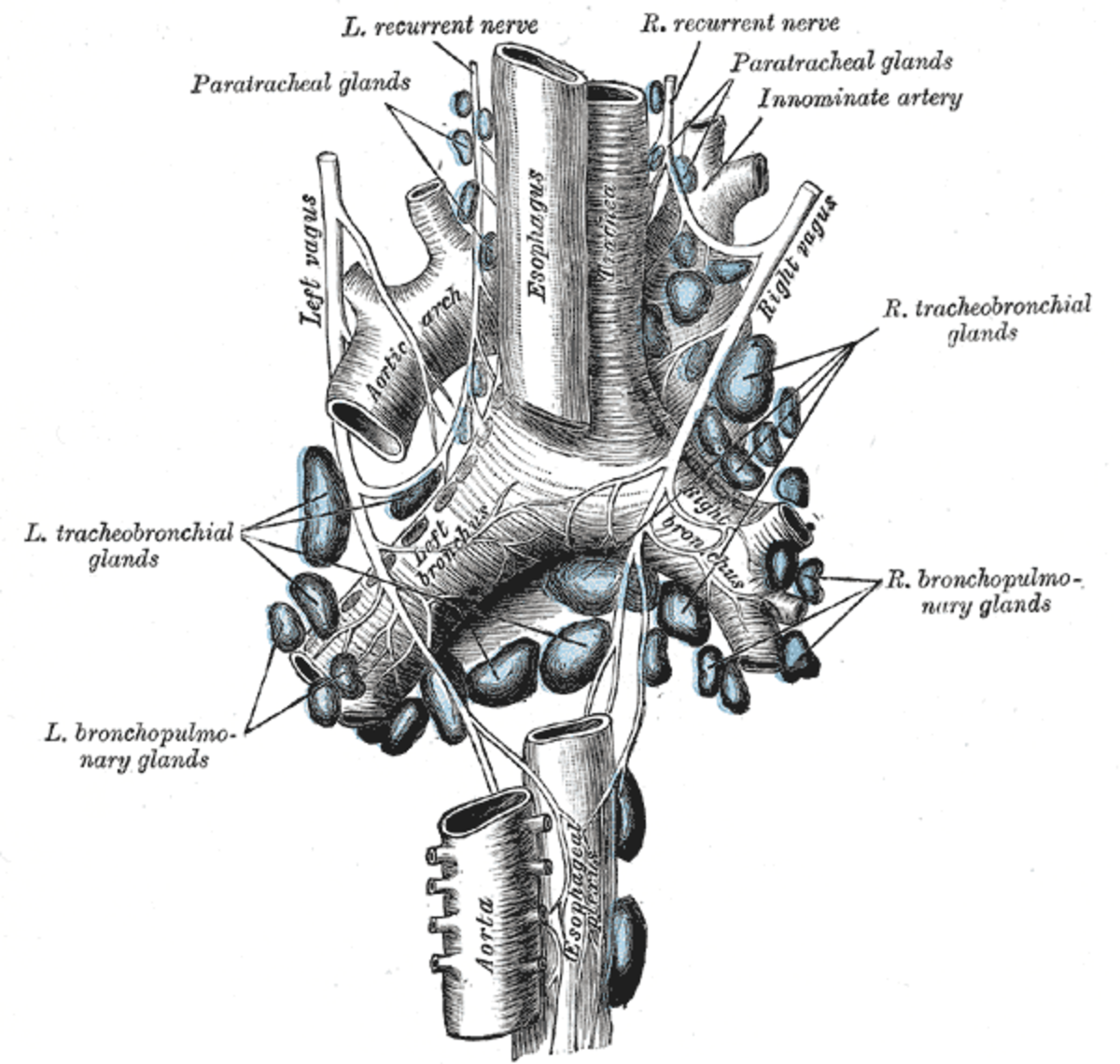
There are two separate vagus nerves in your body: the left and the right. Both exit the brainstem through the jugular foramen and travel down the neck inside the carotid sheath, running parallel to the internal jugular vein and common carotid artery. The right nerve descends past the right bronchus into the posterior vagal trunk, while the left nerve runs along the aortic arch to form the anterior vagal trunk before entering the abdomen through the diaphragm.
Which organs does the vagus nerve control?
The vagus nerve supplies parasympathetic motor fibers to nearly all internal organs from the neck down to the transverse colon, leaving out only the adrenal glands. It branches into the cardiac, pulmonary, and esophageal plexuses to slow heart rhythm, adjust airway function, and manage digestion.
Notice how both the left and right vagus nerves pass through the thoracic cavity to form cardiac branches and recurrent laryngeal loops near the heart. Henry Vandyke Carter, Public domain, via Wikimedia Commons
It also controls specific voluntary muscles in the throat. Axons originating in the medulla's nucleus ambiguus control the levator veli palatini and the cricothyroid muscle, playing an active role in swallowing and speaking.
Test yourself
What historical breakthrough regarding the vagus nerve did Otto Loewi achieve in his 1921 dream experiment?
Proving chemical nerve signaling. Loewi transferred fluid from a stimulated frog heart to a second heart, showing that nerves communicate using chemical substances instead of pure electrical wiring.
What role does the vagus nerve play as the main pathway of the parasympathetic nervous system?
It regulates rest and digest. As the core of the parasympathetic system, the vagus nerve manages involuntary resting functions, linking emotional stress directly to physical responses like nausea.
How does the vagus nerve primarily connect the brainstem to the heart, lungs, and digestive tract?
It bypasses the spinal cord. The vagus nerve serves as a direct, private communication line from the brain down to major organs without passing through the spinal cord.
Play the lesson in edgi and the card is yours. It lands on your Map next to the ideas it connects to, and turns from matte to foil to gold as you learn more around it.
Why was the vagus nerve historically called the pneumogastric nerve?
Old medical texts called it the pneumogastric nerve because it supplies major nerve networks to both the lungs and the gastrointestinal tract. Modern anatomy uses vagus, from the Latin word for wandering, to reflect its long route through the body.
What brain centers connect to the vagus nerve?
The vagus nerve connects to four distinct nuclei in the medulla oblongata. These include the dorsal nucleus for digestive output, the nucleus ambiguus for the heart and throat muscles, the solitary nucleus for sensory signals, and the spinal trigeminal nucleus for ear and throat sensation.