LoanwordWhy languages never give borrowed words back
A loanword is a word that one language adopts directly from another without translating it into existing native roots. Despite the term borrowing, the recipient language never returns the word, and nothing is removed from the donor language. It allows speakers to absorb foreign concepts and sounds, creating permanent historical records of trade, culture, and conquest.
By the edgi team We find the most surprising true thing about an idea and build a 60-second lesson around it.
Linguists call it "borrowing," but that is a polite lie. When a language adopts a word, it never gives it back. It is a permanent linguistic hijacking.
We do this because we lack a word for a new concept, like sushi, algebra, or shampoo, so we steal the sound along with the meaning.
The tea map
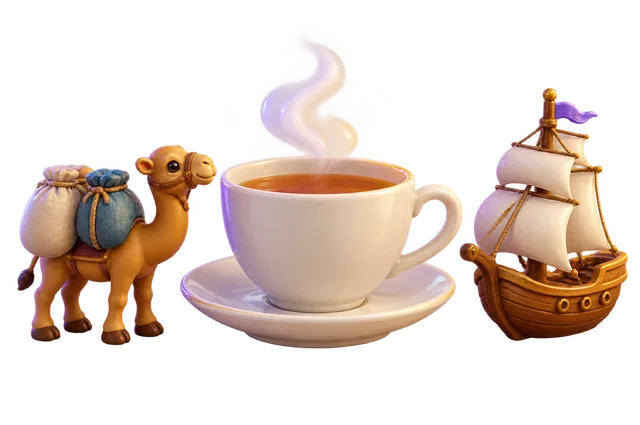
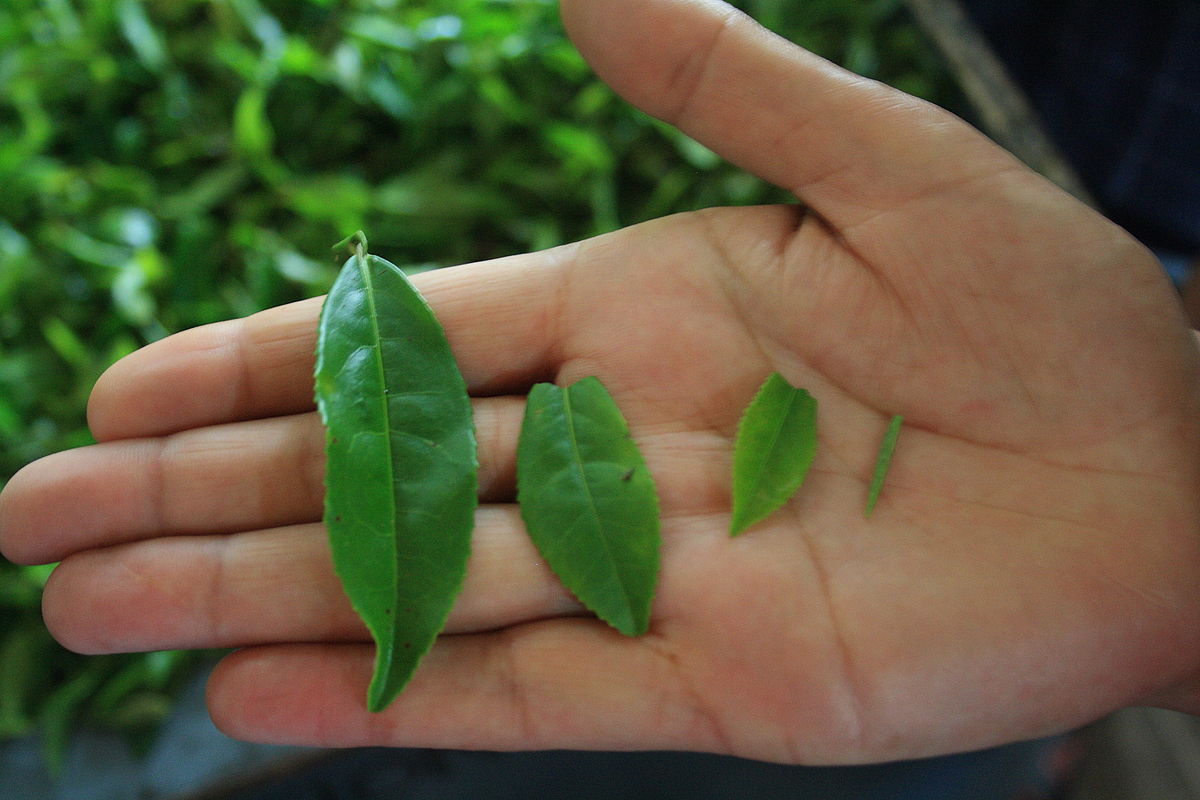
Look at the word for "tea" across the globe. If the country traded with China via the overland Silk Road, they call it "cha." Think of Hindi, Russian, or Arabic.
A hand holding several fresh tea leaves of different sizes, ranging from small buds to larger mature leaves. Arne Hückelheim, CC BY-SA 3.0, via Wikimedia Commons
If they traded by sea, primarily through Dutch merchants in the 1600s, they use a variation of "te." Think of English, French, or Spanish.
A living fossil
These words are not just vocabulary; they are fossilized trade records. You can map ancient global economies just by looking at how people ask for a beverage.
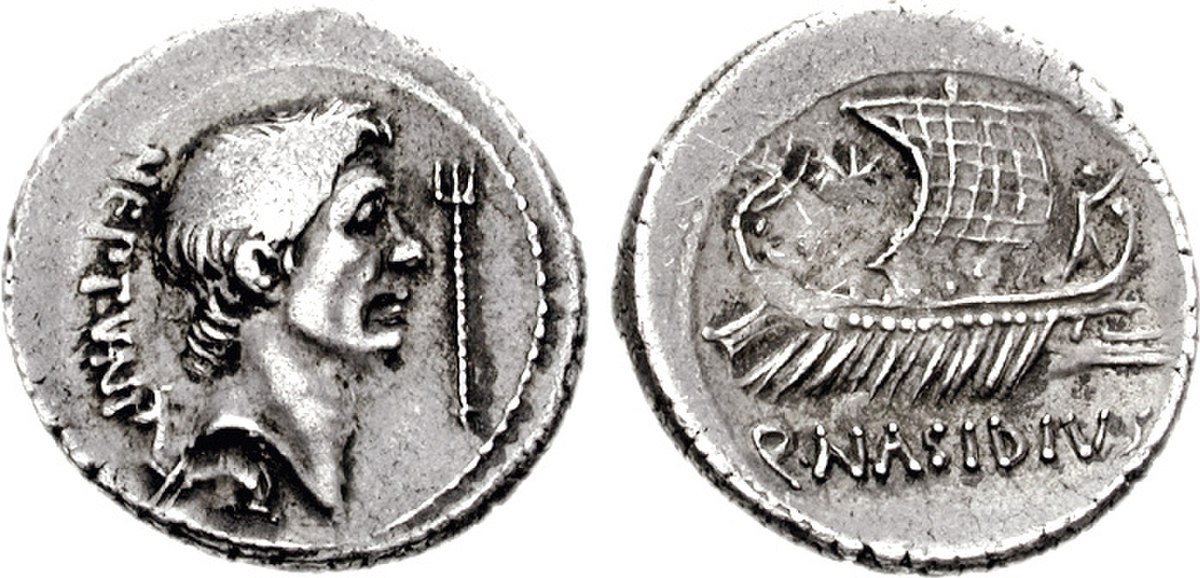
Two sides of an ancient Roman coin are displayed: the obverse features the head of Pompey the Great with the inscription "NEPTUNI", and the reverse shows a ship with the inscription "CN. CNG, CC BY-SA 3.0, via Wikimedia Commons
Every time you order a latte or use a calque, you are participating in a thousand-year-old game of cultural telephone that never ends.
How does a loanword differ from a calque or cognate?
A loanword imports a foreign word directly in its original or approximate form. In contrast, a calque translates a foreign term word for word using native roots. The word calque is itself a loanword from the French word for tracing, while the word loanword is a calque translated from the German Lehnwort.
Loanwords must also be distinguished from cognates. Cognates are words across related languages that look and sound similar because they descend from a shared ancestral language, rather than because one language borrowed from another.
Where do common English loanwords come from?
Specialized fields often draw the bulk of their vocabulary from single languages. Most classical music terminology comes from Italian, including concerto, tempo, aria, opera, and soprano. Ballet and fencing take much of their terminology from French.
Tofu entered English from Japanese, which borrowed the term originally from Chinese. Nandaro, CC BY-SA 4.0, via Wikimedia Commons
Food terms frequently travel between cultures. English adopted café from French, bazaar from Persian, and kindergarten from German. In other cases, words pass through intermediate languages before entering English; tofu came into English from Japanese tōfu, which originally came from the Chinese dòufu.
Languages even borrow prefixes and suffixes. While Old English provided affixes like un-, -ing, and -ly, the verbal suffix -ize entered English from Greek through Latin.
What is a Wanderwort?
A Wanderwort is a word borrowed across many languages that are geographically remote from the original source. The word tea is a classic Wanderwort: it originated in Hokkien and spread across the world through land and maritime trade routes.
When a Wanderwort is sufficiently ancient, tracing its precise language of origin can become difficult or impossible.
Test yourself
When a language adopts a loanword, is it a temporary exchange or a permanent acquisition?
A permanent linguistic hijacking. When a language adopts a word, it never gives it back. It is a permanent acquisition of both sound and meaning.
Why do languages typically adopt loanwords like sushi or algebra?
To fill a gap for a new concept. Languages steal the sound and meaning when they lack a word for a new concept introduced from outside.
What do global variations in the word for tea reveal about human history?
Ancient trade routes and economies. Loanwords act as fossilized trade records that map ancient global economies based on how goods traveled.
Play the lesson in edgi and the card is yours. It lands on your Map next to the ideas it connects to, and turns from matte to foil to gold as you learn more around it.
How do spoken loanwords differ from academic ones?
Informal loanwords generally spread through spoken word of mouth. Technical or academic loanwords usually enter a language through written texts for scientific, scholarly, or literary use.
What happens to the spelling and sounds of borrowed words?
Recipient languages often simplify or drop foreign sounds and symbols. For instance, English borrowed the Hawaiian geological term 'a'a, but the English spelling dropped the macron and okina diacritics while reducing two Hawaiian glottal stops to at most one.
Can entire multi-word phrases be borrowed as loanwords?
Yes. Borrowing multi-word phrases, such as the English use of the French phrase déjà vu, is classified by linguists as an adoption, adaptation, or lexical borrowing.