Nostalgia is a bittersweet emotional longing for past events, people, or places that cannot be recovered. Long classified as a dangerous physical disease, modern psychology views it as a normal and beneficial emotion. It strengthens identity, improves mood, and restores feelings of social connection.
By the edgi team We find the most surprising true thing about an idea and build a 60-second lesson around it.
In 1688, a Swiss medical student named Johannes Hofer coined the term nostalgia. He did not mean a warm, fuzzy feeling. He described a lethal medical condition that caused soldiers to waste away from extreme homesickness.
Doctors believed the longing caused the brain to overheat and the lungs to rot. It was considered a demonic affliction that paralyzed the will.
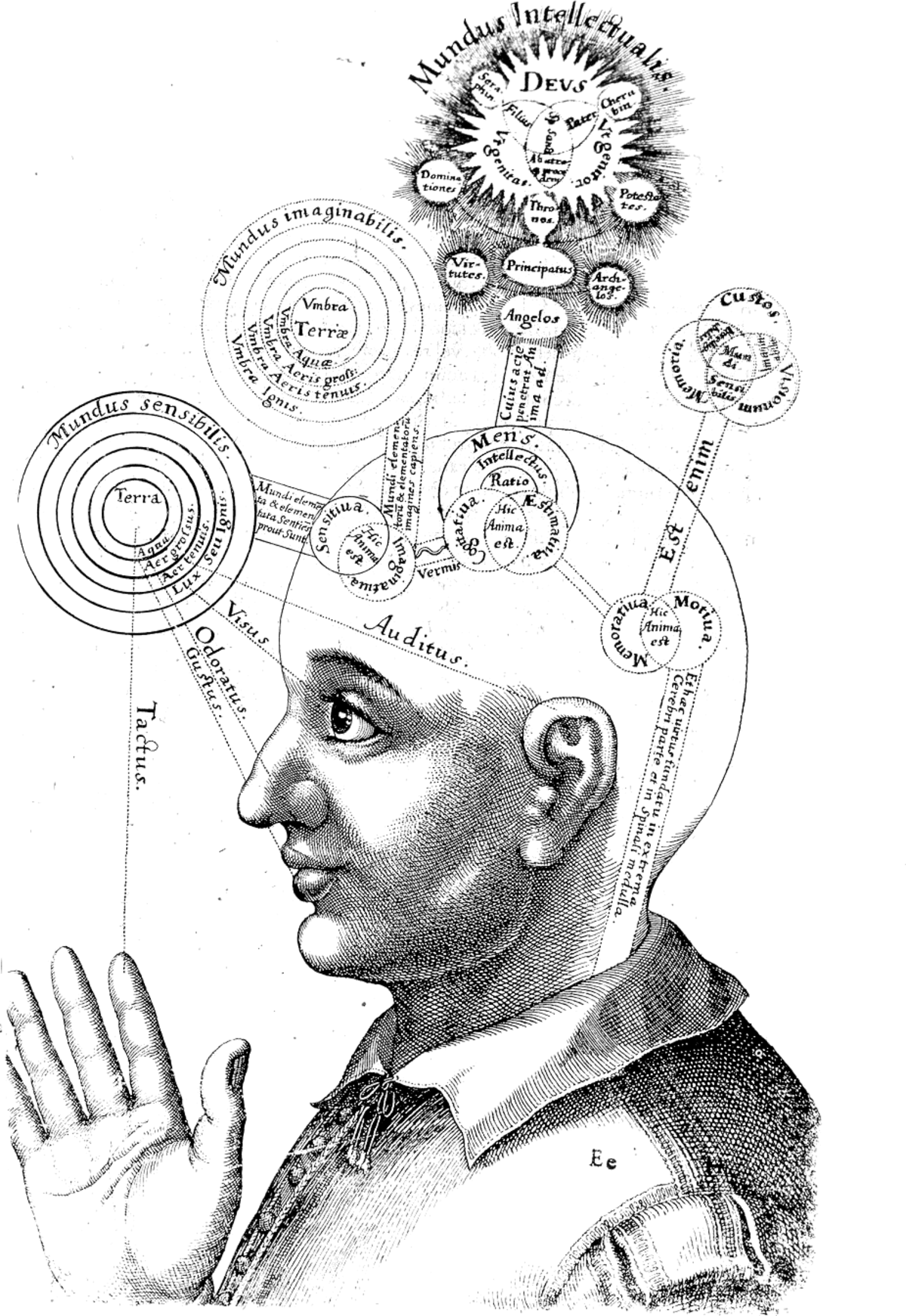
An engraving by Robert Fludd from the 17th century, depicting a human head in profile with various concentric circles and labels illustrating a theory of consciousness. Robert Fludd, Public domain, via Wikimedia Commons
The song that killed
Soldiers stationed abroad would fall into deep despair upon hearing the Khue-Reyen, a traditional Swiss cow-milking song. The melody triggered such intense longing that men stopped eating and eventually expired.
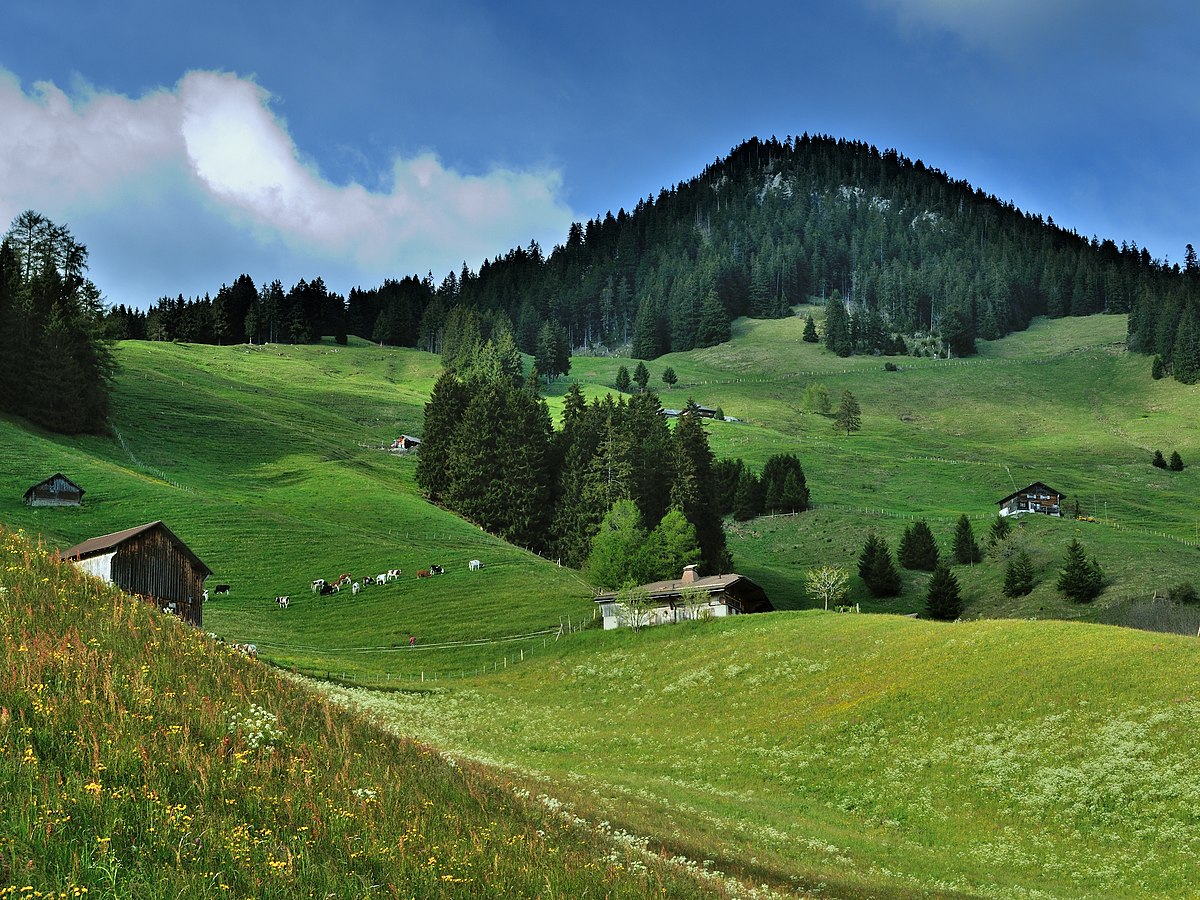
A scenic rural landscape in Vaud, Switzerland, featuring rolling green hills, scattered wooden chalets, and a forested mountain under a blue sky. Zacharie Grossen, CC BY-SA 3.0, via Wikimedia Commons
Commanders were so desperate they banned the song under penalty of death, or tried to 'cure' soldiers by threatening to bury them alive.
The modern shift
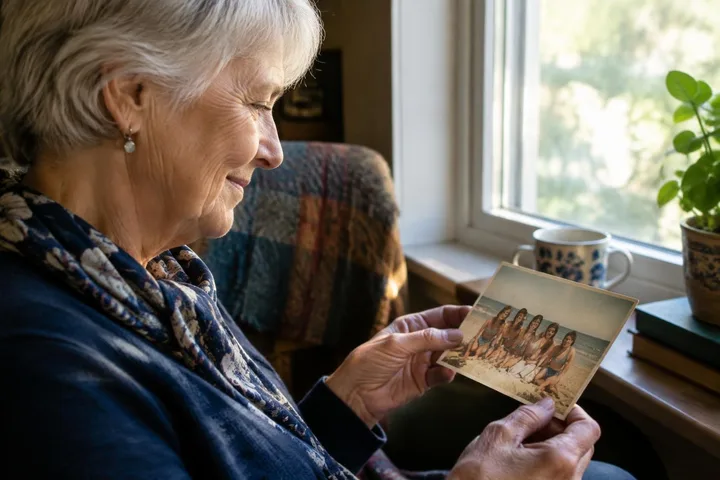
By the 19th century, medicine realized nostalgia was not a biological virus, but a fundamental part of personal identity. It acts as a bridge to our past, integrating who we were with who we are today.
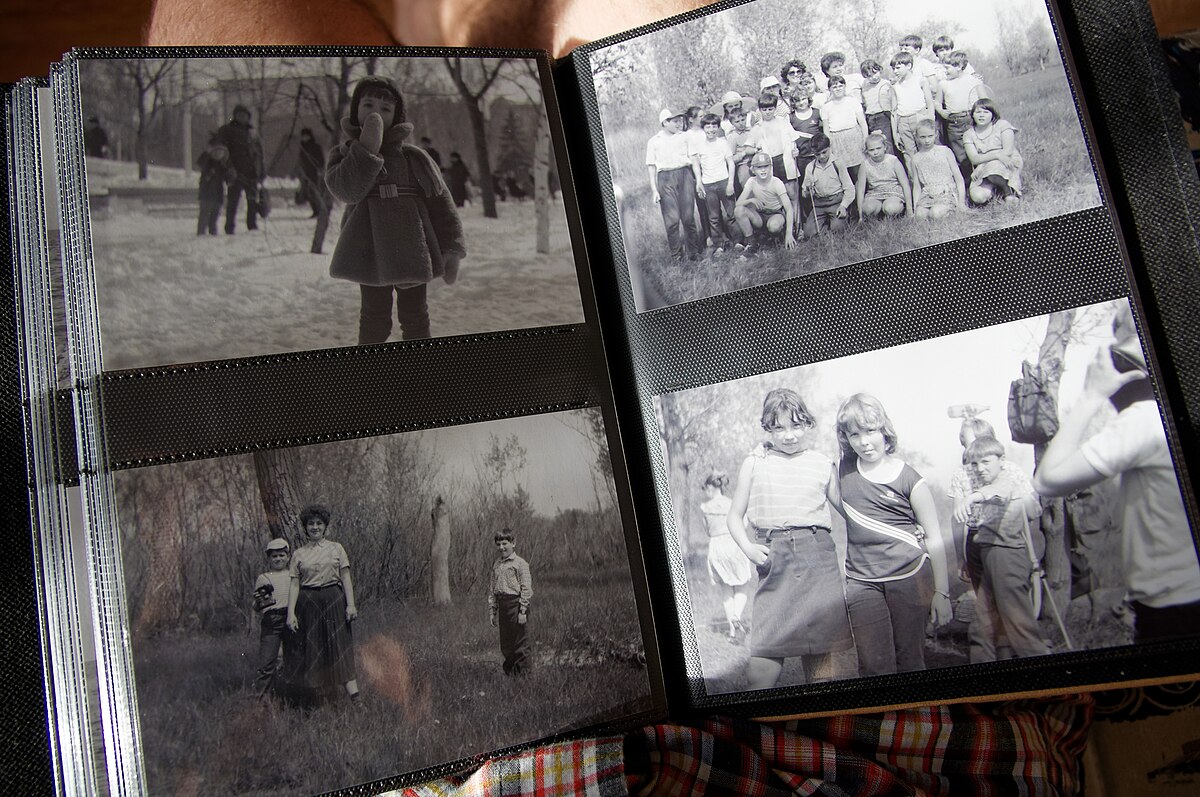
An open photo album displays several black and white photographs, primarily featuring children and groups of people. Vyacheslav Argenberg, CC BY 4.0, via Wikimedia Commons
That bittersweet ache is no longer a death sentence; it is a feature of the human experience.
From deadly illness to emotional tool
In 1688, Swiss medical student Johannes Hofer combined the Greek words nostos (homecoming) and algos (pain) to describe severe homesickness among Swiss mercenaries. Doctors long treated this melancholy as a physical disease capable of causing severe wasting and death.
Modern research views nostalgia as an independent emotion rather than a disorder. The brain processes nostalgic stimuli first through the amygdala, the emotional processing center. Instead of harming the body, nostalgic reflection supports learning, memory consolidation, and personal identity.
How nostalgia protects mental health
Nostalgia is often triggered by negative states like loneliness or sadness, but it works as a restorative coping mechanism. Research by Zhou and colleagues showed that feeling lonely triggers nostalgic memories of close relationships, which directly increases a person's perceived social support.
Reflecting on the past also increases positive self-regard and a sense of existential meaning. A study by Vess and colleagues found that people who engaged in nostalgic reflection showed fewer selfish attributes and greater accessibility to positive personal traits than those who did not.
People prone to nostalgia demonstrate better coping strategies during stressful periods, including planning and reframing problems positively. The emotion acts as a psychological buffer against threats to personal well-being.
Cognitive biases and cultural preservation
Nostalgia alters how people evaluate the past through cognitive biases like rosy retrospection, which leads individuals to remember past events more favorably than the future. When this bias applies to institutions or whole societies, it produces declinism: a belief that modern times are deteriorating compared to the past.
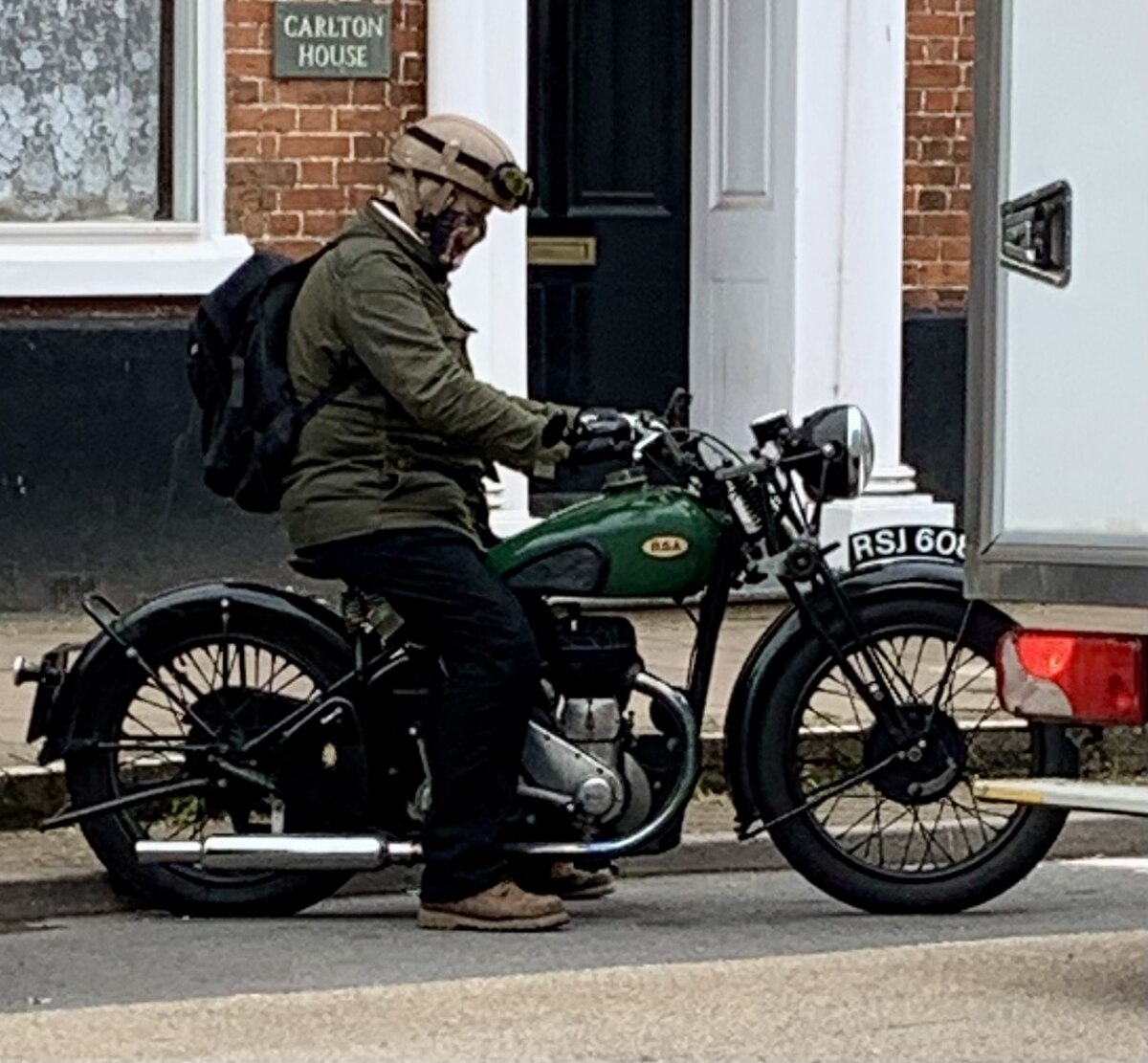
Historical reenactments and vintage transport events serve as public outlets for shared nostalgia. Hu Nhu, CC0, via Wikimedia Commons
Cultural artifacts such as music, movies, video games, and weather can reliably trigger these reflections. This shared longing also motivates communities to preserve historical buildings, protect artifacts, and organize living history reenactments to connect with previous generations.
Test yourself
How did Johannes Hofer originally classify nostalgia in 1688?
As a fatal physical illness. Hofer originally diagnosed nostalgia as a lethal medical condition causing physical wasting, not the warm emotional state we recognize today.
How was nostalgia originally interpreted by 17th-century medical authorities?
As a lethal physical disease. Hofer originally classified nostalgia as a terminal biological illness that caused physical decay, rather than the psychological emotion we recognize today.
Play the lesson in edgi and the card is yours. It lands on your Map next to the ideas it connects to, and turns from matte to foil to gold as you learn more around it.
Nostalgia is commonly triggered by negative emotions such as loneliness and stress, as well as threatened meaning in life. External stimuli like familiar music, movies, video games, and specific weather conditions also provoke it.
What is the nostalgia effect?
The nostalgia effect is a cognitive bias where people perceive past periods and events far more favorably than the present. It encourages individuals to remember the past as a collection of happy memories, even when those memories are romanticized.
What is declinism?
Declinism is a cognitive bias where people view society or institutions as getting worse compared to the past. It functions as an emotional strategy, offering comfort when the present day feels bleak.