Frisson is a brief physical reaction to rewarding stimuli like music or art that creates skin tingling, goosebumps, and pleasure. It happens when the brain's reward centers and the sympathetic nervous system react together to sudden, unexpected shifts in sound or emotion. The entire sensation lasts only a few seconds.
By the edgi team We find the most surprising true thing about an idea and build a 60-second lesson around it.
Ever get goosebumps during a song's climax? That is called frisson. It is a psychophysiological response to rewarding stimuli, like a sudden key change or a soaring vocal entry.
A close-up photograph of human skin exhibiting piloerection, commonly known as goose bumps. Ildar Sagdejev (Specious), CC BY-SA 3.0, via Wikimedia Commons
Your brain essentially 'misinterprets' the beauty of the art as a moment of intense emotional significance.
The biology of chills
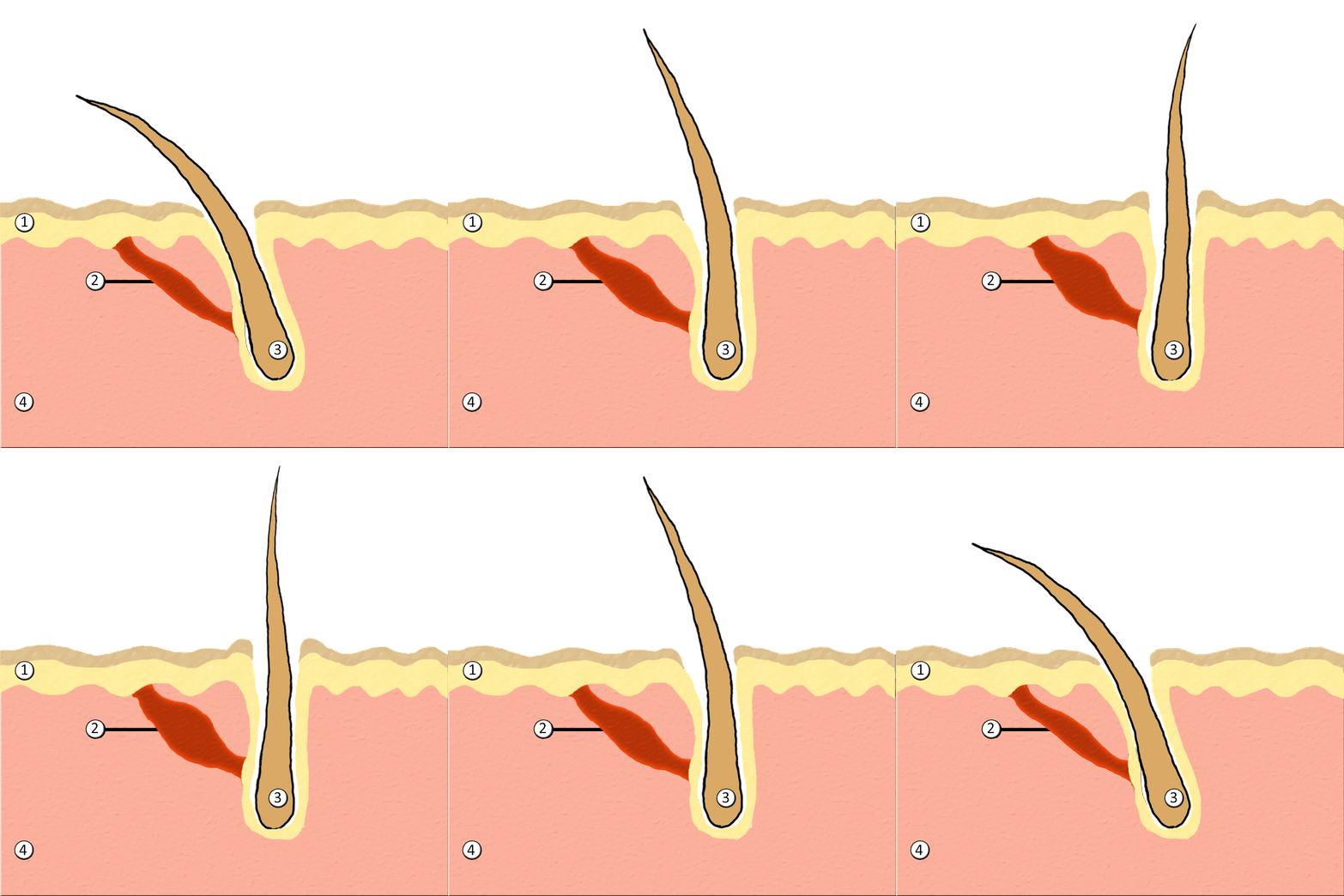
When you experience frisson, your body undergoes transient paresthesia, or tingling skin. You might also experience piloerection, the technical term for goosebumps, and even pupil dilation.
Diagram illustrating piloerection, or goosebumps, showing the arrector pili muscle contracting to erect a hair follicle. AnthonyCaccese, CC BY-SA 4.0, via Wikimedia Commons
It is a high-energy emotional peak, distinct from the gentle, relaxing tingles of ASMR.
Wired for art
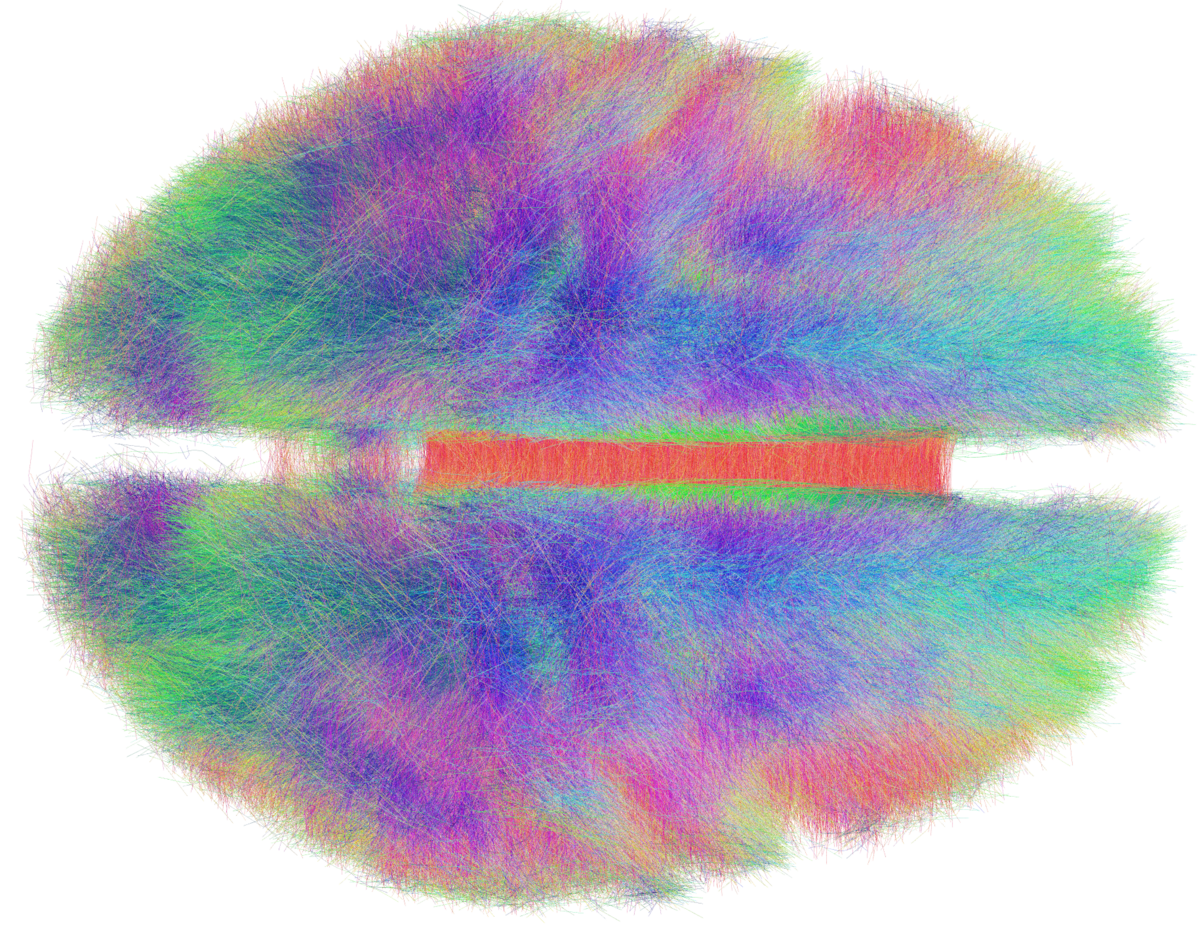
Why do some people get chills constantly while others rarely do? A 2016 study found that regular 'frisson-feelers' often have a higher volume of fibers connecting their auditory cortex to their emotional processing centers.
Rendering of a group connectome based on 20 subjects, showing anatomical fibers that constitute the white matter architecture of the human brain. Andreashorn, CC BY-SA 4.0, via Wikimedia Commons
Their brains are physically wired to let sound bypass logic and go straight to feeling.
What triggers frisson?
Frisson relies heavily on broken expectations. In music, this happens through abrupt volume spikes, sudden modulations, or melodic ornaments like appoggiaturas. When a piece of music defies what a listener predicts will happen next, the autonomic nervous system perks up immediately.
Art is not the only trigger. People experience frisson from poetry, inspiring speeches, scenes in nature, and even the practice of physics or mathematics. Some individuals can produce the sensation on command without any external stimulus at all.
How the body creates aesthetic chills
During a frisson episode, waves of tingling usually start on the lower back, neck, shoulders, or arms. The sympathetic nervous system drives this physical half of the reaction, causing goosebumps, dilated pupils, and increased skin conductance.
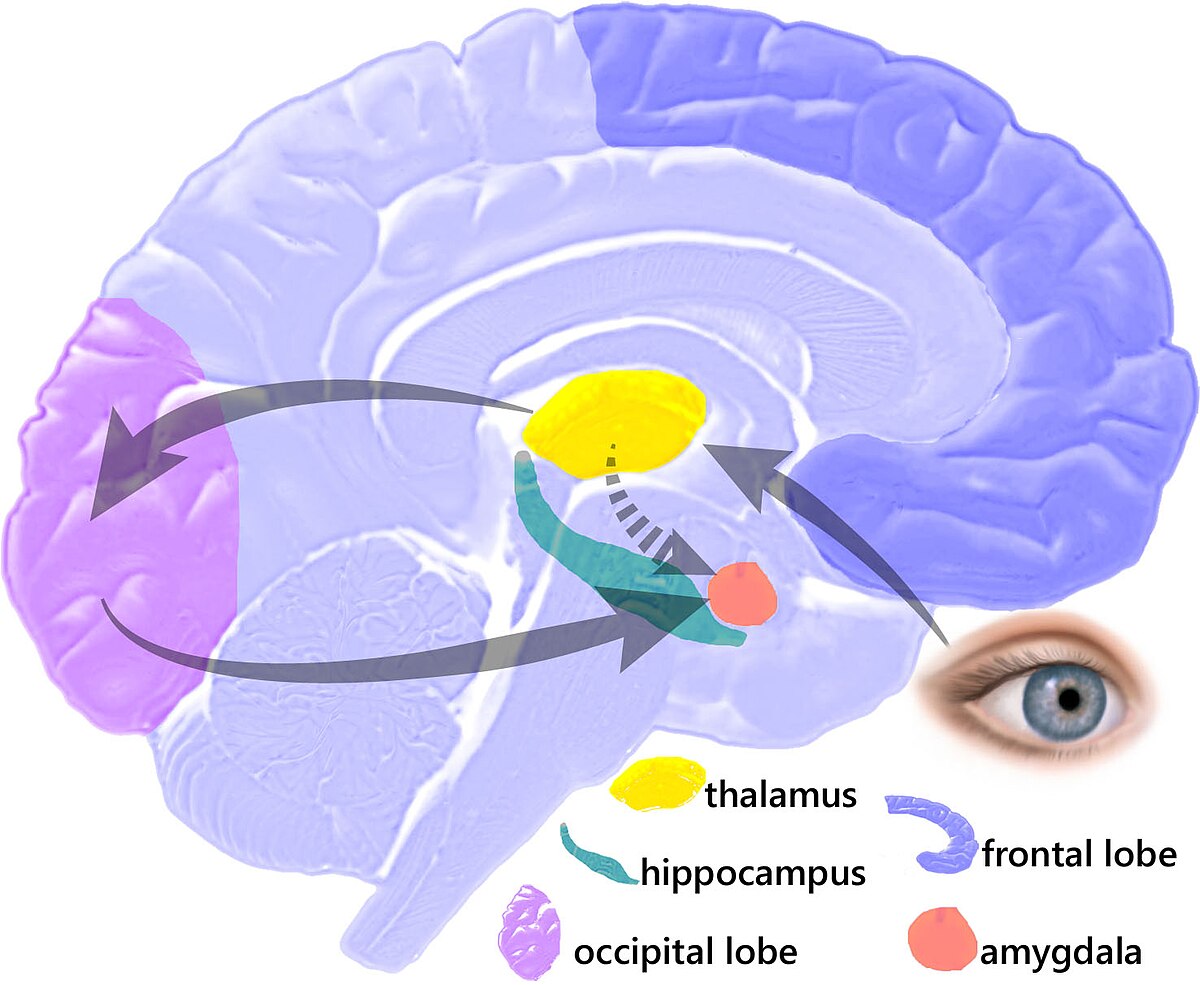
At the same time, regions in the brain's reward system light up, including the nucleus accumbens, the orbitofrontal cortex, and the insular cortex. These structures contain hedonic hotspots that produce the sensation of pleasure.
External conditions can amplify the effect. Cold rooms and movie theaters intensify the chills, as does strong emotional absorption in a story.
Test yourself
Does frisson involve transient paresthesia?
Yes. Frisson involves transient paresthesia, which is the physical tingling sensation felt across the skin during rewarding emotional peaks.
How does the brain process art during a frisson response?
It misinterprets beauty as significance. The brain treats the artistic beauty of a sudden key change or vocal entry as a moment of intense emotional significance.
Why do some individuals experience frisson more frequently than others when listening to music?
Higher neural connectivity to emotions. Frequent frisson-feelers often possess a greater volume of nerve fibers connecting their auditory cortex to emotional processing centers.
Play the lesson in edgi and the card is yours. It lands on your Map next to the ideas it connects to, and turns from matte to foil to gold as you learn more around it.
Yes. Research shows that giving a person an opioid antagonist can block the physical chills typically triggered by music.
Does personality affect how often you feel frisson?
Yes. People who score high in the personality trait of openness to experience are more likely to experience frisson from music.
Why does cultural background change what triggers chills?
Musical expectations rely on familiarity with specific traditions. If a listener did not grow up around Western tonal structures, a Western chord change will not break their expectations or trigger frisson.