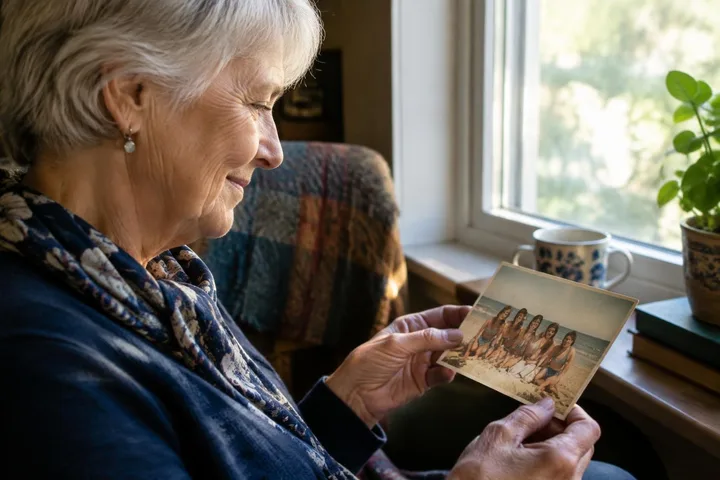
Involuntary memory is a type of memory that occurs when everyday sensory cues trigger past recollections without conscious effort. Unlike deliberate recall, these memories surface automatically when sights, sounds, or smells activate stored autobiographical experiences. Smell acts as an especially strong trigger because the olfactory bulb connects directly to the brain emotional and memory centers.
By the edgi team We find the most surprising true thing about an idea and build a 60-second lesson around it.
Most memory is a search. When you try to remember a name or a fact, you are engaging in voluntary Recall (memory). Involuntary memory is different. It is an ambush.
Environmental cues, a specific song, a texture, or a smell, hit your brain and trigger a full, vivid recollection without you ever asking for it.
The proust effect
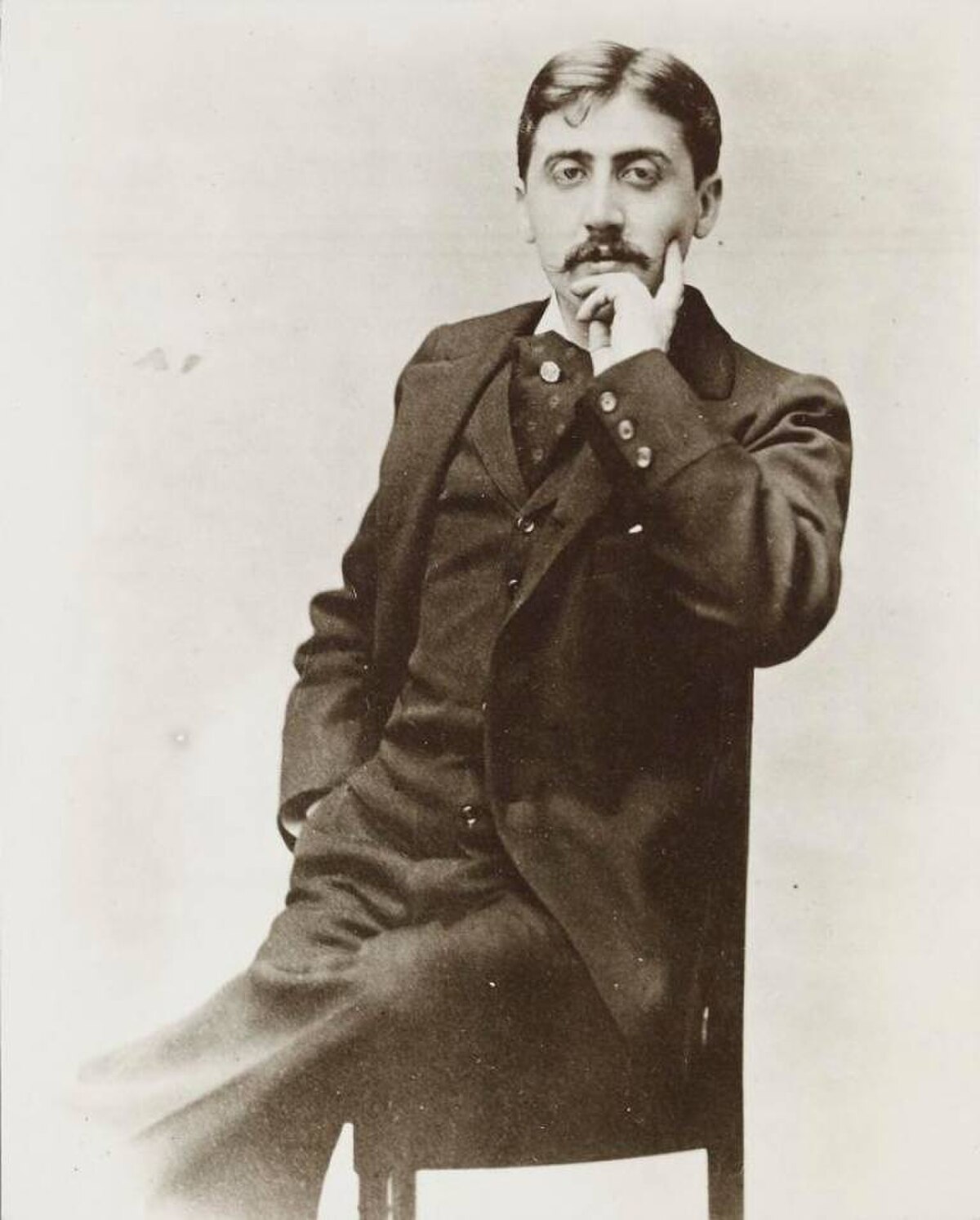
In 1913, the author Marcel Proust famously described this phenomenon in his novel, In Search of Lost Time. He dipped a madeleine cookie into tea, and the taste instantly flooded him with memories of his childhood home in Combray.
Sepia-toned portrait of Marcel Proust, taken around 1895 by Otto Wegener, showing him seated with his right hand resting on his chin. Otto Wegener, Public domain, via Wikimedia Commons
It did not just remind him of the past; the memory felt so vivid it was as if he had been physically transported back in time.
The neurological shortcut
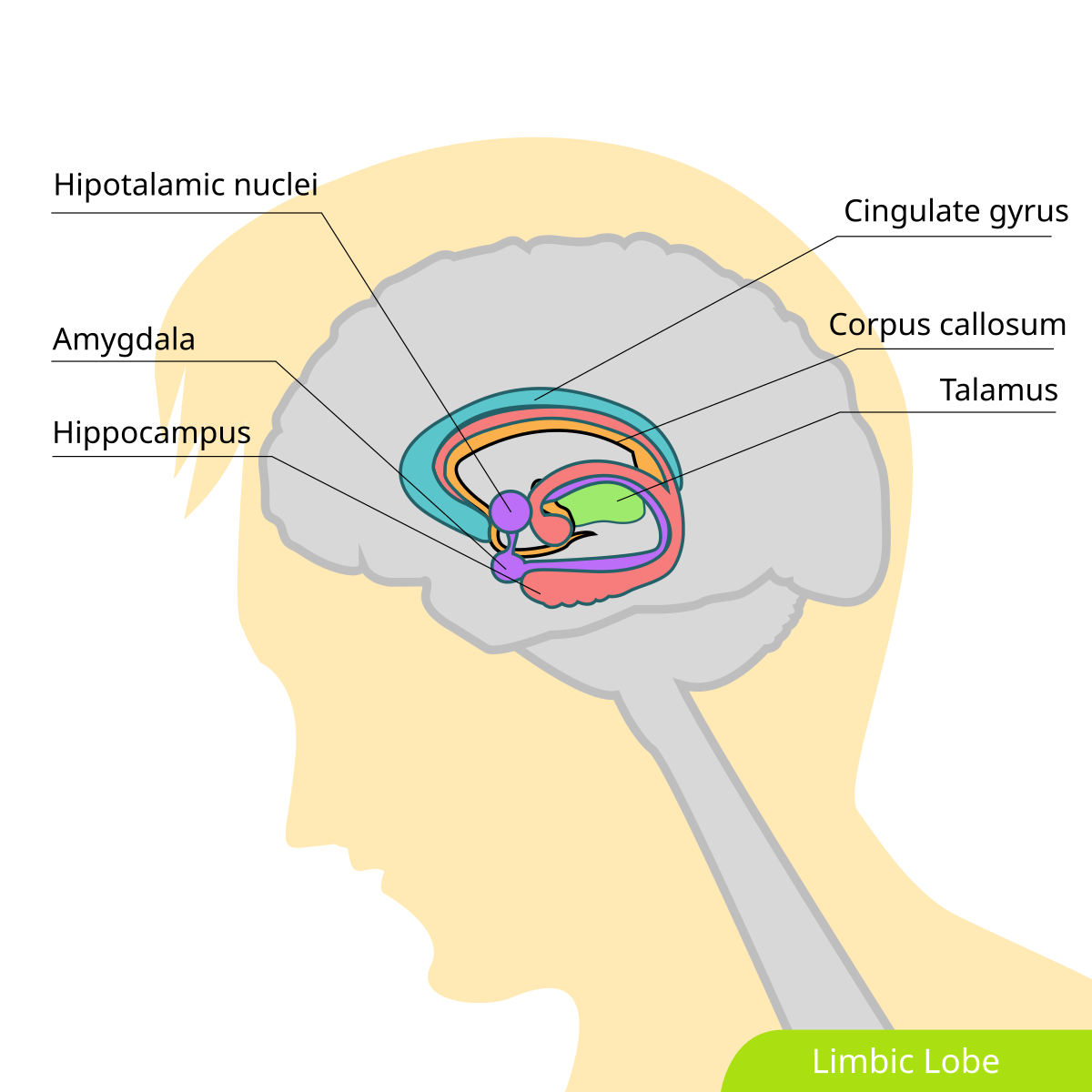
This is called the Proust Effect, and it works most powerfully with smells. Unlike sight or sound, smell information enters the brain through the olfactory bulb, which sits inches away from the Amygdala and Hippocampus.
Diagram of the limbic lobe within a human head silhouette, highlighting key structures of the limbic system. Hariadhi, CC BY-SA 4.0, via Wikimedia Commons
Those are the brain's emotional and memory hubs. A scent does not need to be processed by your logical mind to hit your feelings; it just walks right in.
How involuntary memories surface
Involuntary memories arrive without any conscious search. Marigold Linton coined the term precious fragments to describe the most common version: sudden, everyday recollections sparked by routine sensory encounters, such as the taste of a pastry or a specific scent.
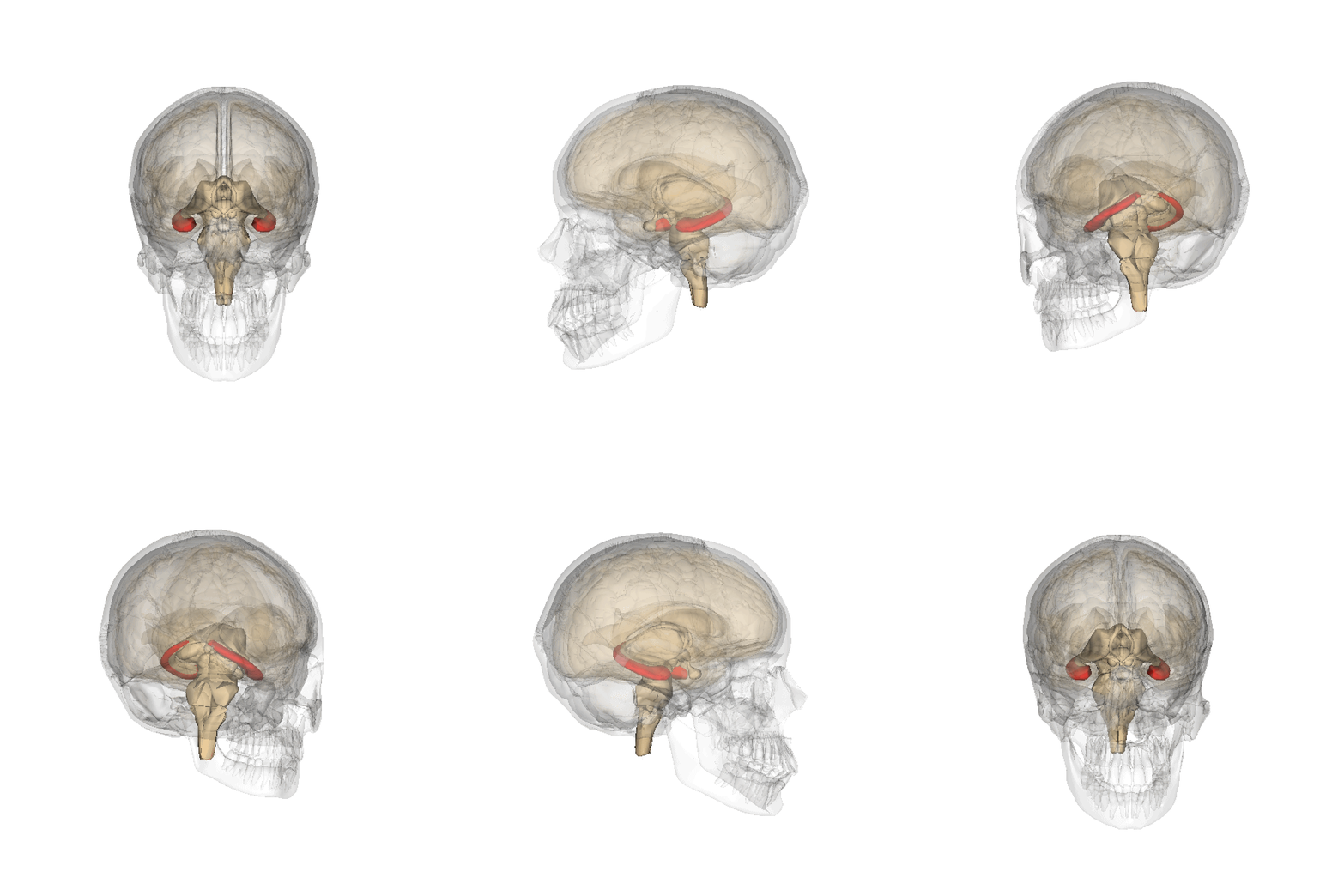
The hippocampus sits near the olfactory pathway and helps retrieve stored autobiographical memories when triggered by sensory cues. Images are generated by Life Science Databases(LSDB)., CC BY-SA 2.1 jp, via Wikimedia Commons
Psychologist J.H. Mace identified that these recollections can also occur through involuntary memory chains. In this process, one involuntary memory activates another through spreading activation in the autobiographical memory system. These networks organize around concepts like specific people, places, and activities rather than rigid chronological timelines.
Because these retrievals happen automatically, research suggests they operate without requiring working memory input. This makes them distinct from deliberate, effortful recall.
Who discovered and studied involuntary memory
German psychologist Hermann Ebbinghaus provided the earliest formal description of involuntary memory during his pioneering experimental studies. He noted that past mental states return to consciousness with apparent spontaneity, not at random, but through associations with present mental images.
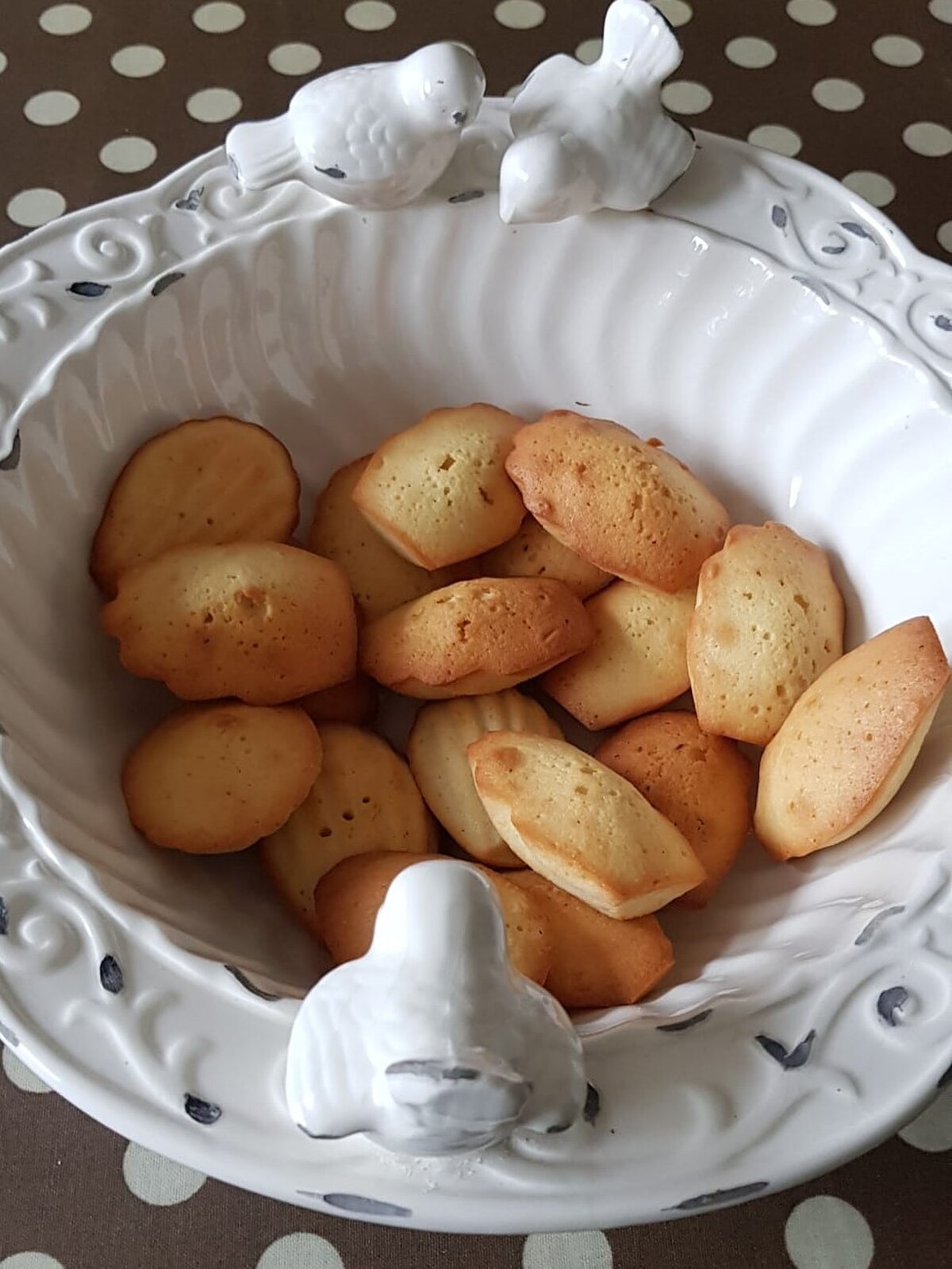
A madeleine cake dipped in tea served as Marcel Proust classic literary example of a sensory trigger bringing back early memories. FredRbl, CC BY-SA 4.0, via Wikimedia Commons
The French novelist Marcel Proust later coined the term involuntary memory in his 1913 book In Search of Lost Time. In the novel, a tea-soaked madeleine cake instantly brings back the narrator childhood memories of his family home in Combray.
Involuntary memory in trauma and dementia
Not all automatic recollections are pleasant. Traumatic experiences can generate repetitive, highly emotional involuntary memories that feature prominently in conditions such as post-traumatic stress disorder.
Studies indicate these trauma memories do not exist in a permanent, unchangeable state, meaning clinicians can develop methods to help patients manage them using general memory principles.
Because involuntary retrieval bypasses the deliberate effort of working memory, researchers hypothesize that individuals with dementia retain autobiographical memories that remain intact until suitable sensory triggers unlock them.
Test yourself
How does involuntary memory differ from voluntary memory recall?
It bypasses conscious search via cues. Involuntary memory strikes without conscious effort when environmental cues hit the brain, unlike a deliberate mental search.
Involuntary memory requires a conscious attempt to search for past events.
False. Involuntary memory is an ambush triggered by environmental cues, occurring precisely when you are not consciously searching for a memory.
Play the lesson in edgi and the card is yours. It lands on your Map next to the ideas it connects to, and turns from matte to foil to gold as you learn more around it.
What is the difference between voluntary and involuntary memory?
Voluntary memory requires a deliberate, conscious effort to search for and retrieve past facts or events. Involuntary memory occurs spontaneously when an environmental cue brings a recollection to mind without any effort.
What are involuntary memory chains?
Involuntary memory chains occur when one spontaneous memory triggers a sequence of related memories. This happens through spreading activation across autobiographical concepts such as shared locations, activities, or people.
Can involuntary memories help in dementia care?
Because involuntary memories do not depend on active working memory, patients with dementia may still hold past memories that are otherwise difficult to access. Caregivers can use familiar sensory triggers to reactivate these memories and support a patient sense of identity.