DementiaHow the brain reroutes around physical decay
Dementia is an umbrella term for a progressive decline in mental abilities caused by physical damage to the brain, which interferes with daily life. Unlike normal aging, it causes neurons to lose connection and brain tissue to physically shrink. A brain with high cognitive reserve can often reroute signals around damaged tissue for years before any external symptoms appear.
By the edgi team We find the most surprising true thing about an idea and build a 60-second lesson around it.
Dementia is not a specific disease, but an umbrella term for the physical breakdown of the brain's communication network. It occurs when proteins misfold and clog the spaces between neurons, causing the brain to physically shrink and lose mass. This is known as neurodegeneration.
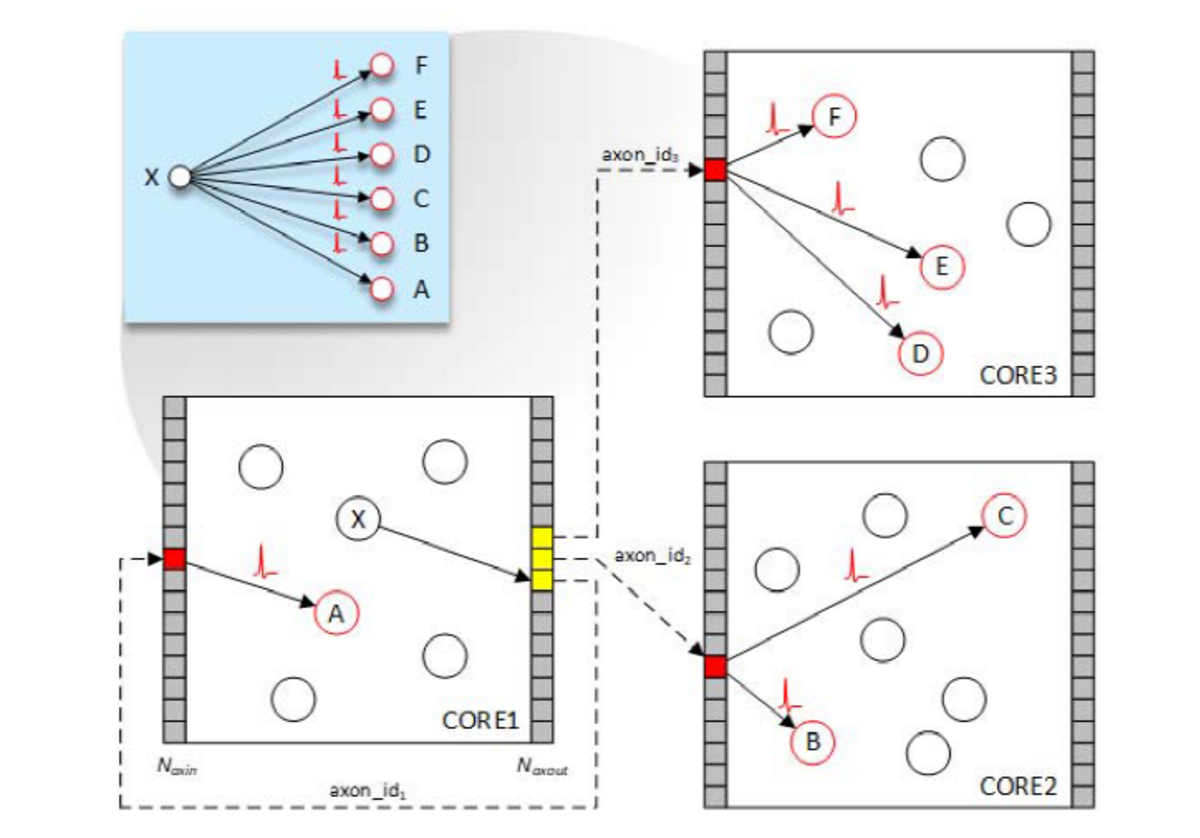
A diagram illustrates a neuron-to-neuron mesh routing model for a spiking neural network. Mike Davies Intel Labs, Intel Corporation Narayan Srinivasa Eta Compute Tsung-Han Lin Gautham Chinya Yongqiang Cao Sri H, CC BY-SA 4.0, via Wikimedia Commons
The nun study
In 1986, researcher David Snowdon began tracking 678 nuns to learn why some stay sharp until age 100. He discovered that sisters who wrote linguistically complex essays in their 20s were far less likely to show symptoms of Alzheimer's Disease decades later.
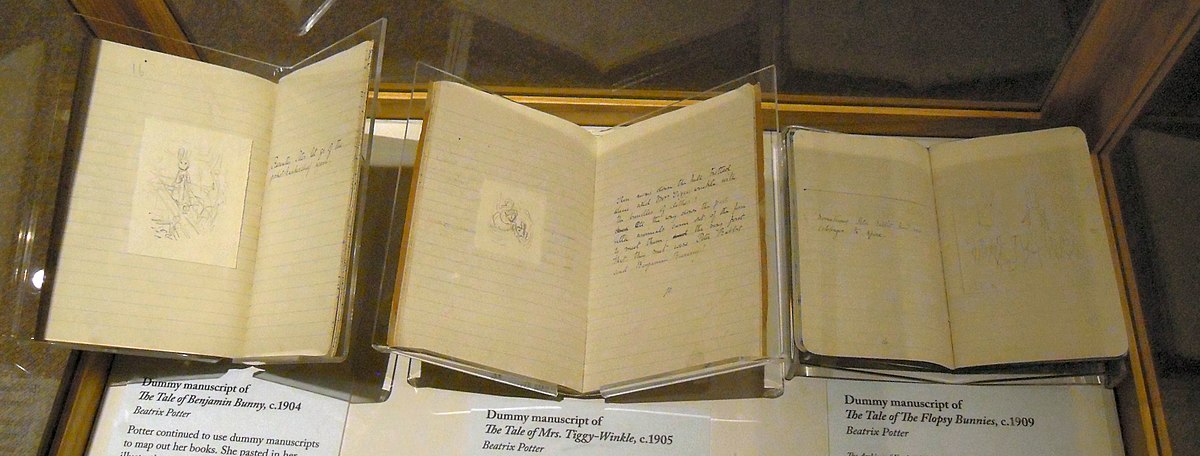
Three of Beatrix Potter's dummy manuscripts are displayed, open to show handwritten text and small illustrations. User:Jack1956, CC0, via Wikimedia Commons
The hidden detours
Even when autopsies showed their brains were physically damaged, these women had functioned normally until death. They possessed high cognitive reserve, allowing their brains to reroute signals around damaged areas for years.
The brain is so adaptive it can mask its own decay, often subconsciously inventing plausible stories, a symptom called confabulation, to fill in the gaps of missing memories.
What causes dementia in the brain?
Dementia is not a single disease, but a syndrome caused by underlying neurodegenerative conditions, strokes, or brain injuries. In neurodegenerative conditions like Alzheimer's, proteins misfold and form clogs between neurons, leading to tissue loss and brain shrinkage.
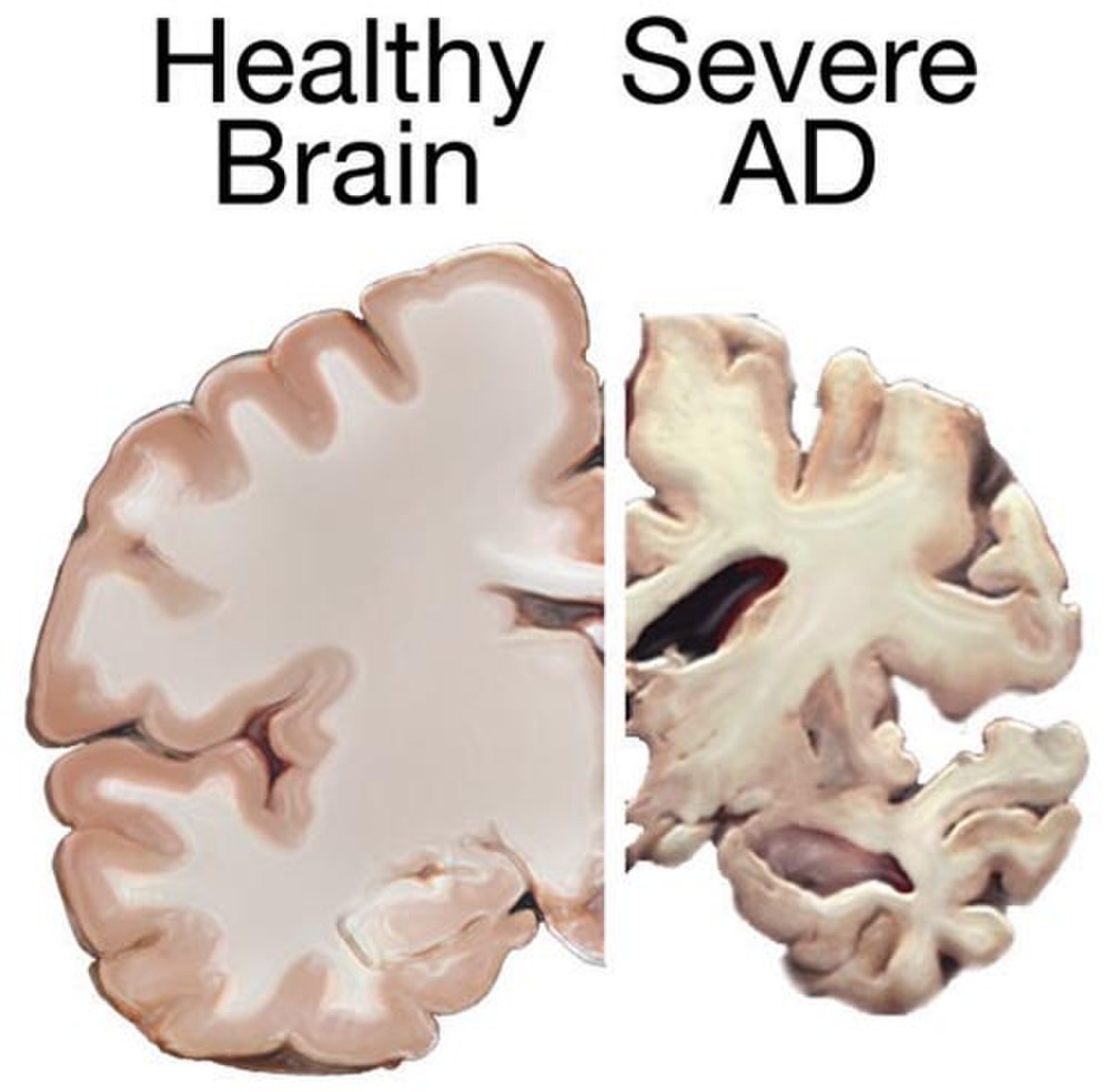
Brain tissue shrinks noticeably in severe neurodegeneration as neurons disconnect and die. National Institutes of Health, Public domain, via Wikimedia Commons
Subtypes are categorized by their underlying pathologies or causes. For example, Alzheimer's involves the misfolded proteins amyloid beta and tau, while other forms arise from conditions like Parkinson's disease, Huntington's disease, Lewy body disease, frontotemporal lobar degeneration, or vascular disease.
Brain imaging and fluid biomarkers from blood or cerebrospinal fluid help doctors identify these specific protein buildups and rule out reversible issues like hypothyroidism.
How dementia affects behavior and the body
More than 90% of dementia cases involve neuropsychiatric symptoms, which frequently appear before memory problems surface. These include restlessness, apathy, agitation, hallucinations, and personality shifts toward increased neuroticism and decreased conscientiousness.
Cognitive symptoms involve memory loss alongside disruptions in attention, orientation, or language, often leading people to use unusual words for familiar objects or get lost in known neighborhoods. To bridge gaps in lost memory, the brain may subconsciously generate plausible fictional details through confabulation.
Motor problems emerge alongside cognitive decline. Most individuals develop paratonia, an inability to relax muscles that can lead to contracted postures, falls, and pain.
Test yourself
Is dementia best classified as a specific standalone disease or an umbrella term for cognitive decline?
An umbrella term for cognitive decline. Dementia describes a general decline in cognitive abilities caused by various underlying neurodegenerative conditions rather than being a single disease.
What is the primary driver of symptom onset in dementia?
The exhaustion of cognitive reserves. Dementia symptoms emerge when the brain can no longer route around damage; the physical presence of protein plaques often exists for years without affecting daily function.
Play the lesson in edgi and the card is yours. It lands on your Map next to the ideas it connects to, and turns from matte to foil to gold as you learn more around it.
No, dementia is not typical age-related decline. Many individuals aged 90 and above live with no signs of dementia.
Can dementia be cured or treated?
There is no known cure for dementia. Medications like donepezil may offer minor benefits in mild to moderate stages, and cognitive behavioral therapy can help manage associated depression.
Can lifestyle changes lower dementia risk?
Yes, several major risk factors are modifiable. Addressing lifestyle factors such as smoking and obesity can help reduce the risk of developing dementia.