A prion is an infectious misfolded protein that forces healthy proteins of the same type to fold into its own abnormal shape. Because it lacks any genetic material like DNA or RNA, it is not alive, yet it propagates through brain tissue like an infection. All known mammalian prion diseases destroy neural tissue and are fatal.
By the edgi team We find the most surprising true thing about an idea and build a 60-second lesson around it.
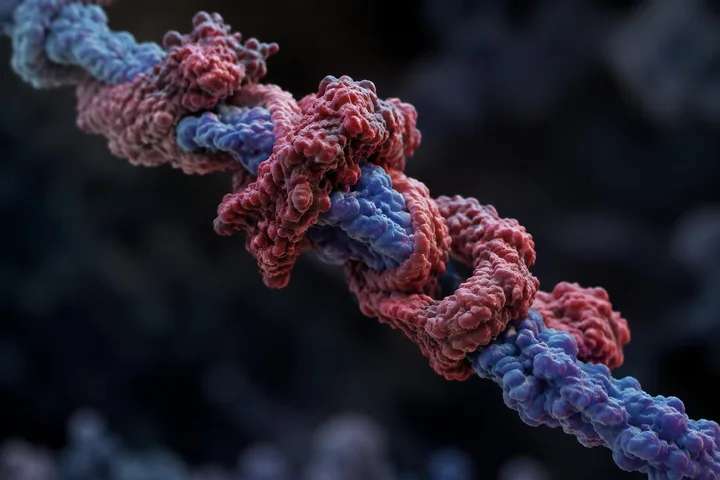
Most infections, viruses and bacteria, rely on DNA or RNA to replicate. Prions are different. They are just proteins, the building blocks of life, folded into a toxic, permanent shape.
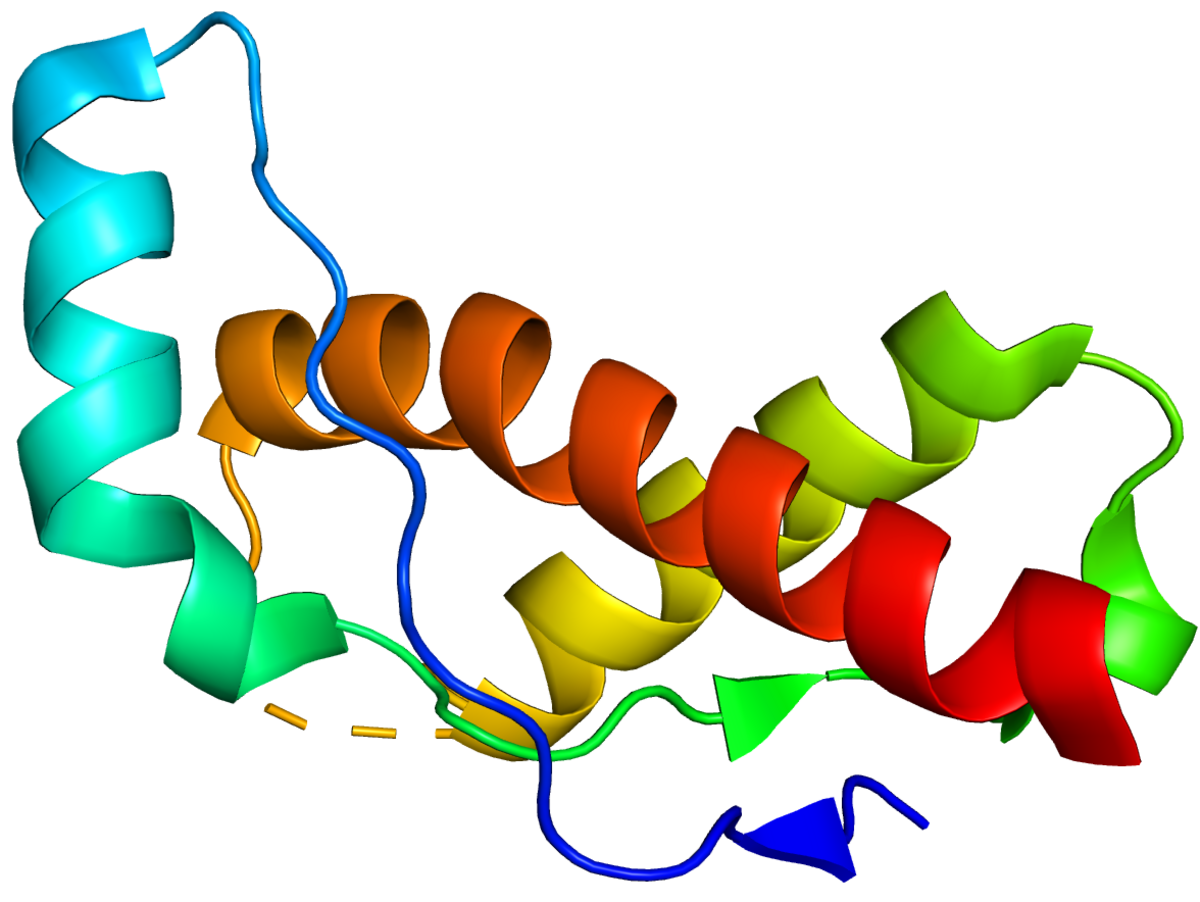
A ribbon diagram of a prion protein structure, identified as PDB 6DU9, displaying a complex arrangement of alpha-helices and loops in various colors. Boghog, CC0, via Wikimedia Commons
They aren't alive. They are simply a shape that forces other proteins to copy it.
The brain sponge
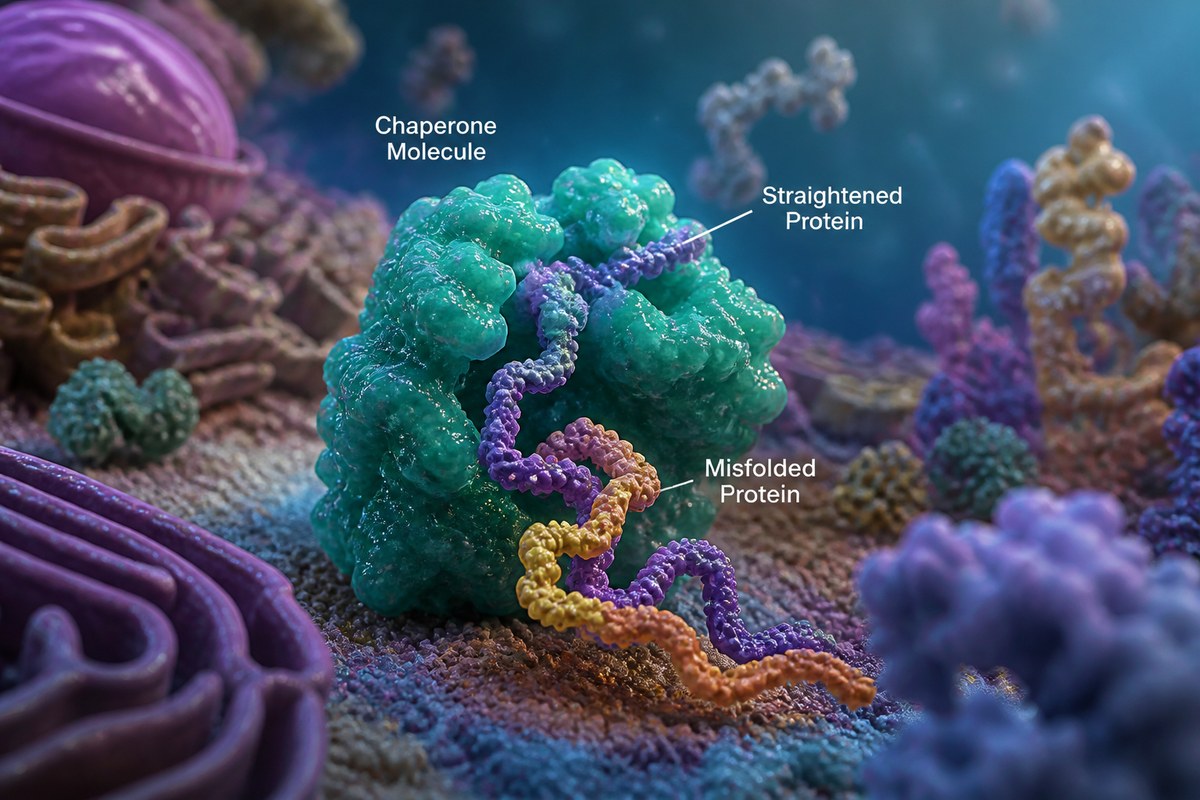
When a prion touches a healthy protein in your brain, it acts like a mold, forcing the healthy protein to misfold. This triggers a chain reaction. The damaged proteins clump together, killing brain cells.
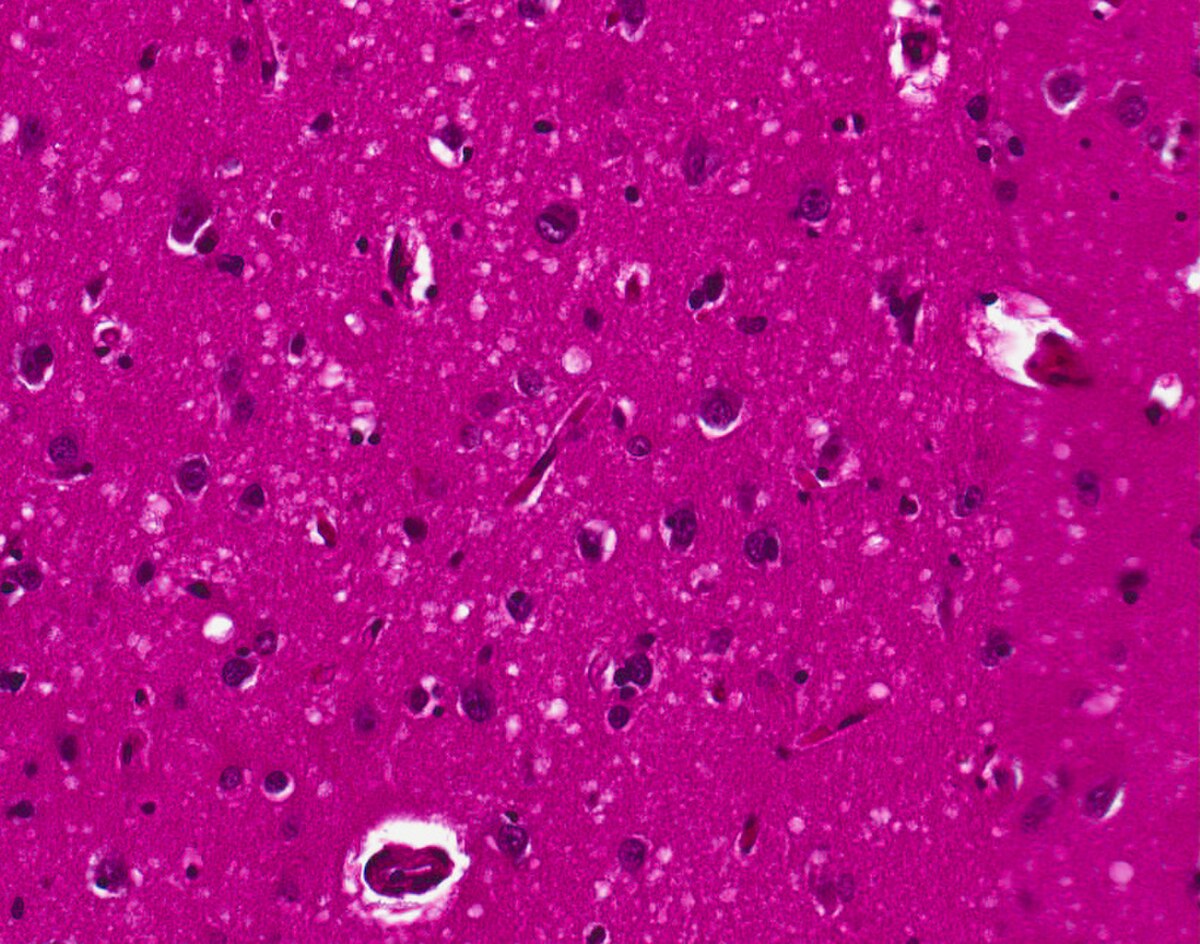
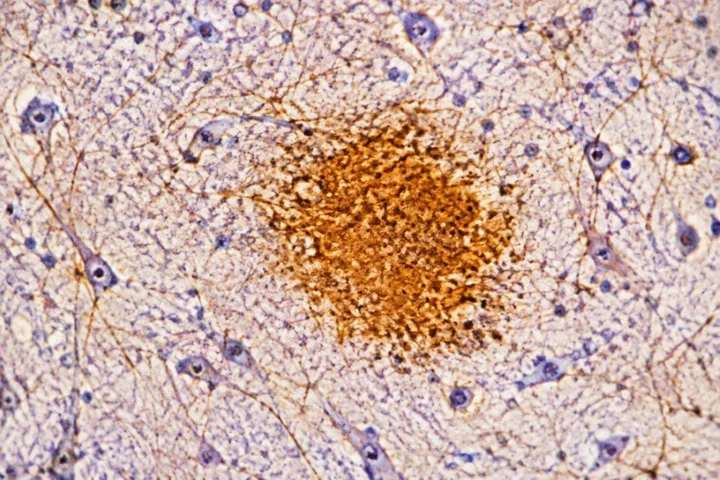
Under a microscope, the brain tissue starts looking like a sponge, full of microscopic holes. This is called a spongiform encephalopathy.
A microscopic image shows brain tissue with spongiform change, characterized by numerous small vacuoles (holes) and some elongated structures, indicative of Creutzfeldt-Jakob disease. DRdoubleB, CC BY-SA 3.0, via Wikimedia Commons
The kuru mystery
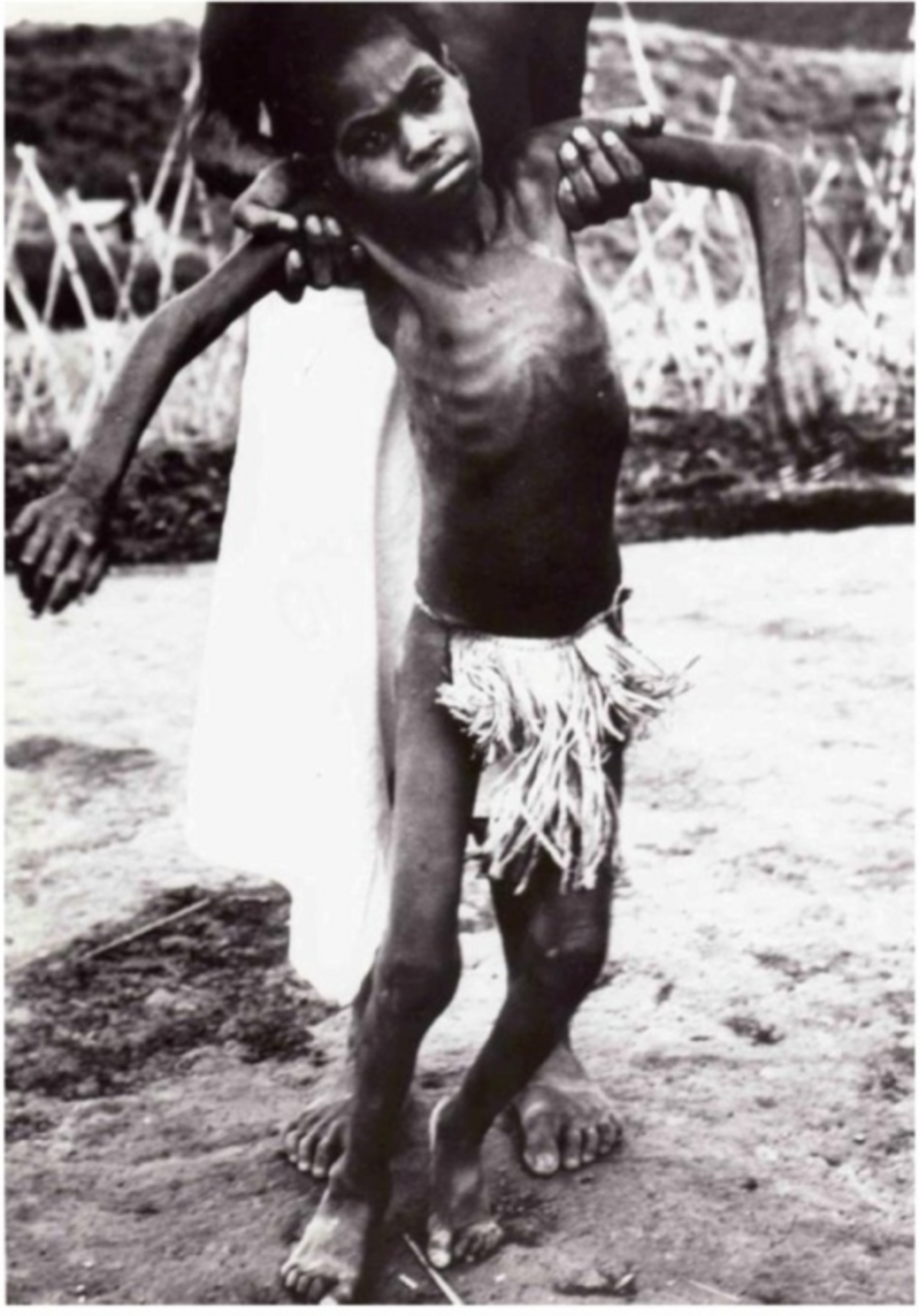
In the 1950s, the Fore people of Papua New Guinea suffered from Kuru, a fatal, mysterious shaking disease. Researchers found it spread through ritual cannibalism, but they couldn't find a virus or bacteria.
A Fore child in an advanced stage of kuru is supported by an adult, showing severe emaciation and muscle wasting. Liberski PP, CC BY 3.0, via Wikimedia Commons
It wasn't until Stanley Prusiner identified the prion in 1982 that science finally understood the killer wasn't a germ, but a misfolded protein.
How prions replicate and destroy tissue
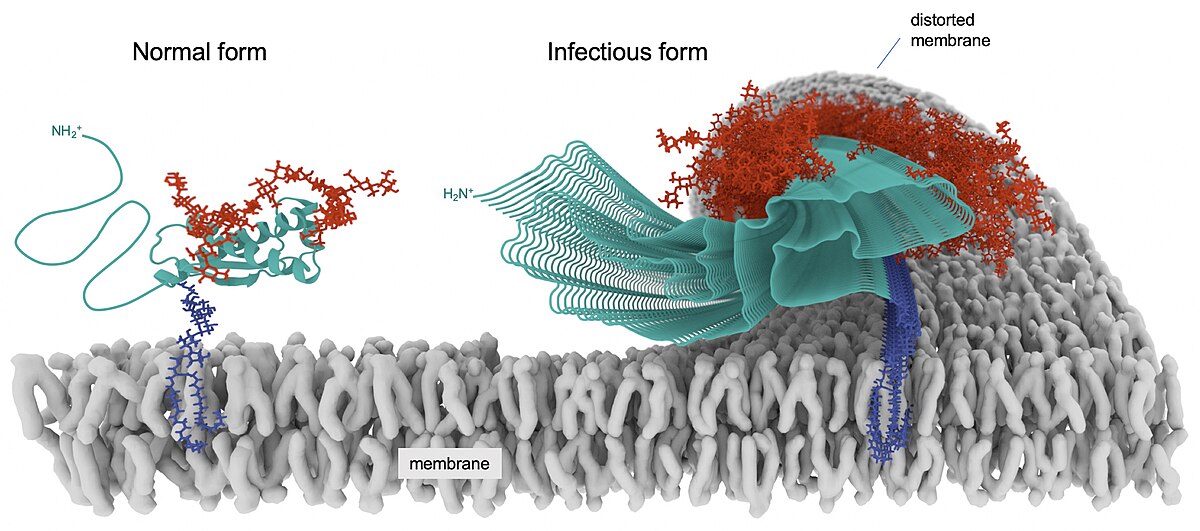
Normal cells naturally carry a major prion protein called PrPC on their cell membranes, especially in neural tissue and blood platelets. PrPC has a mostly alpha-helical structure and helps with cell signaling and adhesion. The infectious form, known as PrPSc, replaces these alpha-helices with beta-sheets, shifting the protein into a rigid, highly stable shape.
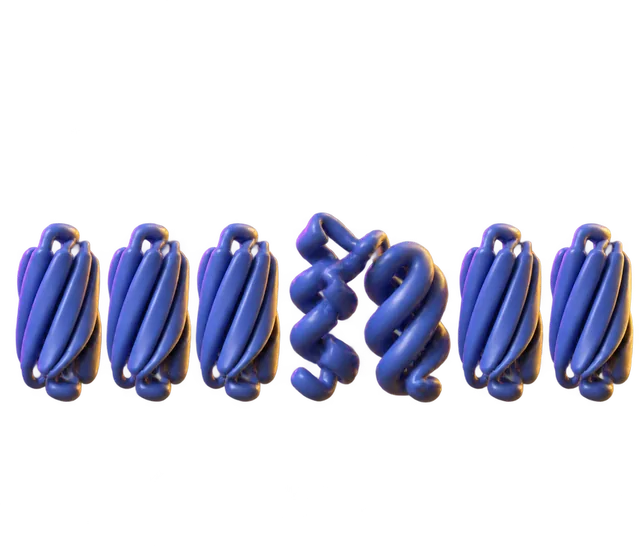
Compare the mostly alpha-helical healthy PrPC model with the beta-sheet rich PrPSc model to see how the protein's physical shape alters upon infection. Byron Caughey (NIAID, NIH, HHS) and Allison Kraus (Case Western Reserve University)., Public domain, via Wikimedia Commons
When an infectious PrPSc particle encounters a healthy PrPC protein, it acts as a physical template. It forces the normal protein to refold into the infectious shape. These refolded units attach to the ends of growing fibrils, creating stacks of beta-sheets known as amyloids.
As amyloid fibrils grow and break apart, they spread through tissue and kill surrounding brain cells. Over time, the loss of neurons leaves microscopic holes throughout the brain, giving it a sponge-like texture.
Why prions resist normal decontamination
Ordinary pathogens like bacteria and viruses are vulnerable to heat, radiation, and enzymes that degrade nucleic acids. Prions contain no DNA or RNA to target, and their dense beta-sheet aggregates make them resistant to standard proteases (the body's protein-digesting enzymes) and common chemical or physical disinfectants.
This structural durability makes prion disposal difficult in medical environments. If surgical instruments come into contact with contaminated neural tissue, standard sterilization procedures can fail to denature the proteins, creating a risk of physician-caused transmission between patients.
Test yourself
How does a prion spread infection without possessing any genetic material like DNA or RNA?
By forcing healthy proteins to copy its shape. Prions are not living cells and do not carry genes. Instead, they act as a physical template that forces normal proteins to adopt the same misfolded shape.
How do prions spread infection compared to bacteria or viruses?
They force protein shape changes. Prions are not living organisms with DNA; they cause disease by acting as a structural template that forces normal proteins to adopt a harmful, misfolded shape.
Play the lesson in edgi and the card is yours. It lands on your Map next to the ideas it connects to, and turns from matte to foil to gold as you learn more around it.
What diseases do prions cause in animals and humans?
Prions cause scrapie in sheep, bovine spongiform encephalopathy (mad cow disease) in cattle, and chronic wasting disease in deer. In humans, they cause Creutzfeldt–Jakob disease, Gerstmann-Straussler-Scheinker syndrome, and Kuru.
Can prions form without catching an infection?
Yes. Prions can arise through genetic mutations in the protein-coding gene or through spontaneous, sporadic misfolding events in the body, as well as through transmission from infected tissue.
Do any non-PrP proteins act like prions?
Yes. A prion form of alpha-synuclein has been linked to multiple system atrophy, and similar misfolding mechanisms occur in other neurodegenerative conditions like Alzheimer's disease, Parkinson's disease, and ALS.