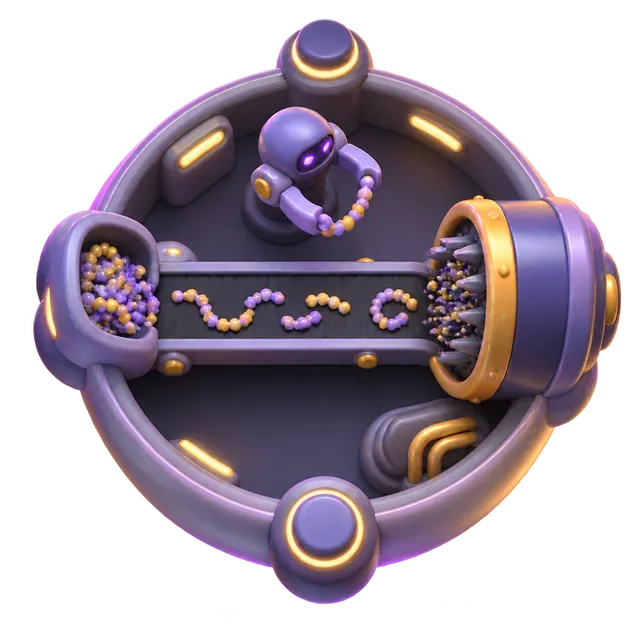
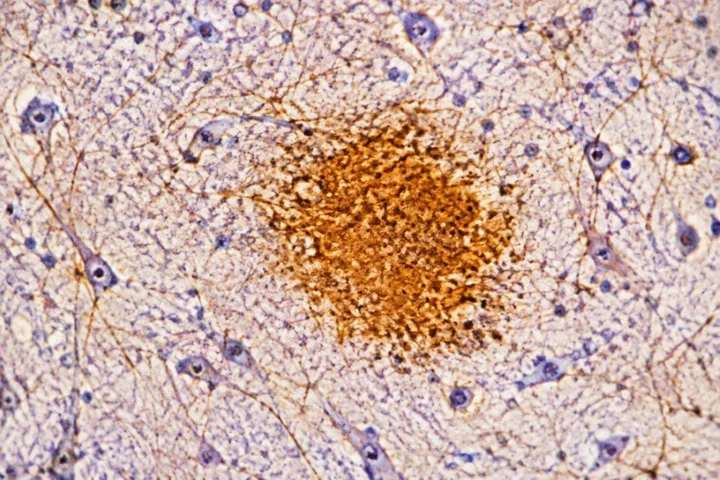
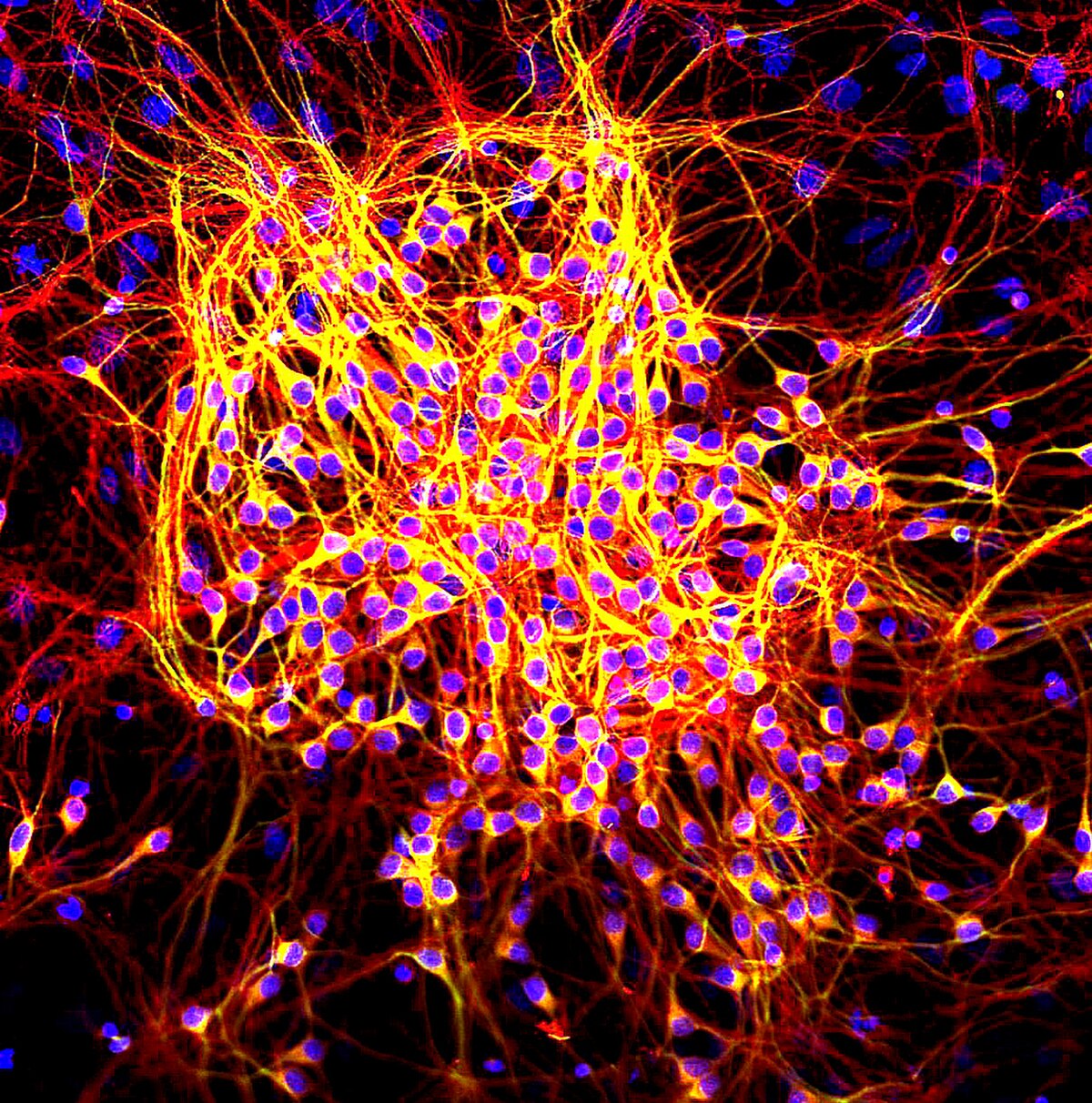
Proteostasis is the cell's system for balancing the creation, folding, and destruction of all its proteins. Cells rely on correctly shaped proteins to carry out daily functions, while misfolded proteins turn into toxic sludge. When this quality-control network breaks down, accumulated protein clumps drive conditions like Alzheimer's and Parkinson's disease.
By the edgi team We find the most surprising true thing about an idea and build a 60-second lesson around it.
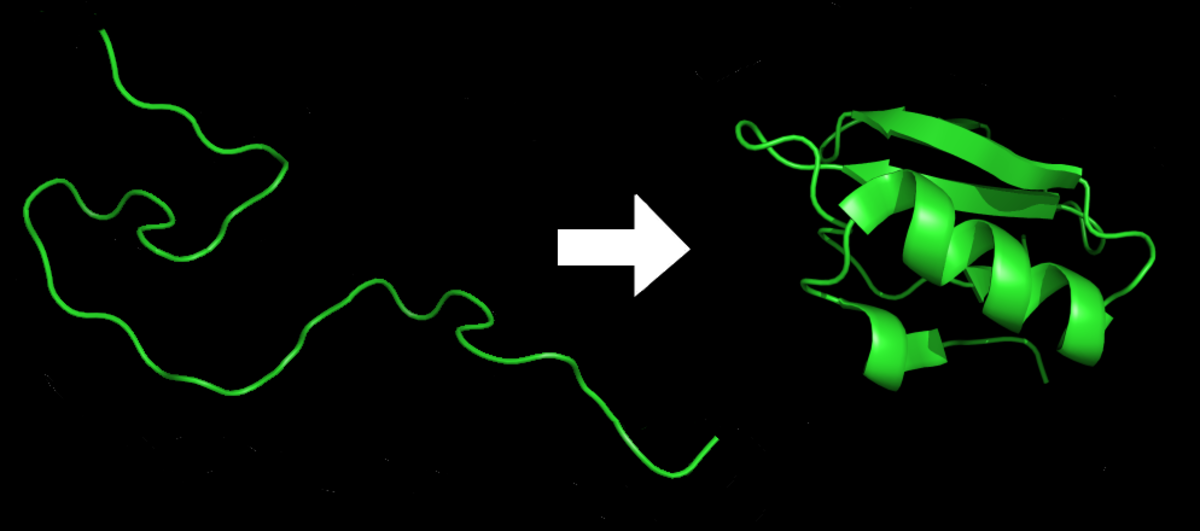
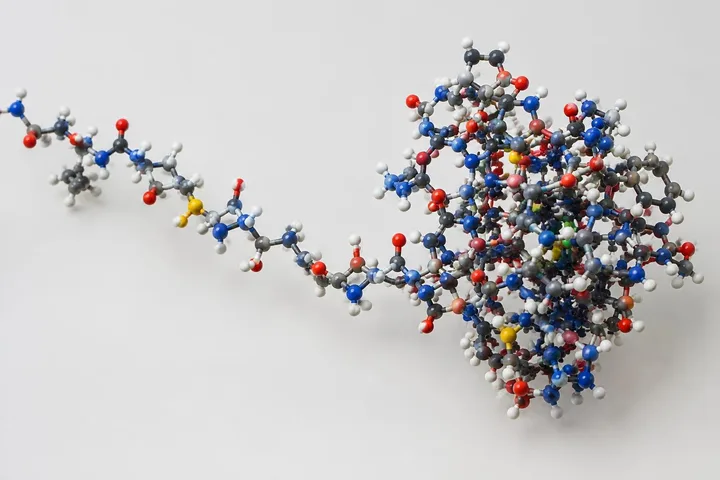
Proteins start as long, flat molecular ribbons that must instantly twist into precise three-dimensional shapes to work. If a protein folds even slightly wrong, it becomes useless junk that gums up the cellular machinery.
Diagram showing a protein before and after folding, illustrating the transformation from a linear, unstructured polypeptide chain to a compact, three-dimensional functional protein. DrKjaergaard, Public domain, via Wikimedia Commons
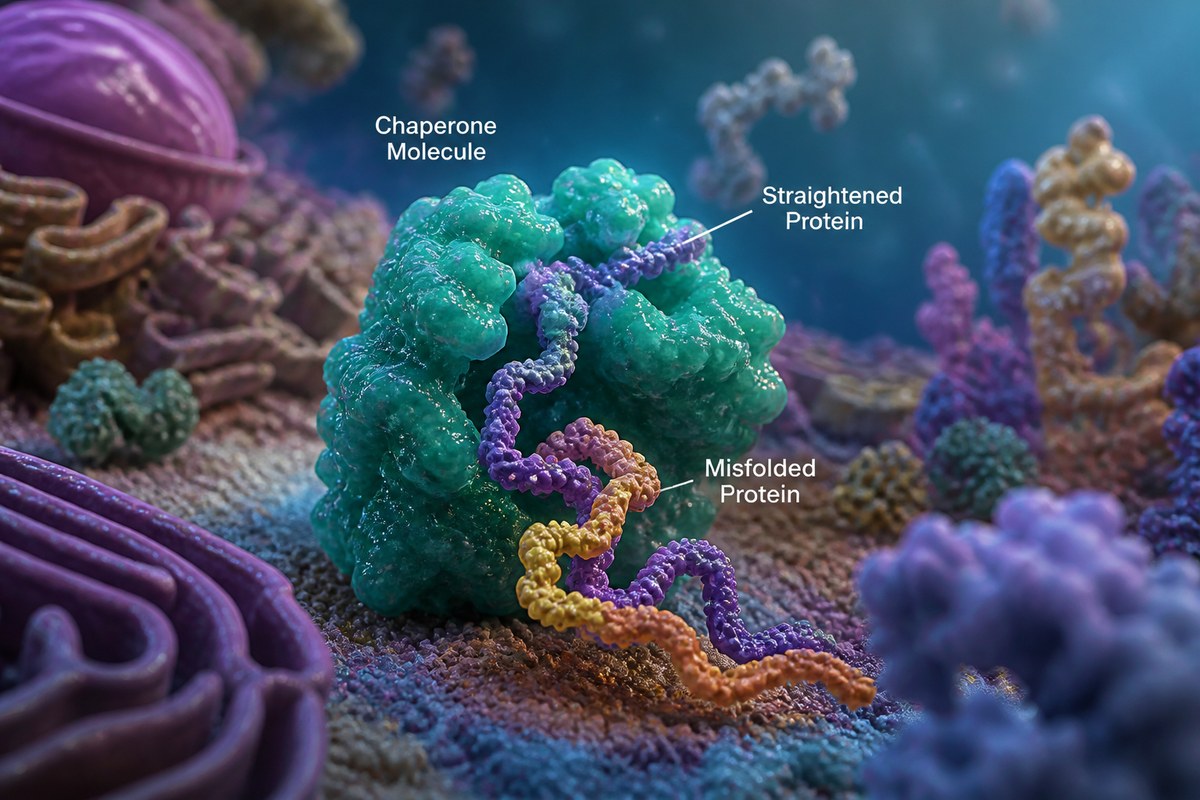
The cell deploys specialized proteins called molecular chaperones to act as microscopic folding assistants.
The recycling yard
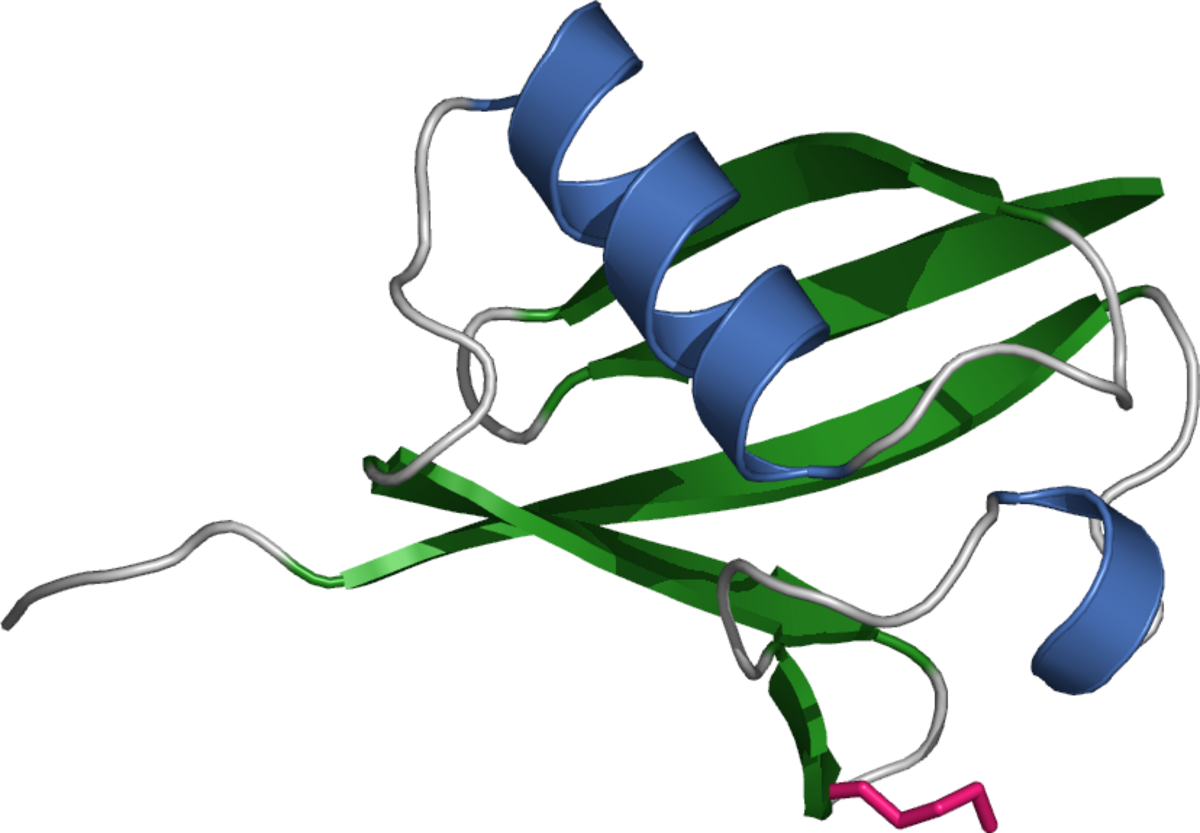
When folding fails completely, the cell marks the ruined protein for destruction with a molecular tag called ubiquitin. It then feeds the tagged wreckage into a cylindrical protein shredder called a proteasome.
Ribbon diagram of ubiquitin, a highly conserved protein that acts as a molecular tag for protein degradation by the proteasome. en:User:Rogerdodd, Public domain, via Wikimedia Commons
This relentless sweep of production, rescue, and demolition is known as proteostasis.
When the system fails
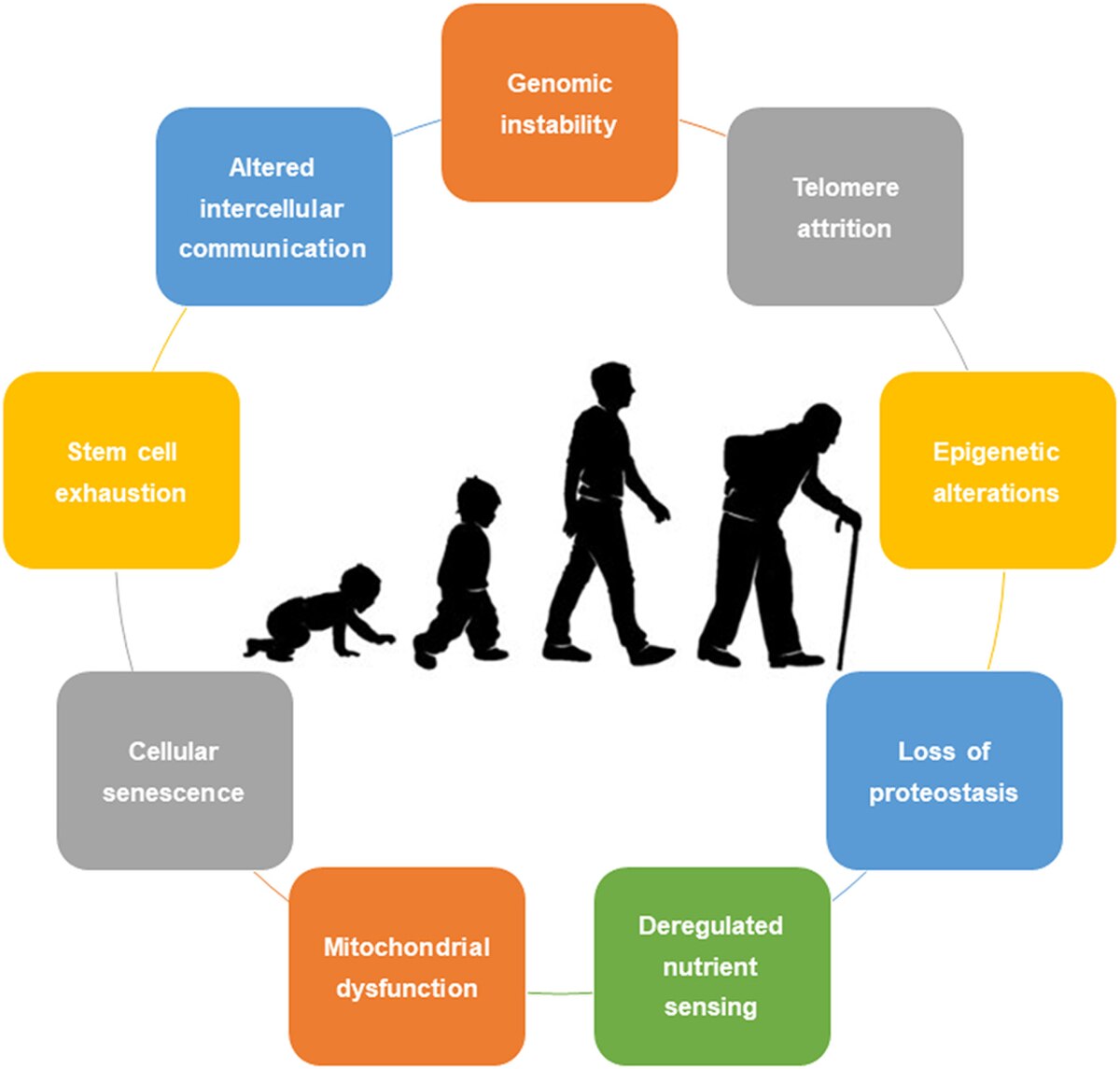
As we age, this quality-control network gradually loses its grip, leading to a breakdown in protein homeostasis. Unchecked, sticky misfolded proteins clump together into rigid amyloid structures.
Diagram illustrating "The Hallmarks of Aging" around a central image depicting human development from infancy to old age. Rebelo-Marques, De Sousa Lages, Andrade, Ribeiro, Mota-Pinto, Carrilho and Espregueira-Mendes, CC BY 4.0, via Wikimedia Commons
These toxic deposits are the root cause behind devastating conditions like Alzheimer's and Parkinson's disease.
How folding begins at the ribosome
Protein folding begins before a protein even finishes forming. The ribosome synthesizes new peptide chains slowly and pauses at rare codons. These pauses give individual protein sections time to fold correctly on their own before the next parts appear.
The emerging chain passes through a narrow exit channel inside the ribosome. This tight tunnel forces the chain to form simple shapes, such as alpha helices, while preventing large-scale interactions that cause premature tangling.
As soon as a chain longer than 60 amino acids emerges from the channel, molecular chaperones arrive. Factors like trigger factor bind near the exit site to stabilize the chain, recruit other helpers such as Hsp70, and shield water-fearing amino acids to block aggregation.
Chaperonins and protein degradation
Chaperonins are barrel-shaped folding chambers that isolate single proteins from the crowded cell. Group 1 chaperonins operate in bacteria, mitochondria, and chloroplasts using a separate co-chaperone lid, whereas Group 2 chaperonins in eukaryotic cytoplasm carry built-in helical lids. Both types cycle between open and closed states to fold proteins without interference.
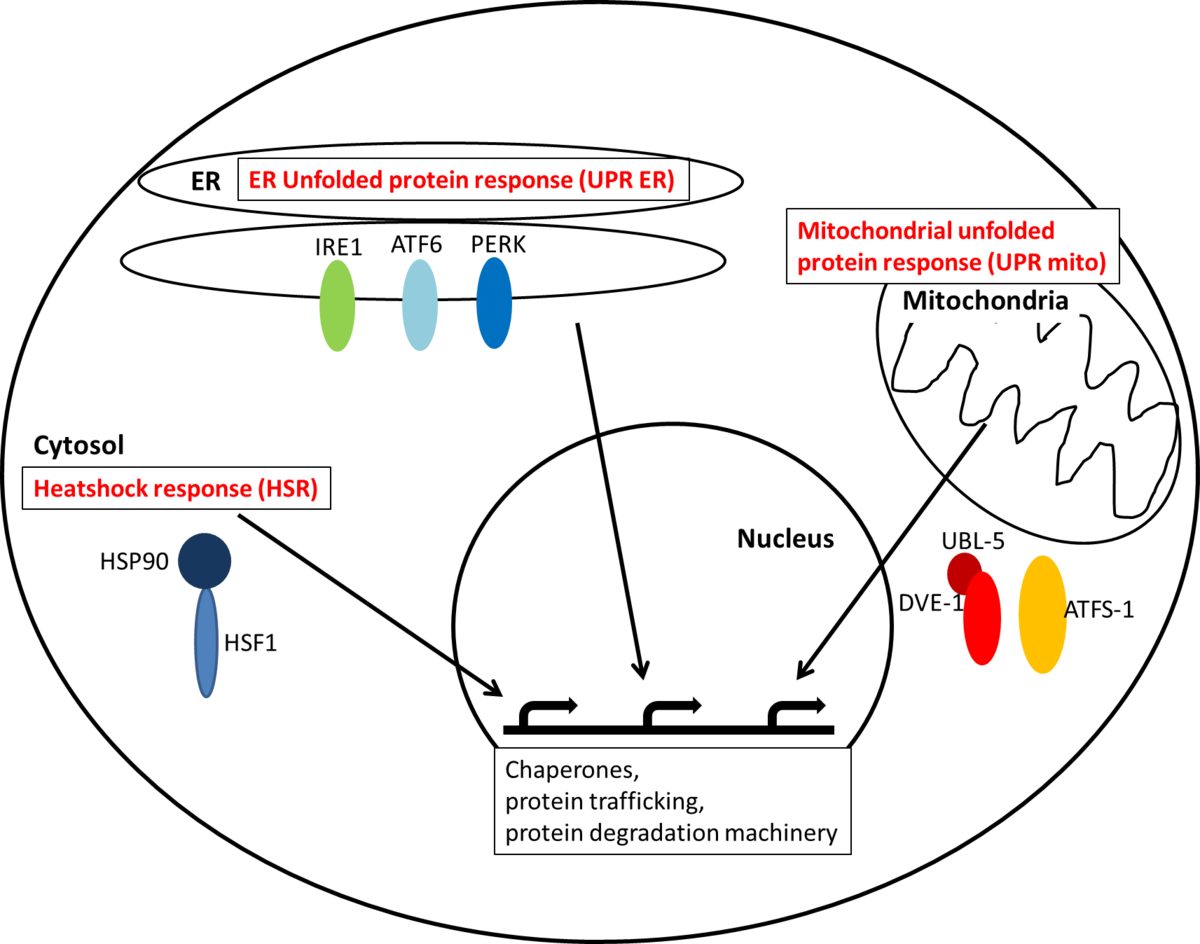
Surveillance pathways detect misfolded proteins in specific cell compartments and trigger degradation responses. Mcp25, CC BY-SA 4.0, via Wikimedia Commons
When folding fails completely, the cell shifts to degradation. Damaged or redundant proteins receive a ubiquitin tag and enter ATP-dependent shredders like the eukaryotic proteasome or prokaryotic ClpXP.
Cells also clear damaged proteins through endoplasmic-reticulum-associated degradation, the unfolded protein response, and autophagy. Clearing these targets prevents sticky aggregates from forming rigid amyloid structures.
Test yourself
A complex molecule is damaged and becomes sticky. What is the most reliable cellular response?
Tag it with a marker and shred it. Cells cannot simply let ruined molecules accumulate. Once folding fails completely, destruction via recycling is the only safe option to prevent toxic clumping.
Aging diseases like Alzheimer's are caused by an overproduction of proteins.
False. Disease isn't caused by making too many proteins, but by the failure to keep existing proteins properly folded and cleared out, allowing useless junk to accumulate.
Play the lesson in edgi and the card is yours. It lands on your Map next to the ideas it connects to, and turns from matte to foil to gold as you learn more around it.
What happens when proteostasis fails during aging?
Aging weakens the proteostasis network, leaving cells unable to clear misfolded proteins efficiently. These unmanaged proteins aggregate into rigid amyloid deposits, causing degenerative diseases like Alzheimer's and Parkinson's.
How do cells detect misfolded proteins in different areas?
Cells run distinct surveillance systems inside the cytoplasm, endoplasmic reticulum, and mitochondria. These sensors detect misfolded proteins locally and can trigger signaling across neighboring cells to prepare them for stress.