Barter is a system of exchange where people trade goods or services directly for other goods or services without using money. Economists long assumed ancient humans used barter before inventing currency, but anthropologists have never found a pure barter economy. Instead, direct swapping primarily emerges between strangers or as an emergency fallback when an existing monetary system collapses.
By the edgi team We find the most surprising true thing about an idea and build a 60-second lesson around it.
We are taught that ancient people bartered chickens for grain until they invented money. History disagrees. Anthropologist Caroline Humphrey famously noted that no example of a pure barter economy has ever been found.
Ancient societies didn't swap goods like traders; they used credit, ledgers, and gift economies to manage debt.
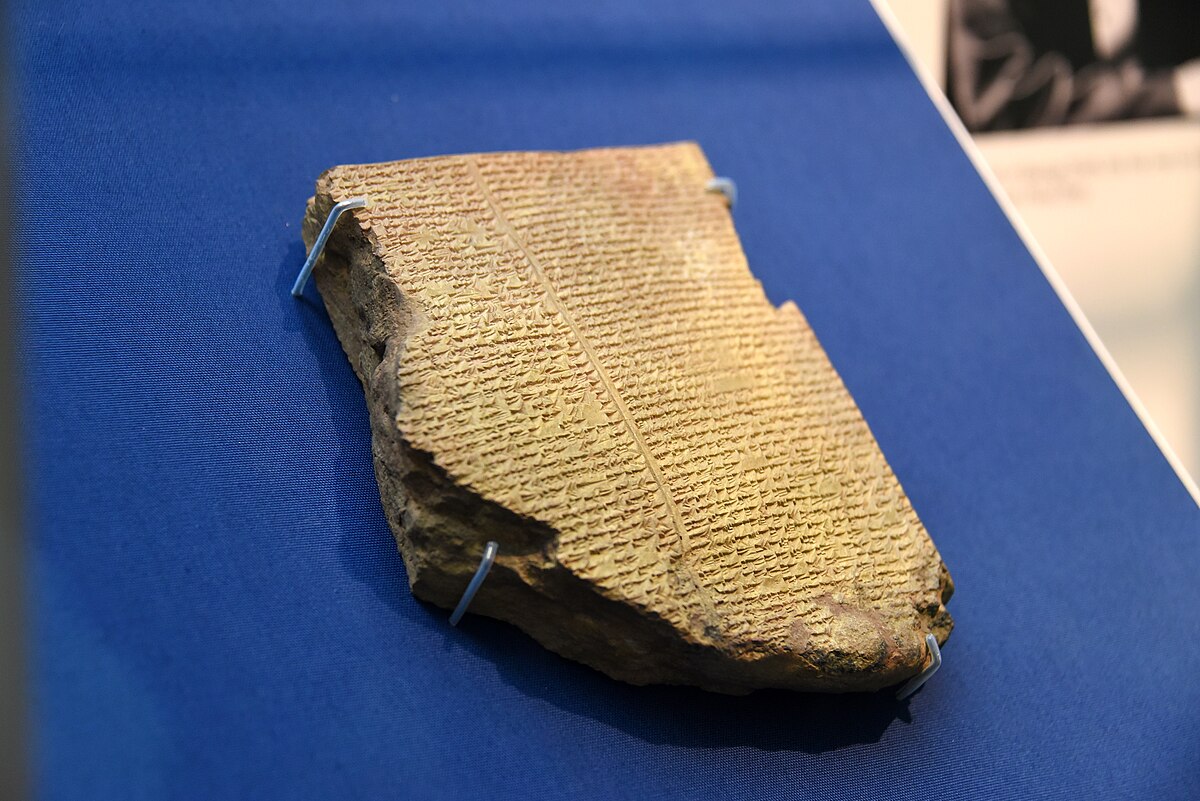
A fragment of Tablet XI, also known as the Flood Tablet, of the Epic of Gilgamesh, displayed in a museum. Osama Shukir Muhammed Amin FRCP(Glasg), CC BY-SA 4.0, via Wikimedia Commons
The coincidence problem
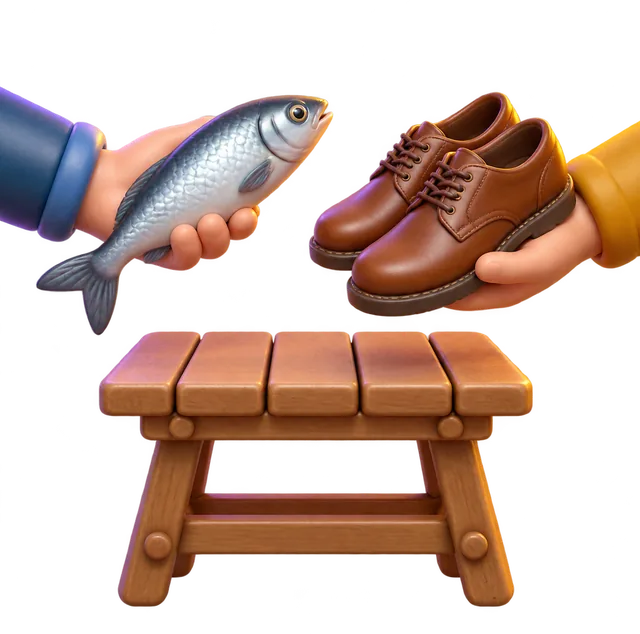
Barter requires a coincidence of wants: I need your shoes, you need my goat, and we both need to agree on the value right now. Without a medium of exchange, trade grinds to a halt because it is incredibly rare for two people to have exactly what the other needs, simultaneously.
Money was invented to solve this, creating a universal 'want' that everyone accepts.
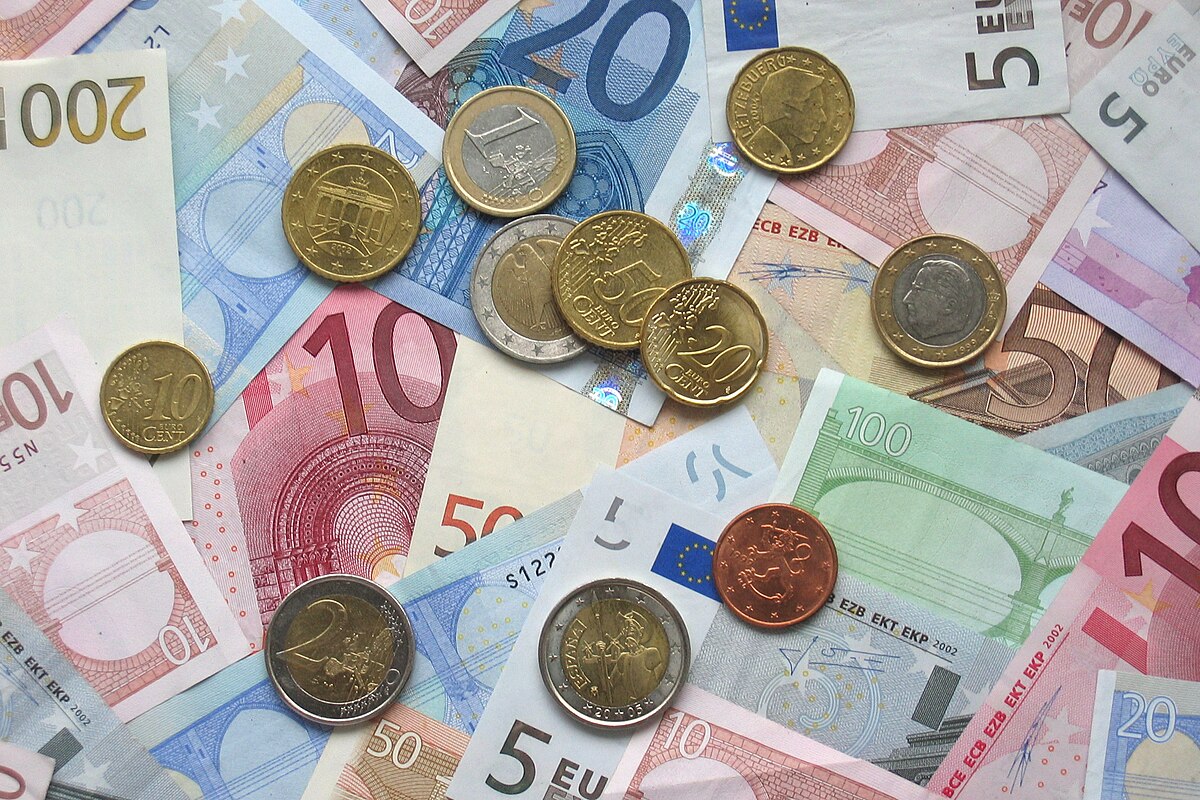
A scattered arrangement of various Euro banknotes and coins, including denominations such as 5, 10, 20, 50, 100, and 200 Euro notes, and 1, 2, 5, 10, 20, 50 cent, 1 Euro, and 2 Euro coins. Avij (talk · contribs), Public domain, via Wikimedia Commons
Barter in breakdown
Barter only explodes when a currency system fails. It is a fallback, not a foundation. During Germany's 1923 hyperinflation, money became worthless, so people traded pianos for flour and theater tickets for sausages.
They weren't living in the Stone Age; they were using a desperate quid pro quo to bypass a broken economy.
Why pure barter economies never existed
Adam Smith proposed that money arose because barter was clumsy. In his view, individuals specialized in trades and exchanged surplus items directly, but this process stalled due to the double coincidence of wants: both traders had to desire what the other offered at that exact moment. To solve this friction, Smith argued that people began stockpiling universally desired items like salt or metal, inventing money without state intervention.
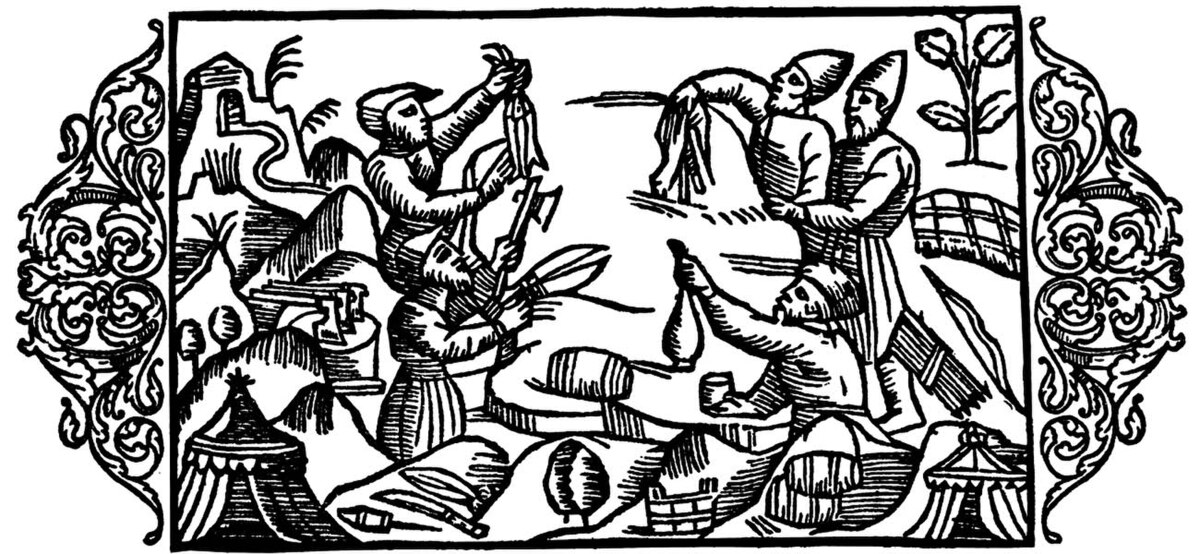
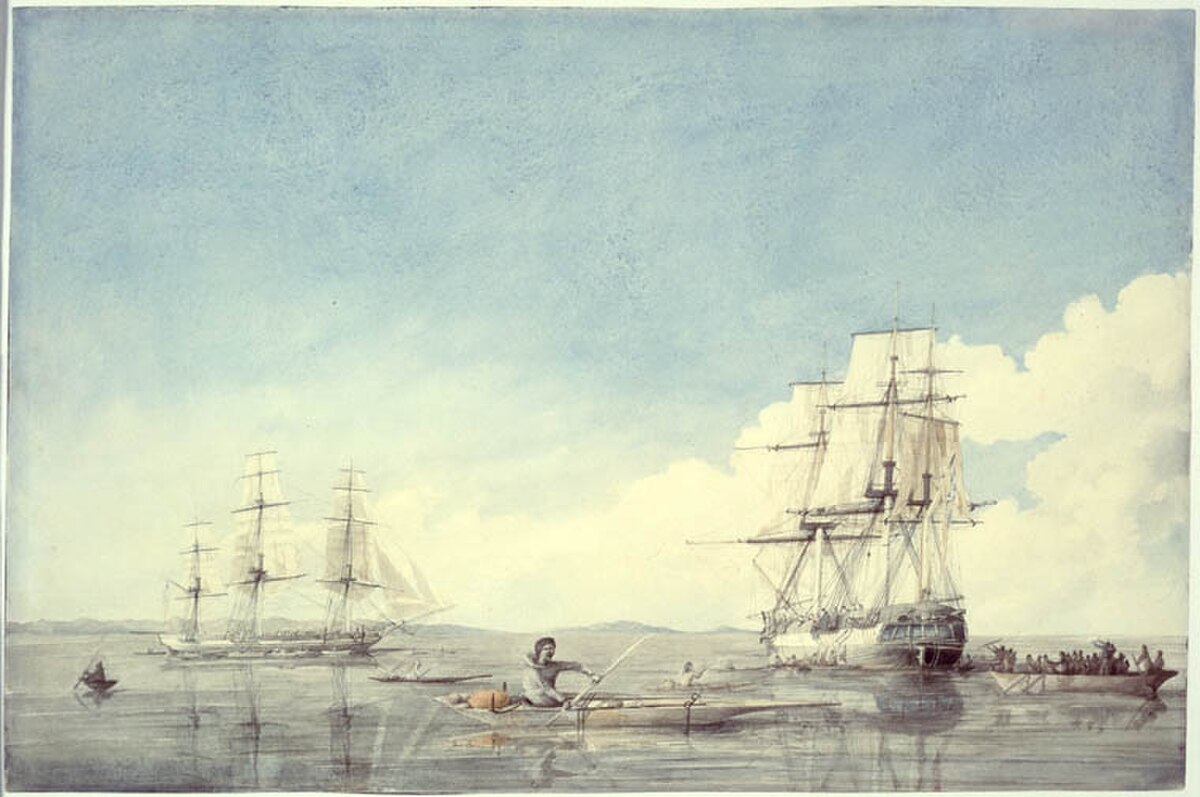
A 1555 woodcut showing Russian and Scandinavian merchants bartering, illustrating how direct trade traditionally occurred between strangers rather than community members. Olaus Magnus, Public domain, via Wikimedia Commons
Anthropologists have since refuted Smith's hypothetical history. Caroline Humphrey noted that no example of a pure barter economy has ever been discovered, and researchers found no evidence that money emerged from barter. As David Graeber pointed out, barter in stateless societies almost exclusively occurred between strangers, while neighbors relied on credit, gift systems, and generalized reciprocity.
The mechanics and limits of direct exchange
A typical barter transaction features immediate, reciprocal exchange where both parties are equal and free to walk away. Because there is no common unit of account, there is no fixed criterion of value. The trade simply moves an item between different regimes of value based on how much each participant wants what the other holds.
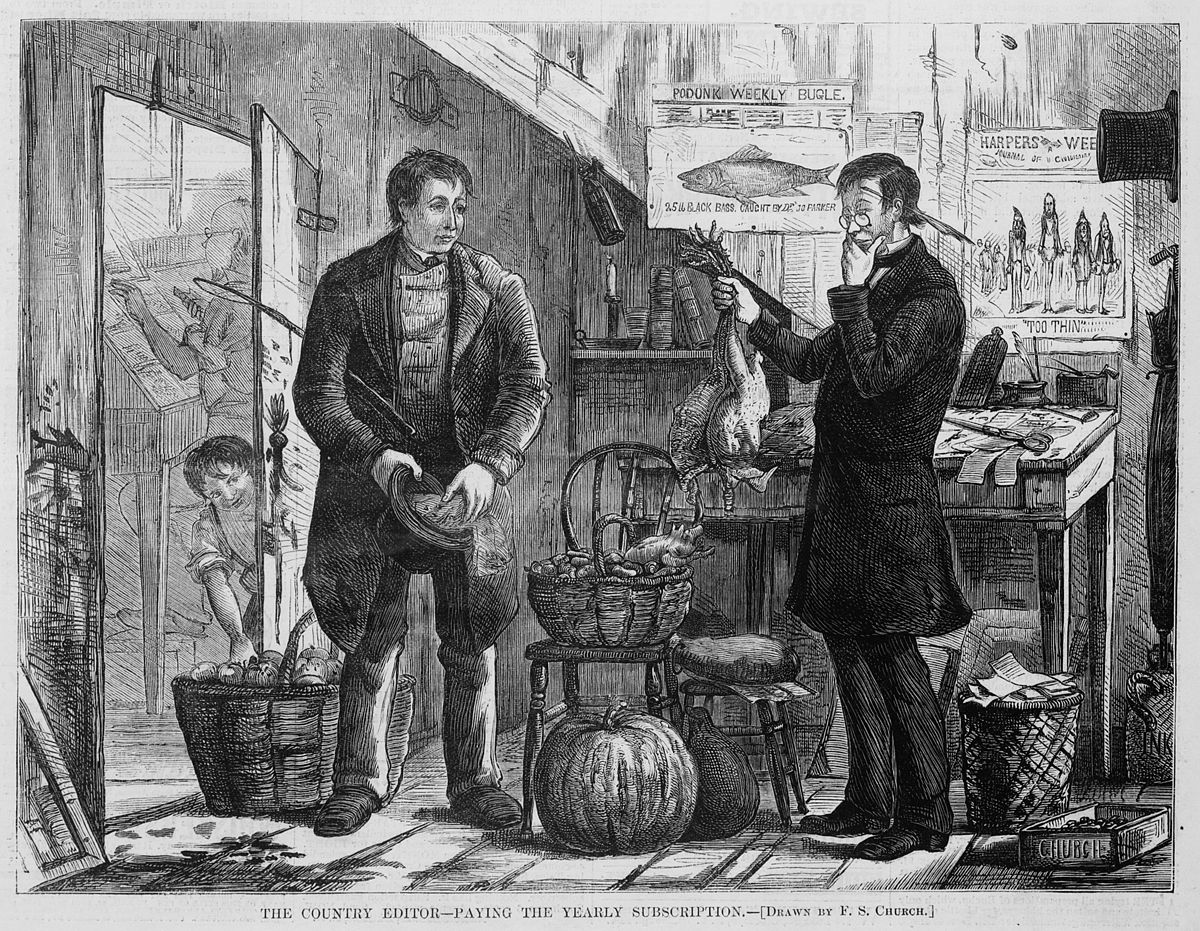
An 1874 illustration of a farmer trading farm produce for a newspaper subscription, showing a direct exchange of different goods without money. F.S. Church, published in Harper's Weekly, January 17, 1874, p. 61., Public domain, via Wikimedia Commons
These mechanics make barter highly inefficient compared to monetary trade. Beyond requiring a double coincidence of wants, barter struggles with indivisible goods: a trader cannot split a high-value item like a live animal to pay for a cheap portion of grain. Wealth storage is also difficult because perishable goods rot, whereas money stores purchasing power over time.
When people actually use barter
Rather than being a primitive foundation of trade, barter functions as a fallback system. It spreads rapidly when conventional money collapses or becomes unavailable. During Germany's 1923 hyperinflation, people bypassed worthless paper currency by exchanging pianos for flour and theater tickets for sausages.
Direct trade also resurfaces when there is a lack of trust, little information on creditworthiness, or a severe shortage of cash. Economists also observe that barter setups lack interest rates, which Silvio Gesell demonstrated to be purely monetary phenomena absent from non-currency trades.
Test yourself
When a town's currency becomes worthless, why might barter increase?
People can trade directly without relying on that currency. Direct exchange can keep trade going when currency loses trust, though people still need to agree on a trade and its value.
Barter is best understood as what kind of trade?
A fallback when money cannot be trusted. Barter can bypass a failing currency, but it is not established as the usual foundation of trade before money.
Two neighbors exchange goods directly instead of using cash. When does this actually happen?
When the official currency has failed. Pure barter is not how ancient trade began; it is a desperate fallback tactic that only emerges when trust in currency collapses.
Play the lesson in edgi and the card is yours. It lands on your Map next to the ideas it connects to, and turns from matte to foil to gold as you learn more around it.
Barter involves an immediate, reciprocal swap of goods or services between parties. Gift economies rely on delayed reciprocity and redistribution, where individuals give goods according to ability and take according to need without calculating immediate exchange values.
Can barter involve more than two people?
Yes. While barter usually happens on a bilateral basis between two parties, it can also be multilateral when organized through a specialized trade exchange.