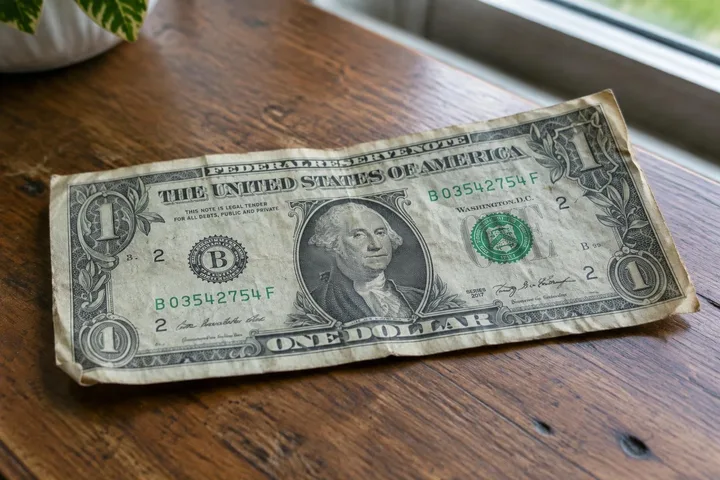
The US dollar is the official currency of the United States and the primary currency used in global trade and finance. It started as a standardized weight of silver modeled on the Spanish dollar and later transitioned into a fiat currency backed solely by government authority. Because most international commerce and reserve holdings rely on it, actions taken by the US Federal Reserve directly affect economies around the world.
By the edgi team We find the most surprising true thing about an idea and build a 60-second lesson around it.
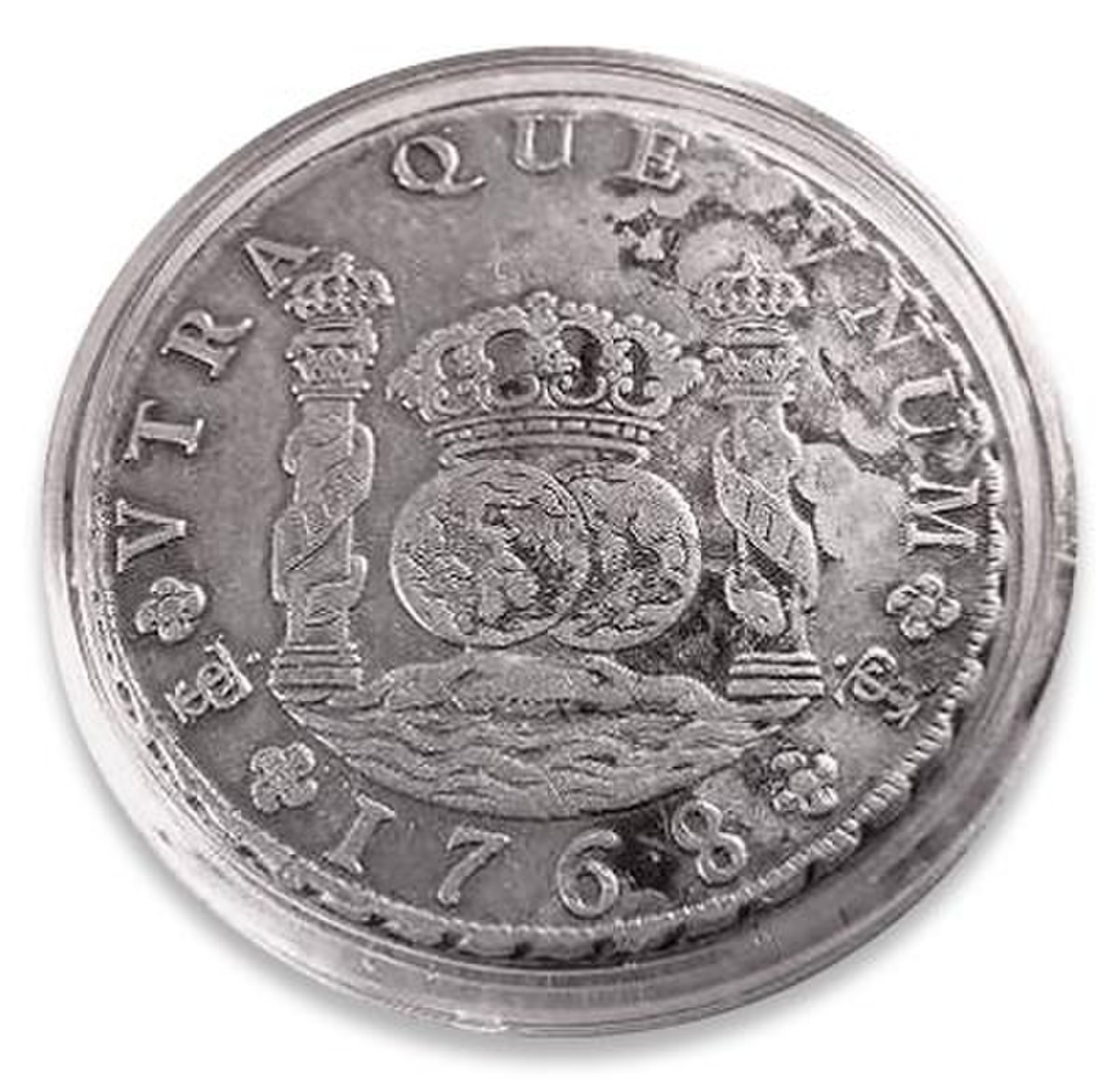
When the U.S. launched its currency in the Coinage Act of 1792, it didn't invent a new system. It simply cloned the Spanish silver dollar, which was the most trusted coin in the Americas at the time.
Spanish silver eight-real or peso coin from 1768, featuring two crowned globes flanked by crowned pillars with banners, and the date "1768" at the bottom. Public domain, via Wikimedia Commons
That first dollar was literally a piece of silver that travelers already recognized and used.
The golden break
For nearly two centuries, the dollar was backed by the Gold Standard. You could theoretically trade your paper bills for physical metal. That ended in 1971 with the 'Nixon Shock.'
President Richard Nixon severed the link, transforming the dollar into a fiat currency backed only by government promise.
Global dominance
Today, the dollar is the world’s primary reserve currency. Most international trade, including oil, is settled in dollars, regardless of which countries are involved.
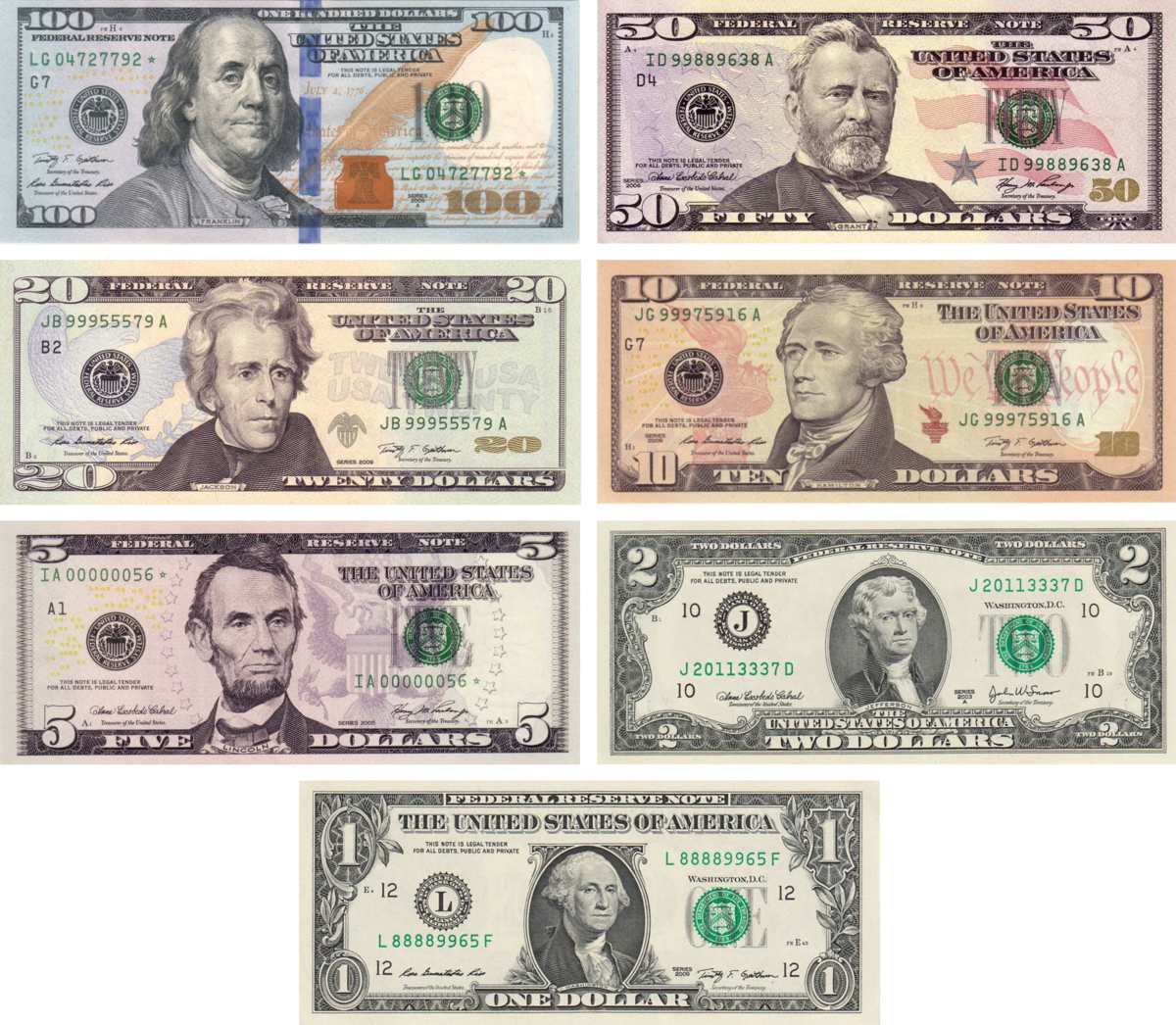
Collection of new design United States dollar banknotes, including the $100, $50, $20, $10, $5, $2, and $1 denominations. US Federal Reserve, Public domain, via Wikimedia Commons
This gives the Federal Reserve immense power to influence the global economy just by adjusting domestic interest rates.
How the dollar was defined and divided
The Coinage Act of 1792 established the US dollar by fixing it directly to 371.25 grains of pure silver, precisely copying the Spanish milled dollar. Congress adopted a decimal framework with units including the cent, the dime, and the mill, which equaled one-thousandth of a dollar.
While modern consumers only see the mill as the fractional cent at retail fuel pumps, historic commerce relied heavily on non-decimal divisions. Americans regularly traded in Spanish and Mexican eighths called bits, equal to 12.5 cents, a counting habit that persisted in New York Stock Exchange quotes until 2001.
From gold backing to global reserve currency
The dollar originally operated on a bimetallic silver and gold standard before the Gold Standard Act of 1900 linked it exclusively to gold. In 1934, its value was set at $35 per troy ounce. That ended in 1971 when all official ties between the currency and physical gold were repealed.
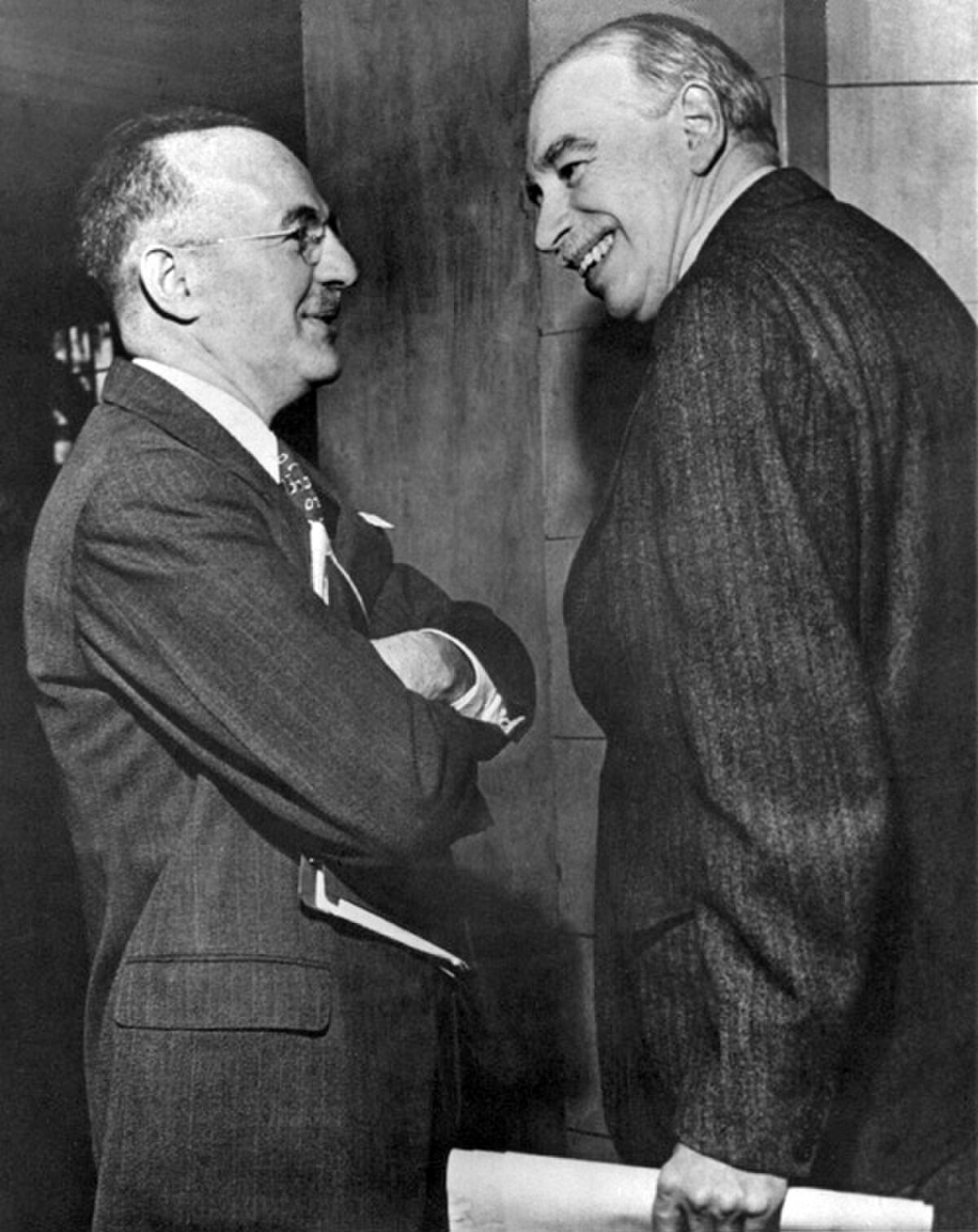
Negotiators Harry Dexter White and John Maynard Keynes helped establish the Bretton Woods system that elevated the US dollar above British sterling. International Monetary Fund, Public domain, via Wikimedia Commons
After the First World War, the dollar grew into a central international reserve currency. By the end of the Second World War, the Bretton Woods Agreement cemented its position, replacing the British pound sterling as the world's primary reserve asset.
How much physical currency exists today?
Modern paper currency is issued by the Federal Reserve System in the form of Federal Reserve Notes, colloquially known as greenbacks. As of January 1, 2025, total currency in circulation reached approximately $2.37 trillion, representing a free-floating supply used both across the United States and within foreign nations that adopt it as legal tender.
Play the lesson in edgi and the card is yours. It lands on your Map next to the ideas it connects to, and turns from matte to foil to gold as you learn more around it.
The name traces back to sixteenth-century Bohemia, where Count Hieronymus Schlick minted silver coins called joachimstalers. The name was shortened in German to taler, which entered other European languages and eventually became the English word dollar.
What powers does the US Constitution grant regarding the dollar?
Article I, Section 8 gives Congress the authority to coin money and regulate its value. Section 9 establishes the dollar as the official unit of account for reporting all public receipts and expenditures.