The hotel deal
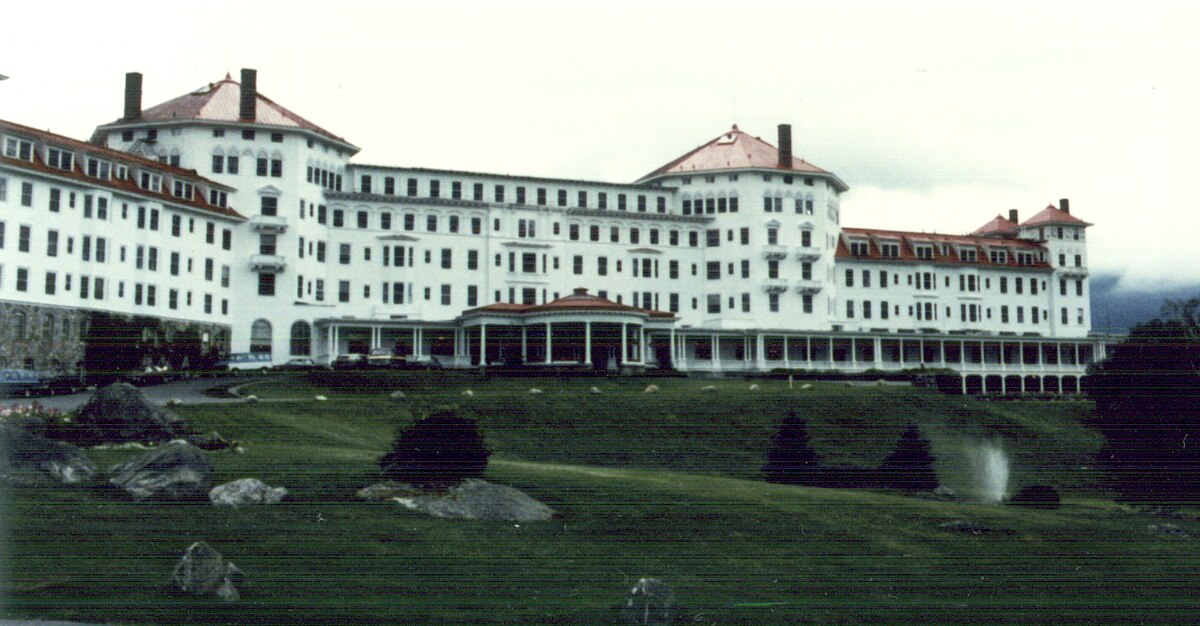
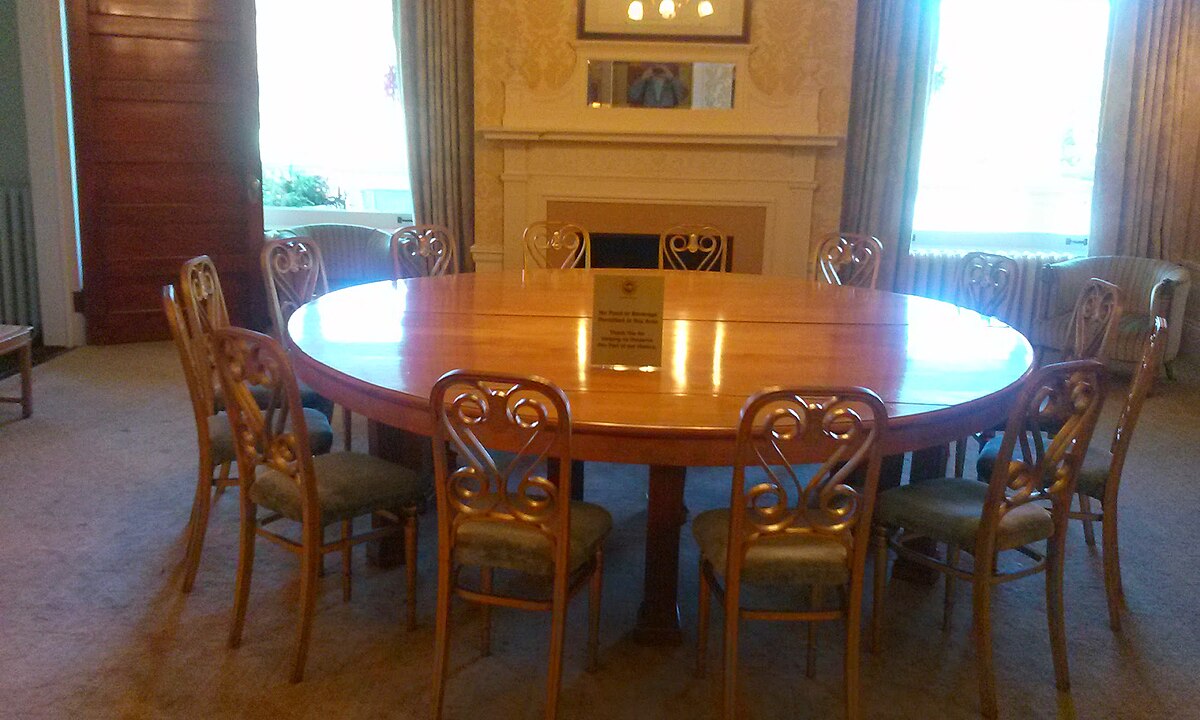
In 1944, while WWII was still raging, 730 delegates met at the Mount Washington Hotel. They sought to end the currency wars that fueled the Great Depression and destabilized the world. This agreement became the Bretton Woods system.
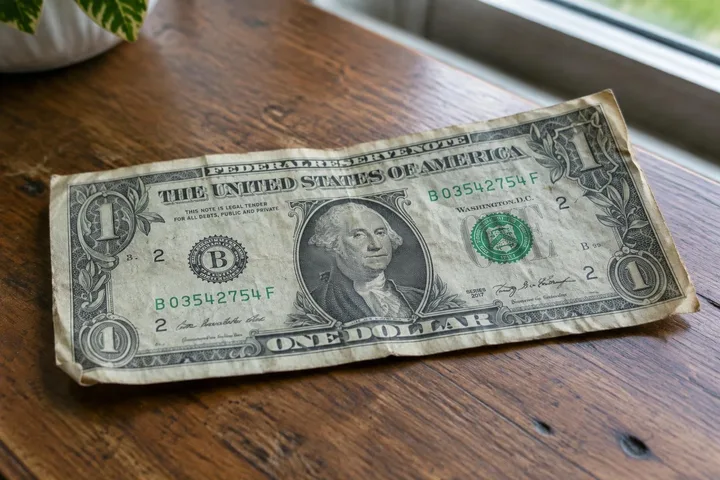
The Bretton Woods system was an international agreement where 44 countries pegged their currencies to the US dollar, which was directly convertible to gold bullion at 35 dollars an ounce. It was the first fully negotiated global monetary order designed to prevent trade wars and competitive devaluations. The arrangement positioned the US dollar as the primary global reserve currency until the gold link broke in 1971.

By the edgi team We find the most surprising true thing about an idea and build a 60-second lesson around it.
In 1944, while WWII was still raging, 730 delegates met at the Mount Washington Hotel. They sought to end the currency wars that fueled the Great Depression and destabilized the world. This agreement became the Bretton Woods system.
They pegged the US dollar to gold at 35 dollars an ounce, and every other currency to the dollar. This turned the greenback into the world's ultimate reserve asset, backed by the promise of physical metal.
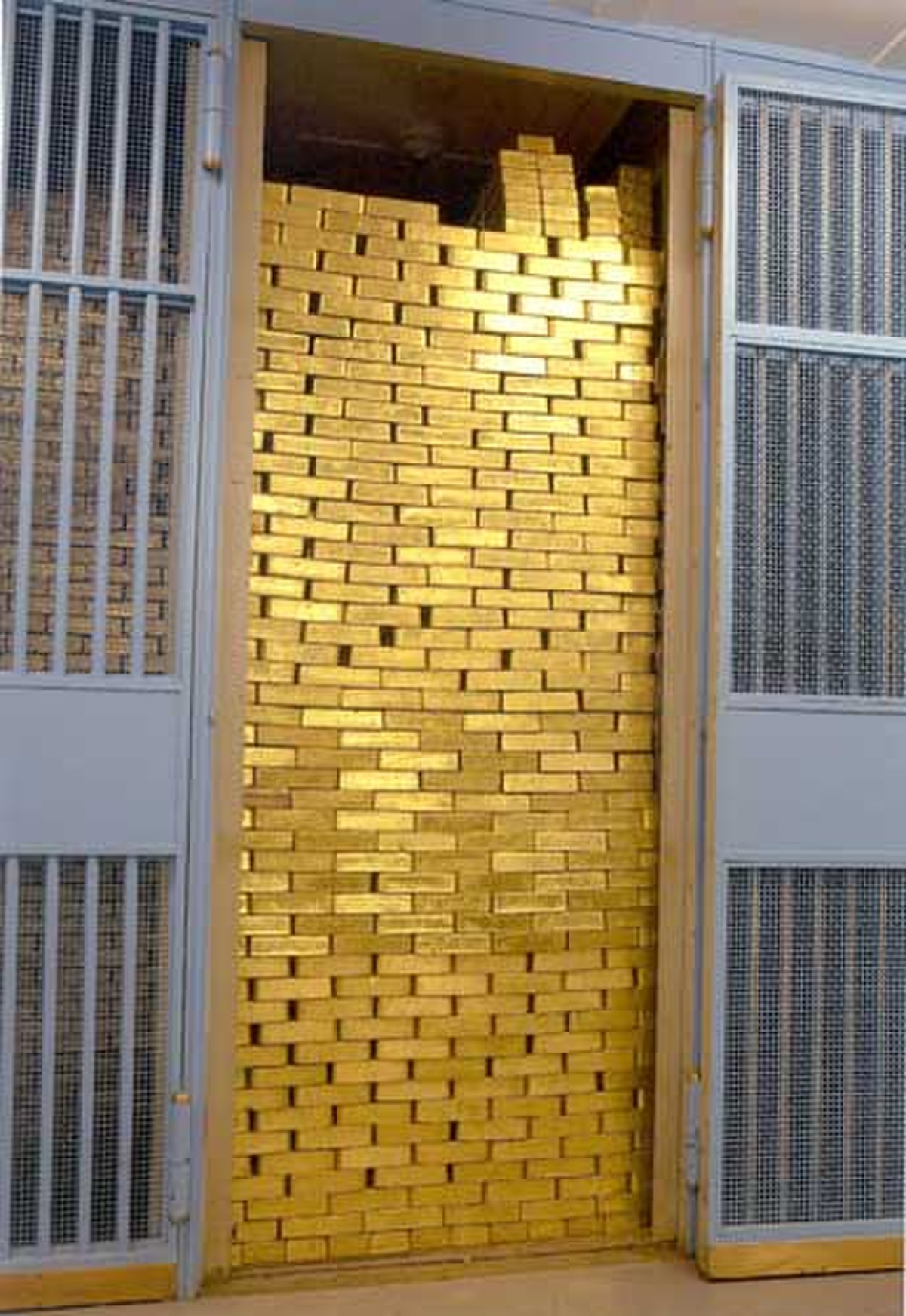
The system relied on the Triffin dilemma. The US had to print dollars to power global trade, but every dollar printed made the gold backing seem less credible to foreign nations.
By 1971, the world held more dollars than the US had gold in its vaults. President Nixon unilaterally slammed the gold window shut, ending the era of gold-backed money and ushering in our current era of fiat currency.
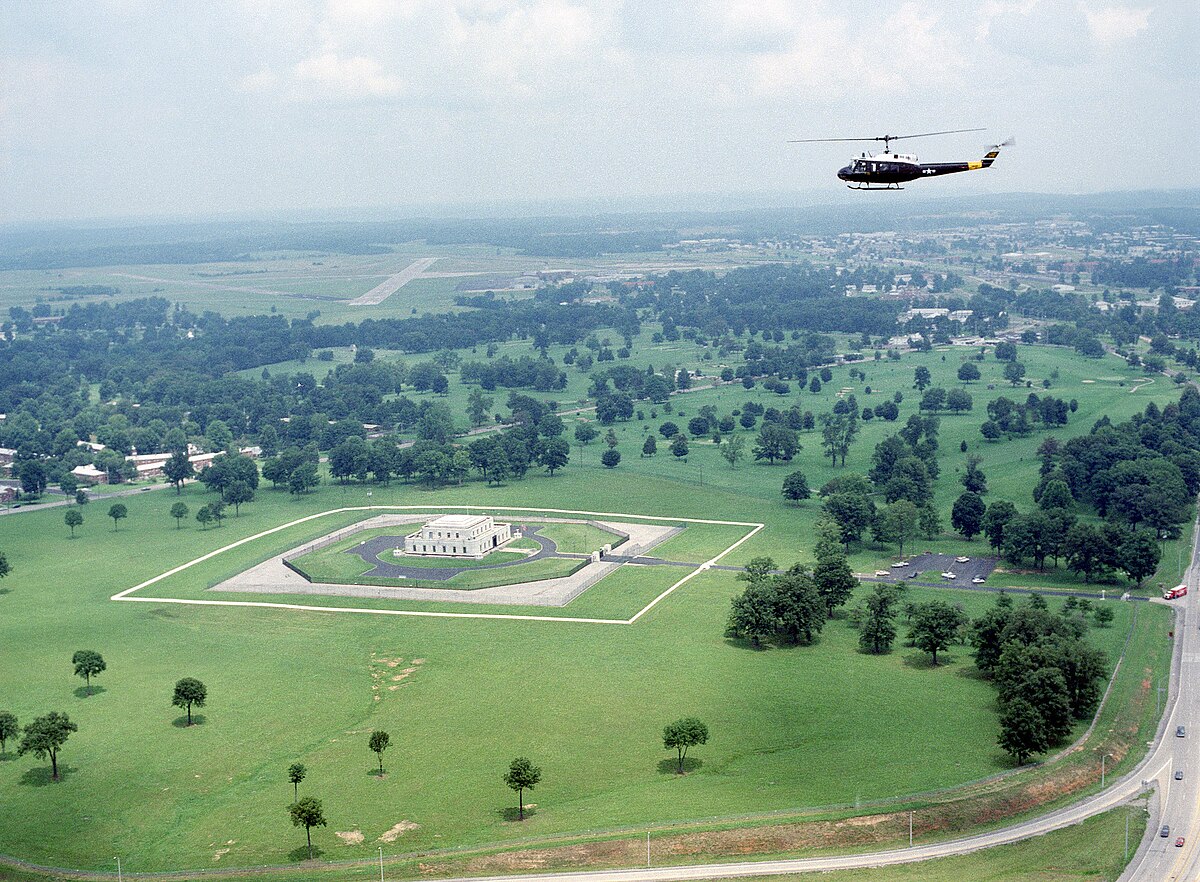
In July 1944, delegates gathered in New Hampshire to establish clear rules for postwar global finance. The United States controlled two-thirds of the world's gold at the time, allowing it to insist that the international order rely on both gold and the dollar.
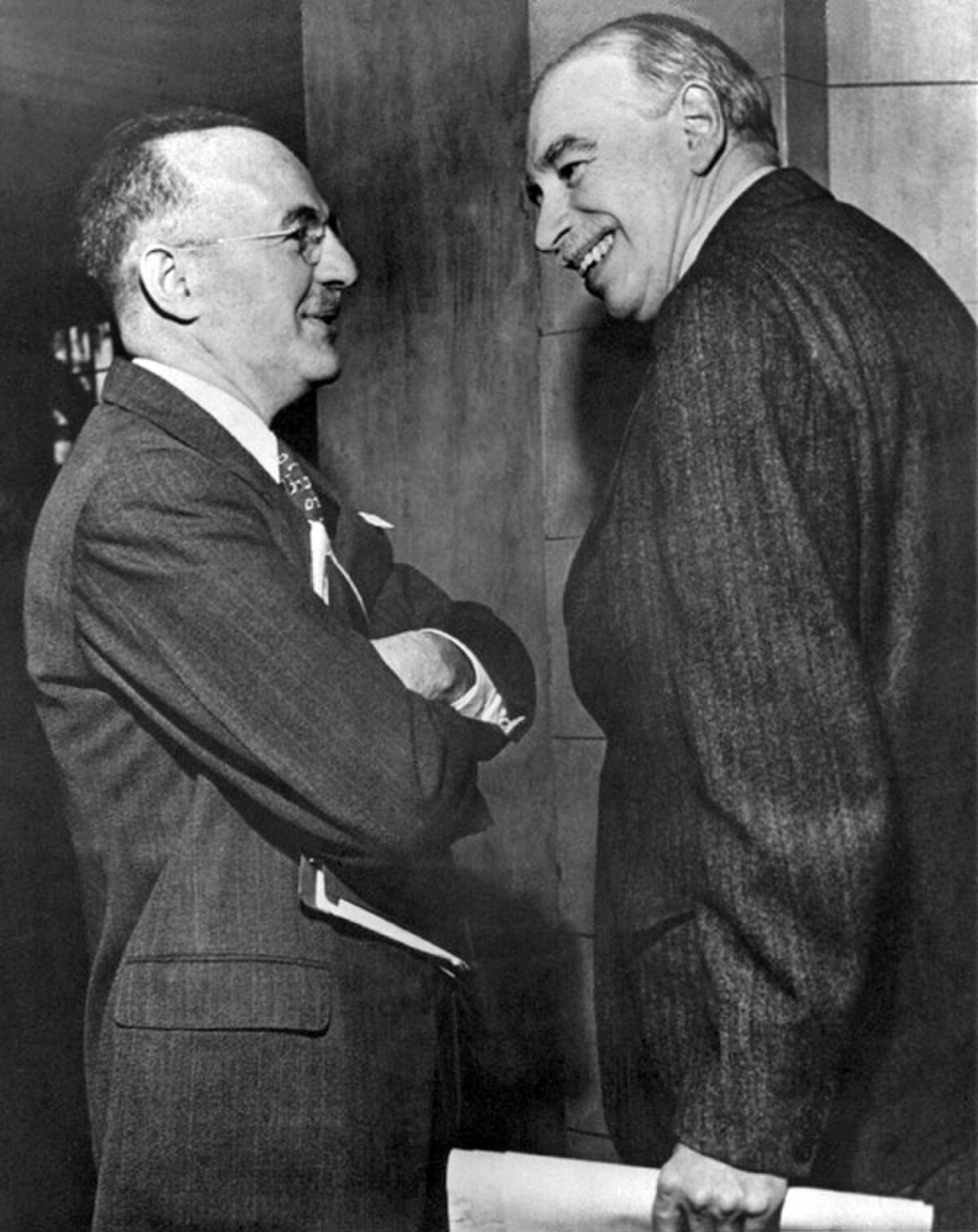
Member nations pledged to maintain exchange rates pegged to the dollar, while foreign governments and central banks could convert those dollars back into gold bullion upon request. To police these exchange rates and prevent beggar thy neighbour currency devaluations, the accords created two permanent global bodies: the International Monetary Fund (IMF) and the International Bank for Reconstruction and Development (IBRD), which is now part of the World Bank Group.
The system relied on a structural contradiction known as the Triffin dilemma. The US had to supply massive volumes of dollars to finance growing international trade, but issuing so many dollars meant foreign holdings soon exceeded the physical gold sitting in American reserves.
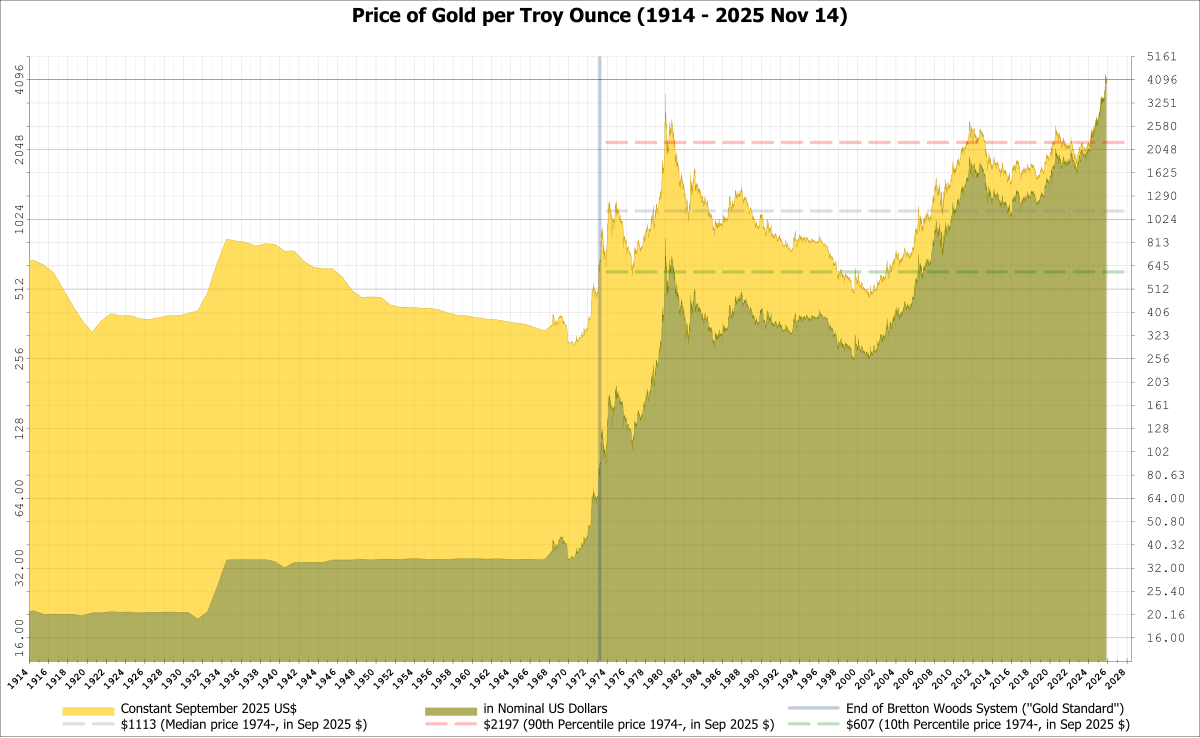
Rapid growth in Eurodollar markets and international capital flows strained the fixed-rate rules. On 15 August 1971, the United States ended the direct convertibility of dollars into gold. This move dissolved the core mechanism of Bretton Woods, turning the US dollar into a fiat currency and leading major currencies like the British pound to adopt floating exchange rates.
Collectible card
Play the lesson in edgi and the card is yours. It lands on your Map next to the ideas it connects to, and turns from matte to foil to gold as you learn more around it.
The transition to floating exchange rates was formally ratified by the Jamaica Accords in 1976. This treaty officially closed the Bretton Woods era and codified modern floating currency arrangements.
Soviet delegates attended the 1944 conference but chose not to ratify the final agreement. They declined because they viewed the resulting financial institutions as branches of Wall Street.
Planners wanted to prevent the destructive economic isolationism and uncoordinated currency devaluations that worsened the Great Depression. Unsettled war debts from World War I and bank failures in 1931 had frozen global commerce, convincing leaders that managed international cooperation was required.
Part of the Set · 7 cards
Your money isn't backed by gold. It's backed by everyone agreeing not to ask what's underneath.
Lesson complete
You finished the lesson. In edgi, the card goes on your Map next to everything else you learn.