Gold StandardWhy Isaac Newton created it by mistake
A gold standard is a monetary system where the basic unit of currency is defined as a fixed quantity of gold. Paper bills and coins either contain gold or can be exchanged for it at an official rate. While this system restricted how much cash governments could print, it also prevented central banks from expanding the money supply during recessions.
By the edgi team We find the most surprising true thing about an idea and build a 60-second lesson around it.
For decades, a paper dollar was essentially a receipt for a specific amount of gold locked in a vault. This meant governments could not simply print money to solve problems. Every new bill required a matching bar of gold.
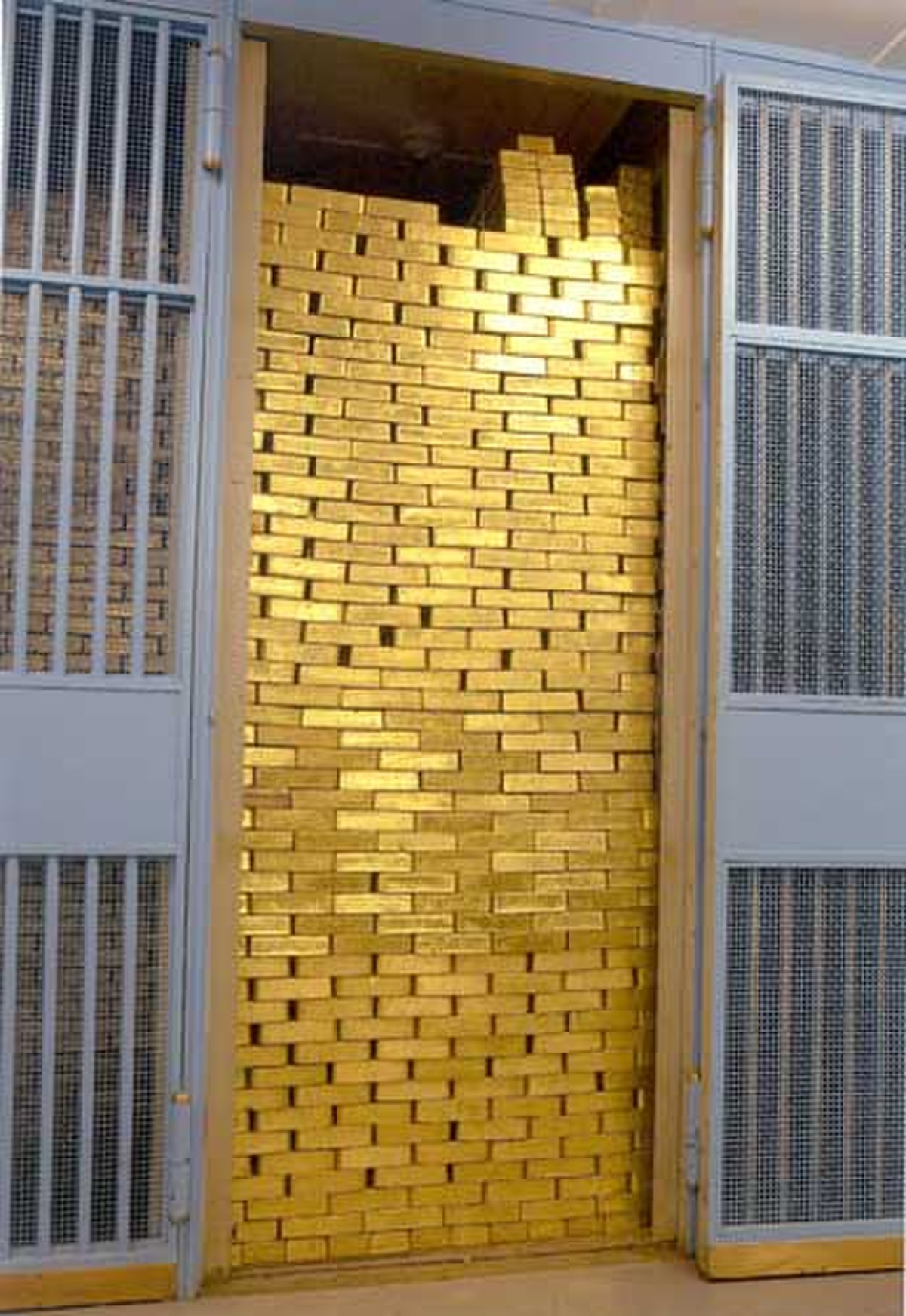
A gold compartment at the Federal Reserve Bank of New York is filled with stacks of gold bars, reaching almost to the ceiling. Federal Reserve, Public domain, via Wikimedia Commons
It kept inflation low, but it acted like a golden straightjacket. In a crisis, the economy couldn't expand because there wasn't enough metal to back the needed cash.
The private bailout
By 1895, the U.S. Treasury was nearly empty, thanks to a panic that triggered a run on gold reserves. President Grover Cleveland faced a total collapse of American credit. He had no choice but to turn to J.P. Morgan, the most powerful banker in the world.
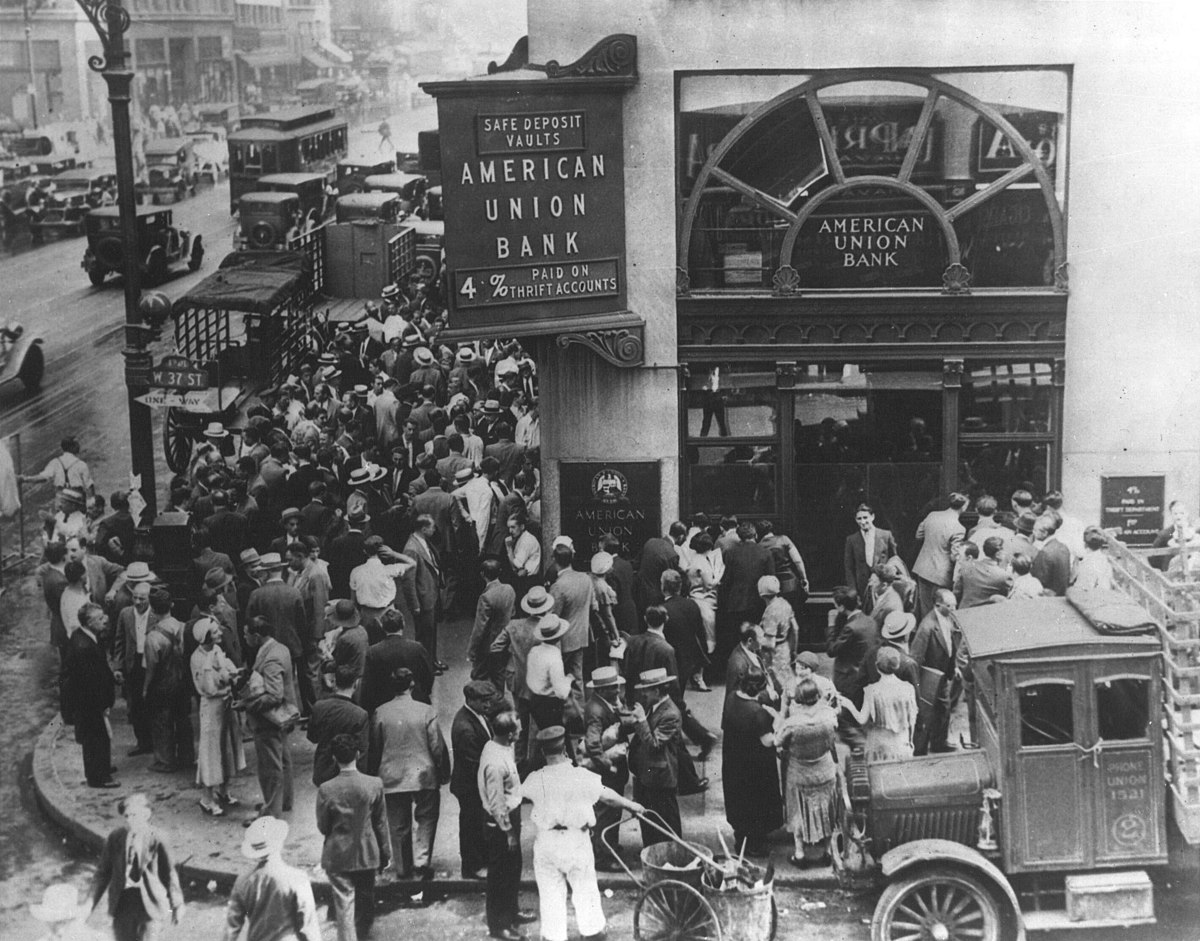
A black and white photograph of a large crowd gathered outside the American Union Bank in New York City on April 26, 1932, during a bank run. Wikideas1 Wikideas1 (talk) (Uploads), Public domain, via Wikimedia Commons
Morgan personally organized a syndicate to lend the U.S. government $65 million in gold, literally bailing out the nation to prevent a total systemic collapse.
The end of the line
The system finally snapped in 1971. President Nixon realized foreign nations held more dollars than the U.S. had gold to cover. He ended the convertibility, shifting the world to fiat currency, money backed only by government promise rather than physical metal.
Today, the gold in Fort Knox is just a relic of that era, no longer backing a single U.S. dollar in your pocket.
An aerial view of the U.S. John Coffman, Public domain, via Wikimedia Commons
How did the gold standard work?
In a pure gold specie standard, gold coins circulated directly as currency. Because coins lost weight through wear or deliberate clipping, public cash offices weighed coins against a pass weight, refusing any that fell below the legal threshold.
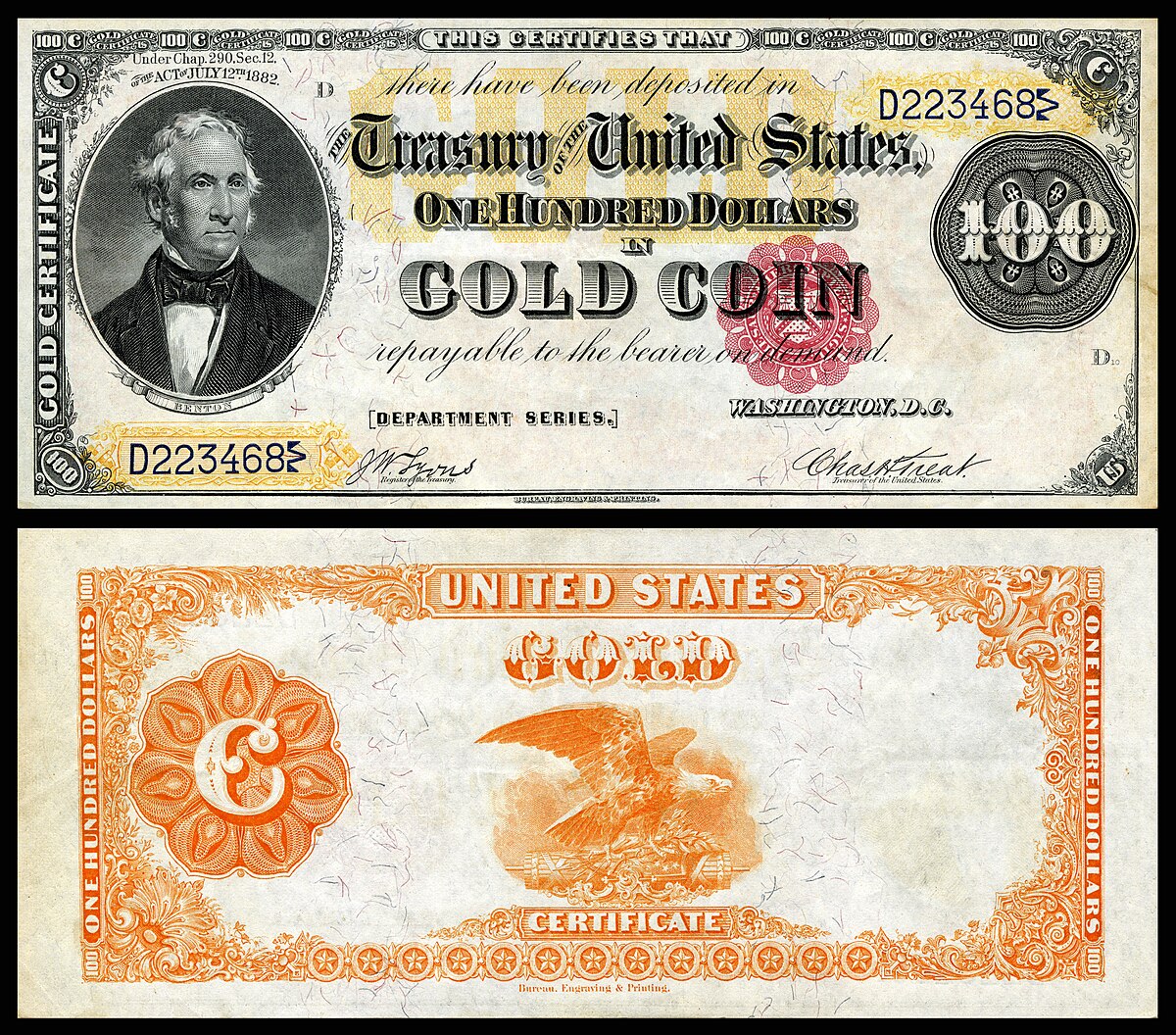
This U.S. gold certificate functioned as circulating paper money that could be redeemed on demand for physical gold coins. National Museum of American History, Public domain, via Wikimedia Commons
Governments later adopted the gold bullion standard, where physical gold coins no longer circulated. Instead, authorities held bullion in reserves and agreed to convert paper money into gold bars at a fixed price. Under a gold exchange standard, such as the Bretton Woods system after World War II, other countries pegged their currencies directly to the U.S. dollar, which was in turn convertible to gold.
Why did nations adopt and abandon it?
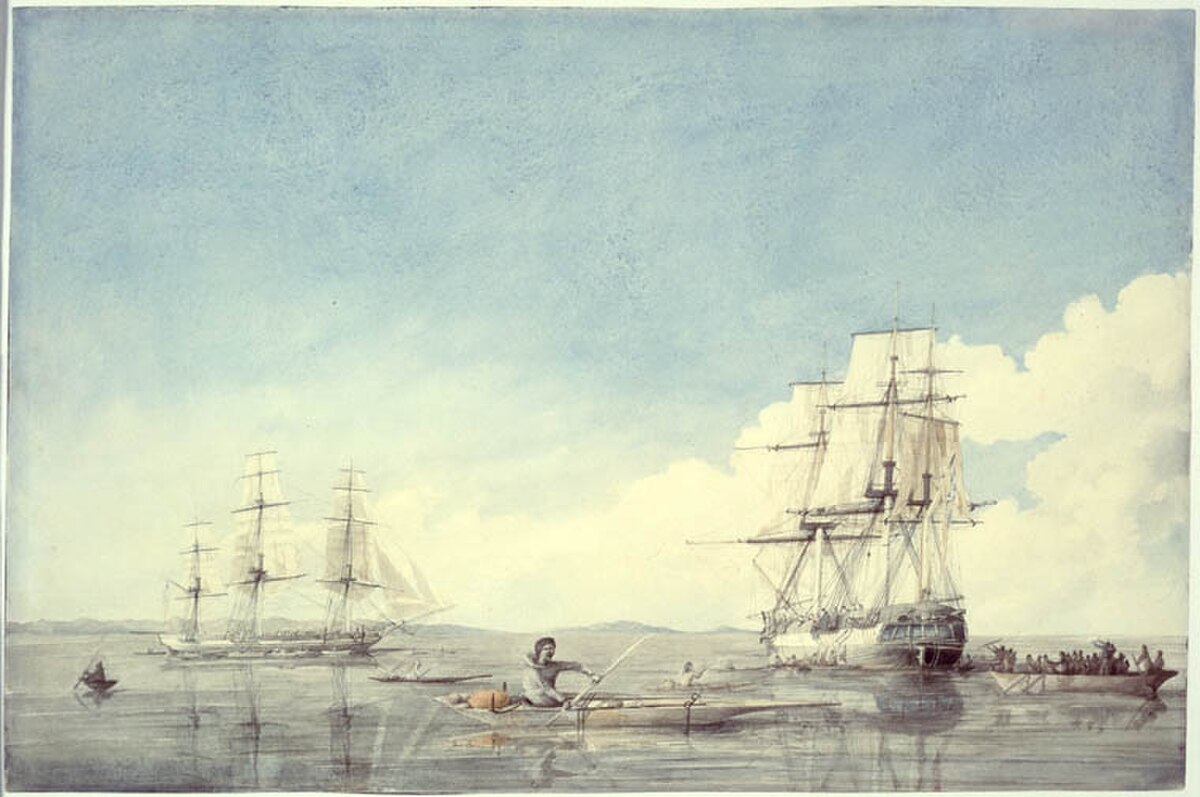
For millennia, silver was the primary monetary metal across most economies. Great Britain adopted a gold standard by accident in 1717 when Isaac Newton, serving as master of the Royal Mint, overvalued gold relative to silver, driving silver coins out of circulation. As Britain grew into the dominant commercial power of the 19th century, other nations followed its lead.
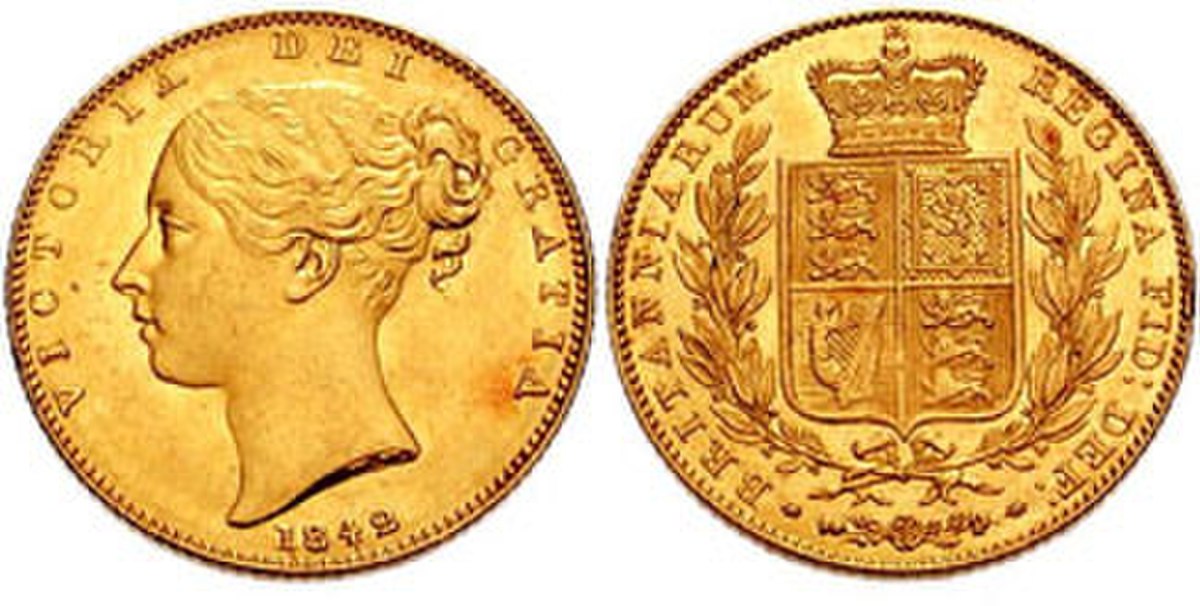
The British gold sovereign served as the primary international gold coin during the classical gold standard era. Public domain, via Wikimedia Commons
Maintaining fixed exchange rates severely limited government action during crises. Countries could not lower interest rates or expand credit to fight unemployment. Consequently, nations abandoned the standard during the Great Depression, and the United States ended gold convertibility entirely in 1971.
Test yourself
Under a gold standard, what limits how much money a government can issue?
The gold reserves available to back it. When currency is tied to a fixed quantity of gold, issuing more money requires enough gold to support it.
Under a gold standard, a government faces a crisis and needs more money. What constraint matters?
It needs enough gold to back additional currency. A gold standard ties currency to gold reserves, limiting how quickly the money supply can expand during a crisis.
Under a gold standard, a government faces a crisis and needs more money. What constraint matters?
It needs enough gold to back additional currency. A gold standard ties currency to gold reserves, limiting how quickly the money supply can expand during a crisis.
Play the lesson in edgi and the card is yours. It lands on your Map next to the ideas it connects to, and turns from matte to foil to gold as you learn more around it.
A limping standard occurs when a country operates on a gold standard but still allows large amounts of legacy silver coins to circulate at face value. This introduced uncertainty because the market value of the silver in the coins was lower than the official gold rate.
What were gold points?
Gold points were the price boundaries within which currency exchange rates could fluctuate before it became profitable to ship physical gold abroad. These boundaries were determined by the actual cost of transporting and insuring gold between countries.
Do modern economists support returning to the gold standard?
Most economists oppose returning to a gold standard. In a 2012 survey, 92 percent of economists agreed that restoring it would not improve price stability or employment outcomes.