The decree
The word fiat is Latin for 'let it be done.' It is not a receipt for a bar of gold locked in a vault somewhere. It is a government order that this specific paper, or digital entry, has value. It is money because the law says it is.
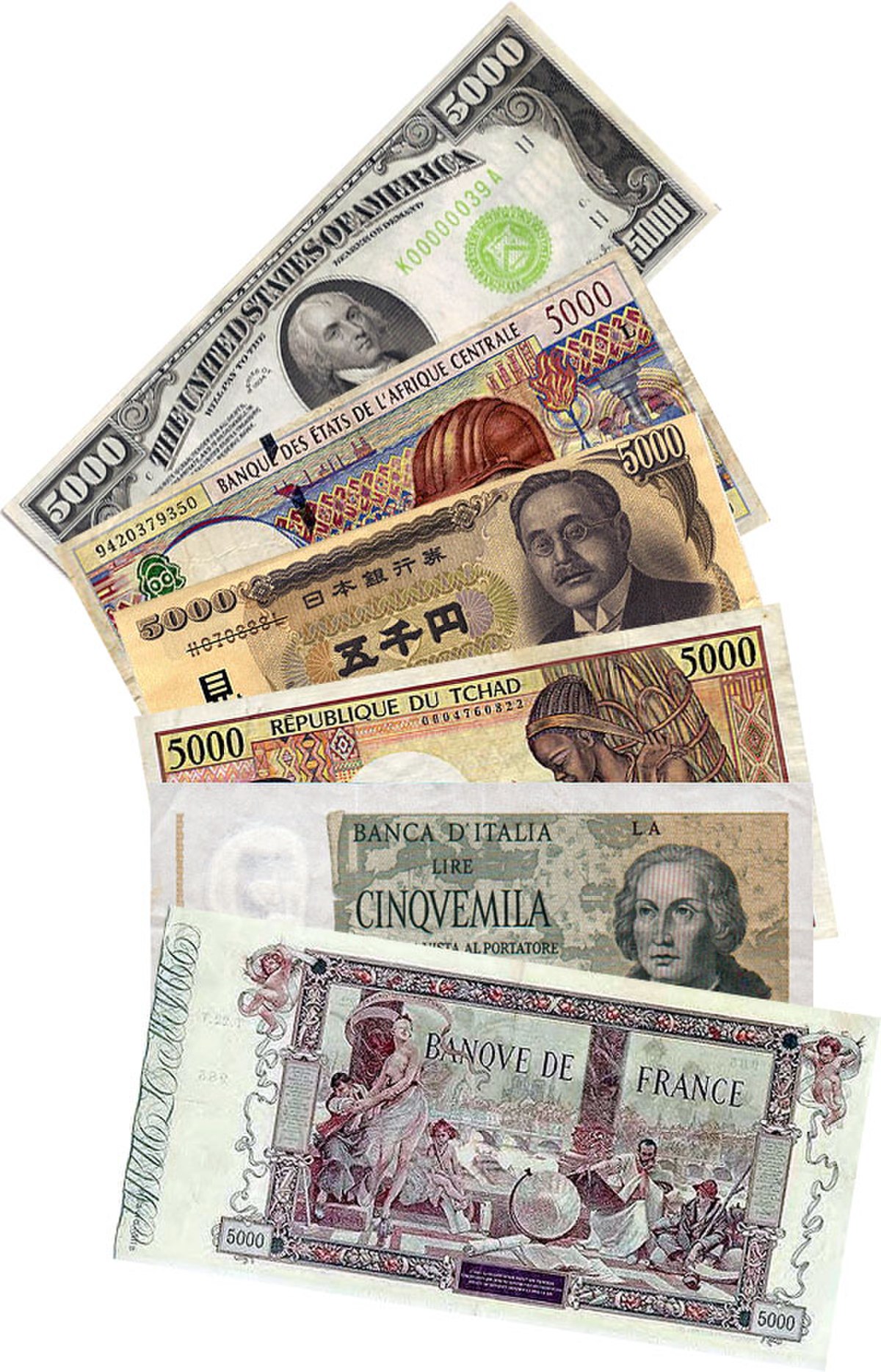
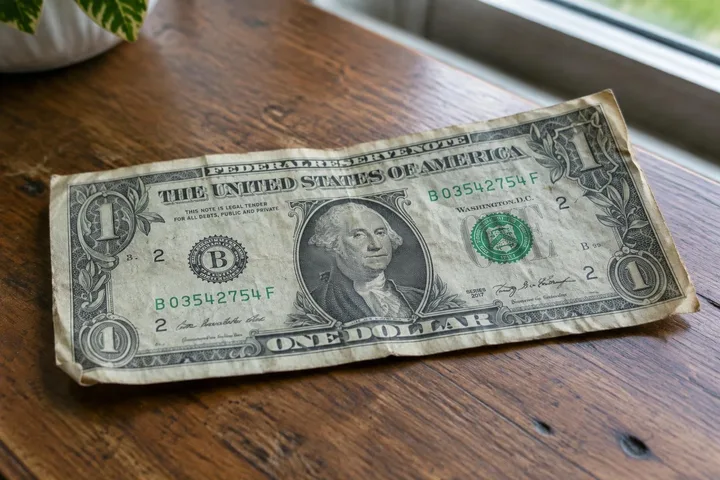
Fiat currency is money issued by a government that is not backed by gold, silver, or any other physical asset. It has value simply because the law declares it legal tender and people trust it will be accepted for debts and taxes. Today, every major currency across the globe operates as fiat money.

By the edgi team We find the most surprising true thing about an idea and build a 60-second lesson around it.

The word fiat is Latin for 'let it be done.' It is not a receipt for a bar of gold locked in a vault somewhere. It is a government order that this specific paper, or digital entry, has value. It is money because the law says it is.
Until 1971, the US dollar was technically a claim on physical gold. You could walk into a bank and trade your paper for metal. President Richard Nixon ended that, 'closing the gold window' to stop a run on reserves. Overnight, the world moved from commodity-backed money to pure trust.
If money isn't backed by gold, what stops it from becoming worthless paper? Taxes. The government demands you pay your taxes in their currency. Because everyone has to pay taxes, everyone needs that currency to do it. That creates universal demand.
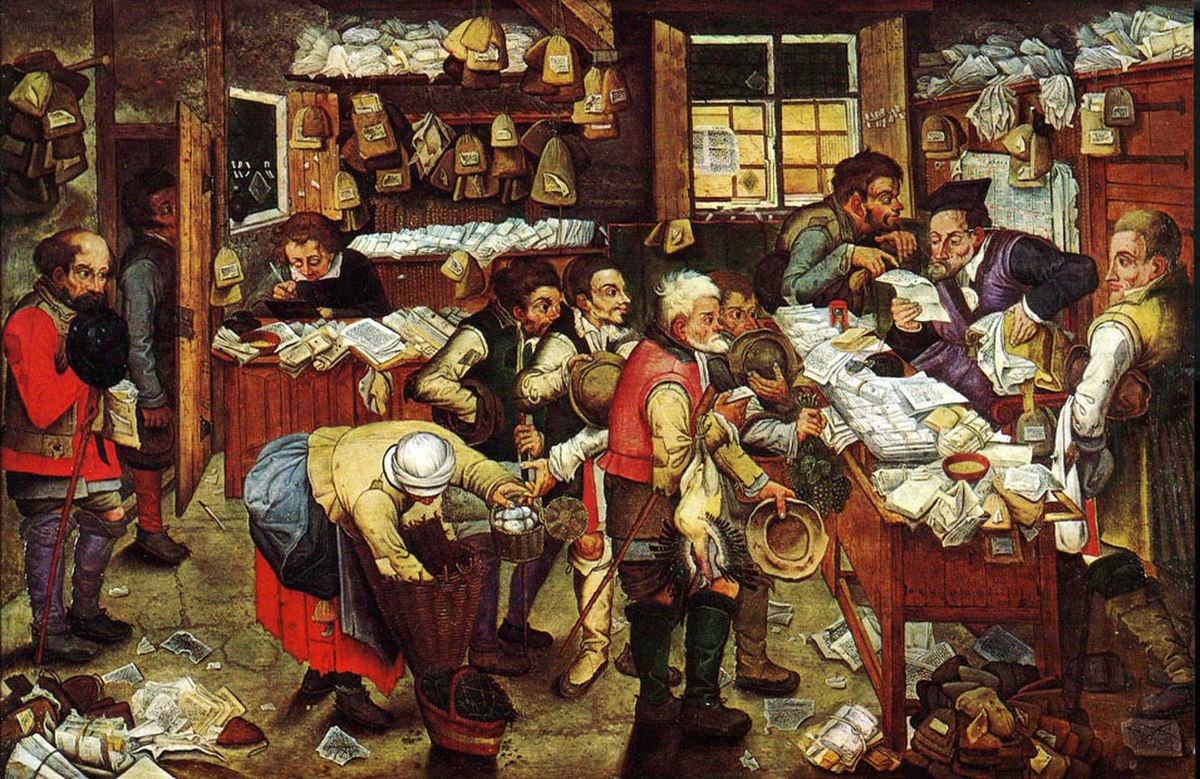
Without that tax obligation and public trust, money is just a napkin. It works because we all agree it works, a massive, global, social hallucination that allows us to trade our time for goods.
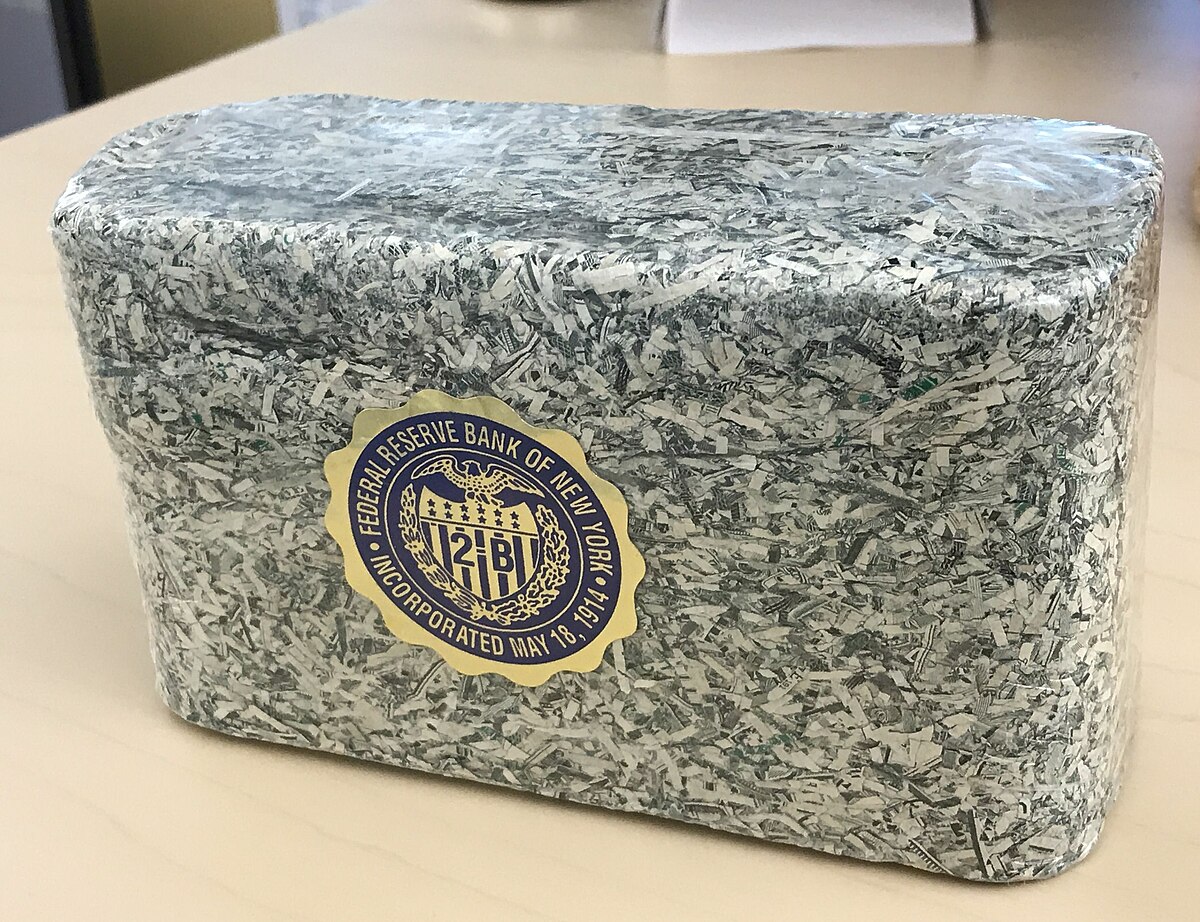
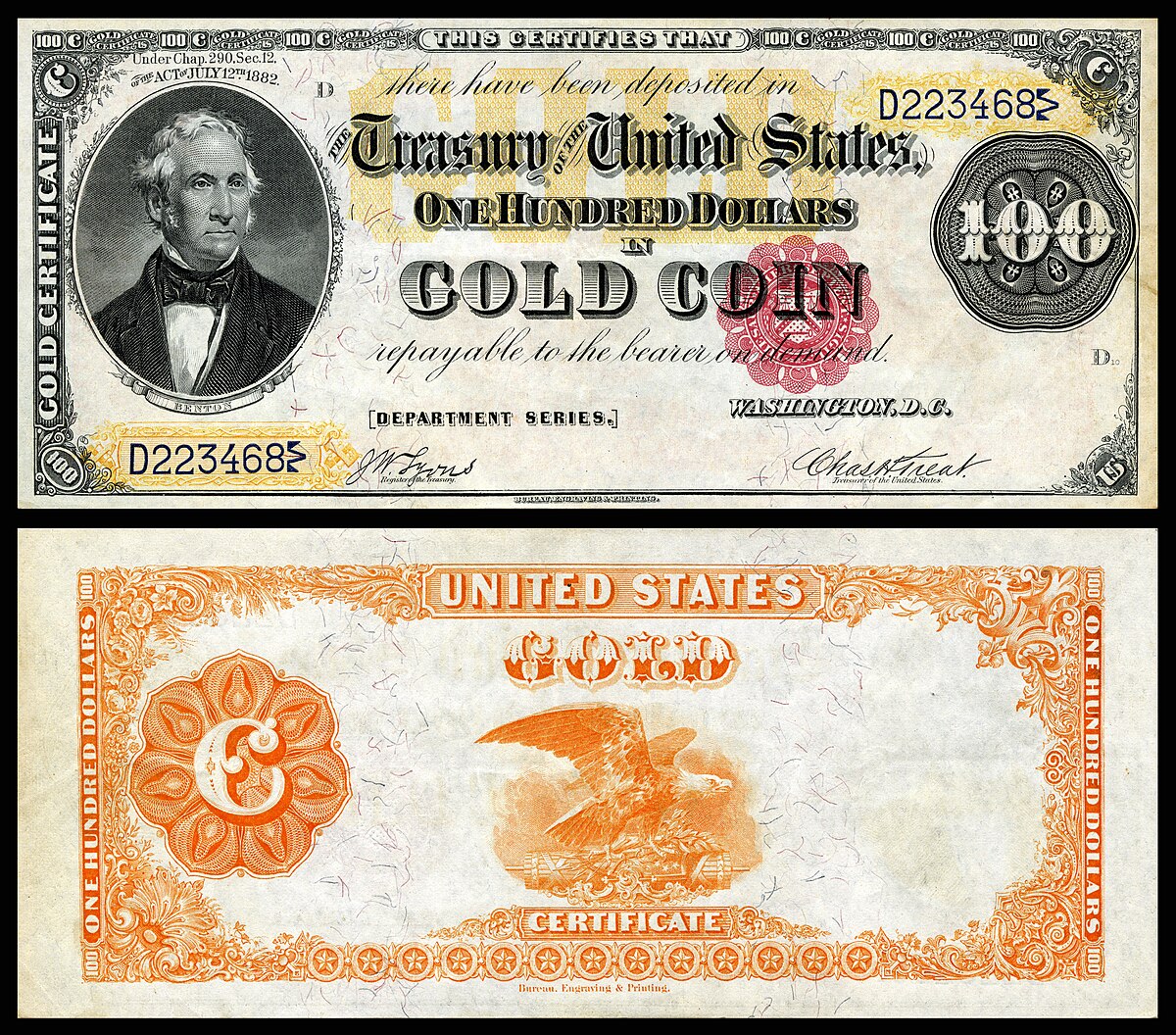
Fiat money has no intrinsic value and cannot be redeemed for a set amount of a precious metal. It differs from commodity money, such as gold coins that carry value within the metal itself, and representative money, which consists of paper certificates that represent a direct claim on stored physical commodities.
A fiat banknote looks almost identical to representative paper money, but it carries no claim on any tangible reserve. Its purchasing power exists because a central bank issues it, a government demands it for tax obligations, and the public agrees to treat it as a medium of exchange.
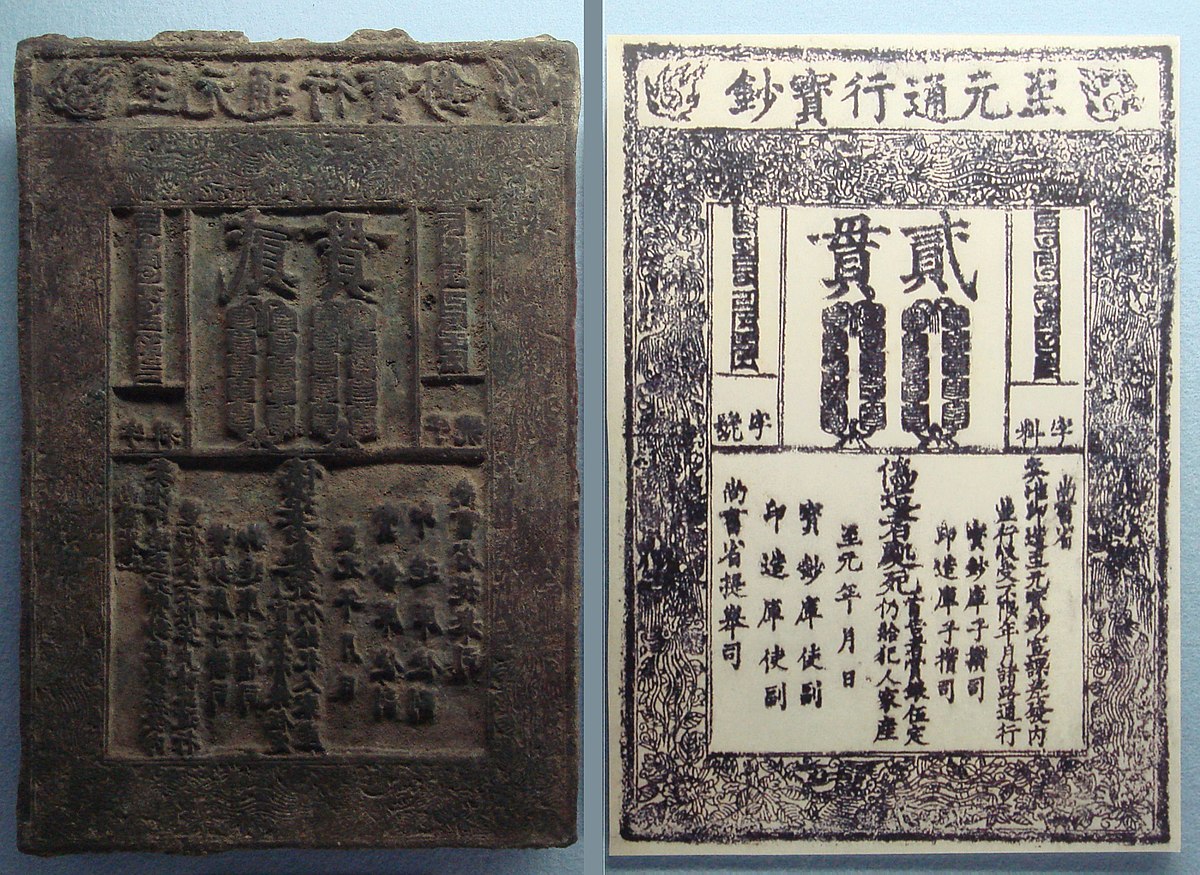
Government-issued fiat banknotes first appeared in China during the 13th century, following earlier Song dynasty paper notes like jiaozi that eventually suspended convertibility into metal. Use of unbacked paper currency expanded across the Yuan and Ming dynasties as authorities took full control over money issuance.
The shift to a worldwide fiat system happened in the 20th century. In 1971, President Richard Nixon suspended the US dollar's convertibility into physical gold. The Bretton Woods system formally ended in 1976 through the Jamaica Accords, establishing national fiat money as the universal framework for modern global finance.
Because fiat currency is not restricted by physical reserves of gold or silver, central banks can expand the money supply at will. This structure has sparked economic debate since its inception. In 1787, George Washington warned that unbacked paper money would ruin commerce, and Karl Marx later observed in the Grundrisse that an inexhaustible printing press could lead to accelerating debt and price inflation.
Modern economic schools remain divided on its exact effects. Austrian, monetarist, neoclassical, and New Keynesian economists argue that expanding the fiat money supply directly triggers inflation. Conversely, Keynesian, Post-Keynesian, and modern monetary theory economists maintain that an increase in money supply alone is insufficient to cause inflation.
Fiat currency: why might people keep accepting it without gold backing?
They need it for taxes and expect others to accept it. People need the currency to meet tax obligations and trust others will accept it. That supports its use without a promise of gold redemption.
Fiat currency: why might people keep accepting it without gold backing?
They need it for taxes and expect others to accept it. People need the currency to meet tax obligations and trust others will accept it. That supports its use without a promise of gold redemption.
Fiat currency: why might people keep accepting it without gold backing?
They need it for taxes and expect others to accept it. People need the currency to meet tax obligations and trust others will accept it. That supports its use without a promise of gold redemption.
Collectible card
Play the lesson in edgi and the card is yours. It lands on your Map next to the ideas it connects to, and turns from matte to foil to gold as you learn more around it.
The word fiat comes from Latin, translating to 'let it be done.' In law and economics, it refers to an official decree, order, or resolution issued by an authority.
Legal tender is money authorized by government regulation that must be accepted as payment for debts within specific legal circumstances. Fiat currencies rely on this legal designation to ensure universal acceptance across an economy.
Economic models explain fiat value through social coordination and game theory. In models by economists such as Lagos, Wright, and Kiyotaki, an intrinsically worthless object gains stable value in equilibrium because every participant expects everyone else to accept it in trade.
Part of the Set · 7 cards
Your money isn't backed by gold. It's backed by everyone agreeing not to ask what's underneath.
Lesson complete
You finished the lesson. In edgi, the card goes on your Map next to everything else you learn.