The lender of last resort
When banks get scared, they stop lending to each other. This freezes the entire economy. The central bank is the backstop. It exists to provide cash when no one else will.
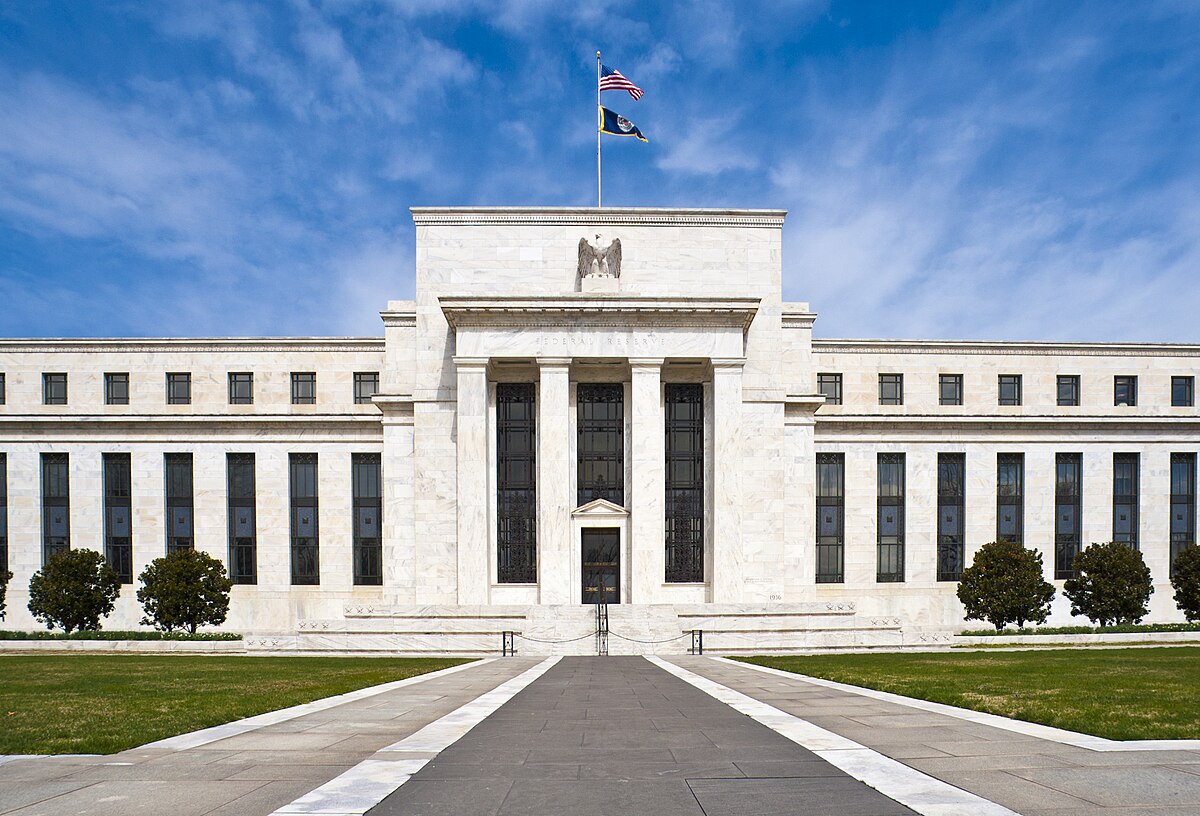
A central bank is a financial institution that manages the monetary policy of a country or monetary union. Unlike normal commercial banks, it holds a legal monopoly on issuing the monetary base, meaning it does not need to earn money before distributing it. Its primary purpose is to protect the stability of the economy, supervise lenders, and prevent financial panics.

By the edgi team We find the most surprising true thing about an idea and build a 60-second lesson around it.

When banks get scared, they stop lending to each other. This freezes the entire economy. The central bank is the backstop. It exists to provide cash when no one else will.
In 1873, Walter Bagehot wrote that in a panic, you must lend freely and boldly to anyone with good collateral. The catch: charge a high penalty rate so banks only borrow if they absolutely have to.

Unlike commercial banks, a central bank has a monopoly on the monetary base. They do not need to earn money; they issue it. This is how they perform quantitative easing to flood a dying market with liquidity.

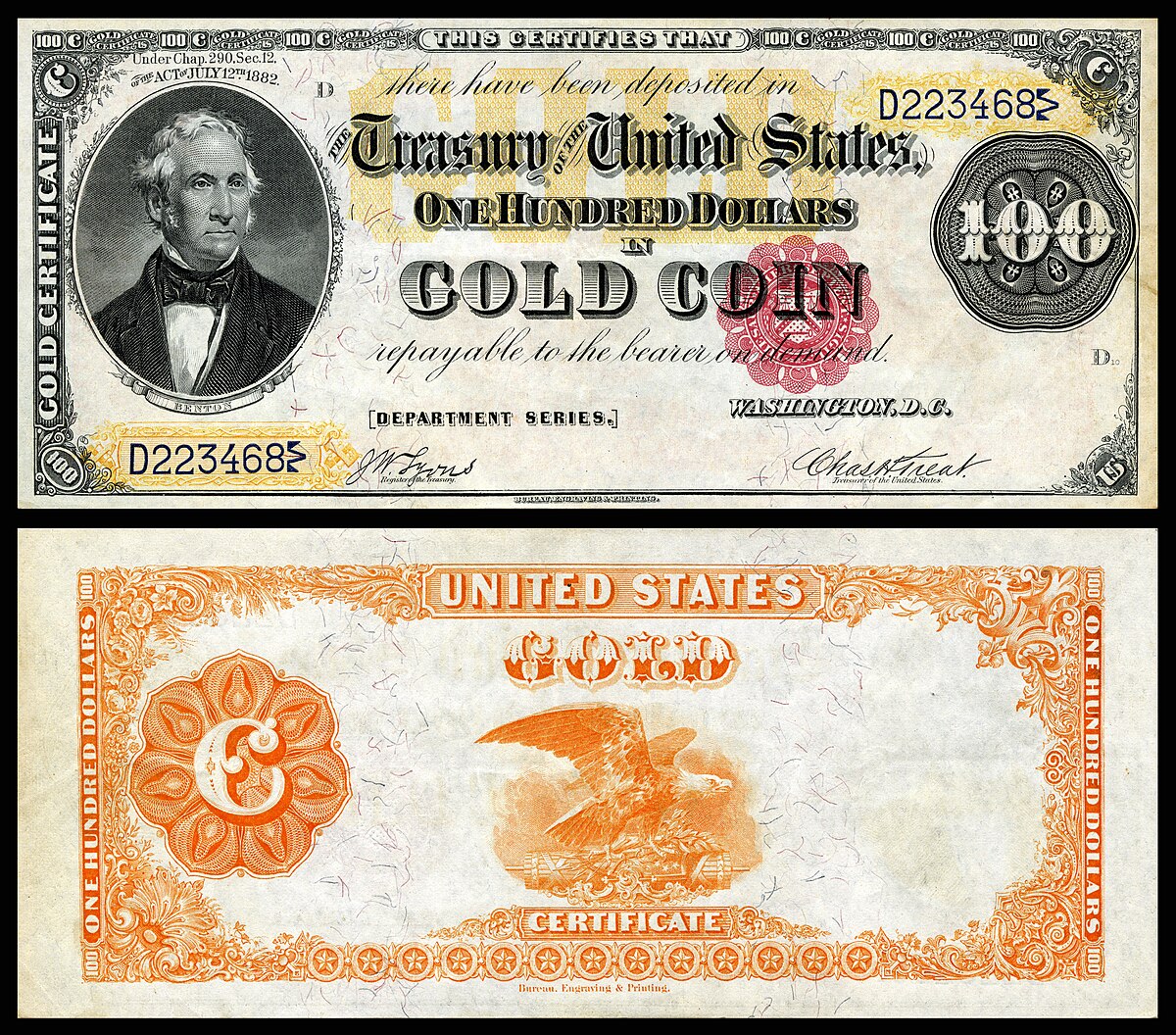
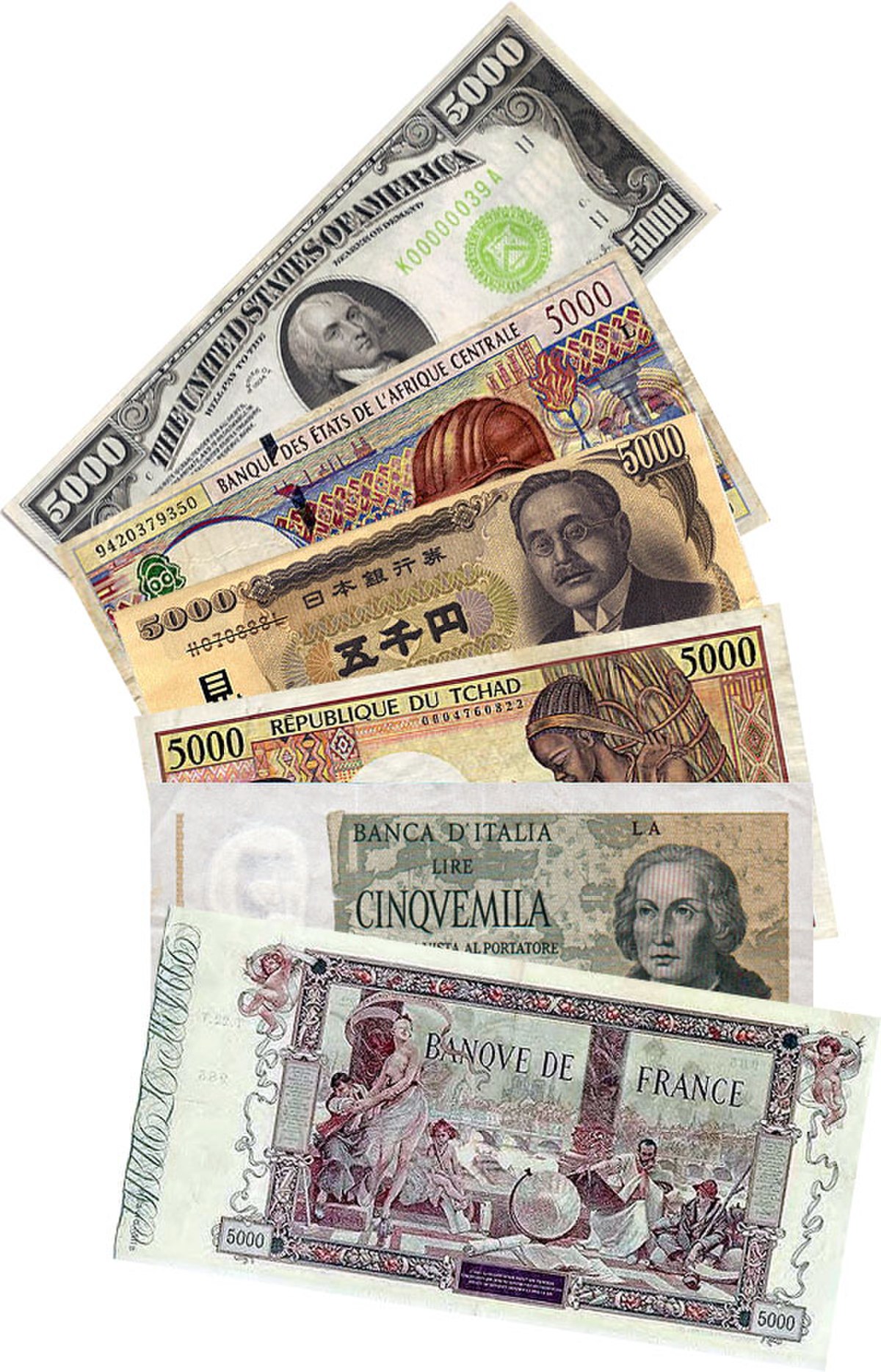
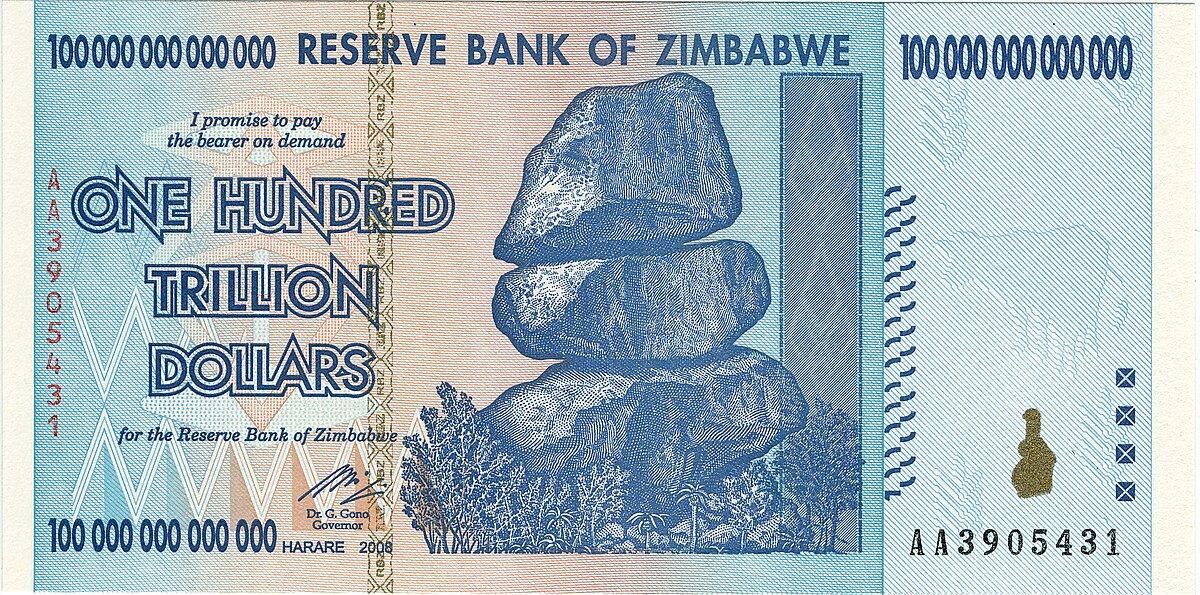
Ultimately, your fiat currency is just a promise. The bank's job is to keep that promise credible by controlling inflation. When they fail, the currency collapses, as seen with the Zimbabwean dollar.
A central bank does not function like an everyday business. While commercial banks must take deposits or earn revenue to lend, a central bank can issue fiat currency and increase the monetary base directly. This exclusive power enables operations like quantitative easing, which floods troubled financial markets with liquidity during severe downturns.
Central banks also use macroeconomic forecasting to steer interest rates and keep inflation under control. Fiat currency is built on public trust rather than physical commodities. When a central bank mismanages the money supply and allows unchecked inflation, that trust vanishes, causing the entire currency to collapse as occurred with the Zimbabwean dollar.
In a financial crisis, panic often causes commercial banks to freeze lending to one another, threatening to bring normal economic activity to a halt. In his 1873 treatise, Walter Bagehot outlined the rule for resolving these panics: central banks must lend freely to solvent institutions that offer good collateral.
This safety net comes with a strict condition known as Bagehot's Doctrine. Central banks charge high penalty interest rates on these emergency loans. The high rate ensures that private institutions only borrow from the backstop when they have run out of every other option.
To prevent crises before they start, many central banks hold regulatory powers over commercial institutions. They monitor banks to prevent runs, fight financial fraud, combat money laundering, and ensure consumer protection.
The term central bank originally meant the main headquarters of a multi-branch bank and only took on its modern meaning in the early 20th century. Earlier institutions were typically called banks of issue. Before modern standards were defined after World War I, municipal institutions like the Taula de canvi de Barcelona (1401) and the Bank of Amsterdam (1609) functioned as early ancestors by issuing high-quality financial money.

Today, names vary widely by region. Many institutions use titles like reserve bank, monetary authority, state bank, or national bank. Some private lenders carry deceptive titles: the Central Bank of India and the National Bank of Greece are commercial banks rather than monetary authorities.
When a central bank acts as a lender of last resort, what role does a penalty rate play?
To ensure banks borrow only when desperate. Charging a high penalty rate ensures that commercial banks only tap the central bank when they have no other options, discouraging reckless reliance on the backstop.
In a financial panic, a central bank should prioritize lending only to banks with immediate cash reserves.
False. According to Bagehot's doctrine, central banks should lend to any institution with good collateral, regardless of their current cash position, to stop the panic from spreading.
Collectible card
Play the lesson in edgi and the card is yours. It lands on your Map next to the ideas it connects to, and turns from matte to foil to gold as you learn more around it.
Central banks in most developed nations are designed to operate independently from day-to-day political interference. However, governments typically retain governance rights, and legislative bodies maintain formal oversight over their actions.
Sveriges Riksbank, established in 1668 as the successor to Stockholms Banco, is widely considered the oldest central bank still operating today. The Bank of England, founded in 1694, is the second-oldest and served as the direct model for most modern institutions.
Part of the Set · 7 cards
Your money isn't backed by gold. It's backed by everyone agreeing not to ask what's underneath.
Lesson complete
You finished the lesson. In edgi, the card goes on your Map next to everything else you learn.